
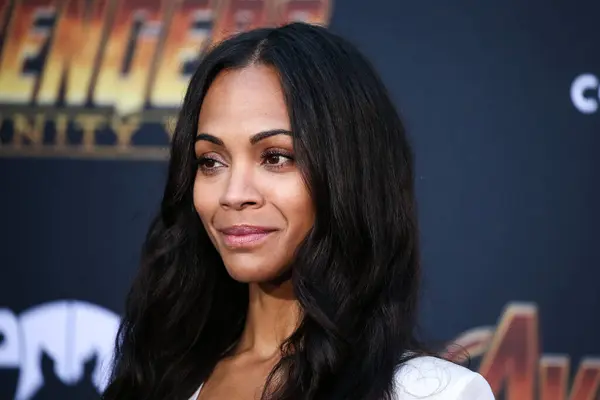
Few entertainment debates get personal faster than arguments over who is “Black enough.” In celebrity culture, those clashes rarely stay limited to one casting choice, one song, or one interview. They usually open a much bigger conversation about colorism, diaspora, class, and the pressure to represent an entire community in public. The tension is not random. Colorism has roots in slavery and colonial hierarchy, and its effects still show up in entertainment, beauty standards, casting decisions, and audience expectations. These public disputes stand out because each one exposed a different fault line inside the same larger question: who gets accepted, who gets challenged, and who is expected to explain themselves.
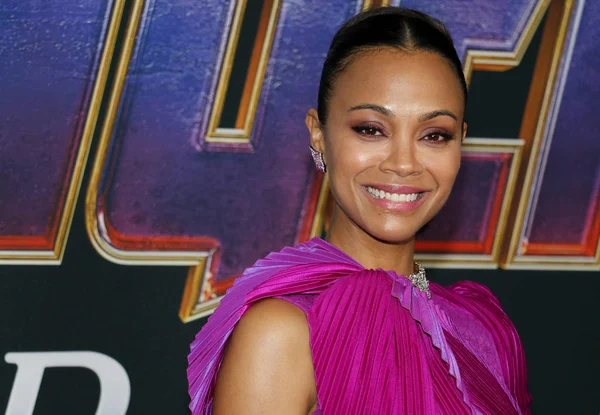
1. Zoe Saldaña and the Nina Simone backlash
Zoe Saldaña’s casting as Nina Simone became one of the clearest examples of how representation debates can overwhelm a project itself. Critics focused on the fact that Simone was a dark-skinned icon whose features and life experience carried major cultural weight, while the film relied on prosthetics and makeup to bridge the gap. The backlash was not just about one performance.
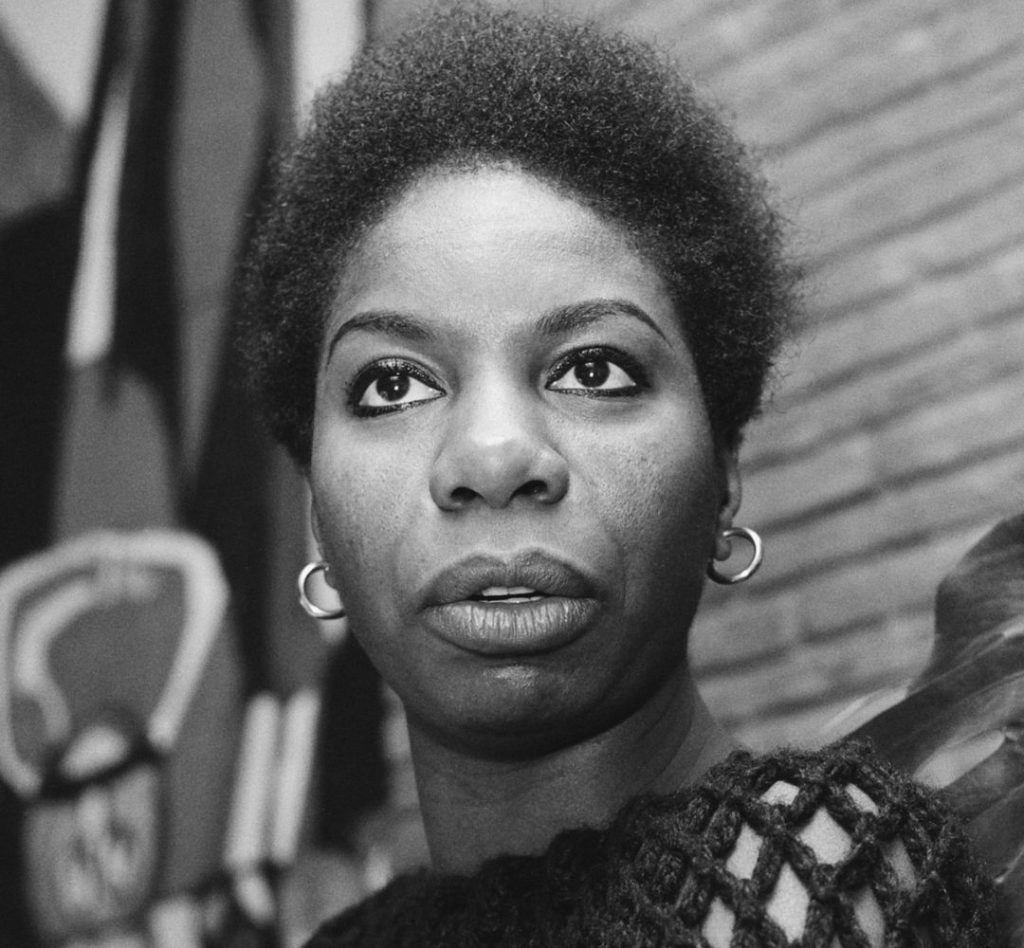
It became a wider discussion about how Hollywood handles dark-skinned Black women, and why lighter-skinned actresses often get opportunities tied to stories that are deeply specific. The controversy remained a reference point in later conversations about casting, especially in projects dealing with historical Black figures.
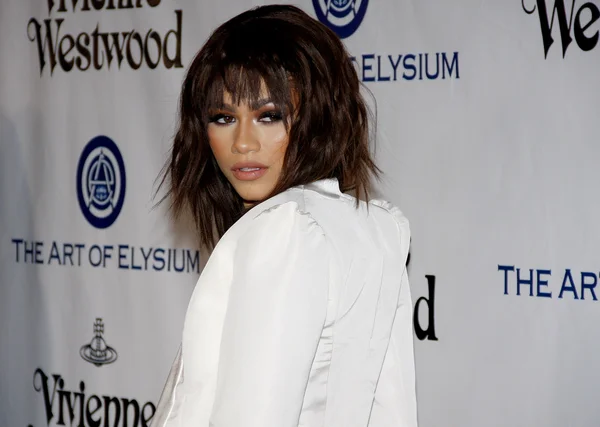
2. Zendaya and the Aaliyah casting debate
Zendaya faced similar scrutiny when she was chosen to portray Aaliyah. Public criticism centered on whether a lighter-skinned young star should play a singer whose image and legacy meant so much to fans who were already sensitive to colorism in entertainment. Her eventual exit from the project did not end the conversation.
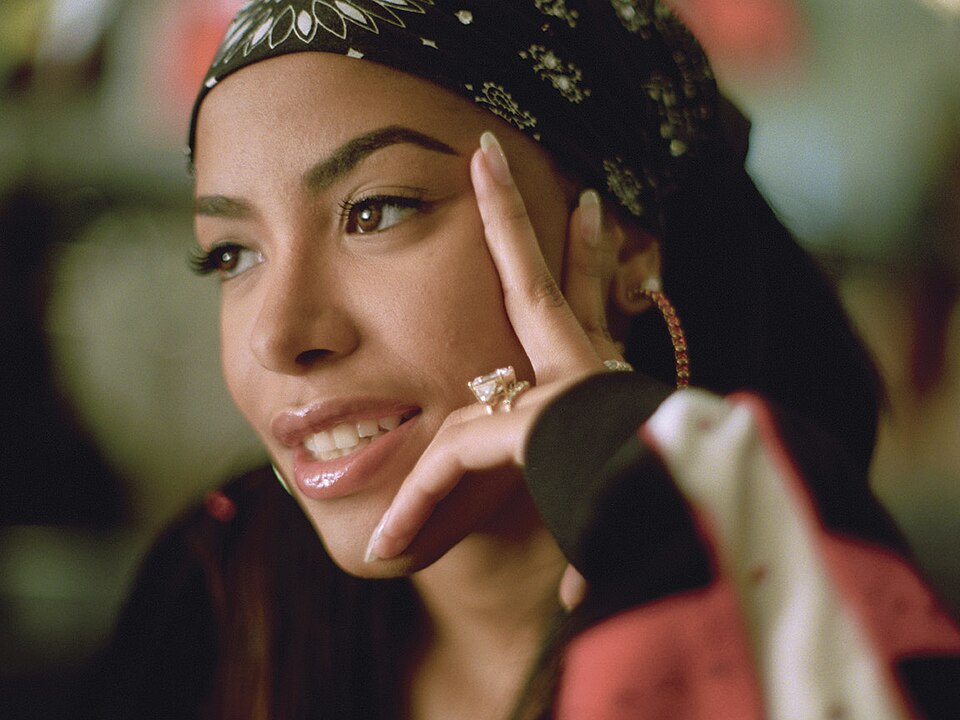
Instead, it sharpened the point that celebrity casting can become a referendum on who is seen as interchangeable and who is not. Zendaya later spoke openly about colorism and the responsibility that comes with being a light-skinned Black woman in the industry, which gave the debate a more reflective second chapter.
3. Drake and the authenticity attacks in hip-hop
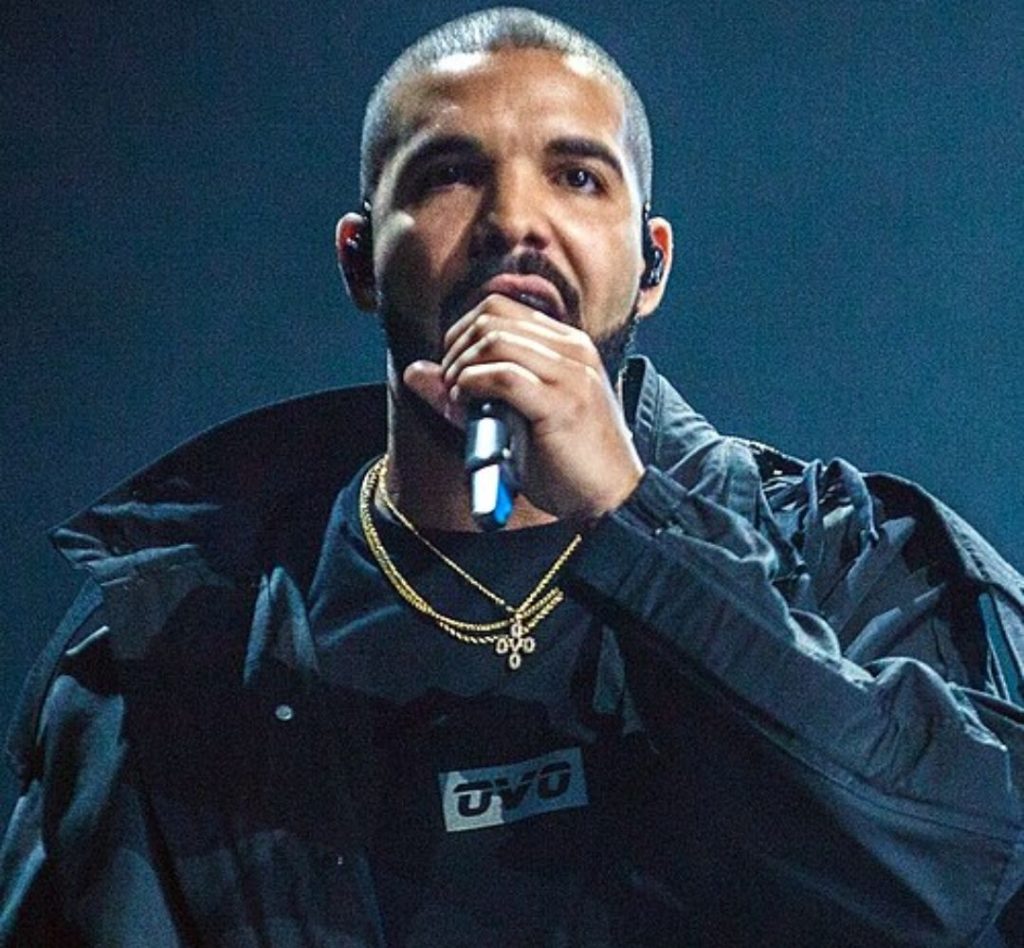
Drake has spent years facing claims that his upbringing, nationality, and career beginnings make him less authentic than other rap stars. The criticism intensified during rap feuds, where identity became part of the argument instead of staying focused on music. That shift showed how quickly hip-hop disputes can turn into public tests of belonging. One lyric from the recent feud cycle asked, “How many more Black features ‘til you finally feel that you’re Black enough?” The line pulled a long-running tension into the center of pop culture, especially as skin tone and cultural gatekeeping resurfaced in mainstream rap discourse. Drake’s career has remained massive, but the questions around identity never fully left the conversation.
4. Raven-Symoné and the label she refused
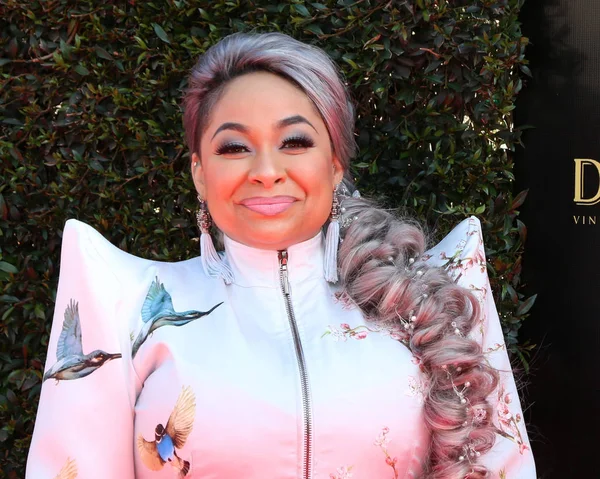
Raven-Symoné triggered a fierce public response when she told Oprah Winfrey that she did not want to be labeled African American and preferred to identify simply as American. For many viewers, the comment sounded like a rejection of heritage rather than a personal preference about labels. That is why the reaction lasted. Her comments touched a nerve around whether public figures are free to define themselves on their own terms when race shapes how the world treats them anyway. Even after clarifications, the moment stayed attached to her public image because it captured the clash between individual identity and communal expectation in unusually direct language.
5. Stacey Dash and the backlash to rejecting Black institutions
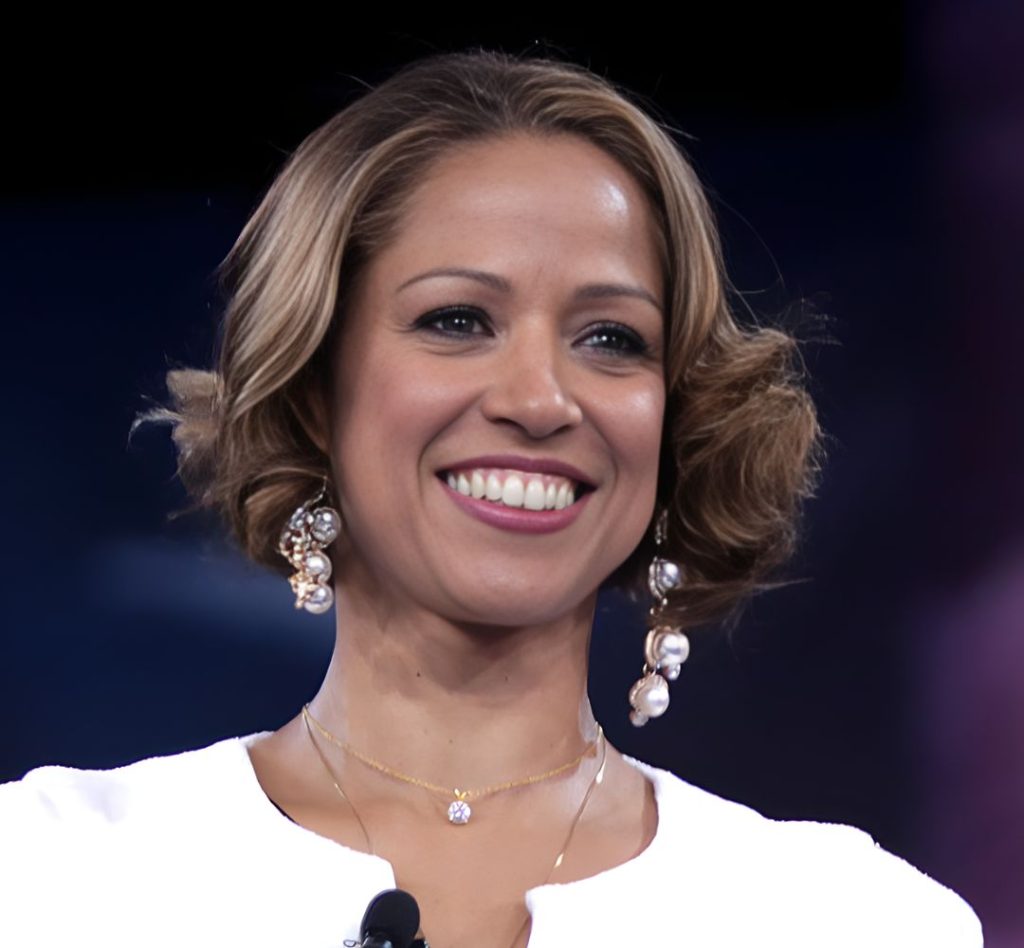
Stacey Dash moved beyond identity debate and into outright cultural rupture when she criticized Black History Month and BET. Those remarks were widely read as dismissing spaces created to celebrate Black achievement in a media landscape that has often ignored it. Her comments also showed that “not Black enough” accusations are not always about skin tone. Sometimes they are triggered by public positions that many people interpret as contempt for community traditions, institutions, or struggles. Dash became a lasting example of how fast a celebrity can become a symbol of ideological betrayal.
6. Tiger Woods and the “Cablinasian” argument
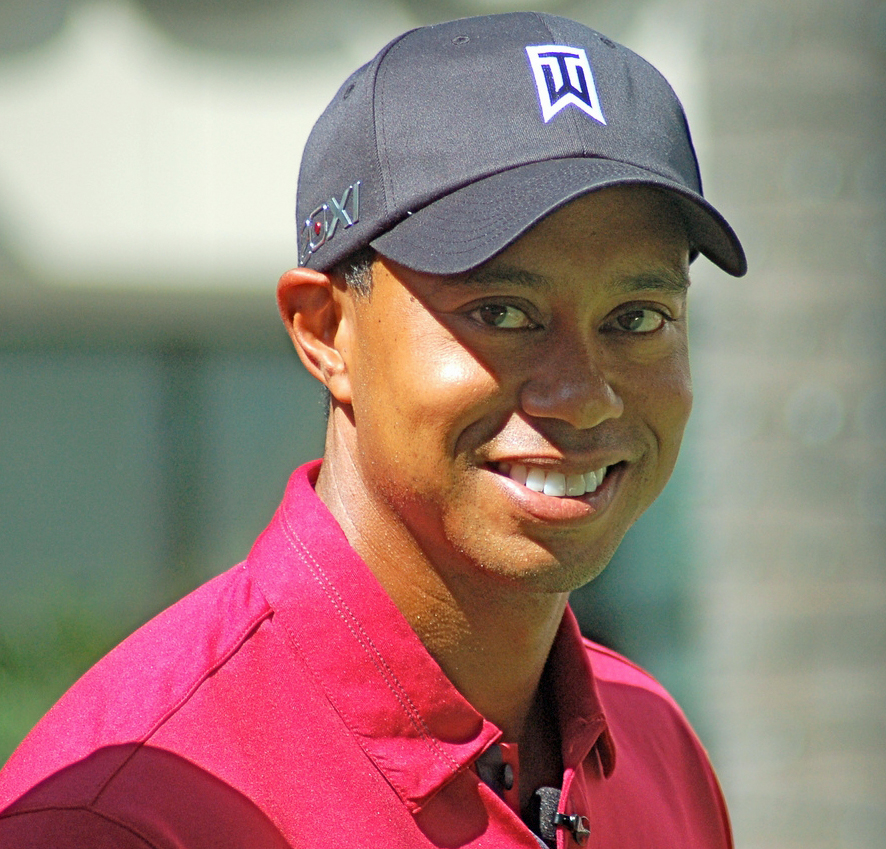
Tiger Woods introduced his own label, “Cablinasian,” to describe his mixed heritage, combining his Caucasian, Black, Native American, and Asian background. The term was meant to reflect the full reality of his family history, but it also generated criticism from people who believed he was stepping away from a Black identity the public already projected onto him. This debate mattered because it exposed a familiar tension for multiracial celebrities: self-definition rarely ends public debate. It often starts one. Woods’ choice highlighted how race can feel fixed to the audience even when the person living it describes a more layered reality.
7. Cardi B and the Afro-Latina identity fight
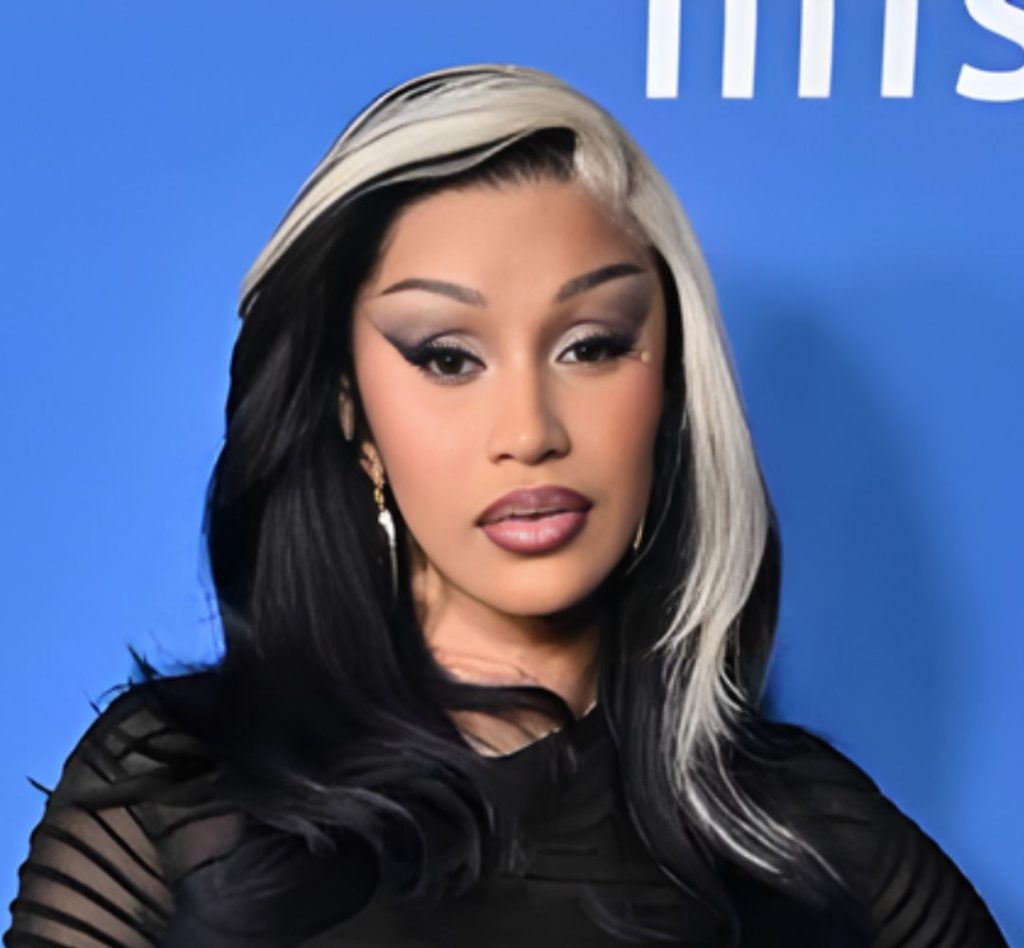
Cardi B has repeatedly had to explain that her Dominican and Trinidadian roots do not cancel out her Blackness. That debate revealed how often people flatten Caribbean identity, even though African diaspora history across the region is inseparable from conversations about race. Her responses helped push a broader public lesson. Black identity is not limited to one accent, one nationality, or one American frame of reference. The argument around Cardi B became less about celebrity gossip and more about how often Afro-Latino identity gets challenged by people who misunderstand the history.
8. Daniel Kaluuya and the transatlantic casting tension
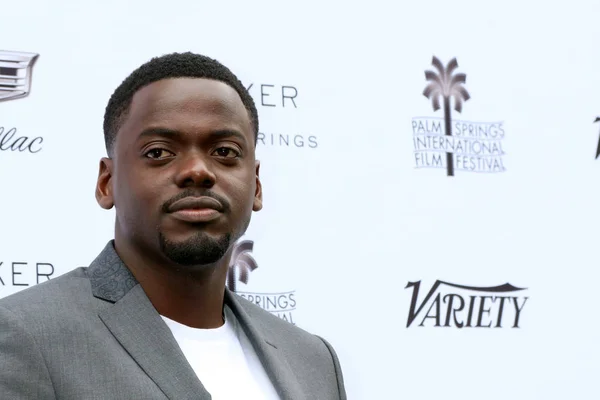
When Daniel Kaluuya’s role in Get Out drew comments suggesting an African American actor might have brought a different perspective, it reopened a recurring argument about British Black actors in American stories. Kaluuya answered by pointing to his own experiences with racism in the United Kingdom, making clear that Black life is not confined to one national script. That exchange lasted because it raised a real industry question without producing an easy answer. Audiences care about cultural specificity, but they also know that Black experiences across the diaspora share patterns of exclusion, surveillance, and prejudice. Kaluuya’s response helped move the debate from gatekeeping toward a broader view of what Black storytelling can include.
9. Cynthia Erivo and the Harriet Tubman controversy
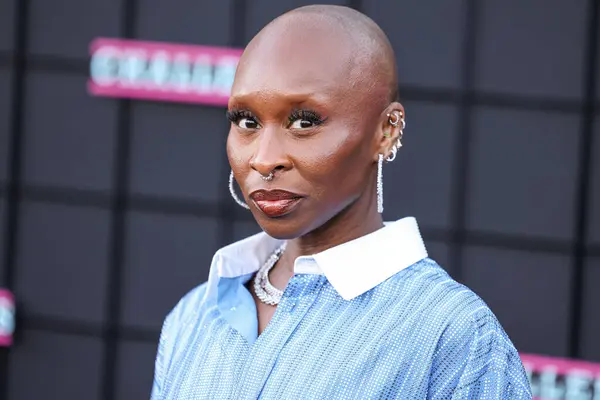
Cynthia Erivo’s casting as Harriet Tubman brought a related disagreement into sharper focus. Some critics argued that such a foundational American figure should have been portrayed by an American descendant of enslaved people, not a British actress. The reaction showed how historical roles can become lightning rods for questions about ownership, ancestry, and emotional proximity. Erivo defended her preparation and respect for the role, while the public conversation expanded into a larger disagreement over whether shared Blackness across the diaspora is enough when a story is tied to a specific national trauma.
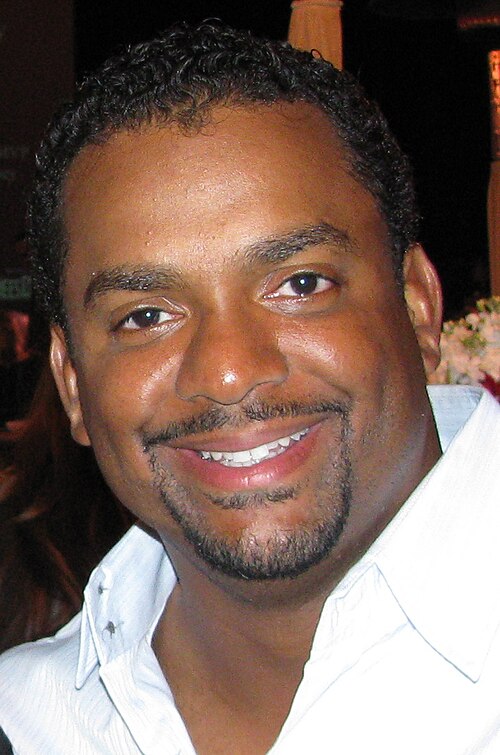
10. Alfonso Ribeiro and the “Carlton” effect
Alfonso Ribeiro’s situation was different because the accusation followed a character, then bled into real life. Carlton Banks became a pop culture shorthand for a certain kind of Blackness that gets mocked as sheltered, preppy, or disconnected from what some people view as authentic. That made Ribeiro’s case especially revealing. A fictional role was strong enough to shape how audiences read the actor himself, proving that identity stereotypes do not only come from headlines and interviews. They also come from beloved TV characters that flatten entire categories of Black experience into a joke.
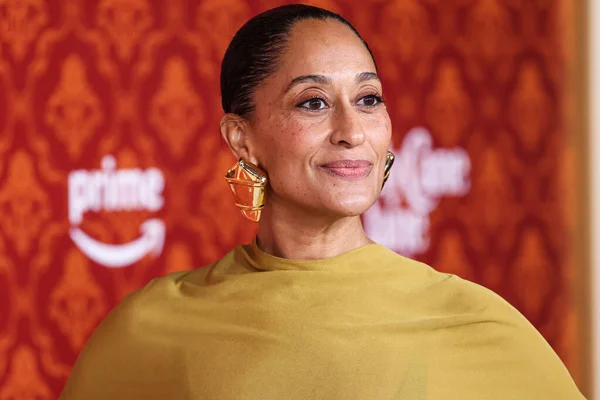
11. Tracee Ellis Ross and the myth of one valid Black experience
Tracee Ellis Ross has long faced questions tied to class, image, and upbringing. As the daughter of Diana Ross and a star associated with fashion and polished comedy, she has sometimes been treated as too elite or too distant from a “real” Black experience. Her career has quietly challenged that framework. By building roles that center humor, family, vulnerability, and success, she has shown how narrow the public script can be when people expect Blackness to look, sound, or struggle in only one recognizable way. That is the common thread running through nearly all of these celebrity fights.
Public arguments over who is “Black enough” often appear to be about individual stars, but the pattern is much bigger than any one name. The same debate keeps resurfacing through casting choices, music careers, mixed heritage, class signals, and political language because the standard being enforced is never truly fixed. What these celebrity clashes ultimately expose is a deeper discomfort with complexity. Colorism still shapes opportunity and perception in media, while multiracial and diaspora identities keep challenging old assumptions about who gets to represent whom. The result is a cycle where fame makes personal identity public property, and the audience keeps trying to turn a vast Black experience into a single accepted version.

