
Hollywood partnerships are built on chemistry, contracts, and trust. When any one of those breaks down, the fallout can move far beyond a difficult set or a tense press tour. Some disputes centered on reputation. Others grew out of money, ownership, privacy, or the blurred line between personal and professional relationships. These cases show how quickly a shared credit can turn into a legal fight with lasting consequences for careers, public image, and the projects tied to both stars.
1. Johnny Depp and Amber Heard
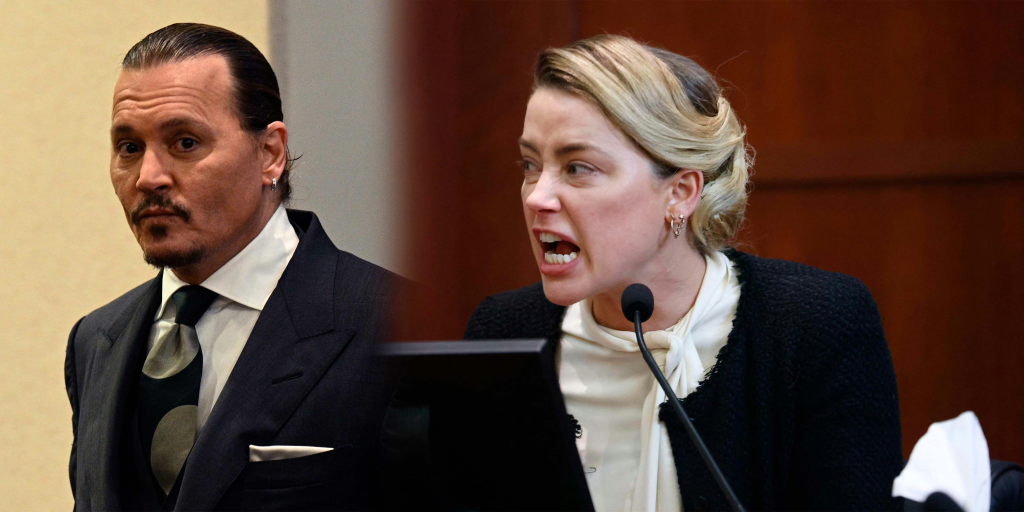
One of the most widely followed co-star legal battles began after the former spouses, who appeared together in The Rum Diary, ended up in a defamation case tied to an op-ed Heard wrote about surviving abuse. Depp argued that the piece damaged his reputation and cost him major work. The Virginia trial became a global media spectacle, and the jury awarded Depp compensatory and punitive damages while also granting Heard damages on one of her counterclaims. The dispute became larger than one film or one marriage. It showed how celebrity litigation can reshape public narratives in real time, especially when claims about private relationships collide with career consequences.
2. Brad Pitt and Angelina Jolie
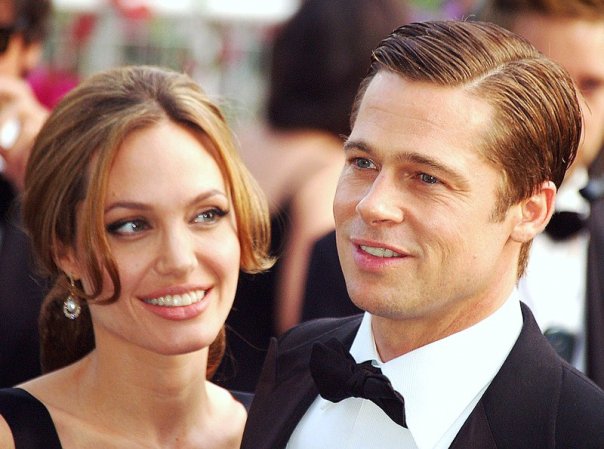
Brad Pitt’s legal conflict with Angelina Jolie moved attention away from their screen history in Mr. & Mrs. Smith and toward a business empire they built together. The dispute focused on their French winery and whether Jolie’s sale of her stake violated an agreement requiring mutual consent. What made the case especially notable was its scale. It was not simply a post-divorce disagreement but a fight over control, business governance, and a property deeply associated with their public image as a couple.
3. James Woods and Sean Young
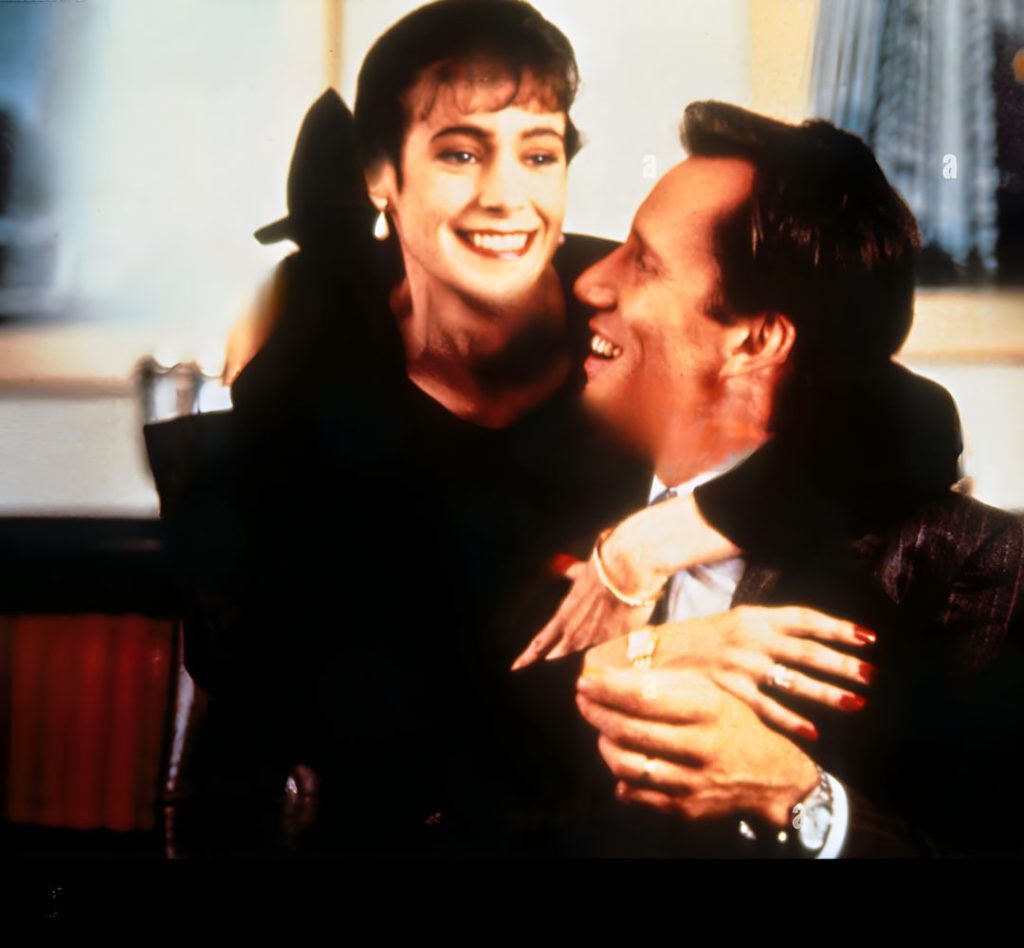
James Woods sued his The Boost co-star Sean Young in the late 1980s, alleging harassment and stalking after their professional relationship deteriorated. The accusations drew intense coverage because they involved claims that extended well beyond ordinary workplace tension. The case eventually settled out of court, but it has remained one of the clearest examples of how on-set connections can turn into deeply personal legal disputes once a production wraps.
4. Tom Arnold and Roseanne Barr
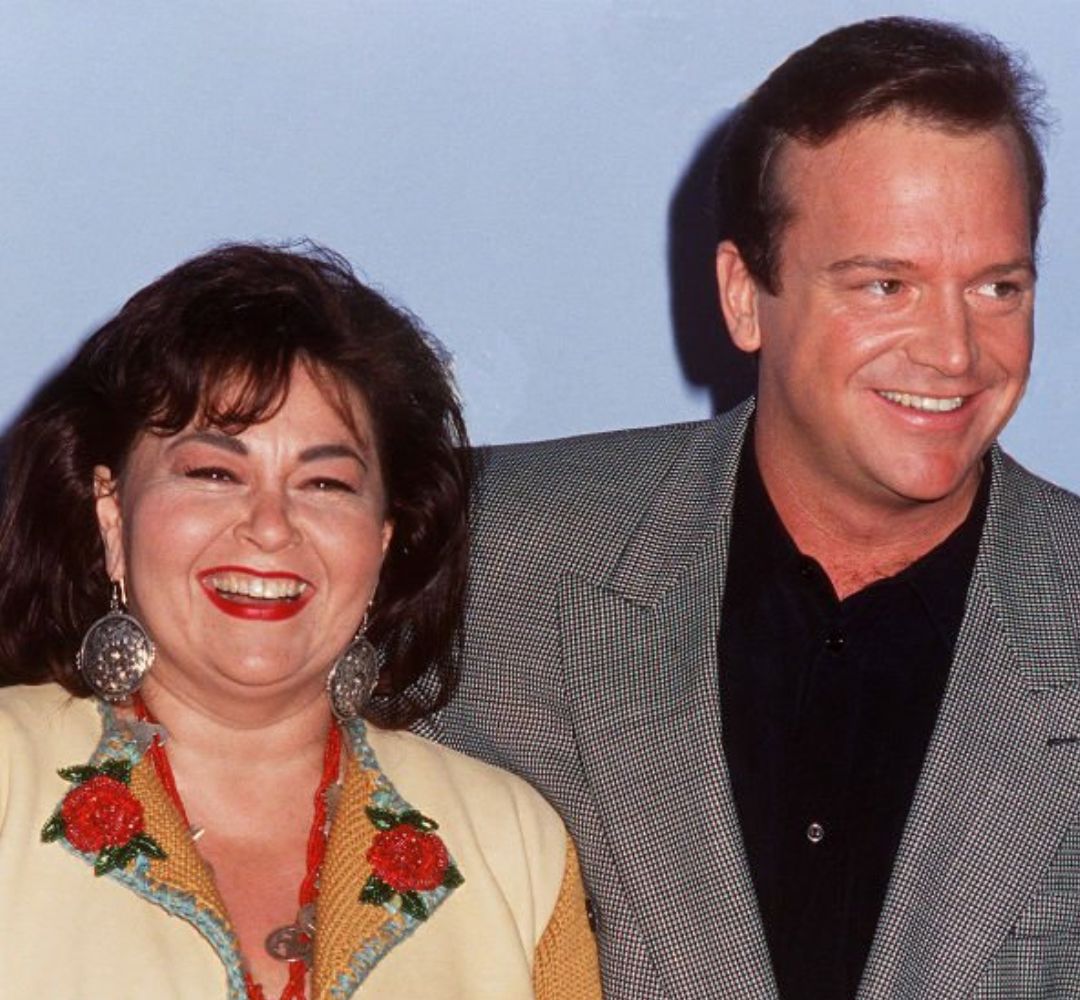
After the end of both their marriage and their television partnership, Tom Arnold sued his Roseanne co-star Roseanne Barr over financial claims connected to work they built together. He argued that his contributions to her production ventures entitled him to a share of profits. The case reflected a recurring Hollywood problem: when creative collaboration overlaps with marriage, separating business value from personal history can become its own courtroom fight.
5. Sean Penn and Lee Daniels
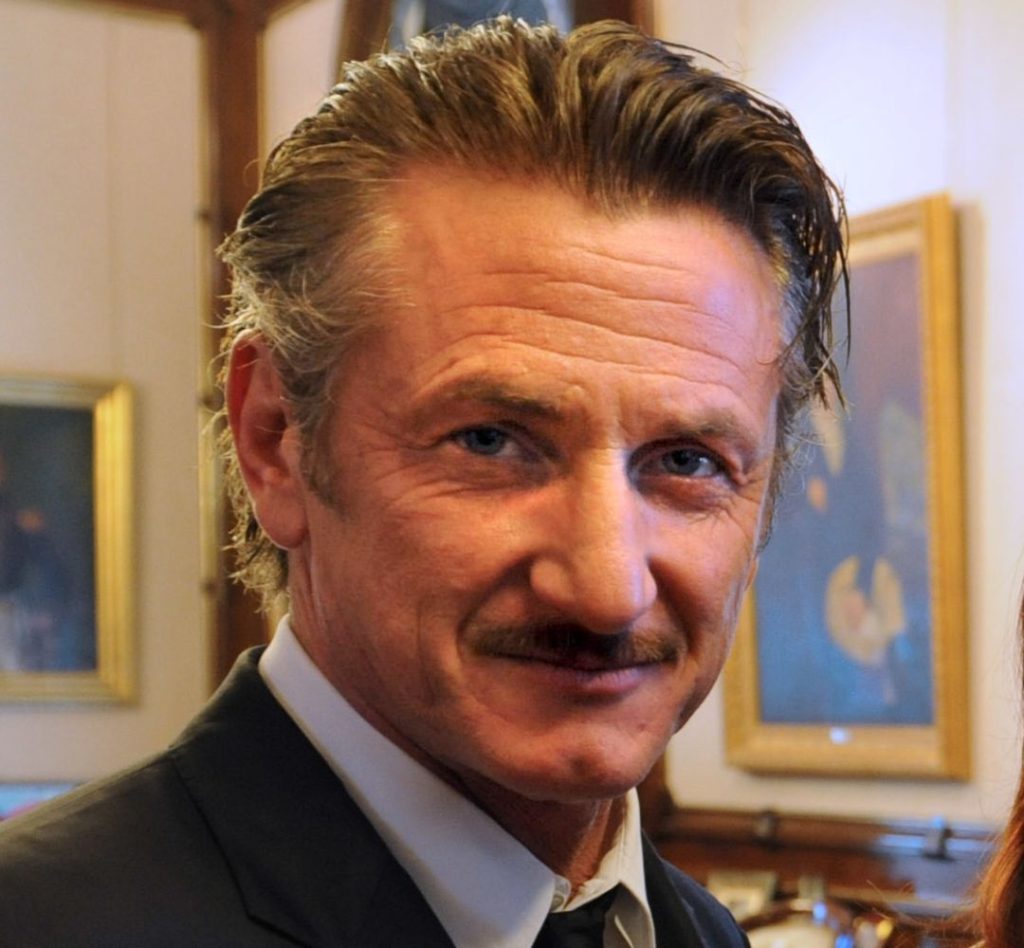
Not every co-star lawsuit began with a romance or a divorce. Sean Penn sued Empire creator and actor Lee Daniels for defamation after Daniels made public comments comparing Penn to men accused of domestic violence. Penn argued the statements were false and harmful to his professional standing.
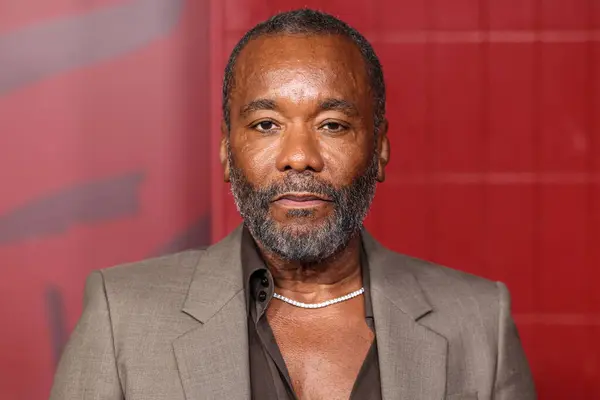
The matter was later settled after Daniels issued a public apology and made a charitable donation. The dispute underscored a simple rule in entertainment: comments made in public can trigger legal exposure when they cross into claims that damage a peer’s reputation.

6. Kevin Costner and Stephen Baldwin
Kevin Costner and Stephen Baldwin ended up in court over a business venture linked to oil spill cleanup technology. Their dispute was unusual because it connected two recognizable actors through an investment conflict rather than a film set feud. Baldwin alleged he had been misled and cut out of a lucrative deal, while Costner defended the transaction. At trial, a jury ruled in Costner’s favor, closing one of the more unusual courtroom clashes between well-known Hollywood men.
7. Jean-Claude Van Damme and Frank Dux
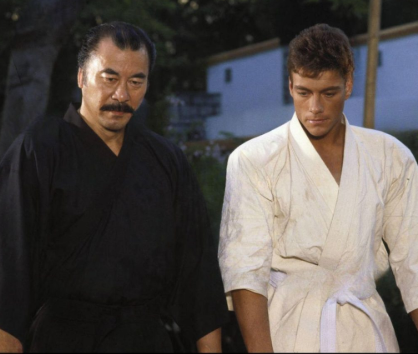
Jean-Claude Van Damme was sued by Frank Dux, a fight choreographer and co-star tied to The Quest, over claims involving story ownership and profit participation. Dux argued he had co-written the project and deserved compensation. The trial stood out because it mixed martial arts mythology, authorship claims, and entertainment contract questions in one dispute. Van Damme denied any enforceable agreement, and the jury sided with him.
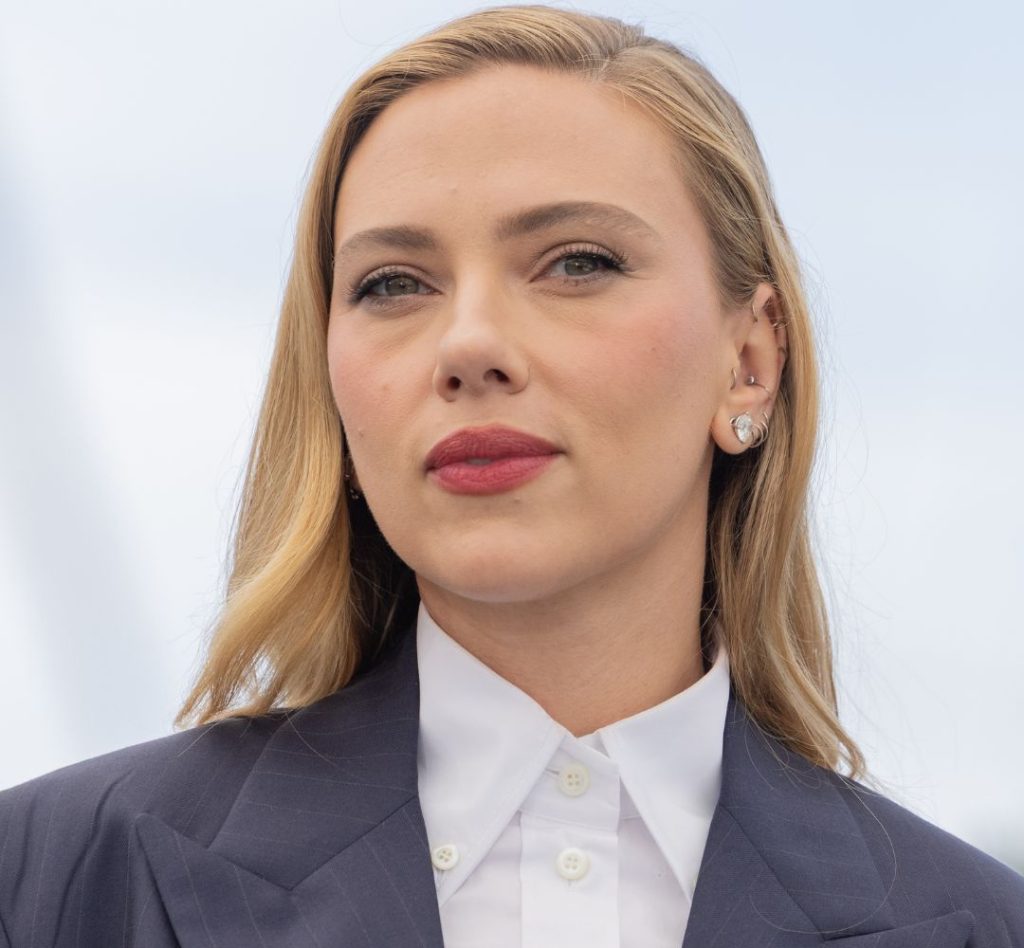
8. Scarlett Johansson and Disney
Scarlett Johansson’s lawsuit over Black Widow was not aimed at a co-star, but it became one of the clearest modern examples of how disputes around a film release can alter relationships inside a franchise. Johansson claimed Disney breached her contract by shifting the movie toward a simultaneous streaming and theatrical release, arguing it reduced her box-office-based compensation. The case was settled, and Disney agreed to resolve the suit after a high-profile contract fight. Its broader significance reached beyond one actress: it became a warning about how streaming strategies can trigger legal battles when old compensation models no longer match new distribution plans.
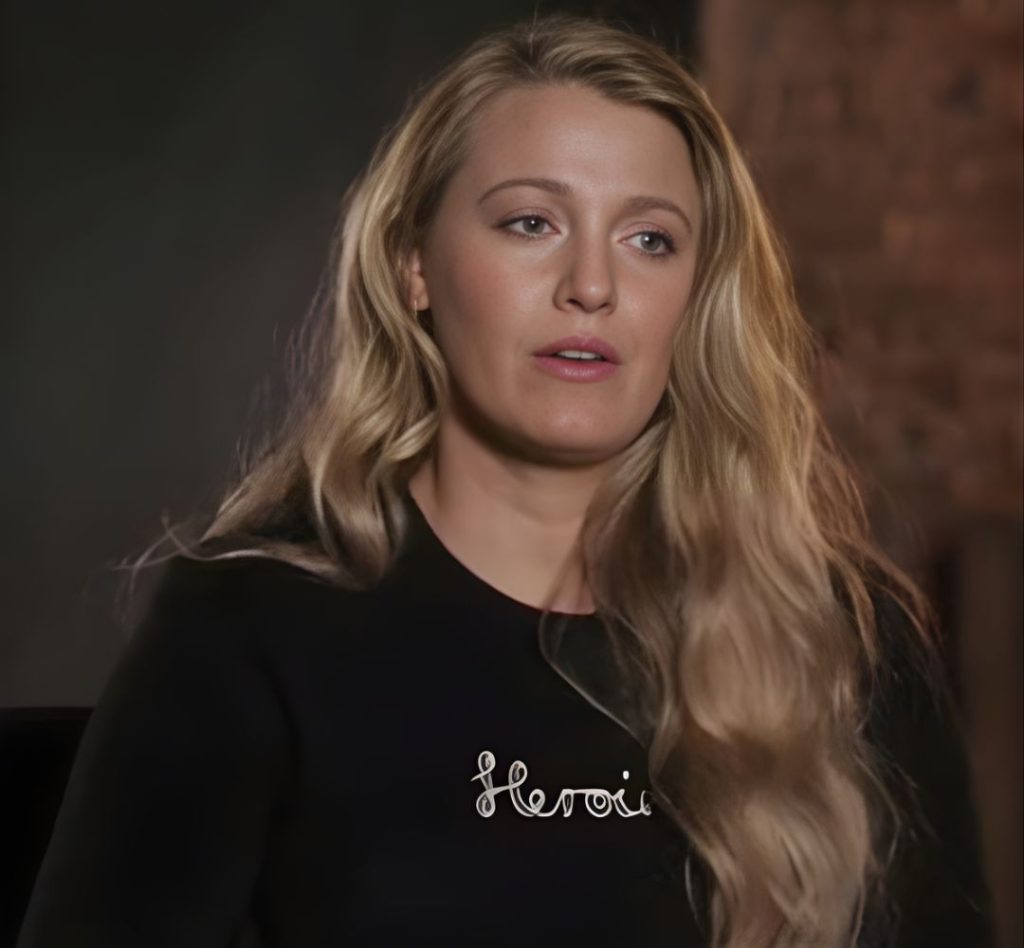
9. Blake Lively and Justin Baldoni
A newer example arrived with the legal conflict surrounding It Ends With Us. According to a 2024 civil rights complaint filed in California, Blake Lively accused co-star and director Justin Baldoni and others of inappropriate behavior and fostering a hostile workplace. The dispute quickly expanded into overlapping claims about reputation, media strategy, and defamation. Baldoni denied the allegations and filed separate legal claims, including a lawsuit against
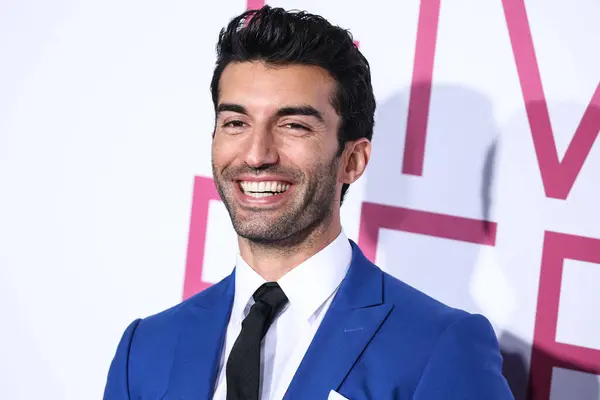
The New York Times and later a broader action against Lively, Ryan Reynolds, and others. The case illustrates how modern celebrity litigation can unfold across courts, press coverage, leaked communications, and social media all at once.

10. Olivia Hussey and Leonard Whiting vs. Paramount
Some of Hollywood’s most serious legal disputes emerge decades after filming ends. The stars of 1968’s Romeo and Juliet, Olivia Hussey and Leonard Whiting, sued Paramount over scenes they say involved nudity filmed when they were minors. The case drew attention because it reframed a classic film through a modern lens of consent, youth protection, and long-term emotional harm. Their attorney said, “bare images of minors are unlawful and shouldn’t be exhibited.” That line captured why the lawsuit resonated far beyond film history.
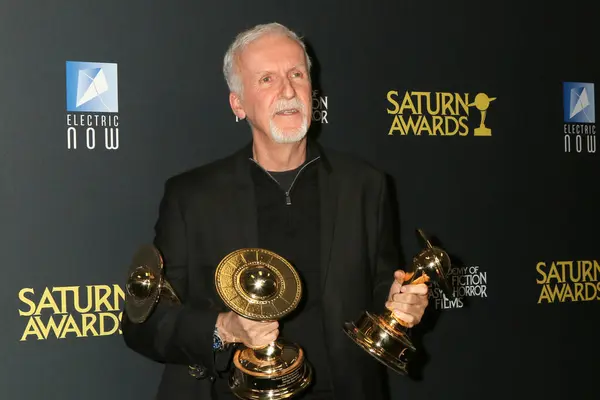
11. James Cameron and the “Avatar” design fight
Not every Hollywood lawsuit is about behavior on set. Some turn on creative ownership. Years after Avatar became a box-office giant, artist Roger William Dean sued James Cameron and 20th Century Fox, alleging visual elements of Pandora and its creatures copied his artwork. The court rejected the claims, with a federal judge ruling for Cameron and the studio. Even outside direct co-star conflict, the case highlighted a constant pressure point in entertainment: success attracts scrutiny over who truly owns the ideas audiences remember most.
These legal battles had different triggers, but the pattern is familiar. Shared projects often combine money, image, authorship, and closeness in ways few workplaces ever do. Once that mix breaks down, the courtroom becomes another stage. In Hollywood, the credits may roll long before the dispute does.

