
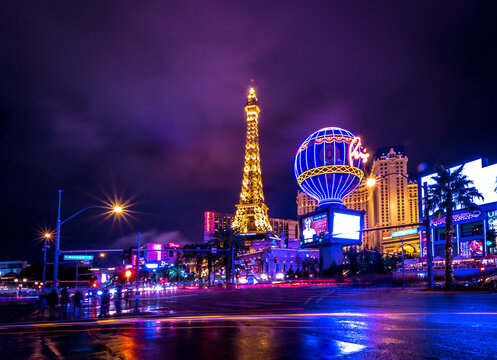
Las Vegas has long depended on a simple promise: visitors could spend big if they wanted to, but they could also find value. That balance has become harder to see. In 2025, the city recorded a 7.5% annual drop in visitation, its steepest non-pandemic decline in decades. Price fatigue sits at the center of the conversation. Travelers, analysts, and tourism officials have pointed to a mix of hotel add-ons, high food-and-drink costs, and a growing sense that the city no longer feels like a deal.

1. Hotel bills no longer look like the advertised room rate
One of the biggest sources of frustration is not the room itself, but what appears after booking. Resort fees remain standard across much of the Strip, and they can rival or exceed the nightly rate during slower periods. A long-running complaint about Las Vegas is that the headline price often fails to reflect the real cost of staying there.
The irritation is not new. Resort fees began appearing in Las Vegas in 2004 and spread across major operators over the following years. What started as a smaller add-on has grown into a regular part of the hotel bill, with some premium properties reaching $55 resort fees before taxes.

2. Everyday basics have become part of the sticker shock
Visitors are not only reacting to suite rates or celebrity-chef dinners. They are reacting to coffee, bottled water, and breakfast. In one traveler account, hotel coffee was described as far costlier than street options, reinforcing the idea that ordinary purchases now carry premium pricing almost everywhere on resort property.
A tour guide summed up the mood to Reuters with a blunt line: “Ten bucks for a bottle of water. People don’t see a deal anymore.” That sense of overpaying for the smallest items can shape the tone of an entire trip.

3. Extra fees now show up across dining, not just lodging
Travelers are also encountering layered charges once they sit down to eat or order room service. Reports have described receipts with multiple mandatory line items, including service charges, gratuities, and added tip percentages appearing together on a single bill. Even when disclosure exists, the combined effect can leave diners feeling as if the final total bears little resemblance to the menu price. That matters because Las Vegas relies on impulse spending. When visitors start reading every receipt carefully, the carefree part of the trip tends to disappear.

4. The city’s old value image has weakened
Las Vegas built its modern tourism identity on contrast. It offered luxury imagery with at least some accessible pricing underneath. That formula has been strained by rising nightly fees, paid parking, expensive convenience items, and reduced tolerance for surprise charges. Analysts quoted in reference coverage argued that many travelers now question whether the experience still matches the cost. Some of the strongest language has come from repeat visitors, which is especially notable in a destination that depends on return trips.

5. Repeat visitors are sounding more discouraged than dazzled
Several traveler comments in the reference material came from people who had visited multiple times over the years. Their complaint was not that Las Vegas had become expensive in an abstract sense, but that it had changed. One visitor told Fox News Digital, “[Vegas] has changed immensely price-wise. It’s a little crazy.” That kind of reaction is more consequential than one bad review. Repeat guests form habits, and habit is one of Las Vegas’ most valuable tourism assets.

6. Leisure travelers appear to be the ones pulling back
Convention business has remained relatively resilient, but leisure travel has been a weaker spot. That distinction matters because vacationers are often more flexible than business travelers. When a weekend in Las Vegas starts to look overpriced, they can redirect that budget elsewhere with very little friction.
Andrew Woods of the University of Nevada told Reuters, “I think this is more of a microcosm of where the American consumer is than necessarily telling us where the American economy is going.” His broader point was that budget-conscious travelers are making more selective choices.
7. Airport and airline data suggest demand is softer
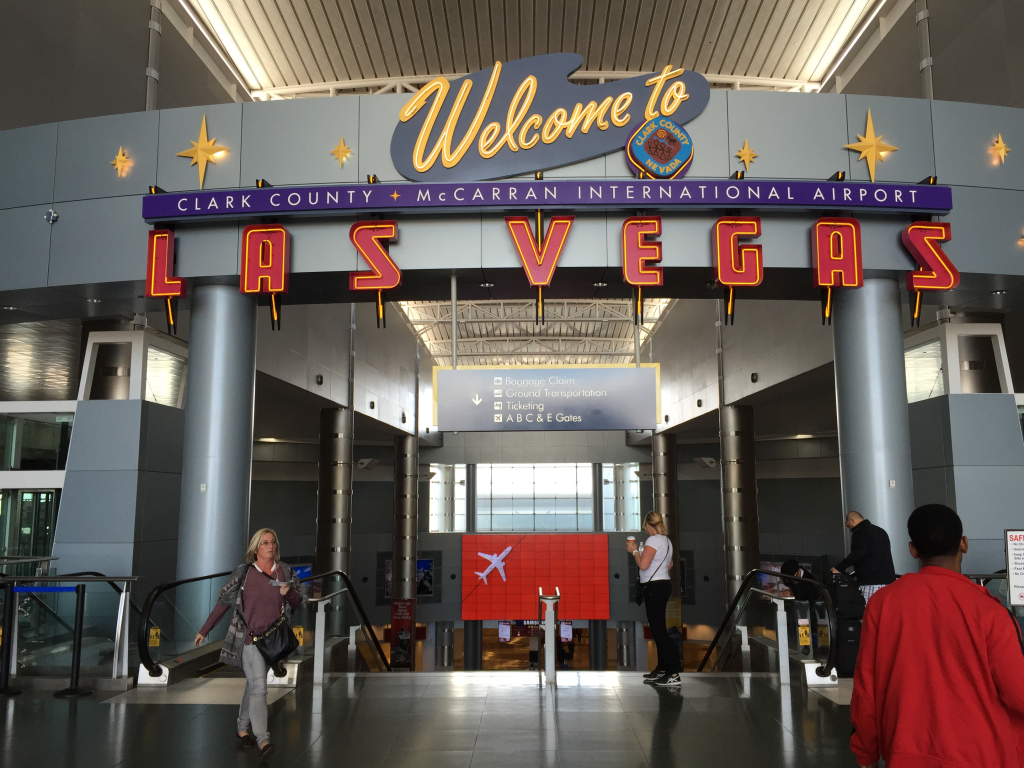
Tourism slowdowns show up beyond casino floors. Harry Reid International Airport saw a 6% drop in passenger traffic last year, while carriers trimmed seats into the market for early 2026. Fewer visitors and reduced air capacity reinforce each other, making it harder for the city to regain momentum quickly. Las Vegas still has peak periods, but the softer stretches appear more visible.
8. Canadian travelers have pulled back sharply
International softness has added to the pressure, especially from Canada, historically one of Las Vegas’ most important overseas markets. Multiple reports described a steep decline in Canadian travel to the United States, and Las Vegas officials publicly acknowledged the change. That matters because a destination can absorb some domestic hesitation if international demand stays strong. When both weaken at once, price concerns become even more exposed.
9. The city is facing more competition for discretionary trips
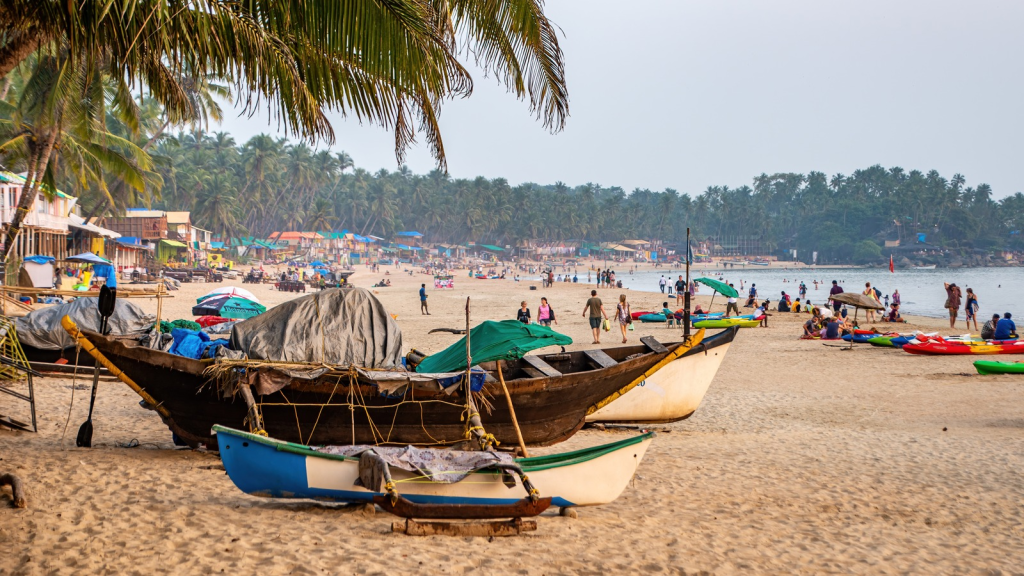
Las Vegas is no longer competing only with other casino destinations. Travelers now compare it with beach trips, music cities, quick international getaways, and short domestic escapes that may feel more straightforward on price. If another destination offers fewer fees and less bill anxiety, the comparison becomes easier for consumers to make. The issue is not just total cost. It is clarity.

10. Hidden-fee fatigue damages goodwill over time
Even when fees are disclosed before checkout, they can still erode trust. Consumer frustration around “drip pricing” has grown because travelers often feel they are being asked to calculate the true cost of a stay themselves. Research and industry commentary cited in the reference material suggest that secondary charges such as resort fees, parking fees, and service add-ons are among the most common complaints attached to Las Vegas hotel experiences. Goodwill is harder to measure than occupancy, but it often shows up later in whether people return.
11. The drop is visible in hotel and casino performance
The tourism slowdown is not just anecdotal. Hotel occupancy, average daily rates, and revenue per available room all fell in 2025, according to convention authority data. Reuters also noted weaker Las Vegas results for major operators, including a reported profit decline at Caesars. When visitor frustration starts aligning with softer business metrics, the complaint moves from online chatter into industry reality.

12. Las Vegas is now confronting a perception problem
The city still offers headline entertainment, major conventions, and iconic attractions. But it is also contending with a growing image that it has become a destination where visitors pay premium rates for basic convenience. That perception can spread faster than formal tourism campaigns can correct it, especially when small purchases become memorable for the wrong reasons.
Las Vegas remains one of the country’s best-known travel brands. The challenge is that brand recognition no longer guarantees that travelers feel they are getting value. The sharpest issue running through the recent coverage is not luxury spending itself. Las Vegas has always sold extravagance. The tension comes from the disappearance of the lower-stakes version of the trip, where a traveler could absorb a splurge because the rest of the visit still felt manageable.
Once coffee, parking, room fees, and routine meals start feeling like negotiations, the city’s appeal changes. That shift helps explain why fewer travelers are showing up, and why the debate around Las Vegas now centers less on spectacle than on the bill.

