
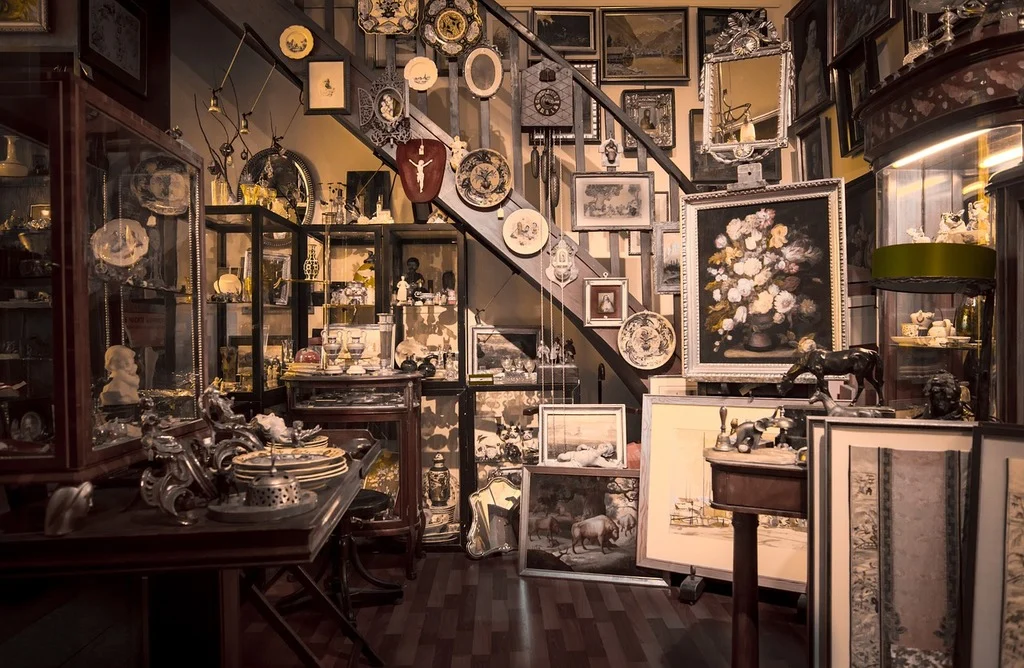
Some antiques announce themselves with carved legs, tall cases, or gleaming frames. Others fit in a palm, disappear into a drawer, and still carry the kind of workmanship that makes seasoned collectors pause. That contrast helps explain why small objects remain so compelling.
They were made to be handled, worn, clipped, or set within arm’s reach, and many now appeal to people drawn to tactile routines and analog lifestyle trends. In the right category, size does not shrink significance. It concentrates it.
1. Fishing license badges
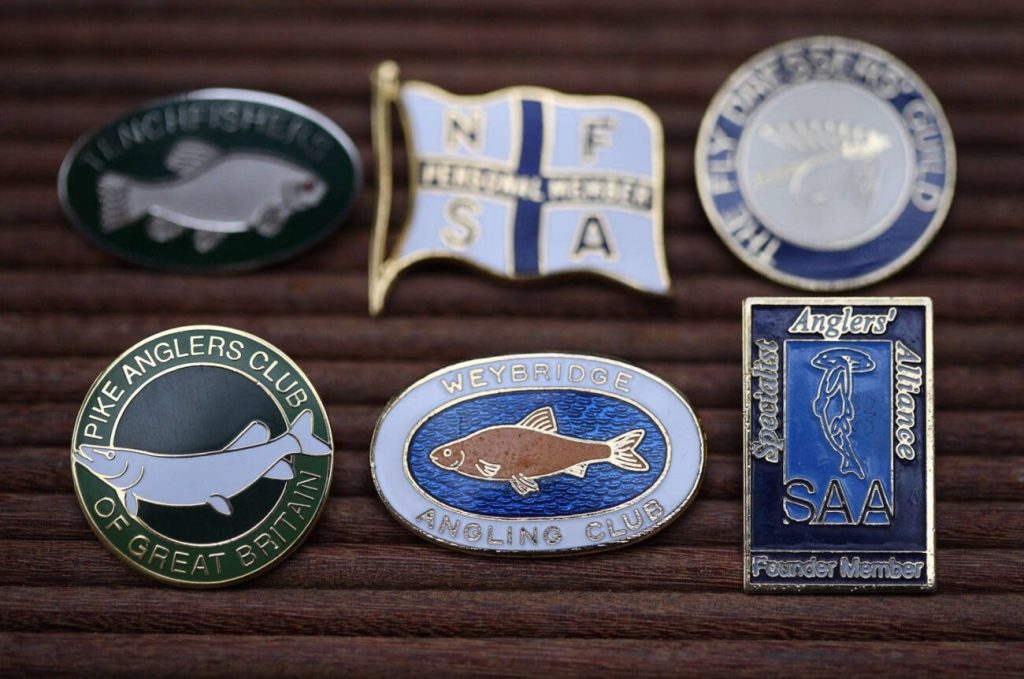
Early 20th-century fishing licenses were often made as sturdy, visible badges rather than paper slips meant for a file. That practical beginning is part of their appeal now: they were exposed to weather, clothing friction, and frequent use, so examples that survive with crisp lettering, bright enamel, and intact fasteners stand out quickly.
Collectors tend to look closely at region, legibility, and completeness. Pennsylvania and other Eastern Seaboard badges appear regularly enough to be recognizable, while scarcer Southern issues draw stronger attention when condition is sharp. Even in a very small object, weak color and bent hardware are easy to spot, which makes well-preserved pieces feel notably rarer than their size suggests.
2. Sewing birds and sewing clamps
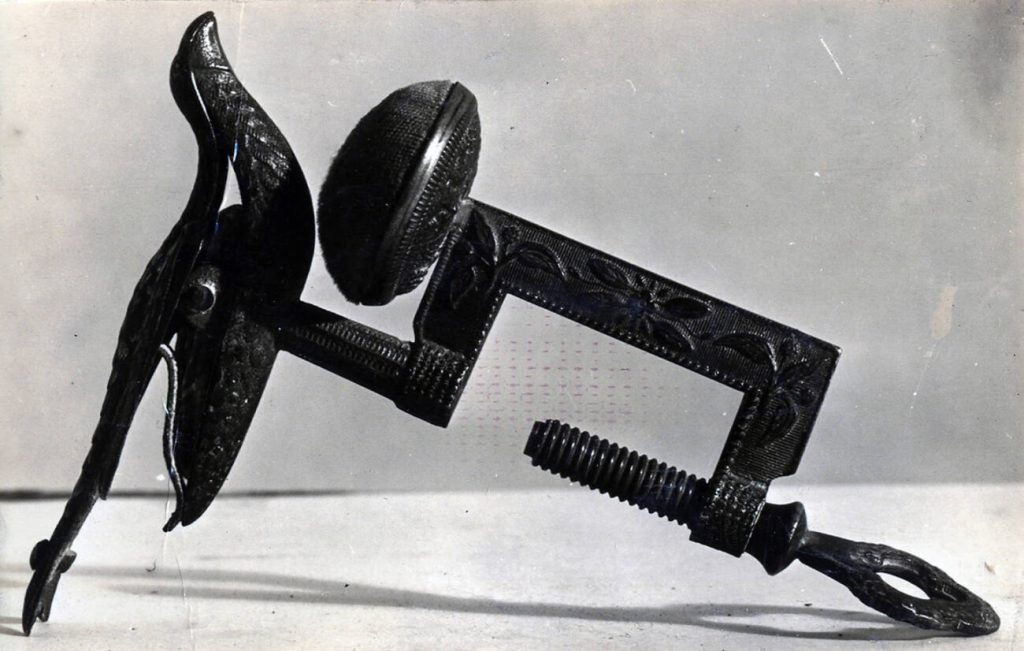
The sewing bird is one of the clearest examples of an antique that feels both ingenious and intimate. Designed to clamp onto a table and grip fabric while someone sewed, it served as a mechanical extra hand long before that phrase became common shorthand for a useful tool. In the United States, Charles Waterman of Connecticut held the 1853 patent tied to the form, and makers soon turned a functional device into something unexpectedly expressive.
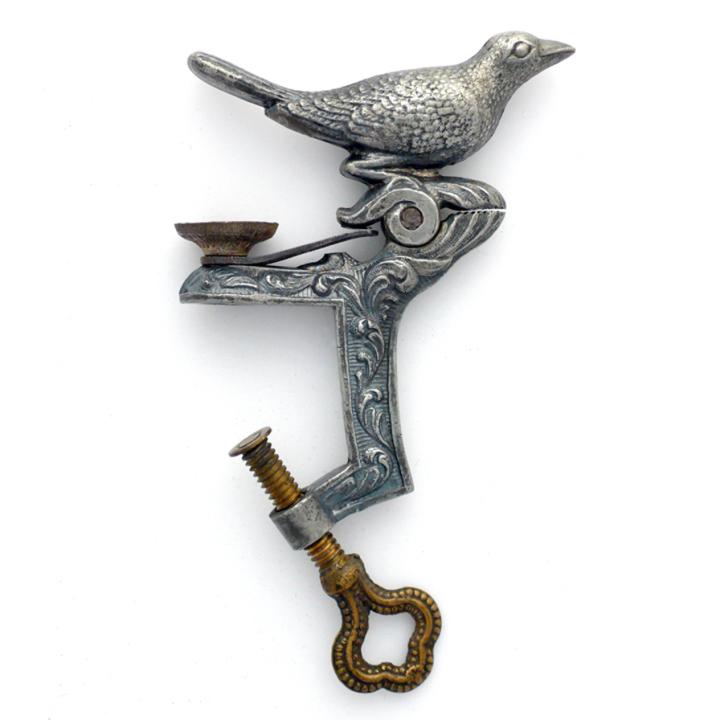
Birds became the best-known version, but clamps also appeared as animals, figures, and ornamental forms that made them suitable as wedding or engagement gifts in the 19th century. Their appeal now comes from that double identity: household implement and decorative sculpture in one compact piece. Cushions, attachments, and unbroken clamp mechanisms all matter.
3. Perpetual desk calendars
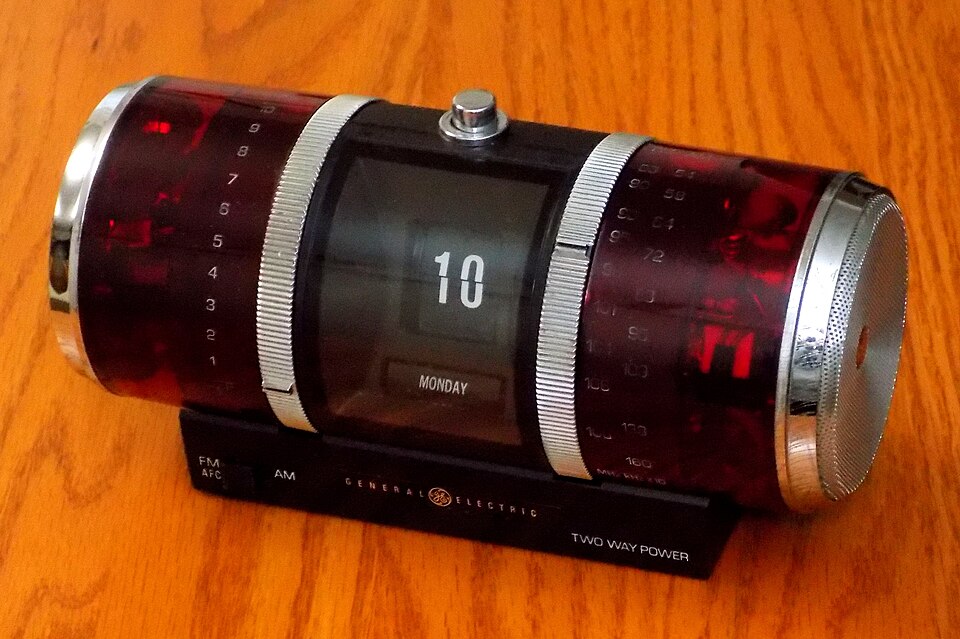
Perpetual calendars bring a quiet kind of charm to a desk. They are interactive without being noisy, decorative without losing purpose, and their daily use depends on touch rather than batteries or screens. Manual desktop versions became especially popular in the early 1900s, and many remain easy to recognize by their brass bodies, rotating knobs, or small framed windows.
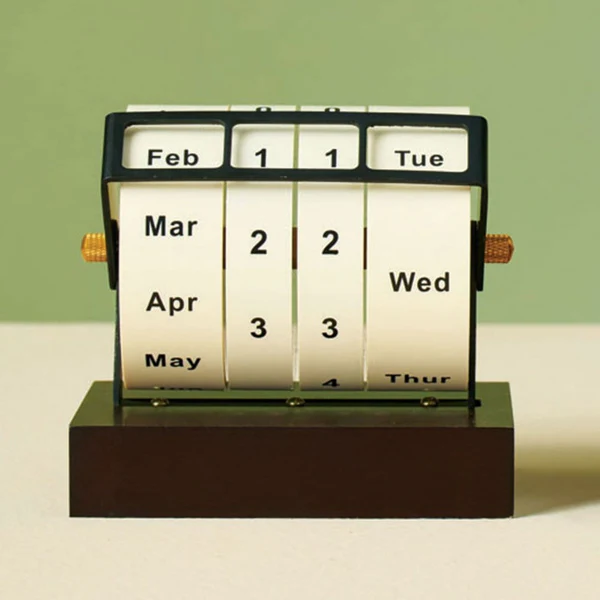
The best examples reward close inspection. A smooth mechanism, complete date elements, and a design that still reads clearly from across a room can lift a simple office accessory into something more enduring. Edwardian wooden versions and midcentury brass designs attract different buyers, but both benefit from the same trait: visible ingenuity packed into a compact object.
4. Miniature duck decoys
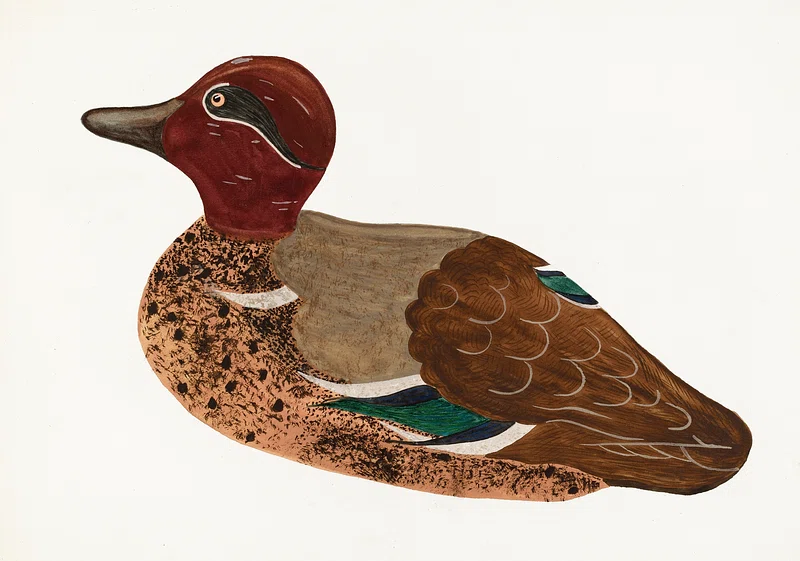
Miniature duck decoys compress the language of American folk carving into something shelf-sized. Often measuring five inches or less, they still ask to be judged like larger decoys: proportion, paint, stance, carving confidence, and the sense that the maker understood the bird rather than merely copied its outline.
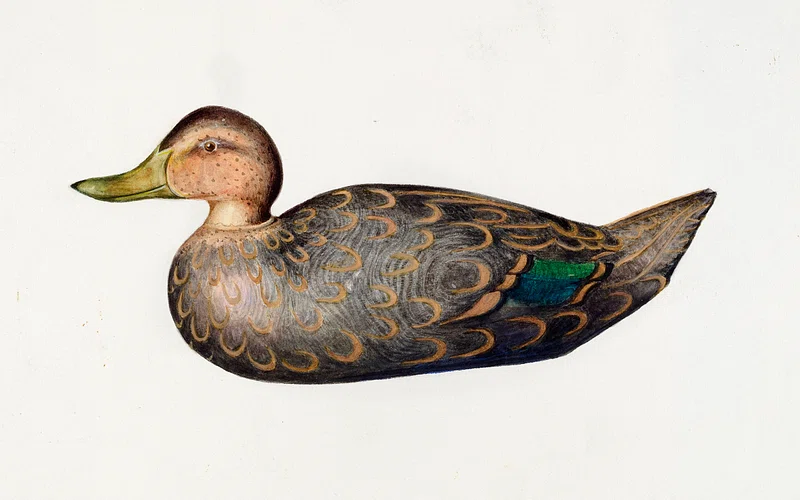
That small scale can be deceptive. In the broader decoy market, an Elmer Crowell wood duck sold for $504,000, a reminder of how seriously collectors treat the category. Miniatures do not need elite provenance to matter, but they do benefit from the same standards. A convincingly carved head, original paint, and honest wear can give a tiny carving unusual authority.
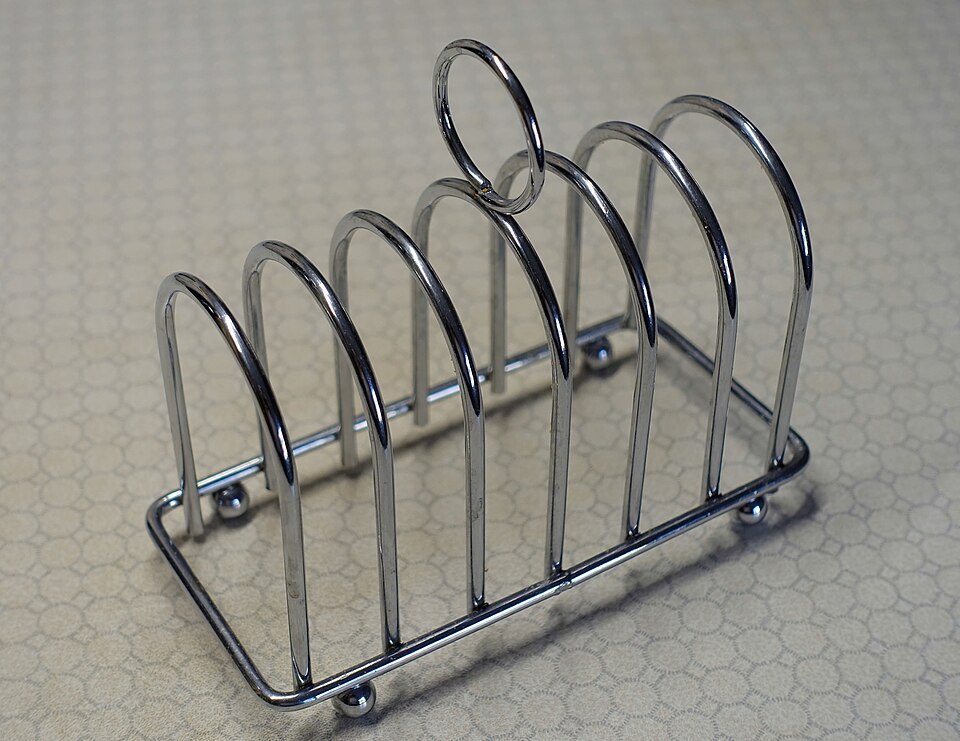
5. Silver toast racks
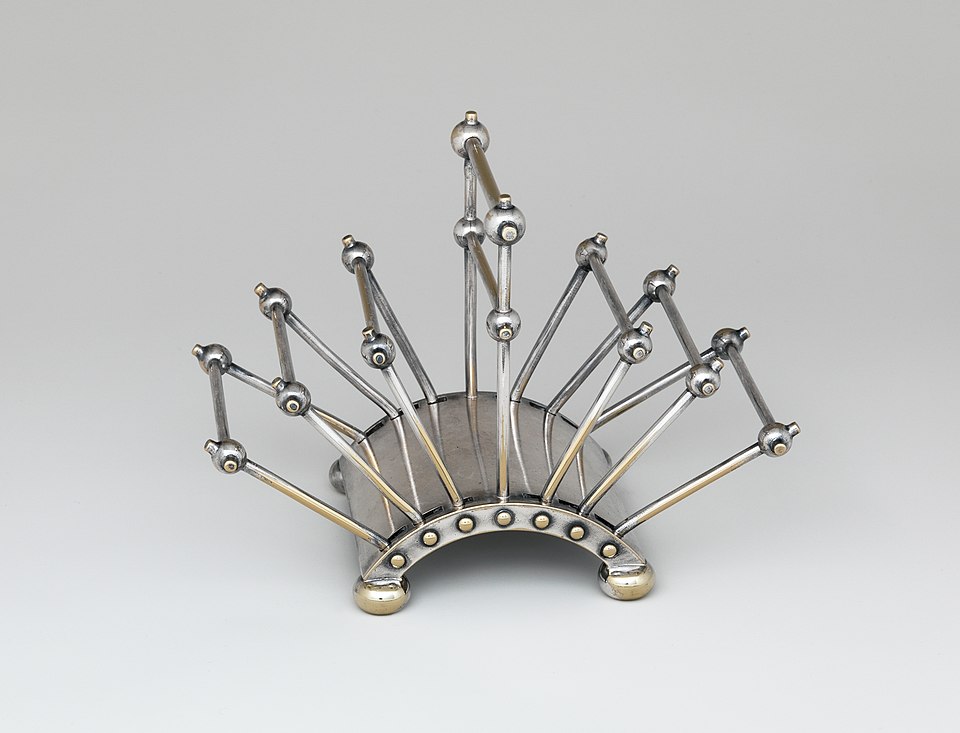
Toast racks solved a very specific dining problem by keeping slices upright so steam would not soften them. That narrow purpose is exactly what makes them memorable now. Their arches, handles, and repeating dividers give them a sculptural quality even when they are no longer used at the breakfast table.
Collectors often separate decorative charm from metal value by checking construction and marks. For sterling examples, hallmarked details help identify silver standard and place of assay, while plated pieces depend more heavily on design and condition. On modern desks, many are repurposed to hold letters or stationery, which helps explain why they continue to feel practical rather than purely ceremonial.
Small antiques rarely leave much room for weak workmanship. On a badge, every letter must remain clear. On a clamp, every casting flaw shows. On a decoy, the carving either carries conviction or it does not. That is part of their staying power. These pieces can be understood at a glance, held in the hand, and traced back to a very specific habit fishing, sewing, planning a day, setting a table, or carving a bird without losing the mystery that makes collecting feel personal.

