
The Exodus has long stood at the crossroads of faith, memory, and history. Archaeology has not produced a single decisive artifact that settles the question, yet several clues continue to draw scholars back to the possibility that the biblical tradition preserved a memory of real movement between Egypt and the southern Levant. What emerges from the evidence is not a neat confirmation of every detail in the book of Exodus. Instead, the picture is narrower and more textured: smaller groups, Egyptian-linked names, cultic objects with Egyptian parallels, and Egyptian texts that remember upheaval involving Levantine outsiders. Taken together, these fragments create a conversation that still surrounds the old story.
1. Egyptian records remember Levantine outsiders disrupting Egypt
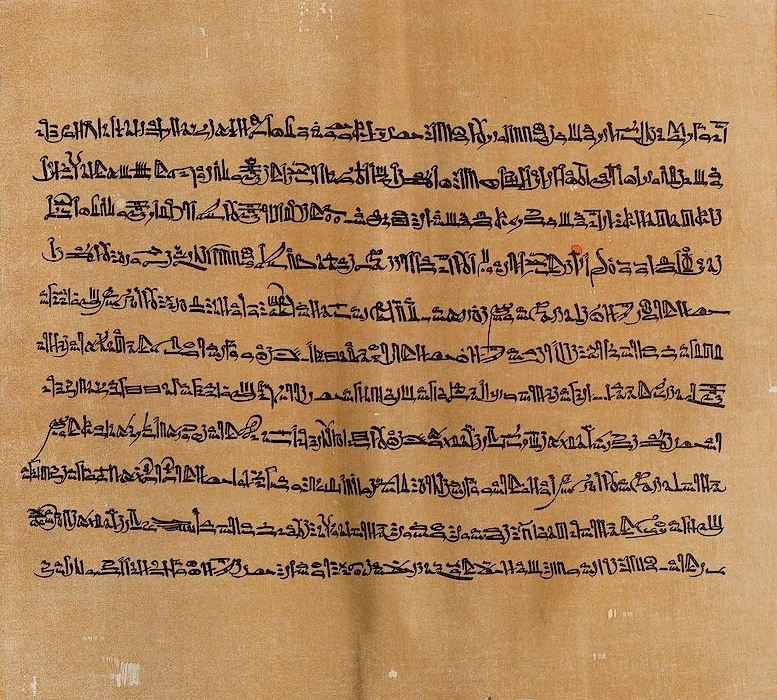
One of the strongest echoes comes from late Egyptian texts describing a period of disorder at the end of the 19th Dynasty. The Great Harris Papyrus and related inscriptions describe a time when a Levantine figure rose amid turmoil, when temples were neglected, and when outside allies were involved in the struggle for power. These texts do not retell Exodus. They speak in Egyptian political language, celebrating restored order under Setnakhte and Ramesses III. Still, the pattern is striking: people from the Levant inside Egypt, conflict tied to religion, and eventual expulsion. For scholars interested in historical memory, that overlap matters because the biblical story also centers on a departure from Egypt shaped by confrontation between peoples, rulers, and gods.
2. Avaris shows that Semitic communities really lived in Egypt
The Exodus story assumes that people from the Levant could live in Egypt for generations. Archaeology supports that broader background. Ancient Avaris in the eastern Nile Delta was home to substantial Western Asiatic populations over long stretches of Egyptian history, confirming that migration and settlement between Canaan and Egypt were normal parts of the ancient world. This does not prove Moses or the plagues. It does establish that the biblical setting is rooted in a believable human landscape. Communities with Levantine origins were present in Egypt, moved through the Delta, and maintained connections across regions. That context keeps the Exodus tradition anchored in a world archaeology can recognize.
3. Some early Israelite priestly names appear Egyptian in origin
Names can preserve traces of older identity long after events themselves blur. Several Levite names, including Moses, Phinehas, Hophni, Hur, Merari, and Mushi, have been noted by scholars as bearing Egyptian connections, while such naming is far less visible among the other tribes in biblical tradition. This pattern has been used to argue that a particular group within early Israel may have carried a stronger Egyptian imprint than the population at large. That reading aligns with the theory that the Exodus memory may have begun with a smaller body of people, especially Levites, and only later became the national story of all Israel. Archaeology cannot extract biographies from names alone, but in ancient history, naming traditions often serve as durable cultural fingerprints.
4. The oldest biblical songs preserve a smaller, older memory
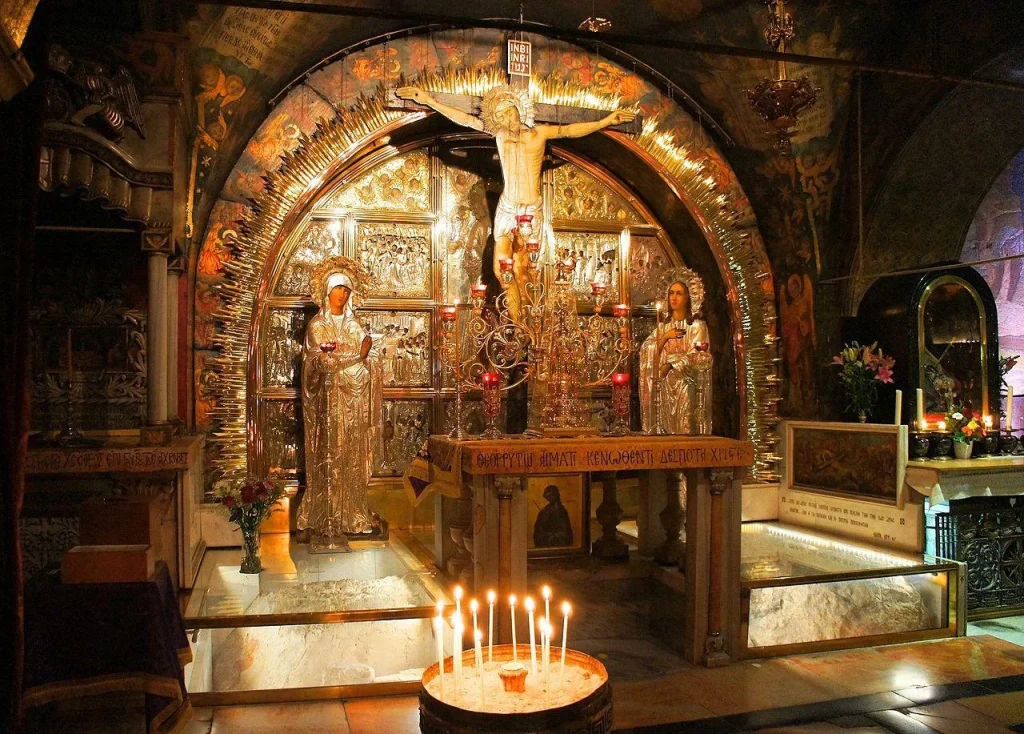
Text can function like archaeology when it preserves older layers. Scholars cited in the reference material treat the Song of Miriam and the Song of Deborah as among the oldest passages in the Hebrew Bible. In that early poetic stratum, the details are revealing: one song speaks of a people leaving Egypt without naming Israel, while the other celebrates Israelite tribes without mentioning Levi. The result is not direct material evidence from the ground, but it is a clue of historical compression. A memory of departure from Egypt may once have belonged to a more limited group before later biblical tradition enlarged it. That idea also helps explain why the lack of archaeological traces for a vast migrating population does not automatically rule out a smaller exodus.

5. The Tabernacle has notable Egyptian design parallels
The portable sanctuary described in the Torah has drawn attention because some scholars see architectural parallels between the Tabernacle and the battle tent of Ramesses II. In the reference material, this argument appears as a significant marker of Egyptian influence preserved specifically in priestly tradition If that comparison holds, it suggests that at least part of Israel’s sacred imagination was shaped by familiarity with Egyptian royal or military forms. The detail is important because one of the common objections to a historical Exodus has been the limited Egyptian imprint in early Israelite material culture. The Tabernacle tradition offers a more focused answer: Egyptian elements may survive most clearly in priestly institutions rather than across the whole society.
6. Circumcision and ritual distinctions point toward an Egyptian-linked priestly memory
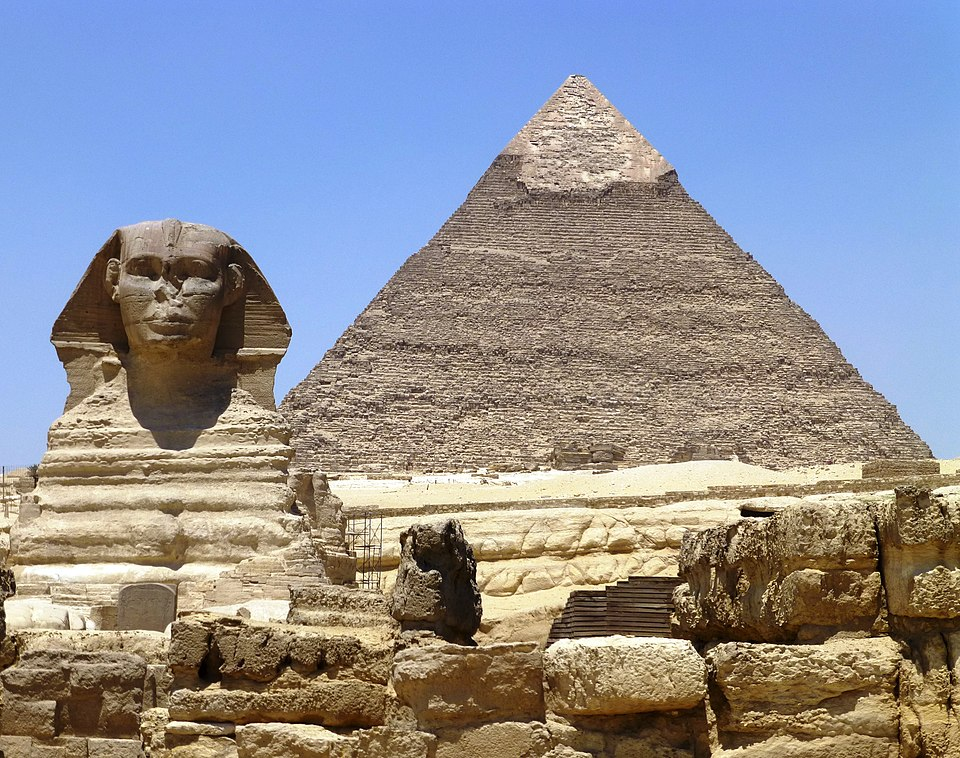
Ancient Egypt is well known for the practice of circumcision, and the reference articles note that biblical emphasis on circumcision appears especially strongly in priestly, Levite-associated material. This does not make the practice exclusively Egyptian, but it adds another strand to the cluster of cultural links surrounding the Levites.
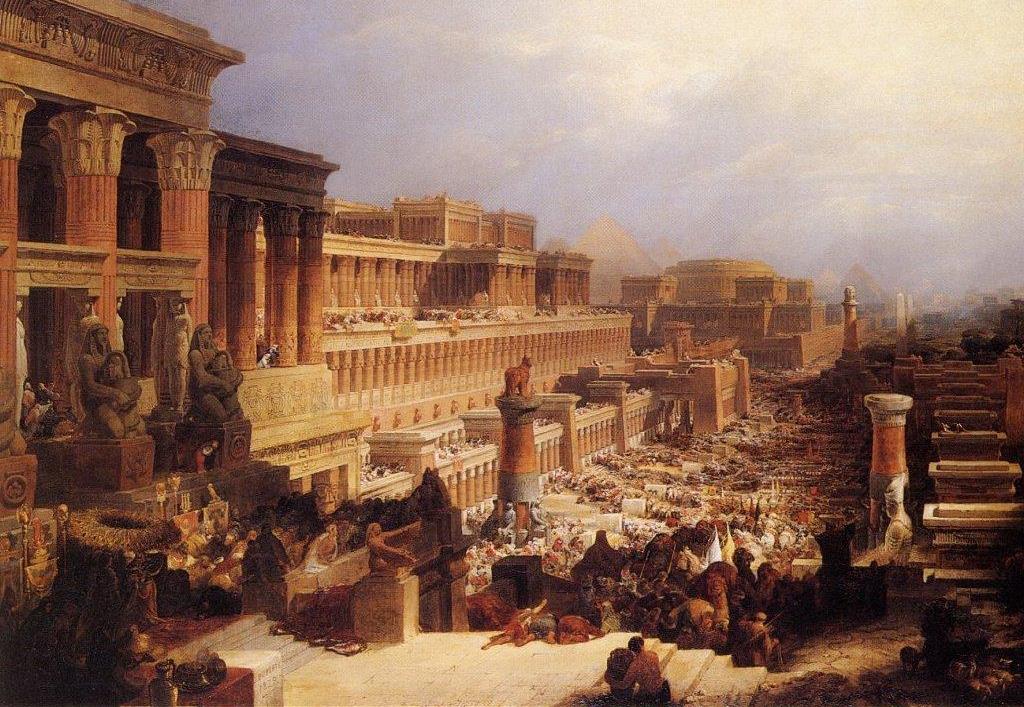
The same cluster includes repeated concern for the treatment of resident aliens, grounded in the formula that Israel knew life as strangers in Egypt. On its own, that is literary theology. Alongside Egyptian-style names and sanctuary parallels, it looks more like a remembered social experience carried by a group whose identity had been shaped outside Canaan.
7. Egyptian inscriptions mention the divine name linked with Israel
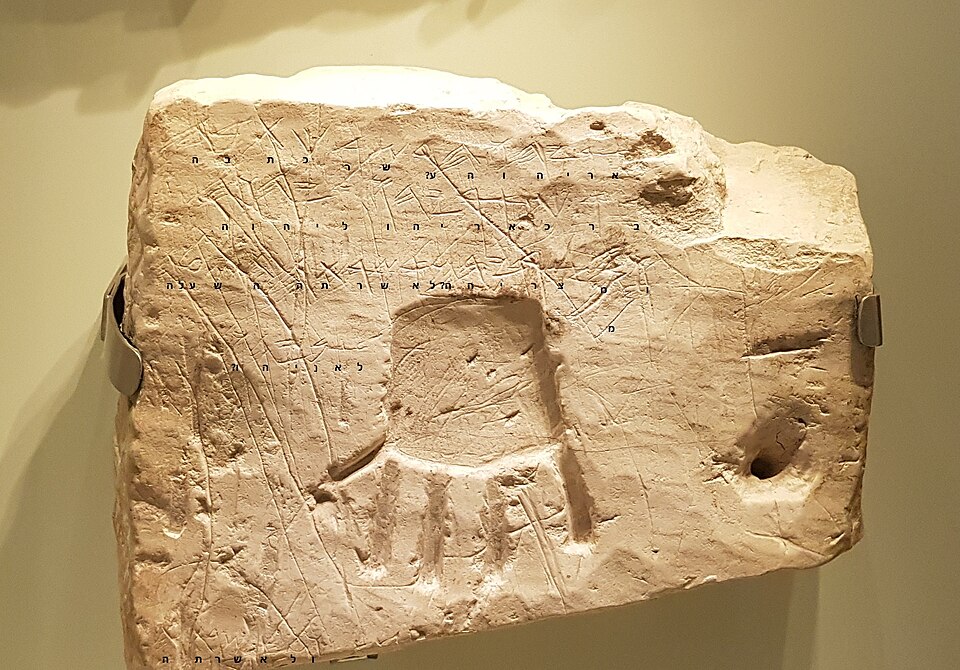
Another clue often discussed in Exodus scholarship is the appearance in Egyptian inscriptions of a name associated with Yahweh in the 14th and 13th centuries BCE. The reference material points to inscriptions from Egypt in the 14th and 13th centuries that preserve this connection. That matters because the Exodus story is not only about movement; it is about a people identified with a particular deity. If the divine name was already known within the Egyptian sphere before Israel emerged clearly in the archaeological record of Canaan, then the tradition of a group carrying the worship of Yahweh out of Egypt becomes easier to imagine within the known world of the Late Bronze Age.
None of these clues functions as a final proof. Archaeology rarely works that way, especially with traditions shaped by centuries of retelling. Yet the cumulative pattern remains compelling: Egyptian texts recalling Levantine disruption, evidence of Semitic communities in Egypt, priestly names with Egyptian roots, older biblical poems hinting at a smaller departure, and ritual traditions marked by Egyptian parallels. Rather than closing the case, archaeology keeps the Exodus in a space where memory and history continue to meet.

