

Watching a loved one decline can make ordinary changes feel frightening. Near the end of life, the body often follows patterns that hospice and palliative care teams consider expected, even when they are difficult to witness.

Recognizing these changes can help families focus on comfort, calm, and connection. The signs below do not appear in exactly the same way for every person, but they are widely described in active dying and end-of-life care guidance.

1. Noisy, wet breathing that alarms the room
A rattling or gurgling sound can happen when saliva and mucus collect in the throat and the person is no longer able to clear them well. Families often find this sound deeply upsetting, but end-of-life guidance consistently notes that it is usually more distressing to listeners than to the person who is dying.
Simple comfort steps may help. Turning the person slightly onto one side, raising the head, and keeping the mouth clean can reduce discomfort. Lip balm, a damp cloth, or oral swabs may also help with dryness. If breathing appears labored or the person seems uncomfortable, the hospice or medical team should be contacted promptly.

2. Breathing that speeds up, slows down, or pauses
As the body’s systems weaken, breathing can become irregular. Some people develop periods of deeper breaths followed by shallow breathing or pauses, a pattern described by the National Institute on Aging as Cheyne-Stokes breathing.
This can be unsettling at the bedside because the pauses may seem too long, then breathing restarts. In many cases, the pattern reflects the body shutting down rather than a sign of panic or pain. A quieter room, a raised head and shoulders, and a calm voice can help create a steadier environment for everyone present.

3. Eyes that stay open but no longer seem focused
In the final days or hours, a person may drift in and out of awareness or become unresponsive. Eyes may appear glassy, half-open, or fixed on nothing in particular. That distant look can make families feel the person is already gone, even while hearing may still remain.
For that reason, many end-of-life clinicians encourage loved ones to keep speaking gently and directly to the person. Introducing who is in the room, sharing familiar memories, or simply offering reassurance can preserve dignity. A short sentence spoken softly may matter more than a long conversation.

4. A sharp drop in movement, speech, and energy
One of the earliest and most common shifts is profound fatigue. A person may sleep most of the day, talk less, stop showing interest in usual activities, and no longer want to sit up or change position unless necessary. This decline can begin gradually and then become much more noticeable near the end.
At that stage, care often becomes very practical. Smooth bedding, gentle repositioning, mouth care, and help with toileting or bathing may matter more than conversation or meals. If the person can no longer move much, caregivers also watch for pressure-related skin problems on the heels, hips, lower back, and elbows.

5. Eating and drinking less, or not at all
Families often feel intense distress when a loved one stops eating. Yet reduced appetite and thirst are common as digestion slows and the body no longer uses food and fluid in the usual way. According to loss of appetite at the end of life guidance, forcing food or drink can add nausea, choking, bloating, or coughing.
Comfort usually matters more than calories. Small sips, ice chips if safe, moistening the mouth, and keeping lips from cracking can be more helpful than urging meals. This is often one of the hardest emotional adjustments for families because feeding is so closely tied to caring.
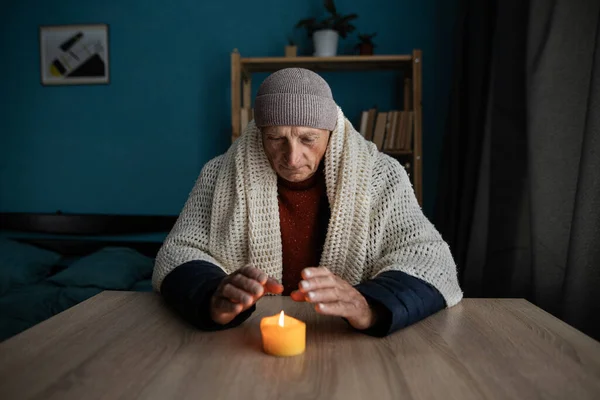
6. Cold hands, blotchy skin, and other circulation changes
As circulation slows, the hands, feet, knees, and lower legs may feel cool. Skin may become pale, bluish, purple, gray, or patchy. This mottled appearance is a widely recognized sign of reduced blood flow and is often seen in the last days or hours.
Skin can also become fragile, dry, and more vulnerable to injury. The Connecticut Hospice describes mottled skin as a normal part of the dying process. Soft blankets may provide comfort, but heating pads and electric blankets are generally avoided because delicate skin burns easily. Gentle handling and frequent checks of pressure points can help preserve comfort and dignity.

7. Restlessness, confusion, or seeing people who are not there
Some people become agitated, pick at the sheets, seem anxious, or talk to people others cannot see. These experiences may be calming to the dying person or may cause fear. Loved ones often do not know whether to correct what is being said, but reassurance is usually more helpful than contradiction.
A calm room, fewer voices, light touch, and a familiar presence can reduce distress. Restlessness can also reflect pain, urinary retention, medication effects, or shortness of breath, so new agitation should be reported to the care team rather than dismissed as simply part of dying.

These bedside changes often overlap, and not every person experiences all of them. Some declines unfold over weeks, while others happen within days. For families, the central task is usually not to stop the process but to reduce discomfort within it. Clear information, quiet presence, and timely support from hospice or palliative care can make an overwhelming moment feel more manageable and more humane.

