
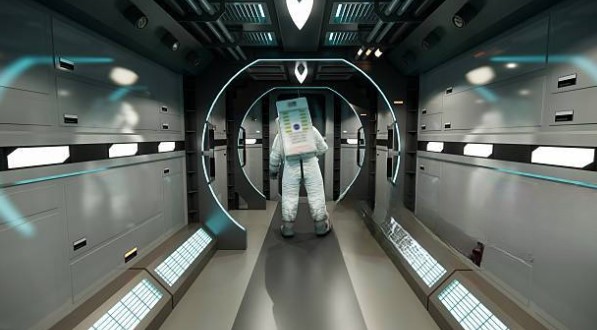
Science fiction has never been only about rockets, aliens, or sleek control panels. Its deeper power comes from a stranger function: it gives culture a rehearsal space for ideas that later show up in daily life, public debate, classrooms, and design labs. That helps explain why the genre keeps feeling current even when its gadgets age. Sci-fi does not just imagine inventions. It tests what people fear, desire, normalize, and resist when technology starts changing how they live.

1. It turns imaginary devices into design targets
Some of the most familiar modern tools arrived in culture long before they arrived in stores or research labs. Fictional communicators, wrist devices, video calling systems, tablets, earbuds, and smart homes appeared across decades of novels, comics, films, and television before related products became ordinary.

A long-running record of existing technologies predicted in science fiction shows just how often speculative ideas later gained real-world form. That pattern matters because designers rarely work in a cultural vacuum. A fictional object can become a shared visual shorthand for what a future tool should feel like, not just what it should do. The result is less prophecy than creative direction.

2. It gives researchers a language for future tech problems
Sci-fi has become useful well beyond entertainment, especially in fields that need to think ahead. Researchers studying human-computer interaction have increasingly cited science fiction in their work to explore issues such as implantables, shape-changing interfaces, and digital afterlife ethics.
In practice, fiction helps teams picture not only a device, but the behavior, dependency, and social friction that may come with it. That is one reason “science fiction prototyping” has become a recognizable method. It allows developers and institutions to explore a technology’s consequences before the hardware is widespread, when the cultural assumptions around it are still flexible.

3. It acts as a pressure test for law and policy
Science fiction often stages legal and ethical problems before societies have formal language for them. Stories about robots, surveillance systems, engineered life, and automated decision-making create simplified worlds where the fault lines become easier to see. In that sense, sci-fi becomes a policy sandbox rather than a crystal ball.
The genre’s value here is not certainty. It is stress testing. The debate over whether sci-fi predicts the future or helps create it has become a serious question in legal and regulatory thinking, especially around AI and autonomous systems. The broader point from law and technology discussions is that fiction can expose loopholes, risks, and social blind spots before institutions meet them in full scale.

4. It reveals what an era is anxious about
Few genres map collective unease as efficiently as science fiction. Dystopian surveillance, environmental collapse, class stratification, artificial life, and corporate control tend to rise when those tensions are already visible in the background of public life. The speculative setting creates distance, but the target is usually the present.
That is why older stories keep returning in new cycles. They package contemporary worries into memorable symbols: the watched citizen, the discarded planet, the obedient machine that stops obeying, the future split between protected elites and everyone else. Sci-fi does not hide social stress so much as stylize it.
5. It makes culture easier to examine by making it look alien
Science fiction is unusually good at exposing assumptions that feel natural only because they are familiar. Alien societies, altered humans, and synthetic beings force readers and viewers to ask which values are universal and which are local habits dressed up as truth.
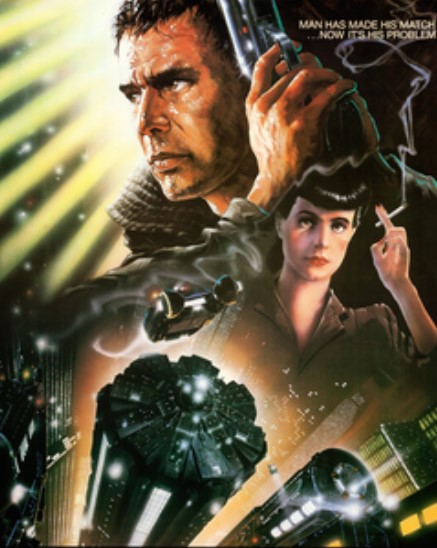
That is why the genre has become a useful teaching tool. In anthropology classrooms, stories with radically different societies help students engage with cultural relativism and rethink norms around identity, race, gender, autonomy, and power. A film like Blade Runner, for example, does not simply ask whether replicants are human. It asks who gets excluded when institutions define humanity too narrowly, and why audiences can feel that exclusion before they can fully articulate it.
6. It keeps environmental fears in public imagination
Environmental storytelling has become one of sci-fi’s most durable cultural functions. Stories about dead soil, failed climate interventions, abandoned Earth, or life rebuilt from waste turn abstract data into lived worlds. That emotional translation is part of the genre’s staying power.
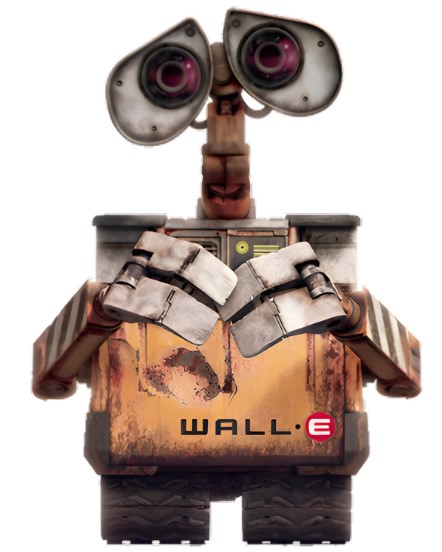
Films such as Interstellar, WALL-E, and Snowpiercer frame environmental damage not as a technical footnote but as a change in food, movement, class structure, and survival. The genre’s climate narratives resonate because they move consequences out of charts and into homes, bodies, and routines.
7. It expands beyond gadgets into identity and belonging
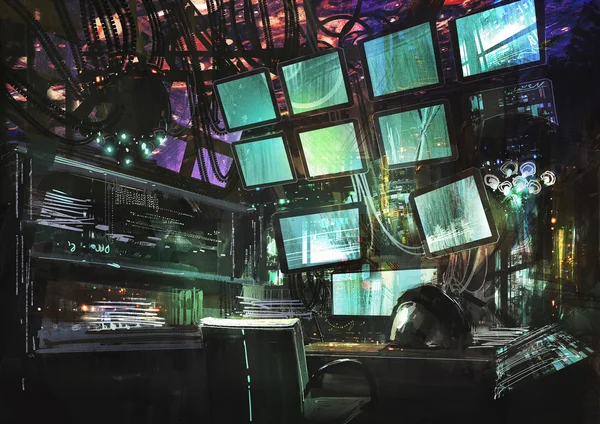
Sci-fi is often misread as a genre obsessed with machines. In practice, many of its most lasting works are about belonging, exclusion, memory, and personhood. The technology is frequently the lever, not the destination. That is why subgenres matter. Cyberpunk examines power and social decay under high-tech systems. Space opera scales identity conflicts to civilizations. Afrofuturism connects future-making to history, liberation, and cultural memory.

Anthropological sci-fi shifts focus away from machines and toward the social rules that shape entire worlds. Together, those branches show that the genre’s real subject is often the human condition under pressure. Science fiction endures because it does two jobs at once. It gives innovation a visual vocabulary, and it gives society a way to argue with itself before the future arrives. That combination keeps the genre unusually influential. Even when its predictions miss, its questions often land exactly where culture is headed.

