

Small mistakes around firearms do not always stay small. In many states, a storage choice, an expired credential, or a decision made while impaired can turn into a criminal charge, a suspended carry license, or a permanent loss of firearm rights. The legal risk is also broader than many owners assume. Rules change across state lines, carrying laws can hinge on protective orders or card eligibility, and secure storage laws can create liability before a child ever touches a firearm. Here are eight errors that can trigger serious consequences.
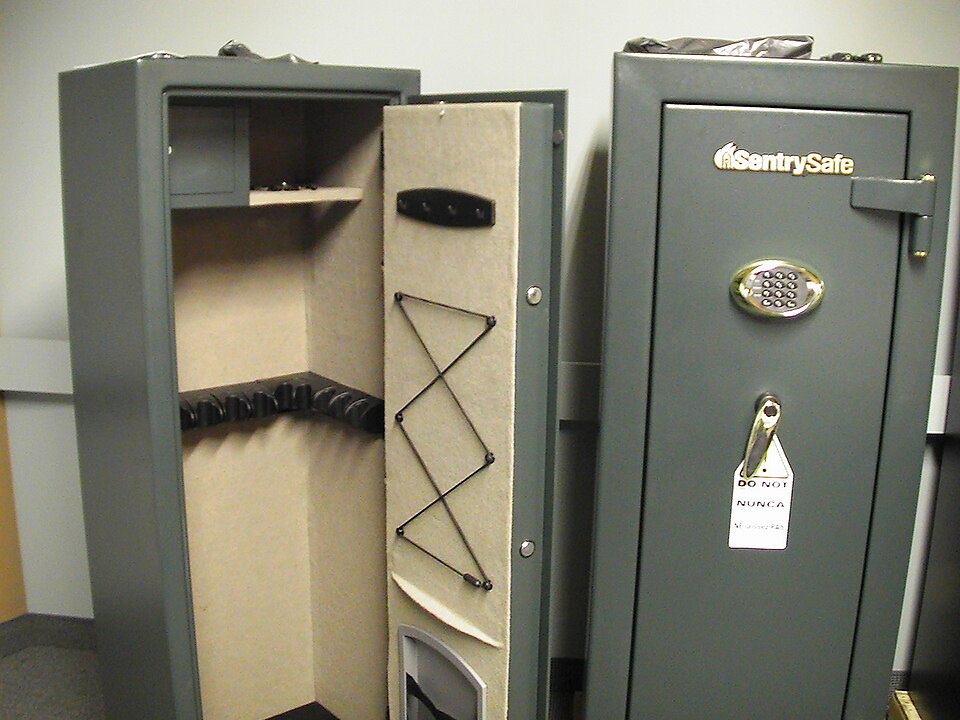
1. Storing a firearm loaded and unlocked where a child can reach it
Unsafe storage is not only a safety issue in many jurisdictions; it can also become a criminal one. State child access prevention laws allow prosecutors to pursue negligent storage cases when minors can get to a firearm, and in the strictest states liability can apply if a child could or is likely to access the gun. That matters because this is not a rare storage pattern. A 2026 study found that 31.2% of U.S. firearm owners stored at least one firearm loaded and unlocked. The same study found lower odds of that practice in states with the most stringent child access prevention laws. For owners, the legal takeaway is simple: a gun left loaded and unsecured around minors can create both immediate criminal exposure and long-term damage to future gun eligibility.

2. Assuming home-state carry rules apply everywhere
Concealed carry laws do not travel neatly across the country. Permit recognition depends on reciprocity, and even when a permit is honored, the visitor still has to follow the host state’s restrictions on where and how carrying is allowed. That is why interstate travel creates one of the easiest ways to stumble into an arrest. Reciprocity rules can shift, and the terms of recognition differ by state, as shown by concealed carry reciprocity agreements that determine whether a permit is honored at all. An owner who crosses a border without checking current law can move from lawful carry to unlawful possession in a matter of miles.

3. Carrying after drinking or while under the influence
Alcohol and firearms create one of the clearest legal danger zones. Some states do not directly address the issue in statute, but many do, and their standards vary widely. Some ban any consumption while carrying, while others prohibit carrying only once a person is legally intoxicated or under the influence. Illinois shows how steep the consequences can be. Under 430 ILCS 66 Section 70(d), carrying while under the influence is a Class A misdemeanor for a first or second violation and a Class 4 felony for a third. The law also allows license suspension after a second violation and permanent revocation after a third. In practice, a single bad judgment call can begin a paper trail that ends with lost carry rights.
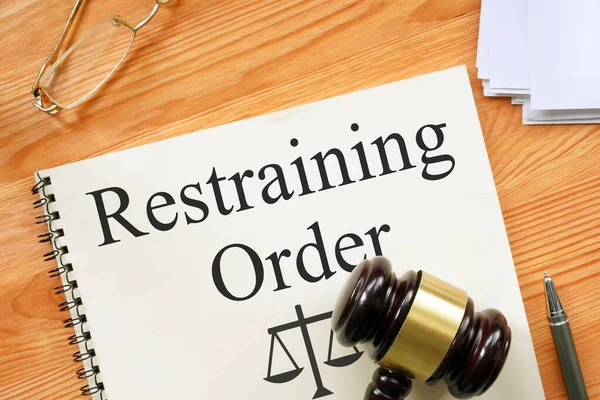
4. Ignoring an order of protection or firearms restraining order
Protective orders can alter gun rights immediately. When a court issues an order of protection or a firearms restraining order, concealed carry privileges may be suspended for the duration of that order, depending on state law. Illinois law is direct on this point. A carry license is suspended when qualifying orders are issued, and the licensee must surrender the license when served or when the order is entered. Keeping the license and acting as though nothing changed can create a separate violation on top of the original legal restrictions.

5. Failing to surrender a suspended or revoked carry license
Many owners focus on the suspension itself and miss the next requirement: surrender. That follow-up step can be mandatory, and ignoring it can lead to another arrestable offense. Illinois requires a person whose concealed carry license is revoked, suspended, or denied to turn it over within 48 hours after notice. The statute states that possession of the license after revocation, suspension, or denial can be a sufficient basis for the arrest of that person for violating the surrender requirement. Administrative notices are easy to treat like paperwork. In firearms law, they often function more like deadlines with criminal consequences attached.
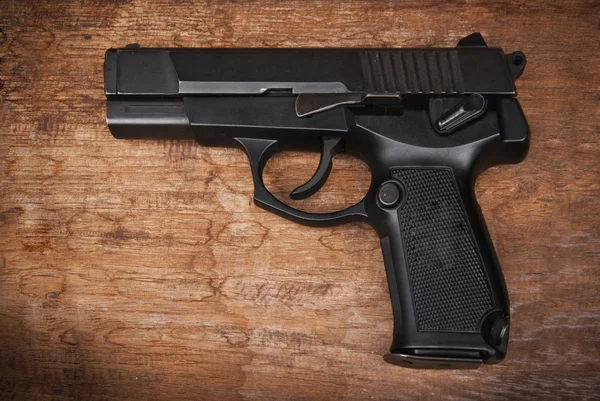
6. Letting a required firearm credential expire or become invalid
Gun rights in some states depend on more than one document staying current. A concealed carry license may remain valid only as long as the owner also keeps another required credential in good standing. Illinois ties concealed carry eligibility to the Firearm Owner’s Identification Card. If the holder no longer qualifies for that card, the carry license can be revoked; if the card is suspended or expired, the carry license may be suspended as well. An owner who treats renewal as routine paperwork can end up carrying on an invalid license without realizing the legal status changed first.

7. Repeating “minor” carry violations
Not every carry offense starts as a felony. Some begin as lower-level violations and become much more serious when repeated. That escalation is one of the most overlooked risks in firearm law. Illinois specifies that many violations of its carry act are misdemeanors at first, but repeated violations can trigger harsher penalties and mandatory revocation after multiple offenses under the act. A pattern of small compliance failures can end with the same practical result as a single major offense: loss of lawful carry rights.

8. Assuming lack of awareness is a defense
Many gun owners do not know the details of their state’s storage laws, permit conditions, or liability thresholds. That gap can be expensive. The 2026 storage study noted that many owners were unaware of whether their state even had a child access prevention law, yet those laws still define when negligent storage can be prosecuted. Firearm regulations operate whether the owner has read them or not. A person may believe a gun is stored “carefully enough,” believe a permit remains valid during travel, or believe carrying after one drink is acceptable, only to learn that the law uses a different standard. In the legal system, misunderstanding usually does not cancel the violation.

Across these mistakes, one pattern stands out: gun rights are often lost through accumulated noncompliance rather than a single dramatic event. Storage, impairment, document status, court orders, and travel rules all sit in that category. For gun owners, the practical risk is not only arrest. It is the chain reaction that can follow: suspension, revocation, ineligibility, and the loss of rights that can be far harder to restore than to keep.

