
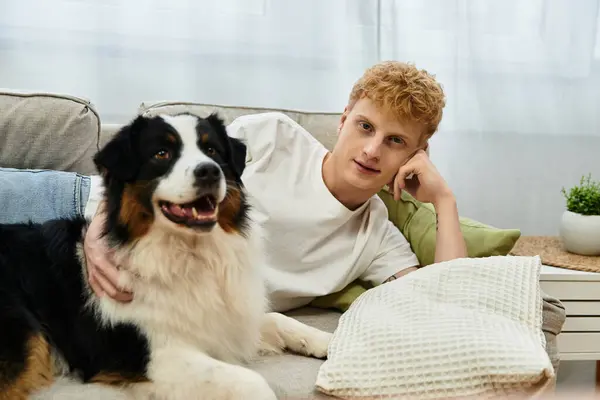
Trust with a dog rarely comes from one big breakthrough. It grows through small, repeated moments that teach a dog what to expect, how to feel safe, and whether their person pays attention when it matters. Trainers often focus on everyday patterns instead of grand gestures. A steady routine, calm handling, and space to communicate all help create the kind of bond that holds up during stressful moments, new environments, and ordinary life at home.
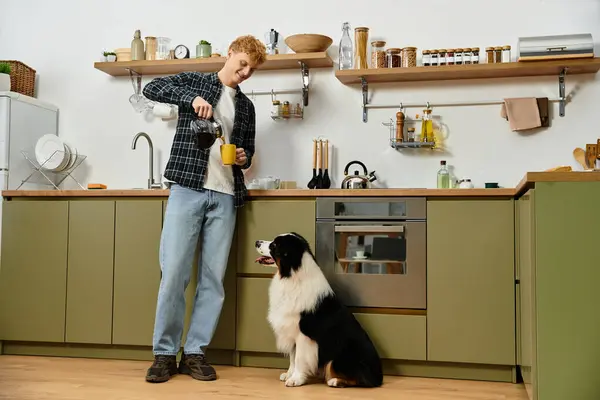
1. Keep daily routines predictable
Dogs tend to settle more easily when meals, walks, play, and rest happen in a familiar rhythm. Predictability reduces confusion and helps a dog understand what comes next, which can lower stress when life feels busy. Consistent routines are widely linked to a stronger sense of security, and routine changes can affect pet anxiety when the household suddenly shifts. This does not require a rigid, minute-by-minute schedule. It means the dog can count on regular care and dependable responses from the people around them.
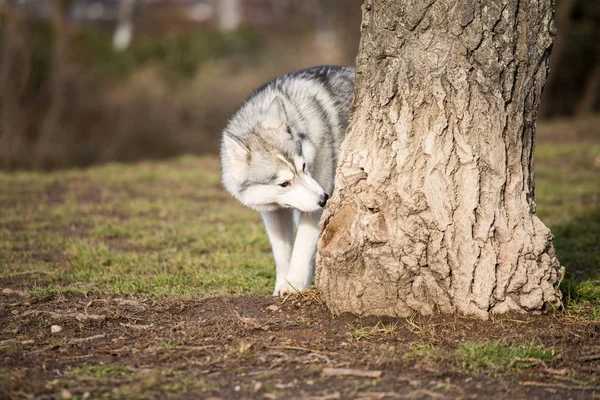
2. Let walks include sniffing, not just marching
Many trainers encourage “sniff walks” because dogs experience the world heavily through scent. Allowing a dog to pause, investigate, and follow odors turns a basic outing into mental enrichment. According to veterinary guidance, dogs may have up to 300 million scent receptors, which helps explain why sniffing is such a meaningful part of daily life. Trust builds when the walk is not always rushed. A person who occasionally lets the dog choose the pace, within safe leash manners, shows that the dog’s needs are being noticed instead of constantly overridden.

3. Learn the dog’s body language before problems escalate
Dogs communicate discomfort long before they bark, lunge, or shut down. Signals such as repeated yawning, lip licking, panting in a cool room, a lowered body, pinned-back ears, or “whale eye” can all carry information depending on context. Reading those signs early helps a person step in before stress grows. This habit matters because one signal alone does not tell the whole story. Pet behavior educators emphasize the key is context. A yawn at bedtime may simply mean tiredness, while the same yawn during a chaotic greeting may point to unease. Dogs often trust people who notice the difference.
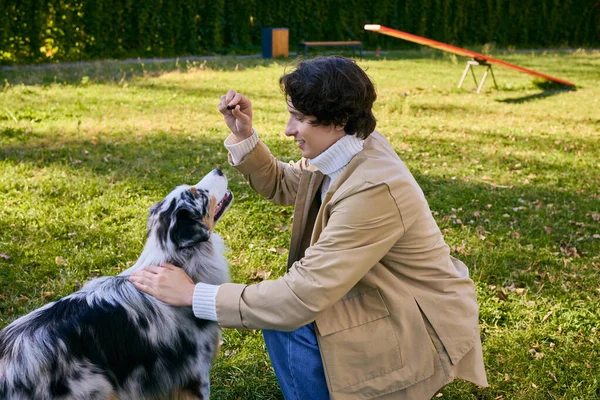
4. Stay calm and fair during training
Dogs learn faster when expectations stay clear and responses stay steady. Mixed signals, delayed corrections, or sudden frustration can make a dog uncertain about what behavior is actually wanted. Trainers often stress that fairness is not only about rewards. It is also about timing, consistency, and avoiding reactions that seem unpredictable from the dog’s point of view. A calm tone and repeatable cues can make everyday handling feel safer. Over time, the dog learns that guidance is understandable and that mistakes do not lead to chaos.
5. Advocate for the dog in overwhelming situations
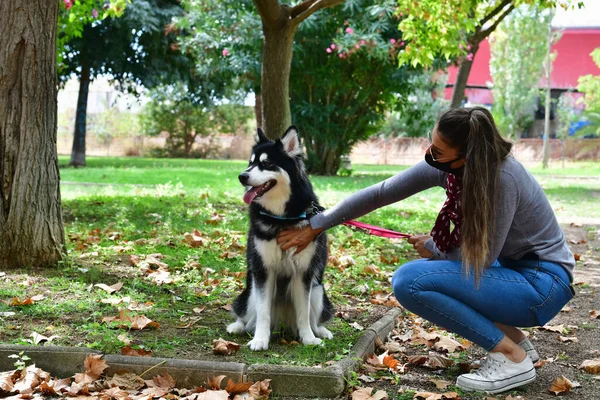
Trust deepens when a person steps in before a dog feels trapped. That can mean moving away from a noisy crowd, interrupting an interaction the dog is not enjoying, or giving the dog more distance from strangers or other animals. Pet Partners describes this principle simply: “You Are Your Animal’s Best Advocate.” Dogs notice who protects their space. When a person consistently prevents unwanted pressure, the dog no longer has to manage every uncomfortable moment alone.
6. Spend quiet time together without asking for anything
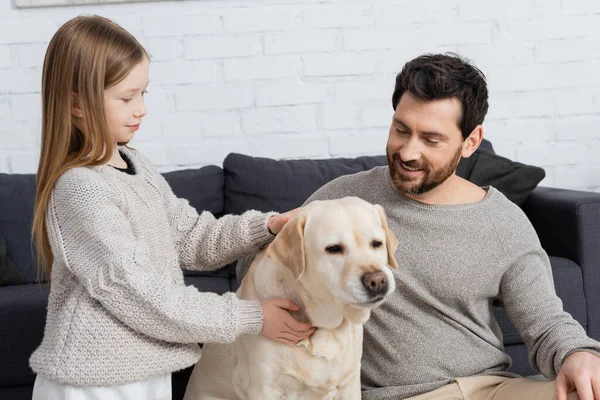
Bonding does not always need to look like active training. Trainers often note that trust also grows during low-pressure time on the couch, in the yard, or after a walk, when the dog can simply be near their person without performing cues or meeting demands. These calm stretches help a dog form positive associations with presence itself. The relationship becomes more than a series of commands and corrections.
7. Give the dog choices whenever it is safe
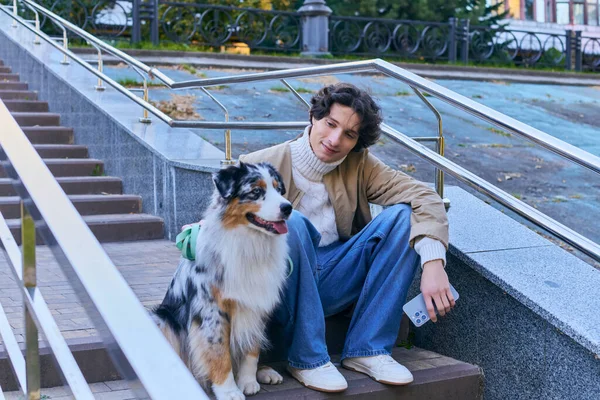
Choice can be a powerful trust builder. On a walk, that might mean allowing extra time at an interesting patch of grass. At home, it can mean letting the dog approach new people at their own pace, choose a resting spot, or opt out of attention when they look unsure. This habit is especially useful for sensitive or fearful dogs. Pressuring a dog into contact or forcing fast social interactions can erode confidence. When the dog learns that hesitation is respected, cooperation often becomes easier and more genuine.
8. Make mental enrichment part of ordinary life
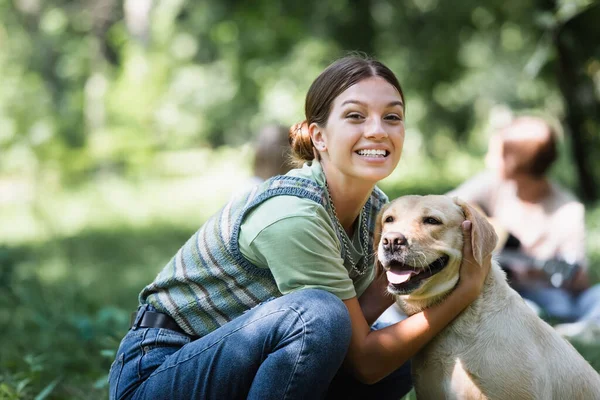
Physical exercise matters, but mental work also helps dogs feel balanced. Sniffing games, scattered treats, and short problem-solving activities can tire a dog in a productive way. Veterinary and behavior sources note that scent-based activities can act as a real mental workout, not just a distraction. A dog whose needs are met more fully is often easier to live with and easier to reassure. That emotional stability supports trust because the dog is not constantly operating in a state of frustration or excess arousal.
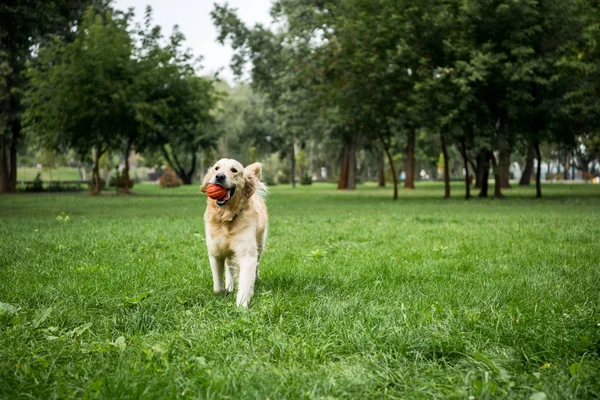
Lifelong trust is usually built in ordinary moments: the pause at a mailbox while a dog sniffs, the decision to leave a crowded space early, the familiar timing of dinner, the calm response to stress signals that might otherwise be missed. Those habits look small from the outside. To a dog, they can mean everything.

