
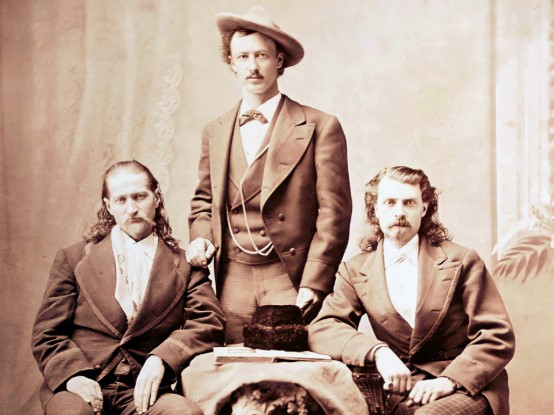
The Old West did not need cinema to become theatrical. It already had eyewitnesses, pamphlets, courtroom testimony, memoirs, and the machinery of mass culture waiting to turn local violence into national folklore.
That helps explain why so many famous gunfighters survive less as people than as symbols. Their real lives were usually messier than the famous scene attached to them: less elegant than a duel, less certain than a headline, and far more dependent on rumor, self-invention, and the appetite of readers raised on frontier melodrama.
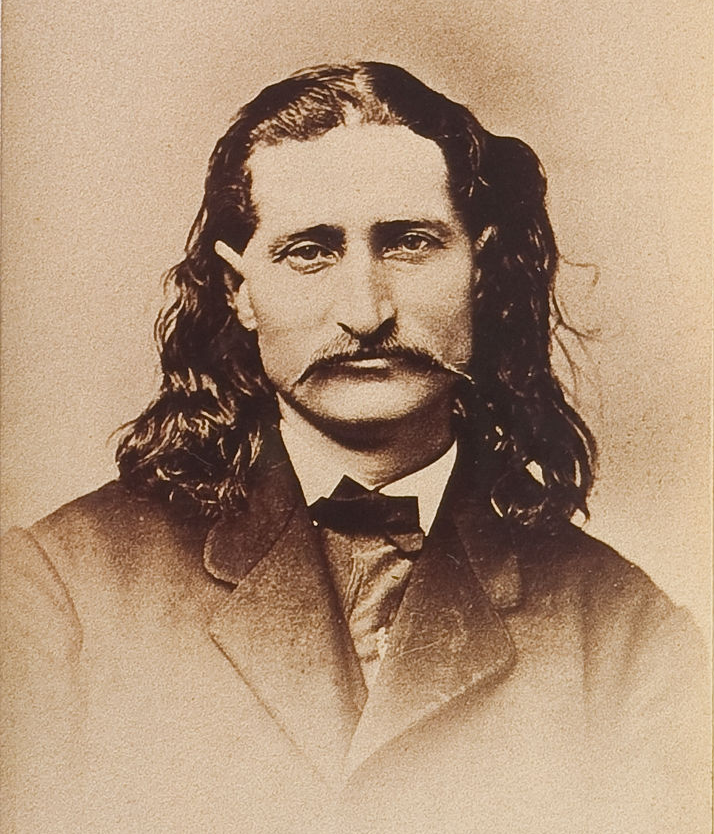
1. Wild Bill Hickok
Hickok’s fame rests heavily on the 1865 Springfield shooting of Davis Tutt, a confrontation often treated as the prototype of the classic Western quick-draw showdown. In reality, the details point to distance, nerve, and aim rather than cinematic speed. Contemporary accounts place the men far apart in the town square, with Hickok firing the decisive shot after a dispute over gambling debts and a watch.
The legend only expanded after the acquittal. Later researchers recovered court proceedings and a coroner’s report that sharpened the gap between witness testimony and later retellings. Hickok became the rare frontier figure whose reputation was built both by what happened and by how easily the event could be repackaged for a public already learning to love Western myth.
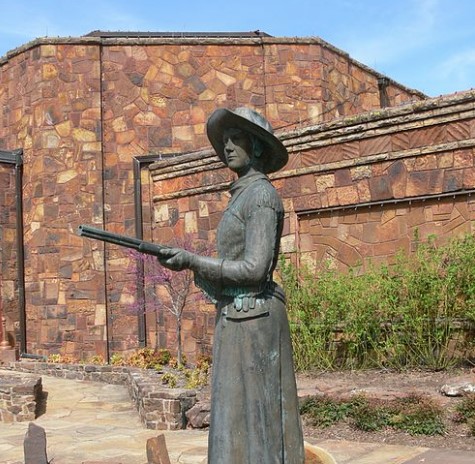
2. Belle Starr
Belle Starr’s notoriety shows how quickly an outlaw image could outrun the paper trail. Long before modern celebrity culture, her persona was assembled from fragments: a dramatic wardrobe, outlaw associations, a violent reputation, and an unsolved killing outside her Oklahoma home in 1889.
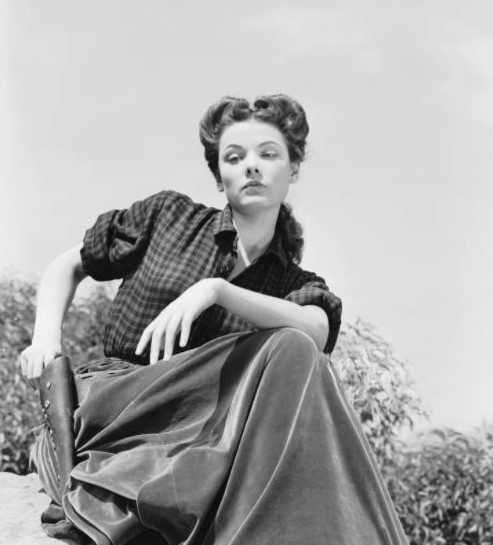
Stories about her often preferred spectacle to certainty. One colorful account placed her in Dodge City, walking into a saloon with guns drawn after her husband lost a fortune gambling, then reclaiming the money table by table. Whether retold as fact or frontier flourish, such episodes helped make “Bandit Queen” feel more like a role than a biography. Her afterlife says as much about what distant readers wanted from the West as it does about the woman herself.
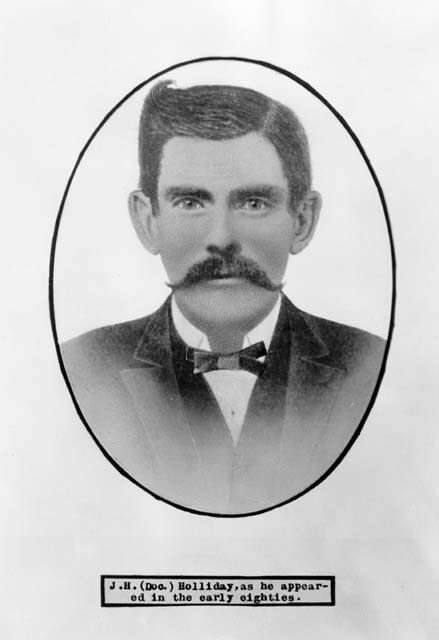
3. Doc Holliday
Holliday remains one of the strangest figures in Western memory because his life never fit a single type. He trained as a dentist, suffered from tuberculosis, lived by gambling, and acquired a fearsome reputation while often being described as frail, tidy, and unexpectedly mild in appearance.
At Tombstone, myth fused him to Wyatt Earp so completely that he often appears less as a person than as a dark companion in someone else’s story. Yet the record around the O.K. Corral points away from neat legend. The fight lasted only seconds, erupted at close range, and involved shooters standing about six feet apart, not noble figures pacing into a formal duel. Holliday’s enduring power lies in that contradiction: sick but dangerous, polished but precarious, famous for moments that were far uglier than later culture preferred.
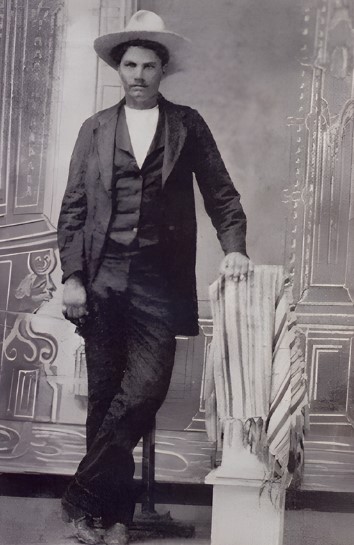
4. John Wesley Hardin
Hardin spent much of his life building his own legend, and that makes him unusually difficult to separate from his myth. He claimed more than forty killings, while historians have often placed the number far lower. Even that discrepancy is revealing. In the West, reputation could function like currency, and Hardin spent it aggressively.
He moved through violence with startling ease, turning arguments into bloodshed and treating self-justification as a craft. He later studied law and attempted respectability, but the older identity held. His death in an El Paso saloon, shot from behind, fit the reality that many frontier endings came not in public showdown but in abrupt, unceremonious reversal.
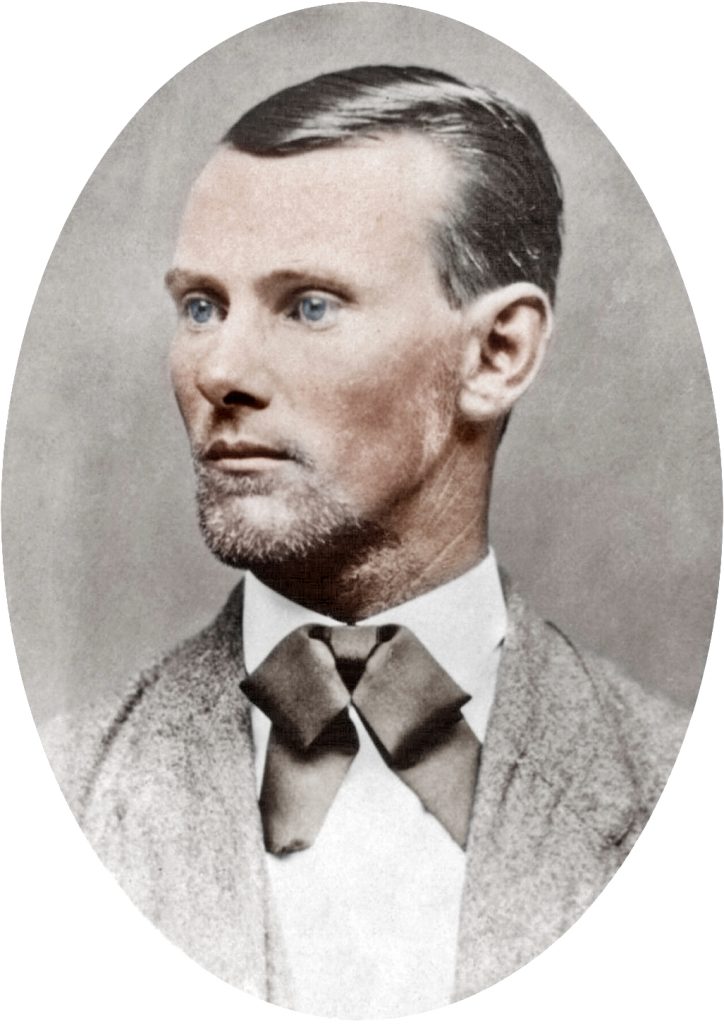
5. Jesse James
Jesse James became one of the clearest examples of how outlawry could be polished into folk heroism. His crimes were concrete enough: robberies, killings, and a gang career rooted in post-Civil War violence. Yet sympathetic storytelling gave him a political sheen that facts did not support.
Editors and admirers helped frame him as a rebel rather than a thief, and the image stuck. There was never real evidence behind the Robin Hood gloss, but it proved durable because it made criminality feel like grievance. His death, shot in the back by Robert Ford, stripped away the fantasy of the final duel and revealed something more basic: fame had made James valuable as a story even before he became a corpse.
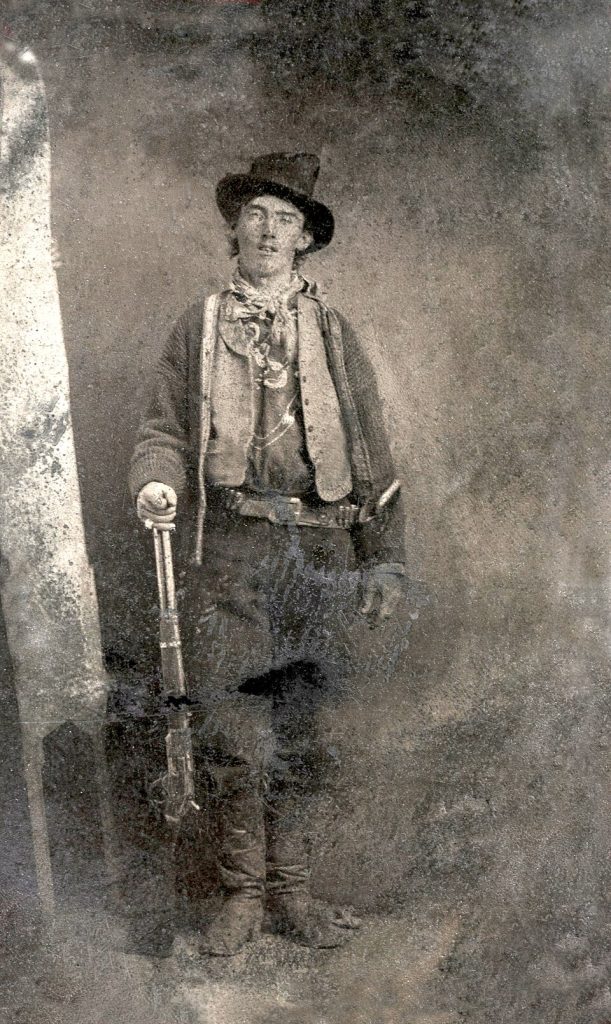
6. Billy the Kid
Billy the Kid may be the strongest case for how myth can swallow a life whole. He was dead by 21, but his legend expanded almost immediately through newspapers, dime novels, memoirs, and endless rewritings. Within weeks of his death, popular culture was already turning him into something larger, crueler, sadder, or nobler depending on the audience.
The body count is a good example. Later folklore insisted on 21 killings, one for each year, but modern historical work has often placed the number far lower, with one New Mexico account arguing for six men in total. Even his identity proved elastic after death, as men claimed to be Billy the Kid for decades. The real story became secondary to the usefulness of the legend.
7. Tom Horn
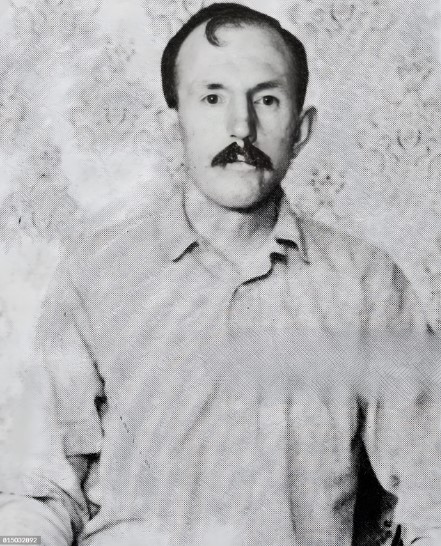
Tom Horn occupies a darker corner of the Western imagination because his story connects violence to employment. He was not simply remembered as a fighter or drifter. He was remembered as a scout, tracker, and hired enforcer in an era when wealth and land disputes could turn killing into paid labor.
That is what gives his case its lasting edge. Horn’s conviction in the death of 14-year-old Willie Nickell remained controversial, but the deeper discomfort lies in what his life represented: frontier violence as organized service, not personal fury. His reported line, “If I get killed now I have the satisfaction of knowing I have lived about 15 ordinary lives,” survives because it sounds like a man trying to author his own monument before others did it for him.
8. Wyatt Earp
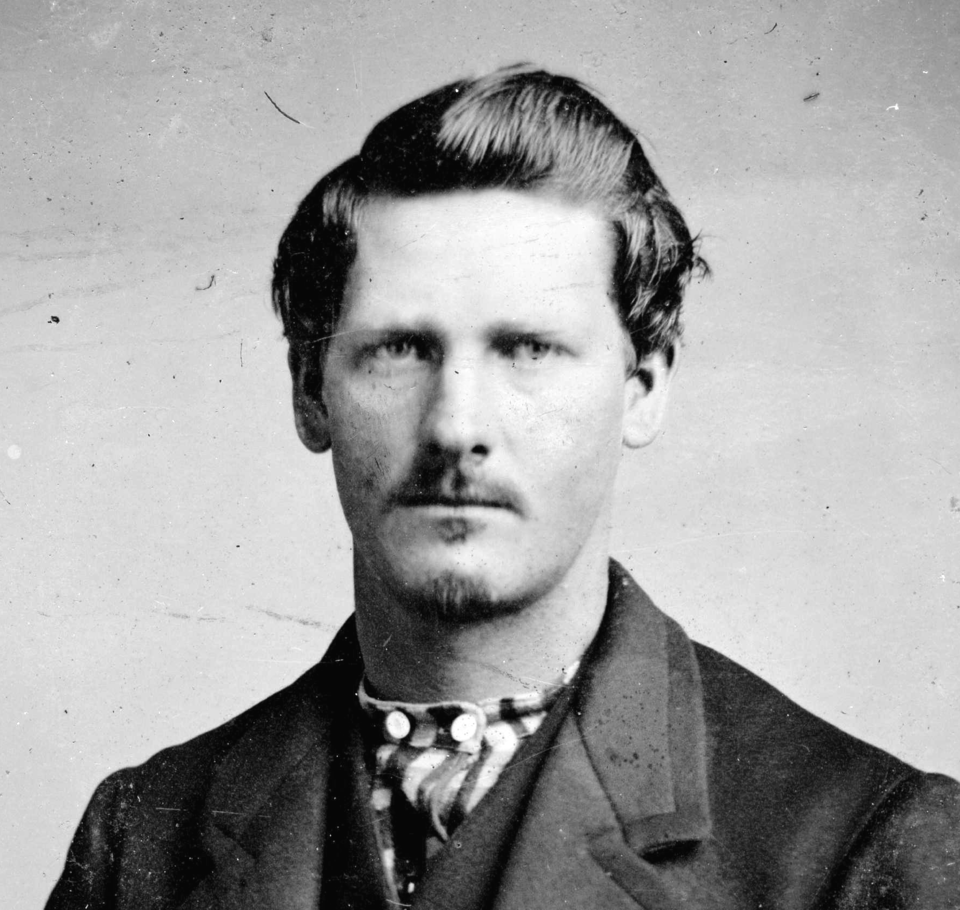
Earp is often treated as the steady center of frontier law, but his real biography is far less tidy. He moved through boomtowns as gambler, saloon operator, sometime lawman, boxing referee, and skilled self-mythologizer. Even the O.K. Corral story that fixed his place in American culture was later enlarged by biography and film long after the event itself.
His own reputation changed dramatically after death, especially when a flattering 1931 biography helped turn him into the definitive frontier marshal. Before that, his record included less heroic chapters, and even in Tombstone his role was more complicated than later memory allowed. Earp’s importance is not just that he became famous. It is that he became proof of how a man could move from disputed life into durable legend with the help of print, performance, and Hollywood.
What links these figures is not a single code of honor. It is the speed with which story hardened around them. Dime novels, newspapers, courtroom fragments, and later film culture did not merely preserve the Wild West; they edited it. The result is a gallery of names that feel instantly recognizable and historically unstable at the same time. Their real lives did not fail to match the myth. They kept overflowing it.

