
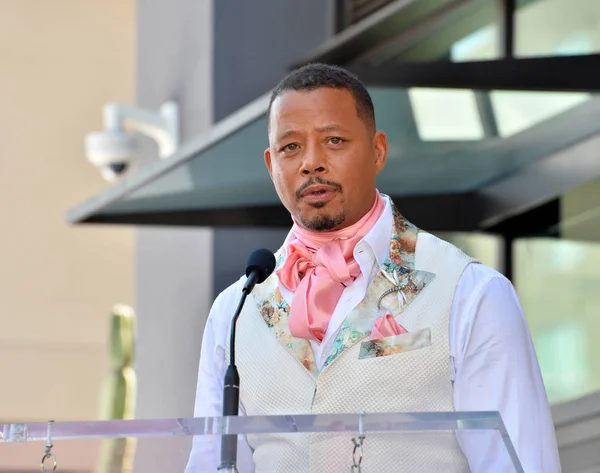
Disney’s image has always relied on tight brand control, and that pressure has shaped some of the entertainment industry’s most public exits. When stars, directors, or online personalities fell out of step with that image, the split often reached far beyond a single project. Some departures were tied to legal trouble. Others came from creative clashes, workplace investigations, or the growing power of social media backlash. Taken together, these cases show how quickly a role inside the Disney machine can become replaceable, even when the person involved is central to a franchise.
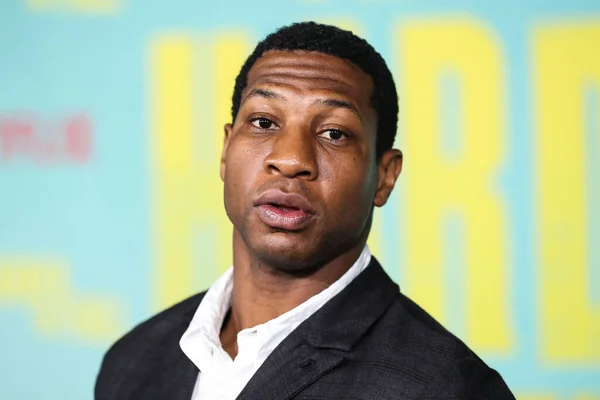
1. Jonathan Majors and Marvel’s villain reset
Jonathan Majors had been positioned as a major connective force in Marvel’s next phase after appearances in Ant-Man and the Wasp: Quantumania and Loki. After a guilty verdict in a domestic dispute case, Disney and Marvel cut ties with him, forcing the studio to rethink a long-range storyline built around Kang. The fallout was larger than a routine recast. In a franchise that plans years ahead, removing a central antagonist affects release strategies, character arcs, and audience expectations all at once.
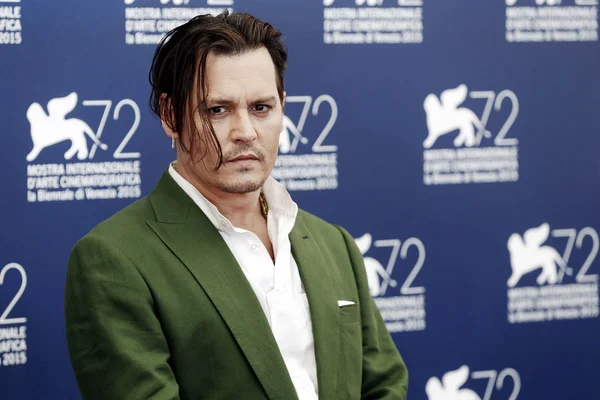
2. Johnny Depp and the end of Captain Jack Sparrow’s Disney era
For many viewers, Johnny Depp and Pirates of the Caribbean were inseparable. His exit after public legal battles and allegations involving his former spouse turned one of Disney’s most recognizable blockbuster identities into an open question. Disney framed the future as a chance for fresh energy, but the larger takeaway was how even a signature role can be severed when controversy starts to overshadow the character. Few franchise exits illustrated that tension more clearly.
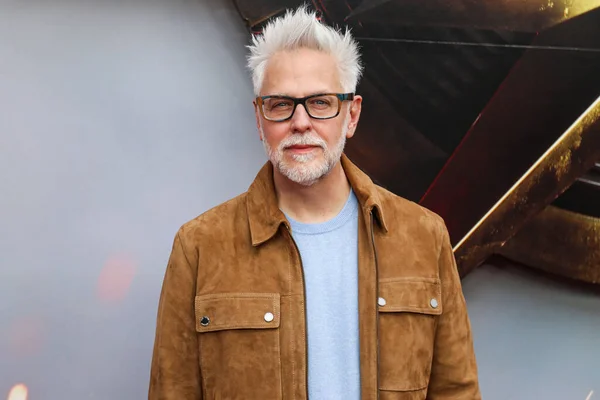
3. James Gunn and the firing that was reversed
James Gunn’s dismissal from Guardians of the Galaxy Vol. 3 became one of Disney’s most debated talent decisions. Old posts resurfaced, and the studio moved quickly before later reversing course and rehiring him. Gunn’s own apology remained central to the story: “My words of nearly a decade ago were, at the time, totally failed and unfortunate efforts to be provocative.” The episode stood out because Disney did not just remove a filmmaker; it eventually restored him, showing that public backlash is not always the end point when cast support and franchise continuity carry weight.
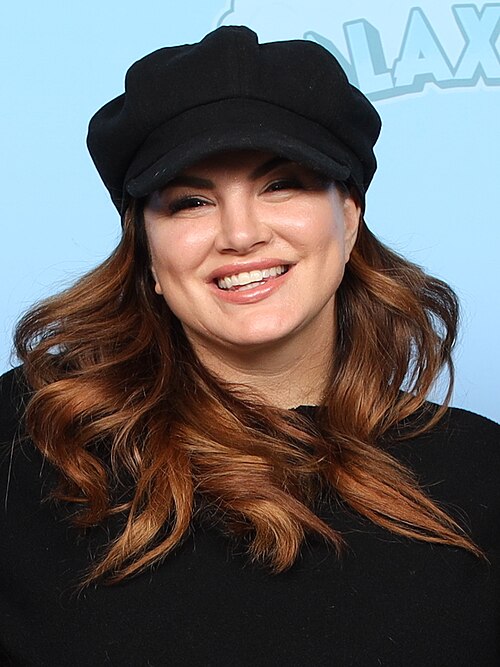
4. Gina Carano and the social media boundary Disney would not cross
Gina Carano’s removal from The Mandalorian became one of the clearest examples of Disney drawing a line around public conduct outside a set. Lucasfilm stated that she was not currently employed by Lucasfilm after backlash over social media activity, including a post that compared U.S. political treatment of conservatives to the persecution of Jewish people in Nazi Germany. Then-Disney CEO Bob Chapek said the company stands for “values of respect, values of decency, values of integrity and values of inclusion.” Her later lawsuit ended in a 2025 settlement, adding an unusual second chapter to a case that had already become a benchmark for how studios respond to online controversy.
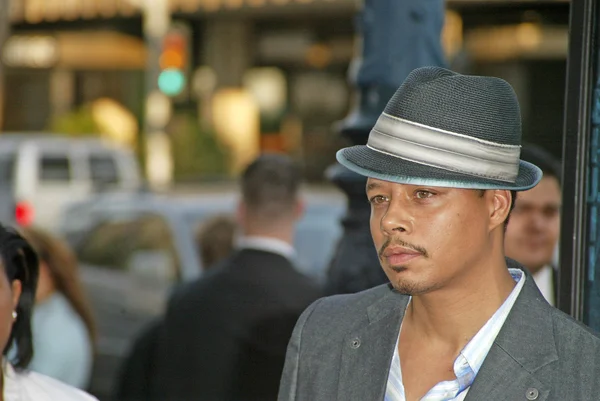
5. Terrence Howard and one of Marvel’s earliest recasts
Before Marvel became the dominant long-form franchise in Hollywood, Terrence Howard’s exit from the Iron Man series signaled how little room there was for contract disputes once a cinematic universe started taking shape. He appeared as James Rhodes in the first film, then was replaced by Don Cheadle. That swap mattered because it happened so early. It established a pattern audiences would later accept across superhero storytelling: the brand can survive, and even thrive, after a major face change.
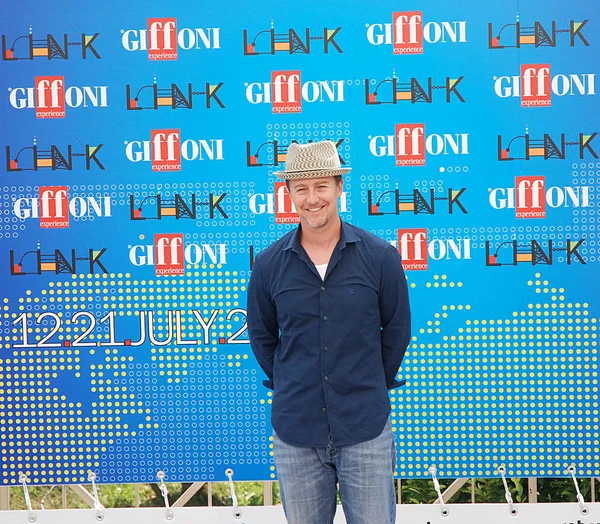
6. Edward Norton and the collaborative franchise model
Edward Norton’s departure after The Incredible Hulk had less to do with scandal than with fit. Marvel publicly signaled that it wanted a more collaborative performer for the ensemble future it was building, and Mark Ruffalo stepped in for The Avengers and beyond. This case exposed an important Disney-era reality. In franchise filmmaking, long-term compatibility can matter as much as a strong single performance, especially when one character has to move fluidly across many films and creative teams.
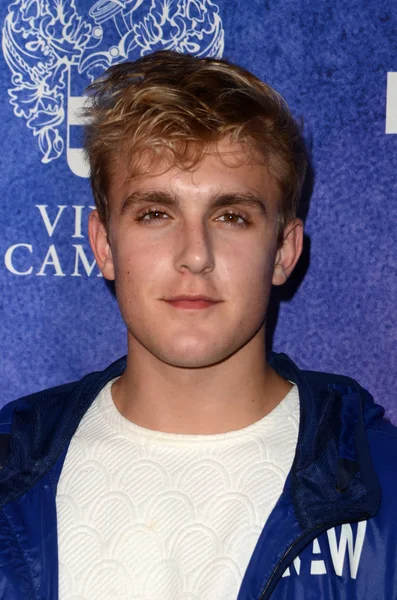
7. Jake Paul and the limits of Disney Channel chaos
Jake Paul’s run on Bizaardvark ended after off-screen behavior brought the wrong kind of attention. Reports around neighborhood complaints and increasingly unruly online stunts made the split feel inevitable, even as both sides described it as mutual. Paul later described Disney’s concern in blunt terms, saying the company wanted to “expedite this process of weaning” him off the show. For a youth-focused brand, the episode showed how quickly viral fame can become a liability when personal antics start eclipsing the series itself.
8. Roseanne Barr and the cancellation that ended a revival
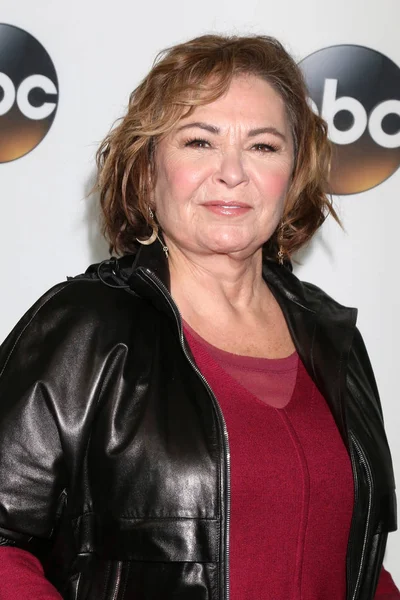
Roseanne Barr’s case did not just remove a star; it erased the momentum of a hit comeback. After ABC revived Roseanne, a racist tweet led Disney-owned ABC to cancel the show almost immediately. The scale of the decision made it memorable. A successful reboot with built-in ratings strength was halted because the controversy became larger than the program’s commercial value. It remains one of the clearest examples of Disney choosing brand protection over a proven audience draw.
9. PewDiePie and the YouTube era of Disney talent risk
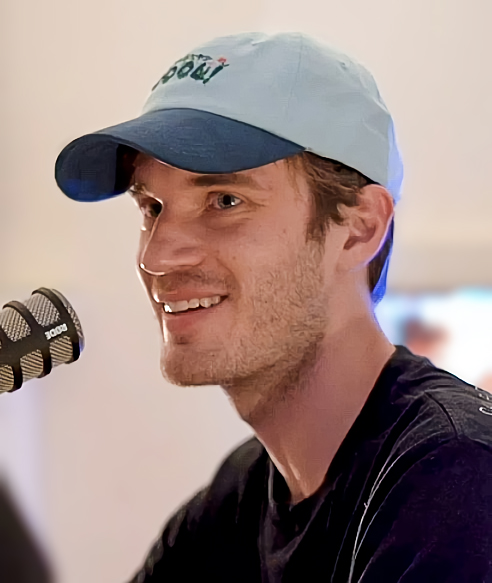
Disney’s relationship with digital creators brought a different kind of exposure. Maker Studios, a Disney subsidiary, cut ties with PewDiePie after an anti-Semitic incident in one of his videos. The company said he had “clearly went too far” and called the videos inappropriate. The episode revealed how traditional media standards were being applied to internet-native stars whose careers had been built on provocation, irony, and constant audience testing. Disney could benefit from digital reach, but it was not willing to absorb unlimited reputational risk with it.
Across film, television, streaming, and online entertainment, these exits point to the same pattern: Disney rarely treats personnel problems as isolated incidents. A firing can alter story plans, recast public identity, and reshape how an entire franchise moves forward. That is why these departures still attract attention years later. They were never just casting changes; they were moments when corporate image, audience loyalty, and celebrity conduct collided in full view.

