
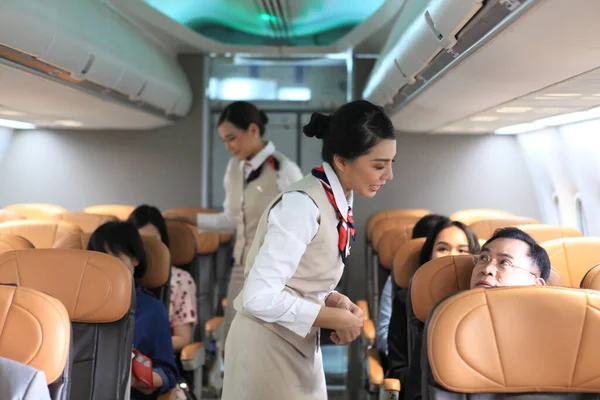
Air travel has a way of making people think “helpful” and “polite” mean the same thing. In a crowded cabin, they often do not. Flight attendants work in a narrow space where timing, safety, and routine matter more than grand gestures. Many of the habits that passengers see as considerate can interrupt service, create extra cleanup, or make an already tight environment harder to manage. The difference usually comes down to one question: does the action actually help the crew do their job?
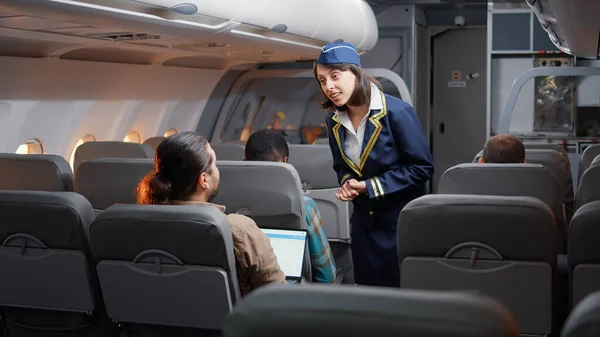
1. Policing other passengers
Calling out another traveler for breaking a rule can feel responsible, but cabin crews are trained to handle conflict and de-escalation themselves. When a passenger steps in first, a small issue can turn into a louder one. The smoother move is simple: alert a flight attendant quietly and let the crew decide what to do. That keeps tension lower and avoids turning one row into an audience.
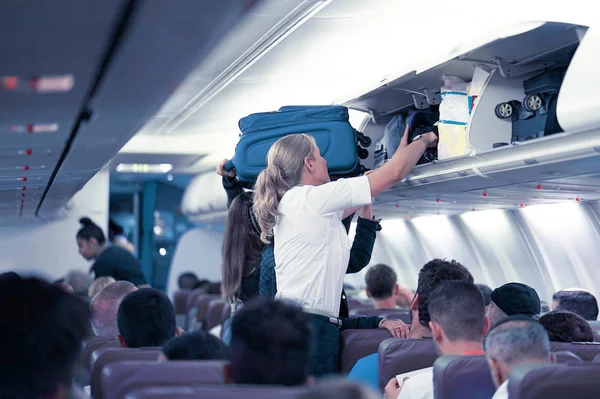
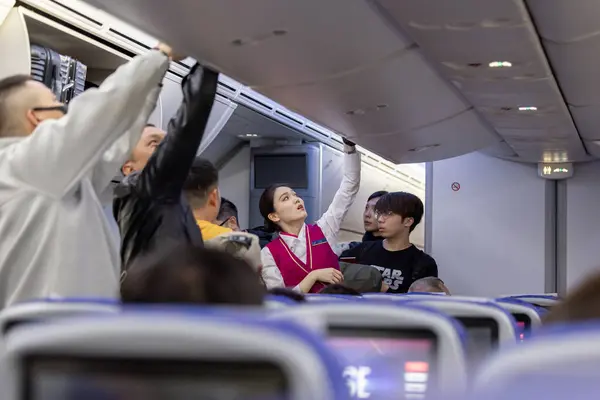
2. Reorganizing the overhead bins
Putting away a personal bag quickly is helpful. Touching someone else’s suitcase, shifting their belongings, or stuffing small items into spaces that are already being managed by the crew is another matter. Overhead bins are shared space, and crews already deal with passengers who take up too much overhead bin space. When travelers start rearranging bags on their own, it can slow boarding, frustrate other passengers, and make items harder to find later. A zipped carry-on, tucked straps, and a quick stow usually help more than any mid-aisle sorting effort.
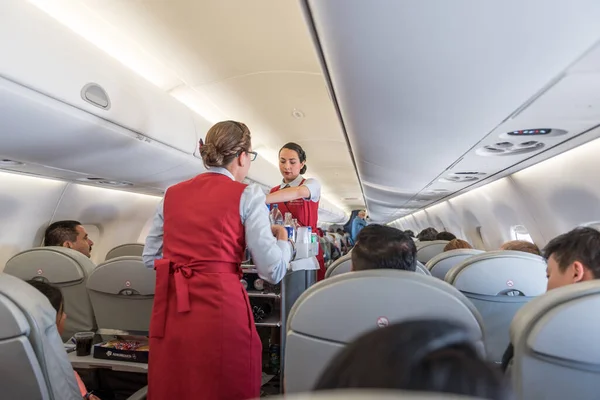
3. Tapping, poking, or grabbing a crew member
A light touch may seem gentler than raising a voice, but many flight attendants would rather not be touched at all. During service, they are balancing trays, watching the aisle, and keeping track of multiple requests at once. A verbal “Excuse me,” eye contact, or the call button works better. One crew complaint has stayed consistent for years: keep your hands to yourself.
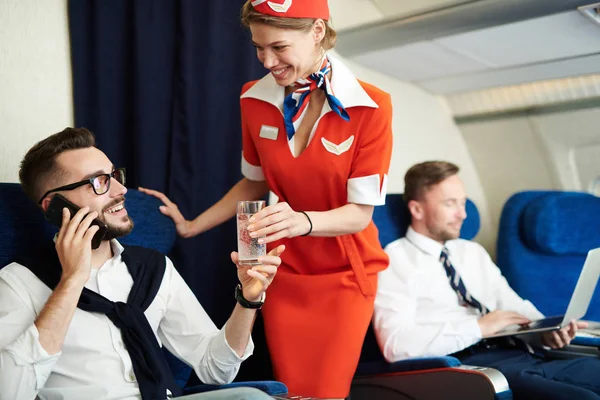
4. Asking to fill a giant water bottle
Bringing a reusable bottle is practical. Asking the crew to refill a large bottle from empty during beverage service can be difficult, especially when the cart is moving and supplies are being portioned for the entire cabin. Crews often work with limited onboard water and tight service windows. Filling up in the terminal after security and asking for a standard cup in flight is usually easier for everyone.
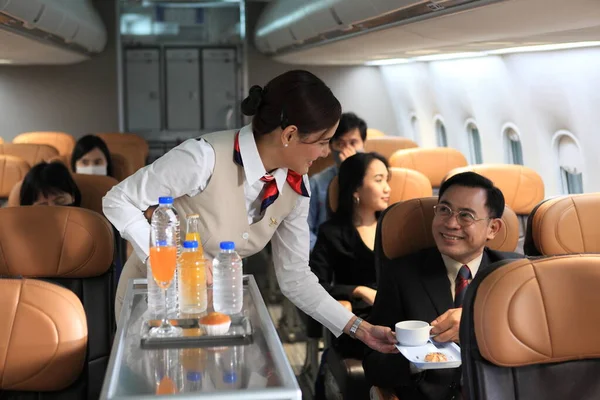
5. Helping yourself to the drink cart
Reaching for a soda, napkin, or snack before the attendant gets to the row may seem efficient, but the cart is part of a service system, not a self-serve station. Passengers who grab from the cart can interrupt the order of service and crowd the aisle while others are still waiting. The same logic applies to trash: crews have repeatedly said passengers should wait until the flight attendant comes around with a trash bag instead of handing over garbage whenever their hands are already full.
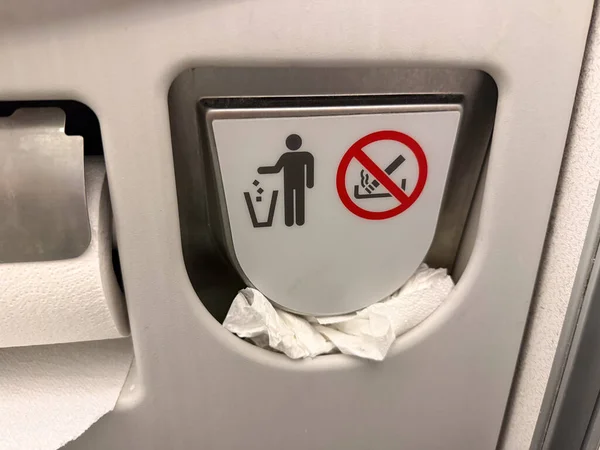
6. Handing over messy or hazardous waste
This is one of the quickest ways to make a difficult job worse. Used diapers, bodily-fluid-soaked tissues, and similar waste are not items flight attendants want passed directly into their hands during service. The cabin may feel informal after a few hours in the air, but sanitation rules still apply. Medical experts quoted by HuffPost noted that airplane lavatories have high-touch surfaces becoming contaminated with various pathogens, which helps explain why crews are careful about waste handling. Lavatory bins are the better place for routine bathroom trash, and sharps belong in proper containers for disposal after landing.
7. Treating boarding like a personal packing session
Some passengers hold up the aisle while rotating a bag five different ways, protecting bin space around it, or making sure nothing rests near a fragile item. That caution may be understandable, but it can jam the boarding flow for everyone behind them. Getting the bag ready before boarding matters more than reorganizing it once inside. In the cabin, speed and awareness count.
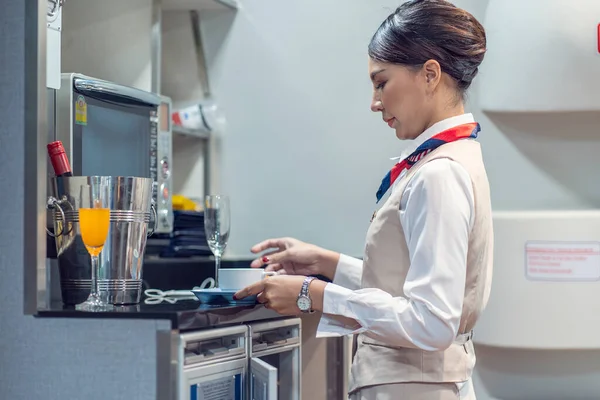
8. Using the crew galley as a social or stretching zone
Flight attendants are often friendly, and that can make the galley look like open space. It is not. It is their work area, break spot, staging area, and in many cases the only place they can briefly regroup. That is why crew members regularly complain about passengers who chat during busy moments, summon them just to pass time, or even do yoga, stretch, and exercise in the galley. Friendly conversation is usually fine when service has slowed, but the workspace still belongs to the people working there.
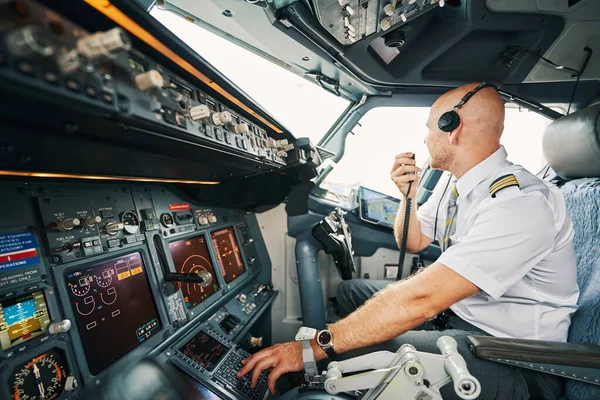
9. Thanking only the pilot on the way out
Many travelers make a point of smiling at the pilot during deplaning, yet walk right past the flight attendants who handled service, safety checks, and passenger needs throughout the flight. That small omission stands out. Crews notice simple courtesy, including a greeting when passengers board and a quick thank-you when they leave. It takes only a second, but it acknowledges the people who spent the flight managing far more than drink orders.
Good in-flight manners are rarely flashy. They are quiet, practical, and aware of shared space. For passengers, the easiest rule is also the most useful: let the crew lead the cabin. When travelers respect the workflow, keep their hands off what is not theirs, and save “help” for moments that truly help, the flight usually feels smoother for everyone onboard.

