

BTS’s New York stop was not just another album event with fans, lights, and a branded rooftop. It landed with more weight because Arirang is carrying two stories at once: a new BTS era and a title borrowed from one of Korea’s most enduring cultural symbols. That tension gave the night its shape. A rainy queue, a playful Q&A, a stripped-back message from RM, and a performance run built around fresh material all pointed to a group treating comeback spectacle and cultural identity as part of the same conversation.
1. The album title already came with cultural gravity
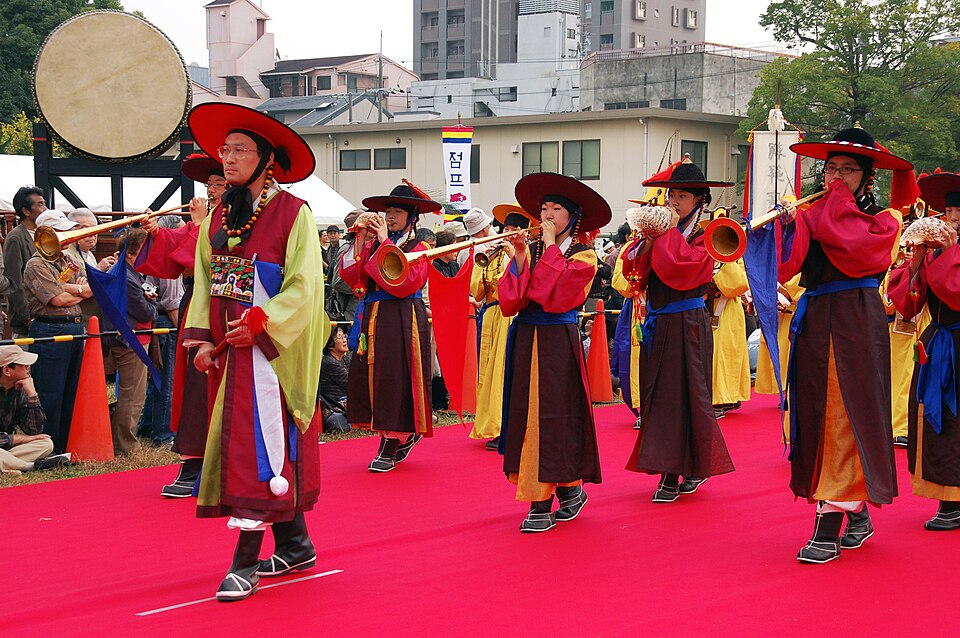
Arirang is not just a striking album name. It refers to a traditional Korean folk song closely tied to Korean identity, with themes of separation, endurance, longing, and love running through its many versions. That matters because BTS did not borrow a neutral word. The title carries emotional memory and historical resonance across the Korean peninsula. The song has also been recognized by UNESCO’s Representative List of the Intangible Cultural Heritage of Humanity, which places it far beyond the level of a simple aesthetic reference.
2. The New York setting turned the release into a cultural translation
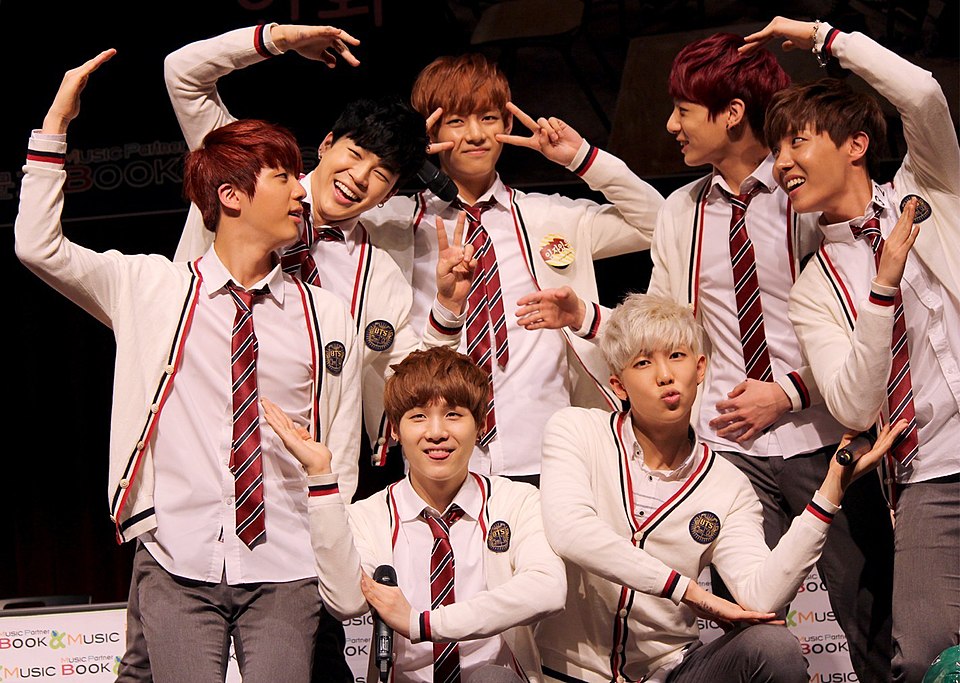
The SWIMSIDE event at Pier 17 worked because it gave American fans a direct encounter with an album rooted in Korean symbolism while still presenting BTS in fully global-pop form. Massive black-and-white member portraits, aquatic visuals tied to “Swim,” and rooftop staging made the night feel expansive rather than ceremonial. That contrast was the draw. The band was not softening the album’s Korean framing for an overseas audience; it was carrying it into one of pop’s most visible markets and letting the songs speak inside a familiar fan-event format.
3. ARMY turned bad weather into part of the story
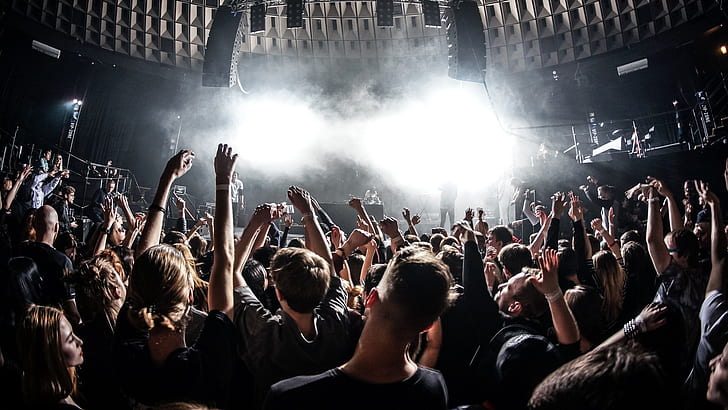
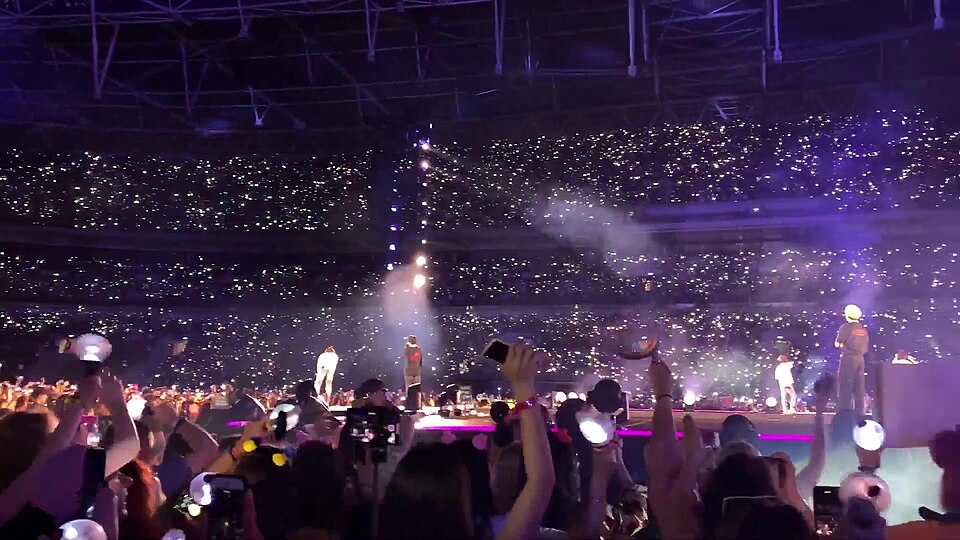
The strongest image from the night may have been the line itself. Fans showed up in cold rain, some arriving in the morning and others waiting far longer, then held “We Stayed” signs once inside. That detail sharpened the mood of the evening. Instead of reading as passive devotion, the crowd’s endurance mirrored the emotional language often associated with “Arirang” itself: patience, attachment, and staying power.

4. Suki Waterhouse kept the room loose without flattening the moment
Suki Waterhouse’s role as moderator gave the event a conversational rhythm. Her “Borahae, ARMY!” greeting signaled immediate fluency with BTS fan culture, and the Q&A moved easily between album talk and member banter. There was enough playfulness to prevent the night from becoming overly polished. One widely shared backstage-adjacent moment came when she later wrote, “congrats to @BTS_twt on an incredible album and thank you to RM for catching me when I was about to fall,” after a brief onstage stumble described in her New York hosting appearance.

5. RM’s presence mattered even without a full performance role
RM’s comments carried extra weight because he was managing an ankle injury and did not take part in the full choreography. During the talk, he joked, “Members scolded me, ‘be careful’, you don’t want to break another ankle,” which gave the room an unforced reminder that BTS’s return is still being navigated in real time. Later, his message landed with unusual simplicity: “First thing is we’re here. Second, we’re here together. For me, personally, those things are what’s important.” For a group re-entering the U.S. stage after years away, that line did more than thank fans. It framed reunion itself as the event.
6. “Hooligan” proved how fast the new material is taking hold
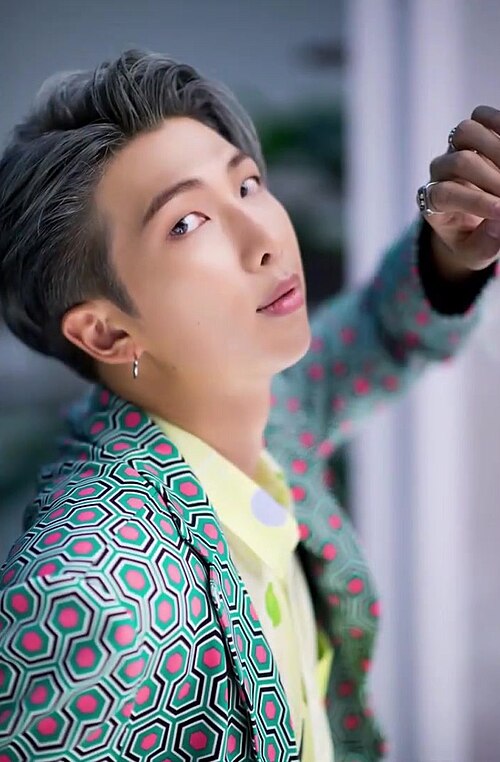
Before the performance section began, “Hooligan” came over the speakers and the crowd answered back with “Watch this, watch this, hooligan” almost like a terrace chant. The striking part was timing: the song was only days old. That kind of instant audience response says something specific about BTS’s current position. The group is not relying only on legacy hits to ignite a room. New songs are entering fan memory at high speed, which gives Arirang a different kind of momentum than a nostalgia-led comeback cycle.
7. The setlist emphasized reinvention over a greatest-hits victory lap
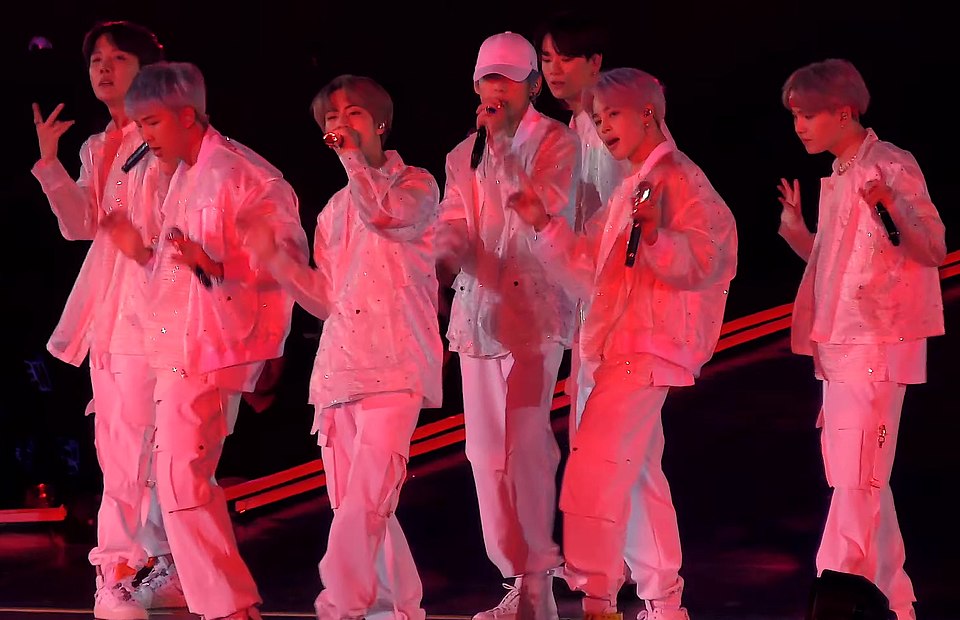
The performance leaned into “2.0,” “NORMAL,” and lead single “SWIM,” with choreography and lockstep timing still doing the heavy lifting. Even with crowd affection for older tracks in the background, the New York appearance focused on present-tense BTS. That choice aligned with Suga’s earlier description of the album: “What I can tell you is that it’s going to be quite different from the BTS albums and sounds that you’ve been listening to. You’re going to see a more mature side of BTS this time around.” The New York staging backed that up by treating the new record as a statement, not a side dish.
8. The event worked because it balanced closeness and scale
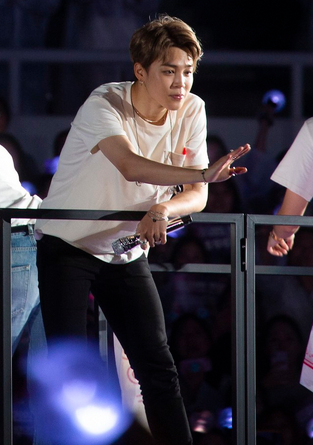
There were arena-level reactions, but the details people carried away were small and human: RM catching Waterhouse, members joking through the Q&A, J-Hope closing with “Rest well, rest well. Thank you,” and bits of everyday chaos surfacing in conversation, including stories noted in the band’s onstage chat in New York. That balance is part of why the night resonated. BTS arrived with a concept large enough to invoke centuries of cultural memory, then grounded it in the kind of candid, slightly messy closeness that fans tend to remember longer than a perfect set change.
In the end, the New York event read less like a promotional stop and more like a test of how Arirang would travel. It traveled well because BTS did not separate scale from sentiment, or spectacle from meaning. For fans, that made the evening feel larger than a showcase. For everyone else, it clarified why this album title was never just a title.

