
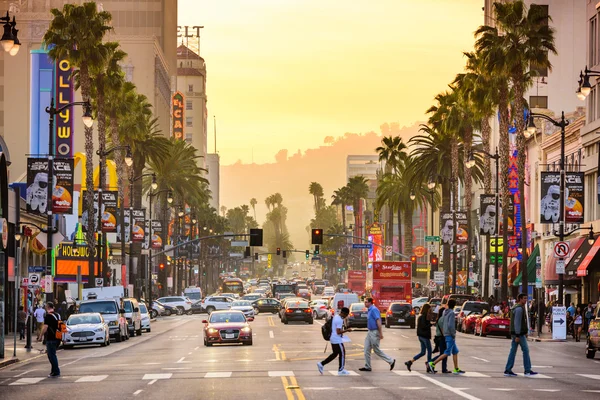
Some destinations look unbeatable in photos and feel exhausting in person. The mismatch usually appears in the same ways: crowds that swallow the view, souvenir-heavy streets, inflated tabs, and a nagging sense that the famous stop was built more for throughput than for memory-making.
That gap is why local advice matters. Travel guides can point people toward landmarks, but residents often know which places reward an hour and which ones drain an entire day. As one local guide put it, many visitors “only see the ‘greatest hits’ of a place, which are often crowded and lacking the true local flavor many visitors want to experience.”
1. Times Square, New York City
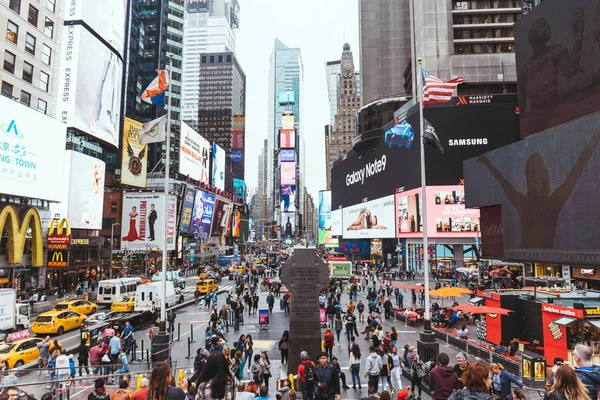
Times Square still delivers scale, light, and instant recognition, but locals tend to treat it as a pass-through rather than a destination. The area drew roughly 200,000 to 250,000 pedestrians daily in 2024, which helps explain why visitors often remember the congestion before they remember the scenery. Chain restaurants, costumed solicitors, and oversized advertising dominate the experience. For travelers hoping to feel the city rather than simply stand inside its loudest postcard, the appeal can fade quickly. Residents often point people toward Bryant Park, neighborhood walks, or the High Line for a version of Manhattan that feels less compressed.
2. Hollywood Boulevard, Los Angeles
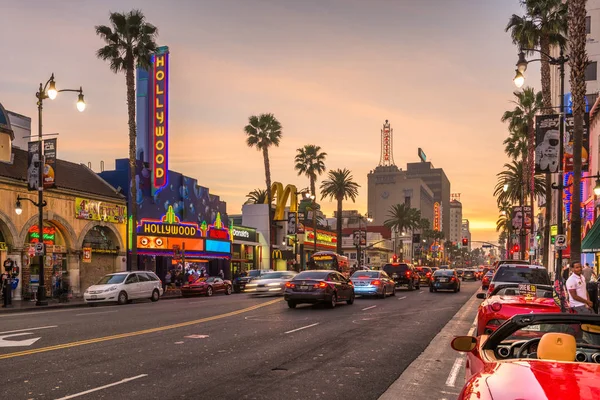
The Walk of Fame carries a powerful image, but the real-world version is more crowded sidewalk than movie glamour. Visitors often encounter street performers seeking tips, souvenir shops, and a pace that feels transactional rather than cinematic. That disappointment lands harder because Los Angeles is so heavily visited. The city receives about 3.6 million overseas travelers annually, and dense tourist corridors can bring both stress and distraction. Locals usually steer sightseers toward Griffith Observatory, where the Hollywood sign, skyline views, and exhibits create a fuller sense of place.
3. Atlantic City, New Jersey
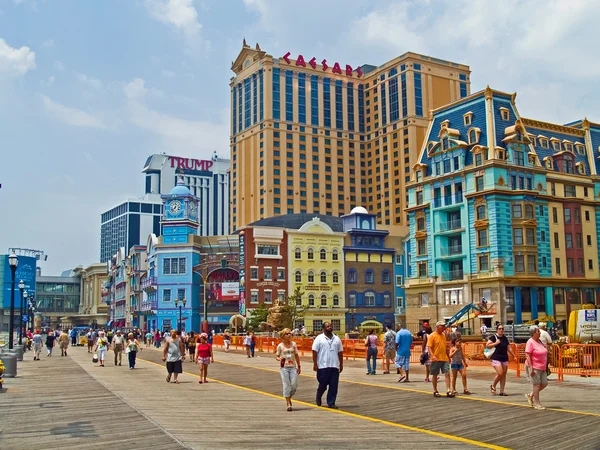
Atlantic City still has the boardwalk, the ocean, and the memory of its former status. What it lacks, according to many residents, is consistency. Empty storefronts, aging infrastructure, and an uneven street-level atmosphere have made the destination harder to romanticize. Its reputation also suffers from safety concerns that overshadow a simple beach escape. For many locals, other Jersey Shore towns offer a cleaner and calmer version of the same coastal break without the worn-down edges.
4. Niagara Falls, New York Side
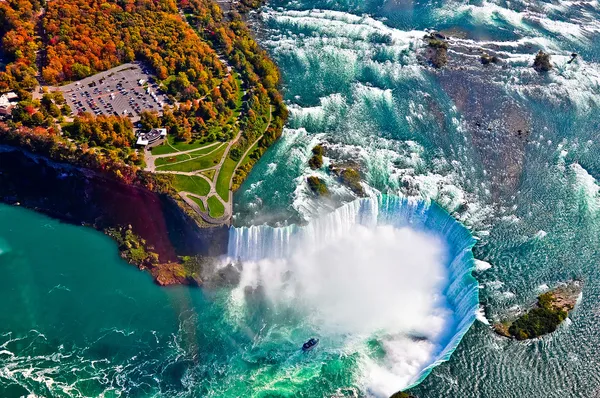
The falls themselves remain extraordinary. The warning from locals is more specific: visitors who stay only on the New York side sometimes expect a fuller front-row experience than they actually get. The surrounding city feels dated in places, and the visual drama many travelers imagine is stronger from Table Rock’s mist-soaked vantage points across the border. The American side still offers parkland and quieter trails, but it tends to reward visitors who arrive with realistic expectations.
5. Myrtle Beach, South Carolina
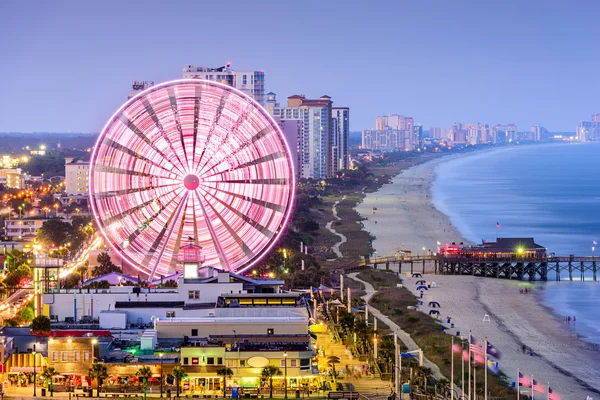
Myrtle Beach promises easy family fun, yet peak season can turn that promise into stop-and-go traffic, packed sand, and a long strip of repetitive attractions. Mini-golf, chain dining, and crowd pressure can make the area feel more hectic than restorative. Locals often compare it unfavorably with South Carolina beaches that enforce tighter development limits. That difference matters because travelers looking for shoreline calm usually want space, cleaner surroundings, and fewer commercial interruptions.
6. South of the Border, South Carolina
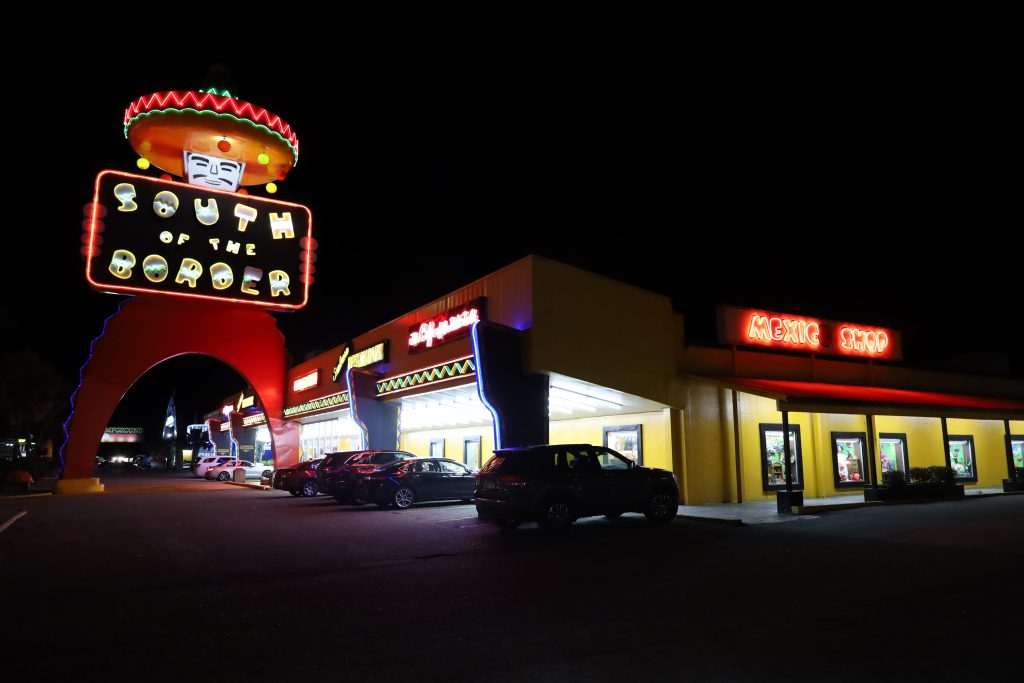
This roadside stop remains famous from the highway long before it impresses anyone on foot. For many travelers, the giant signage and nostalgic reputation set expectations the property no longer meets. Locals describe it less as a destination and more as a break in the drive. Faded facades, shuttered sections, and a generally worn appearance have turned it into a curiosity rather than a highlight.
7. Fisherman’s Wharf, San Francisco
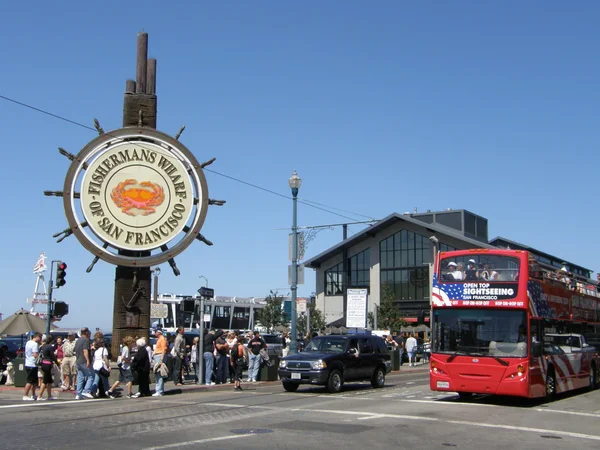
Fisherman’s Wharf is busy because it is easy to find, easy to market, and loaded with familiar vacation cues. It also receives about 12 million visitors annually, which helps explain the packed sidewalks, expensive parking, and highly commercial feel. Seafood counters and souvenir stores dominate much of the strip, while the most widely praised attraction costs nothing at all: the sea lions near Pier 39. Residents frequently suggest North Beach or the Ferry Building when visitors want food and waterfront energy without the same tourist-trap intensity.

8. Roswell, New Mexico
Roswell is powered by one enduring mystery, and that makes it easy to overestimate. Travelers expecting a large-scale immersive experience often find a smaller, kitschier destination built around novelty museums and themed shops. That does not make it empty; it makes it limited. Locals tend to frame Roswell as a brief stop best paired with the broader landscapes and culture of New Mexico rather than as a stand-alone vacation anchor.
9. Branson, Missouri
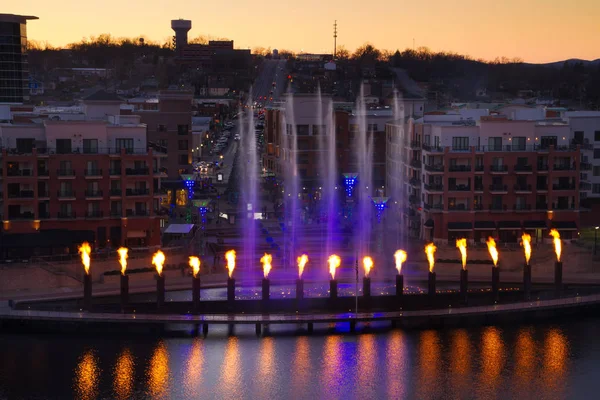
Branson still works for travelers who specifically want theaters, family attractions, and a traditional entertainment strip. The friction begins when visitors expect something fresher or less commercial than what they find along Highway 76. Traffic bottlenecks, accumulating ticket costs, and an older-fashioned lineup of attractions leave some travelers feeling they misread the destination. The city has a loyal audience, but locals know it is a narrow fit, not a universal crowd-pleaser.
10. Waikiki Beach, Hawaii
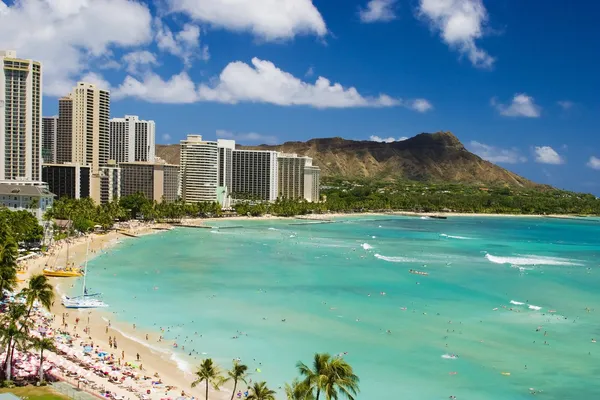
Waikiki remains visually beautiful, but locals often say the setting and the experience are no longer the same thing. High-rise development, crowded beachfront zones, and difficult parking can make one of Hawaii’s most recognized places feel more urban than restorative. That tension is especially sharp for visitors arriving in search of quiet island scenery. Residents across Oahu often direct attention toward Kailua or the North Shore, where the pace is slower and the natural setting does more of the work.
These places share a pattern: recognition can crowd out character. The issue is not always that a destination is bad, but that the fame around it creates expectations the experience cannot support. Local guidance remains the simplest fix. Travelers who look beyond the biggest-name stop often end up with less stress, more space, and a better sense of what a place actually feels like.

