
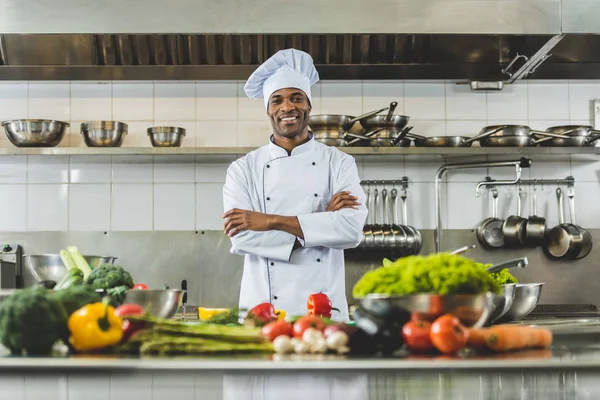
Restaurant menus are built to tempt, but kitchen veterans tend to read them differently. They notice which dishes depend on careful temperature control, which ones are easy to pad with older inventory, and which “luxury” add-ons are doing more work for the price tag than for the flavor. That does not make every version of these foods bad. It does explain why many chefs and restaurant workers approach certain orders with more caution than enthusiasm.
1. Fish specials early in the week
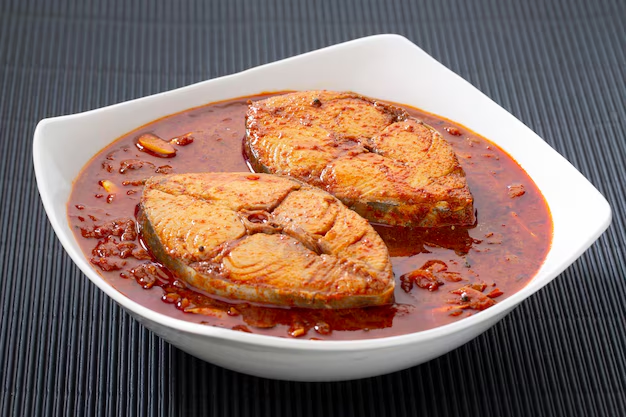
The old warning about Monday seafood has stayed alive for a reason, even if modern supply chains have improved in many restaurants. Anthony Bourdain once wrote, “If you like four-day-old fish, be my guest,” referring to the way some kitchens historically carried seafood over from weekend service. Later in his career, he said conditions had changed and many restaurants had become better at fish handling, but the caution never fully disappeared.
The bigger takeaway is not that fish is automatically bad on Mondays. It is that diners should pay attention to the restaurant’s strengths. If a place is known for seafood or moves through inventory quickly, the risk is lower. If seafood feels like an afterthought, the concern about fish that sat from a Thursday delivery into Monday service still makes the order less appealing.
2. Mussels and oysters outside seafood-focused spots
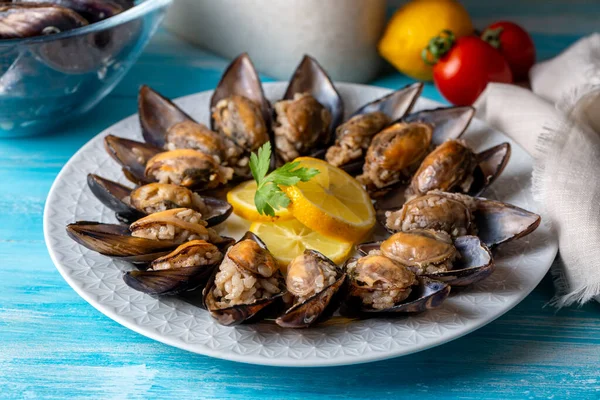
Shellfish can be excellent, but they leave little room for sloppy storage. Mussels require close inspection, cleaning, and fast turnover. Oysters demand even more confidence in handling, especially when they are served raw. That is why chefs often skip them at restaurants that do not specialize in seafood.
Raw oysters can carry Vibrio vulnificus, and restaurant workers regularly point out that shellfish quality depends heavily on volume and expertise. In places where oysters are a signature item, the odds improve. In general-purpose restaurants, many industry insiders would rather order something the kitchen works with every day.
3. Eggs Benedict and anything loaded with hollandaise
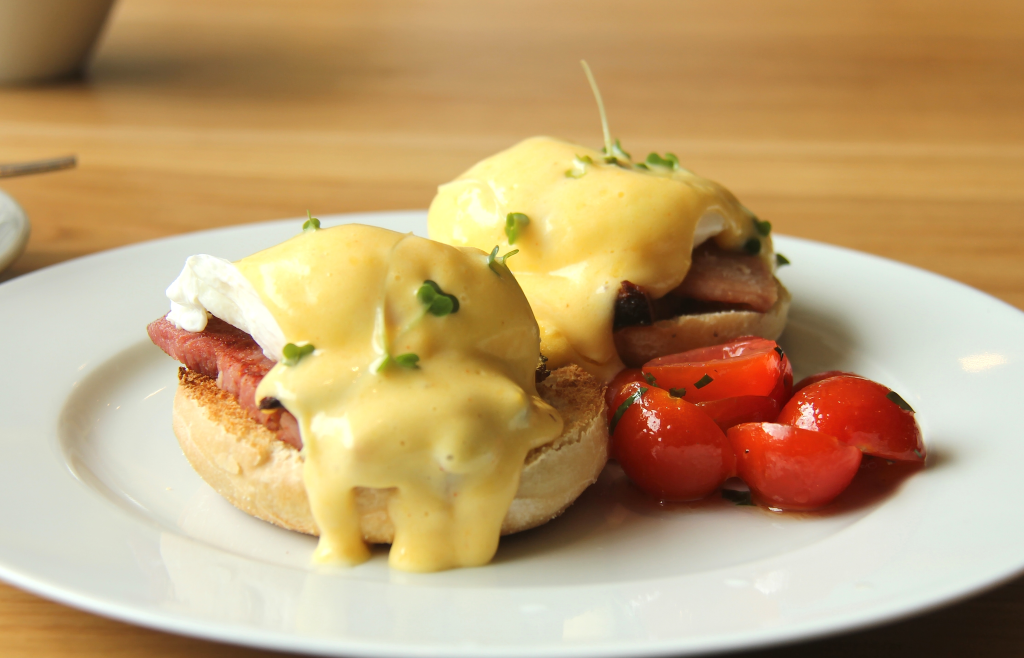
Brunch menus make this dish feel harmless. Kitchen staff know it is one of the trickier orders on the board. Hollandaise is temperamental, and it is often held warm during a busy rush. That creates two separate problems: the sauce can break, and it can spend too long in a temperature zone where bacteria thrive. One chef cited in a reference piece put it plainly: “If it’s not made to order or held just right, you can end up with a broken sauce or something that’s been sitting too long.” Add poached eggs that may also be prepped ahead, and the dish becomes a technical gamble many chefs simply avoid.
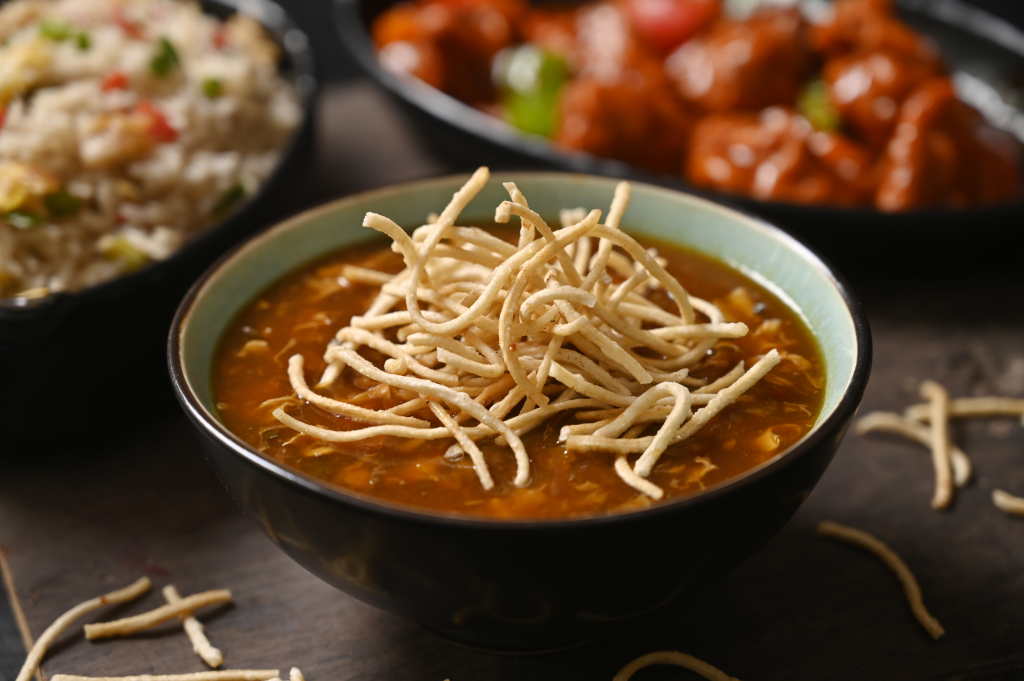
4. Soup of the day
Soup sounds comforting, but its reputation in restaurant culture is complicated. Chefs have long viewed it as one of the easiest ways to repurpose extra ingredients from prior service. Chef Jon Davis described the hesitation clearly: “The one thing I do not order at restaurants is the soup du jour. Was it really made today? How long has it been in the steam well? Did the prep cook cool it down properly?” The issue is not that all soup is low quality. It is that a rotating soup can be hard to judge unless the restaurant is specifically known for it.
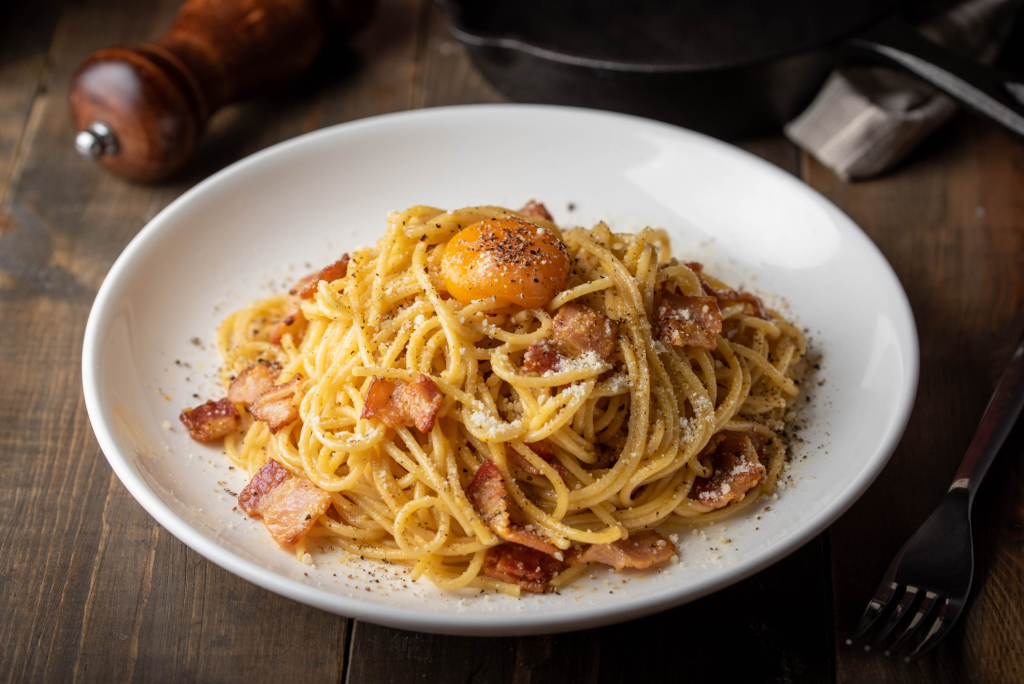
5. Truffle oil dishes
Truffle fries and glossy pasta plates still signal luxury on many menus, but chefs are often unimpressed. Much of what is sold as truffle oil is not shaved truffle in liquid form. It is a manufactured flavor built around aroma compounds that imitate part of the truffle experience without its depth.
That disconnect is exactly why cooks distrust it. One chef called it “more about the illusion of luxury than actual quality,” while another said it can overwhelm everything else on the plate. A dish finished with real truffle is one thing. A menu item leaning on synthetic truffle oil is often a branding exercise.
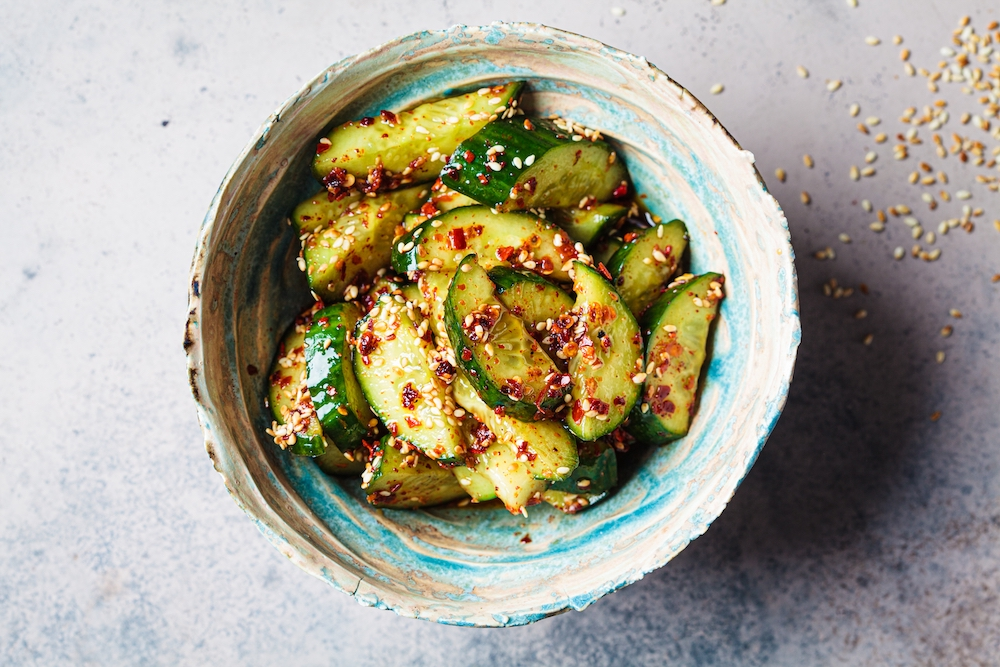
6. Trend-driven “Instagram” dishes
Chefs repeatedly draw the same line: if the plate looks designed for a phone before a fork, expectations should drop. Viral food can sell a spectacle, but that does not always mean the kitchen is showing restraint, balance, or technique.
As chef Jacinto Perez put it, “I tend to skip overly ‘Instagrammable’ dishes, the ones designed more for photos than flavor.” That warning covers a wide range of menu gimmicks, from overloaded burgers to glittery brunch stacks and gold-leaf add-ons. When presentation becomes the whole point, flavor usually stops being the priority.
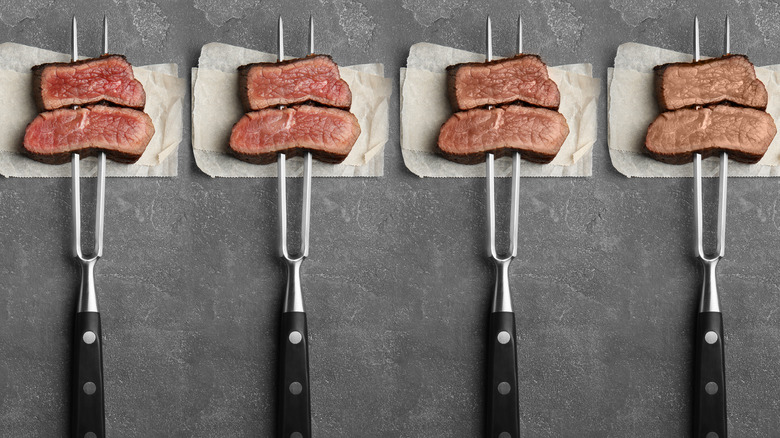
7. Steak ordered well-done
This is less a safety warning than a quality one. Chefs know that a premium steak earns its value from fat, texture, and careful cooking. Pushing it to well-done strips away much of what made the cut expensive in the first place. There is also a practical kitchen issue behind the stigma. A well-done steak can hide flaws more easily than a medium-rare one, which is why some cooks suspect lower-tier cuts are more likely to be used for that request. For diners paying steakhouse prices, the result may be the least revealing version of the product.
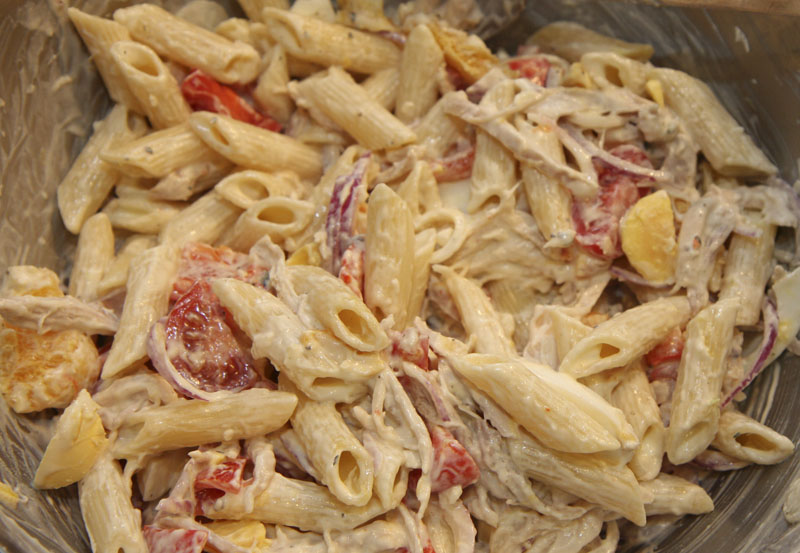
8. Chicken breast and creamy chicken pasta
These dishes stay popular because they are familiar, not because chefs find them exciting. Chicken breast dries out quickly during busy service, and many cooks say restaurants often overcook it to avoid any food safety risk. That same logic carries into chicken pasta, where precooked meat and heavy sauce can cover up a lot. Chef Luke Shaffer said restaurant chicken breast may come out “sawdust dry,” and other chefs argue that creamy pasta dishes often rely on richness to mask weak execution. In kitchens with stronger technique, darker meat or simpler sauces tend to be the better test.
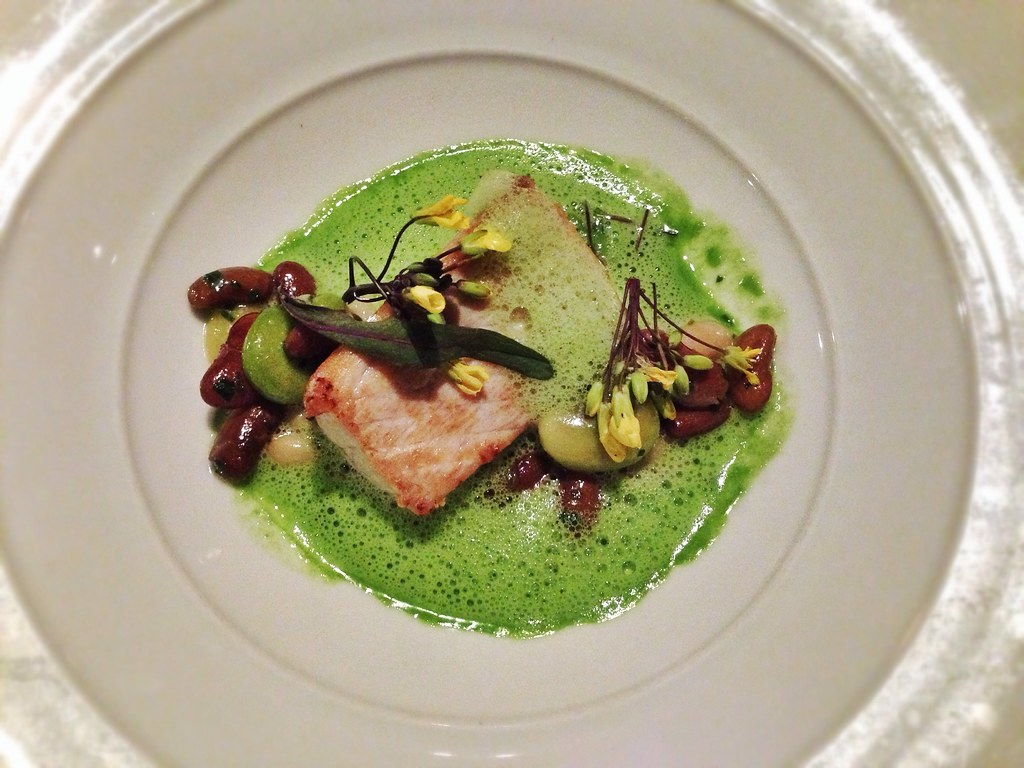
9. Swordfish
Swordfish has a devoted audience because it is meaty and mild, but restaurant workers often mention it with visible reluctance. The concern is less about the menu description than what happens before the dish reaches the grill.
Workers and chefs have pointed to anisakis parasites in swordfish as a reason they personally avoid it, even though proper cooking addresses the food-safety side. Once kitchen staff have seen how often those parasites must be removed, the appetite for ordering it can disappear fast. That reaction tends to stay with them.
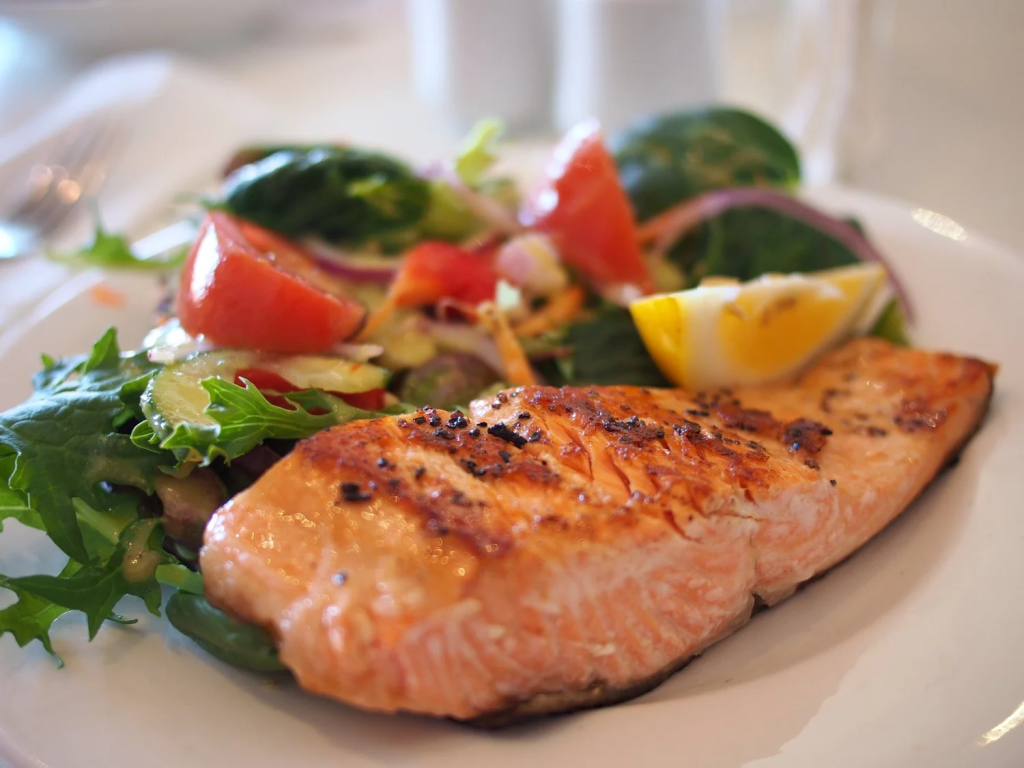
10. Specials that ignore the season
Not every special is a warning sign. Some are the best thing in the building. The red flag appears when a so-called special feels disconnected from the season and covered in sauces, fillings, or other distractions. Chef Yuu Shimano said, “I tend not to order dishes that ignore the season. If I’m going out to eat, I want to enjoy ingredients that are at their best at that moment.” That idea explains why many chefs look for specials built around peak produce, not heavy repurposing. A true special usually highlights freshness. A suspicious one often hides it.
The common thread across these orders is simple: chefs usually avoid menu items that depend on disguise. Sometimes that means disguise through sauce, sometimes through trendiness, and sometimes through a vague label like “special” or “house.” For diners, the safer bet is often the restaurant’s clearest identity. Seafood at a busy raw bar, pasta at a serious Italian kitchen, or a seasonal dish in a place that actually cooks with the season will usually reveal more than the menu’s flashiest trap.

