
Movie sets are built to sell illusion, but the stories behind some famous performances reveal something far less polished. In a number of productions, directors chased realism through physical risk, emotional pressure, or working conditions that would now draw far sharper scrutiny.
These cases stand out not because filmmaking is hard, but because the hardship crossed into danger, humiliation, or lasting harm. Together, they show how often a memorable scene came with a cost the audience never saw.
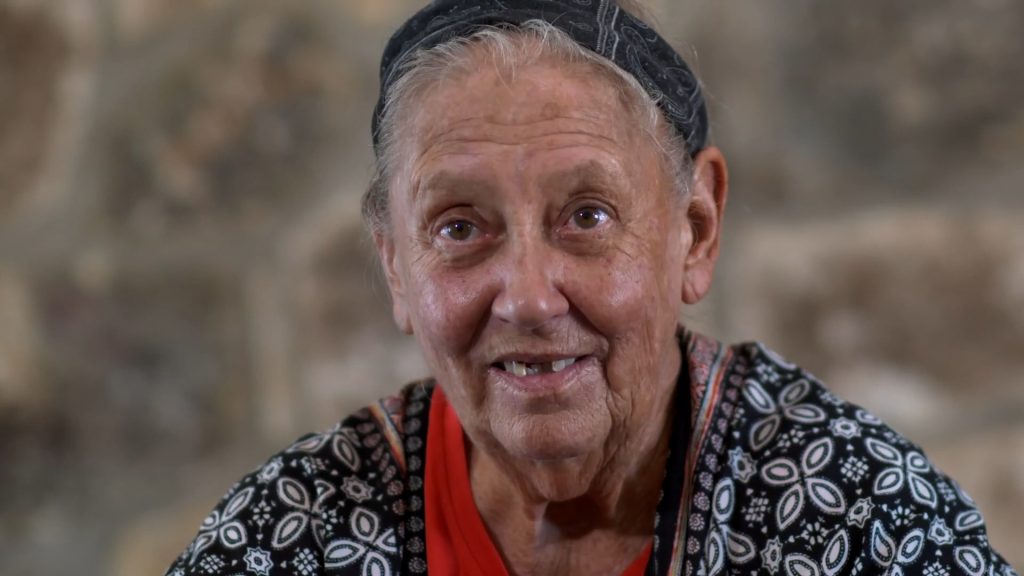
1. Shelley Duvall in The Shining
Shelley Duvall’s experience on Stanley Kubrick’s horror classic has become one of the clearest examples of emotional exhaustion being used as a filmmaking tool. She was reportedly isolated from much of the cast and crew, while the baseball bat sequence required 127 takes, a figure widely repeated in accounts of the production. The unrelenting crying and repetition left her dehydrated and physically depleted, and she later described the process as excruciating.
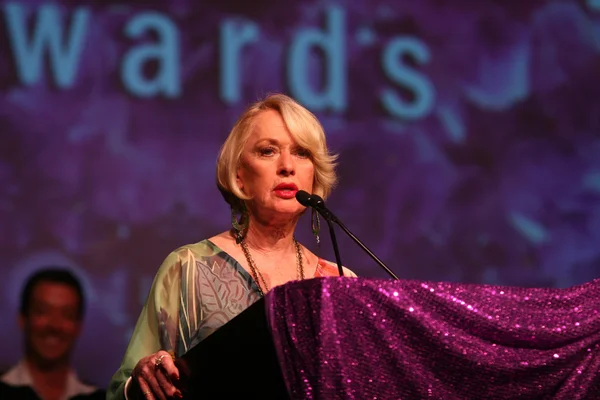
2. Tippi Hedren in The Birds
Tippi Hedren expected mechanical effects for the film’s climactic attack scene, but the production instead used live birds. For days, handlers and crew threw birds at her during filming, turning a suspense sequence into a punishing ordeal. The result was collapse from exhaustion and injuries that made the scene’s panic look painfully authentic.

3. Uma Thurman in Kill Bill: Vol. 2
Uma Thurman had raised concerns before filming a driving sequence on a sandy road, but the stunt went ahead. She crashed into a tree and suffered injuries to her neck and knees that she later said never fully disappeared. Years later, discussion around the film shifted from the scene itself to the broader issue of how performers’ safety objections are handled on set.
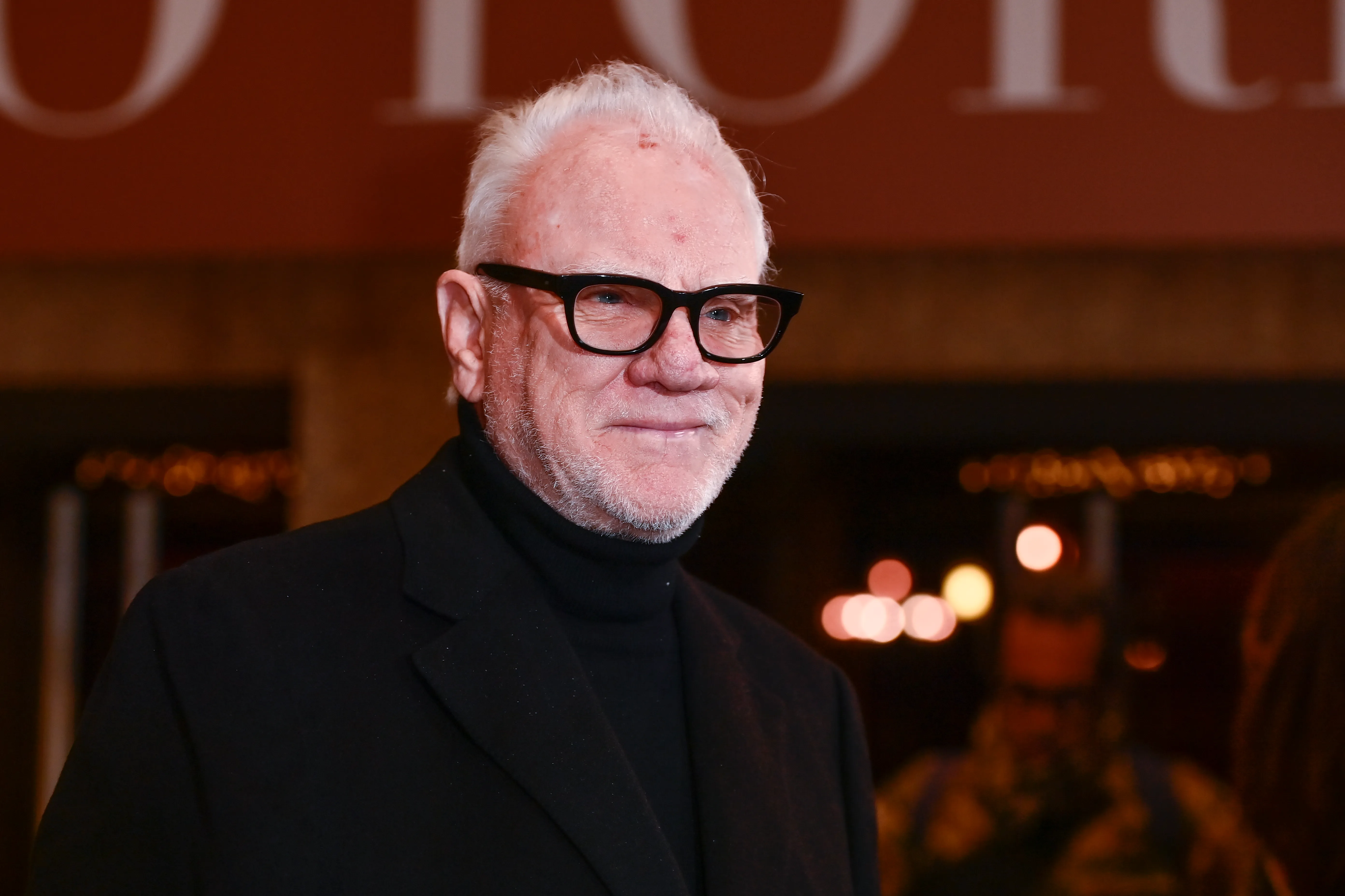
4. Malcolm McDowell in A Clockwork Orange
The famous eye-clamp scene remains one of cinema’s most unsettling images, and its production was also physically damaging. Malcolm McDowell’s corneas were scratched by the metal apparatus used to hold his eyes open, causing temporary blindness. He also sustained cracked ribs during another sequence, underscoring how far the production pushed for distress that did not have to be simulated.

5. Isla Fisher in Now You See Me
Isla Fisher’s underwater escape scene became dangerous when her release chain jammed. Because the crew read her movements as performance rather than distress, the emergency was not recognized immediately. She eventually reached the safety switch herself, narrowly avoiding drowning while still in front of the cameras.
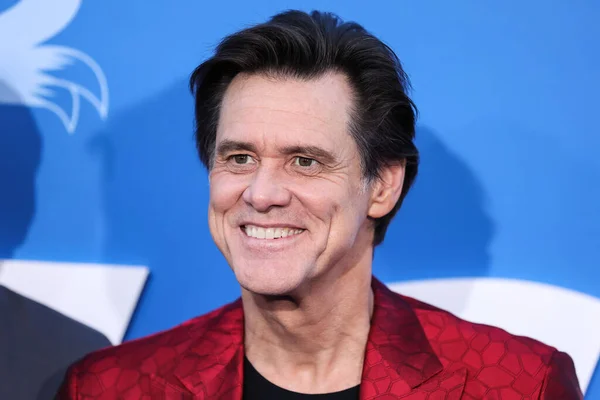
6. Jim Carrey in How the Grinch Stole Christmas
The transformation into the Grinch involved makeup sessions that stretched beyond eight hours a day. Jim Carrey compared the sensation to being buried alive, and the strain became so intense that the production reportedly brought in a specialist to help him endure the process. It remains one of the best-known examples of a performance burden created not by stunts, but by prosthetic confinement.

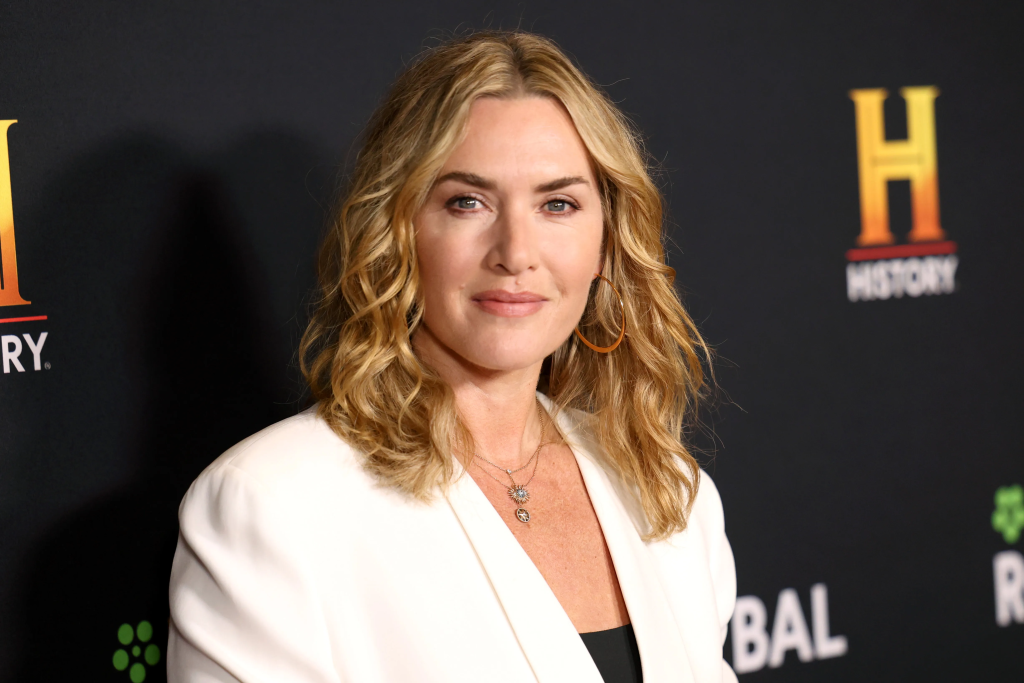
7. Kate Winslet in Titanic
James Cameron’s giant water-tank production pushed cast and crew through cold, extended shoots that became part of the film’s legend. Winslet worked in freezing water, developed pneumonia, and nearly got trapped when part of her costume snagged underwater. The broader production was notorious for grueling conditions, and accounts of cast and crew becoming ill during the water-heavy shoot helped define its behind-the-scenes reputation.
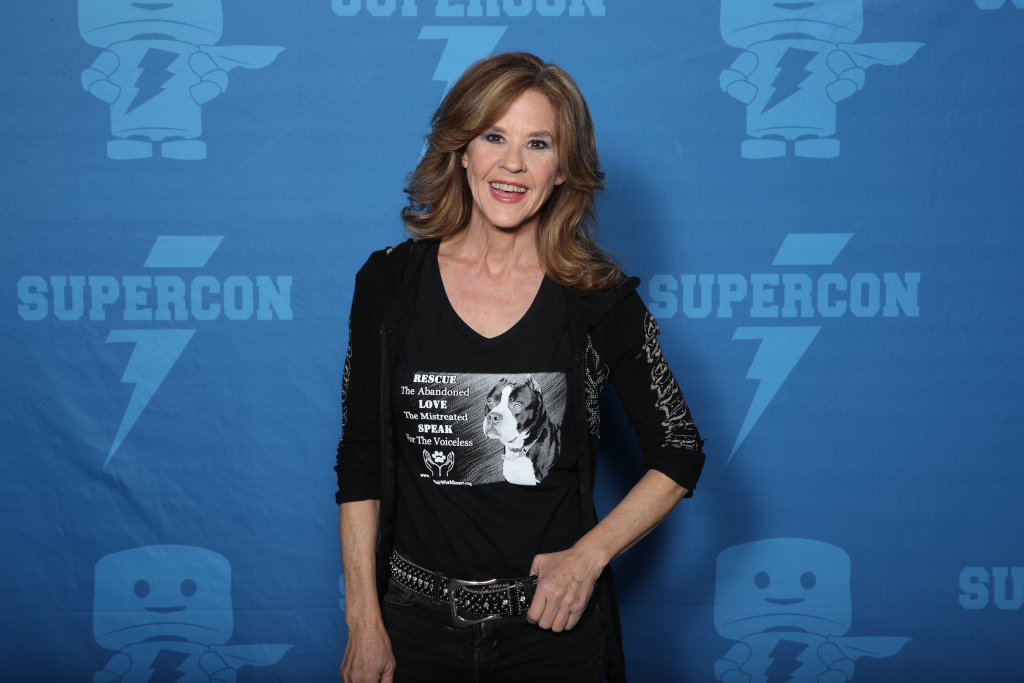
8. Linda Blair in The Exorcist
Linda Blair was strapped into a mechanical rig to create Regan’s violent thrashing, but the equipment malfunctioned during filming. She fractured her lower spine, and her cries of pain made it into the finished movie. The injury reportedly contributed to chronic back issues that followed her long after the production ended.

9. Maria Schneider in Last Tango in Paris
Maria Schneider later said that a relations humiliating scene was devised without her full consent beforehand. What made the incident so disturbing was the stated desire for a real reaction rather than a performed one. Her account has since become central to wider conversations about consent, power, and the way “authenticity” was too often weaponized in older productions.
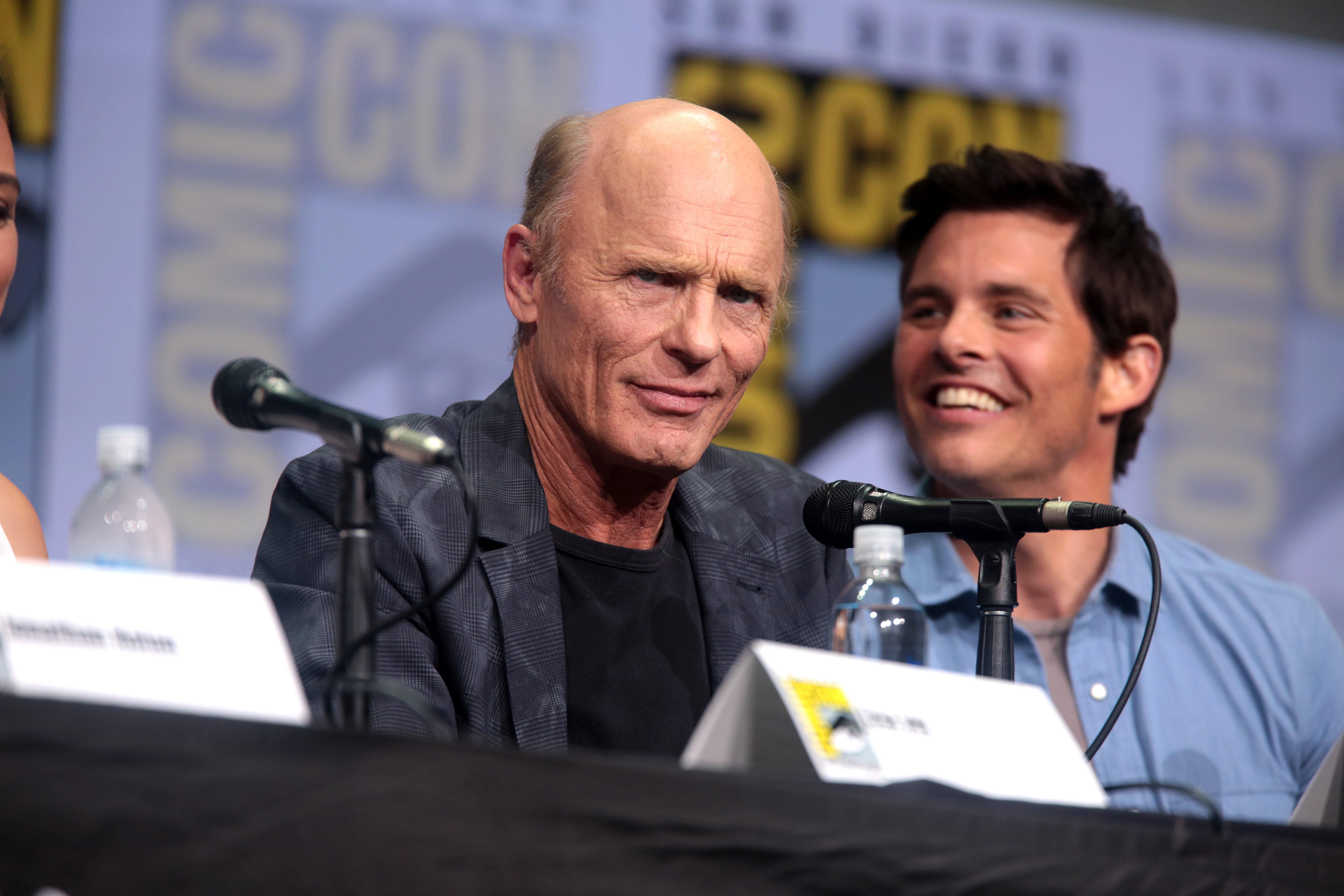
10. Ed Harris in The Abyss
Water shoots have a reputation for becoming punishing, and The Abyss is often cited as one of the harshest examples. Ed Harris nearly drowned during an underwater sequence, while the wider production left several participants dealing with symptoms of decompression sickness. Harris later spoke about the toll the movie took, and the film’s technical ambition became inseparable from the misery of making it.
11. Margaret Hamilton in The Wizard of Oz
Margaret Hamilton’s fiery exit as the Wicked Witch went wrong when a trap-door effect failed to protect her from the flames. She suffered second-degree burns to her face and hands and was sidelined for weeks. The production’s makeup materials added another hazard, since some formulations used at the time included toxic ingredients.
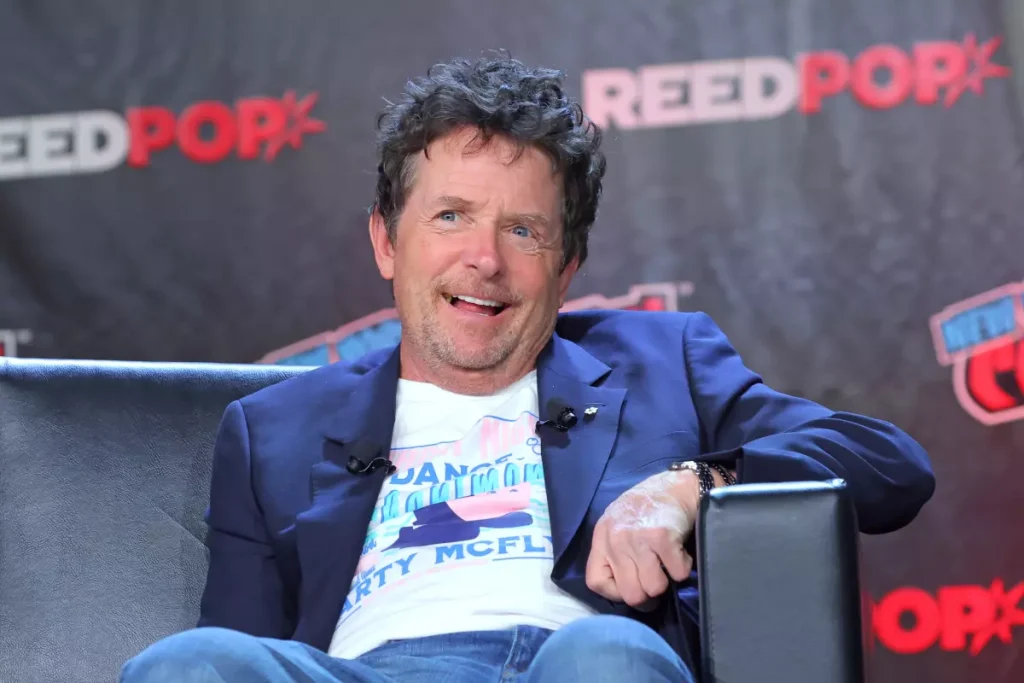
12. Michael J. Fox in Back to the Future Part III
Michael J. Fox came dangerously close to real asphyxiation while filming a hanging scene. A safety measure slipped, the rope tightened, and he lost consciousness before the mistake was fully noticed. His earlier years on the franchise were already exhausting, with overnight filming scheduled around his television commitments, making his workload unusually punishing even before the accident.
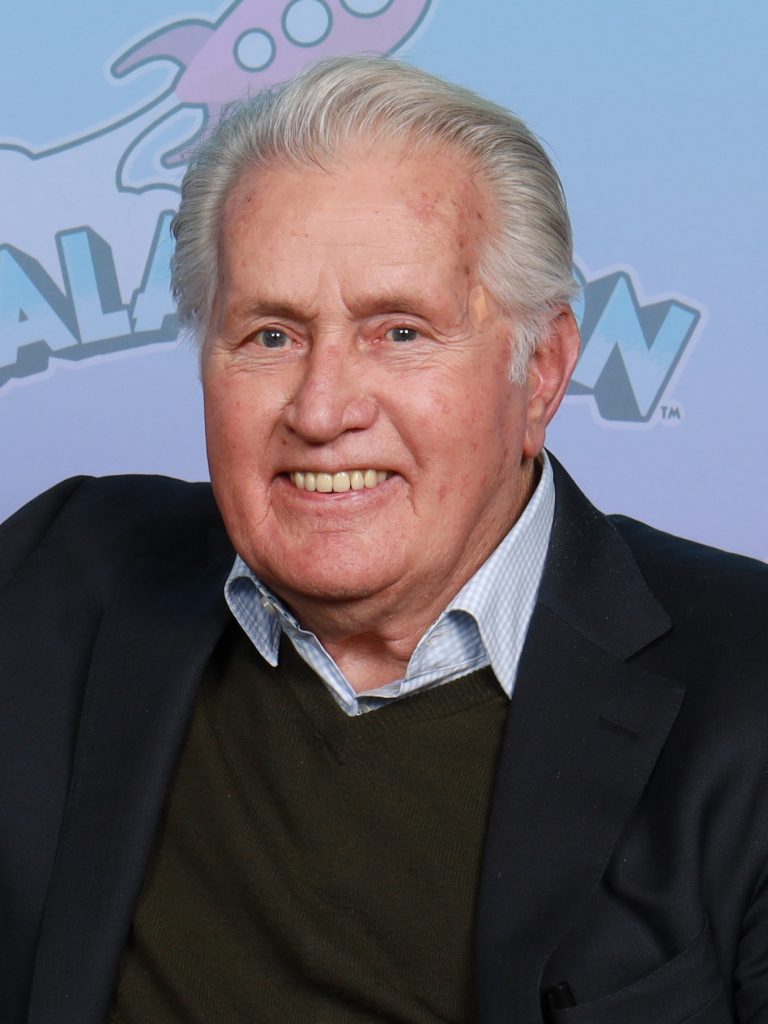
13. Martin Sheen in Apocalypse Now
Apocalypse Now has long stood as a symbol of a production drifting to the edge. Martin Sheen suffered a heart attack during filming and later returned to continue work, even as the troubled shoot stretched on for a year and weather destroyed sets. His struggle unfolded inside a production already made unstable by delay, excess, and constant pressure.
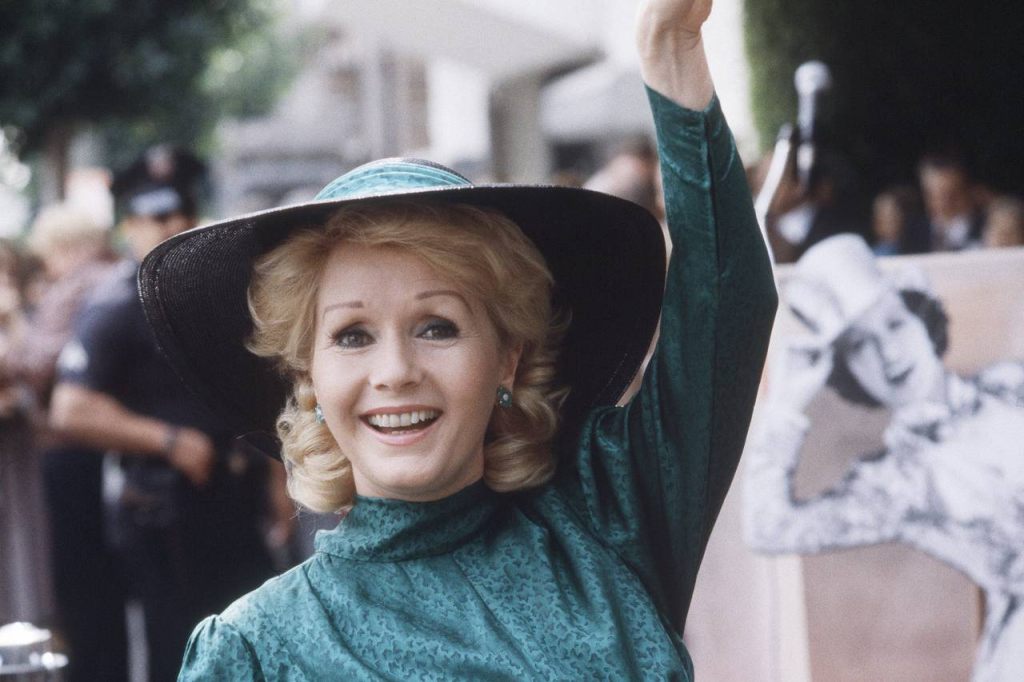
14. Debbie Reynolds in Singin’ in the Rain
Debbie Reynolds was not injured by explosions or stunt rigs, but by relentless physical demand and a hostile working atmosphere. She practiced dance routines until her feet bled and later recalled the film as one of the hardest experiences of her career. The contrast between the movie’s brightness and the labor behind it remains especially striking.
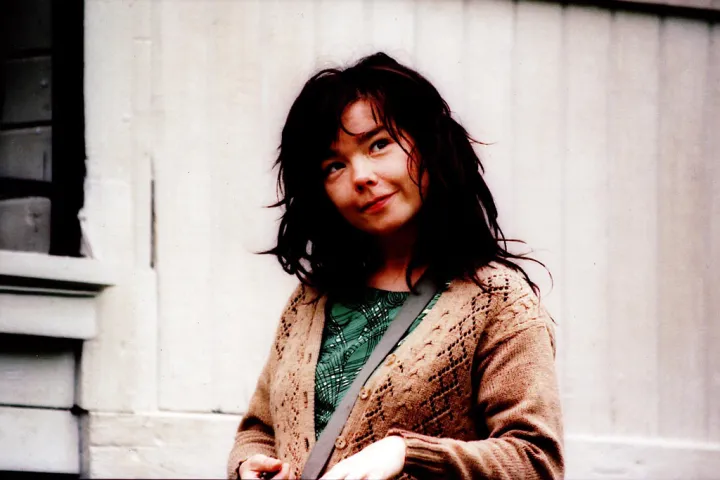
15. Björk in Dancer in the Dark
Björk’s clash with Lars von Trier became one of the defining stories attached to the film. She described an atmosphere of manipulation and boundary-pushing that left her deeply distressed. The aftermath mattered as much as the shoot itself: the experience was severe enough that she stepped away from acting for years.
16. Burt Reynolds in Deliverance
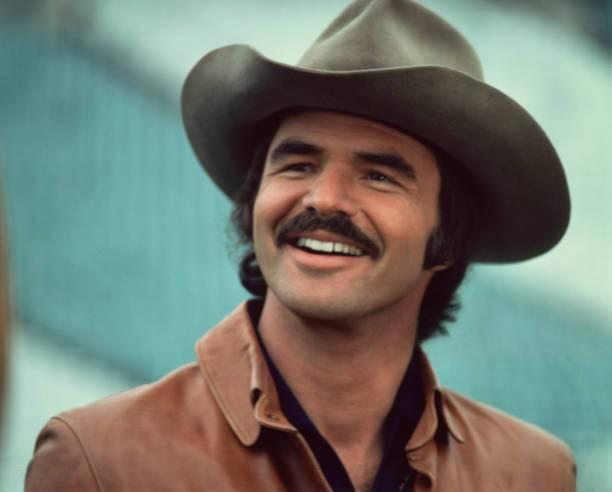
Burt Reynolds insisted on doing his own canoe stunt over a waterfall, a choice he later admitted was a mistake. He hit a rock and shattered his tailbone, leaving him with long-term pain. The production’s harsh reputation fits a wider pattern seen in physically punishing location shoots, including films often cited among the most grueling movies ever made.
17. Léa Seydoux in Blue Is the Warmest Color
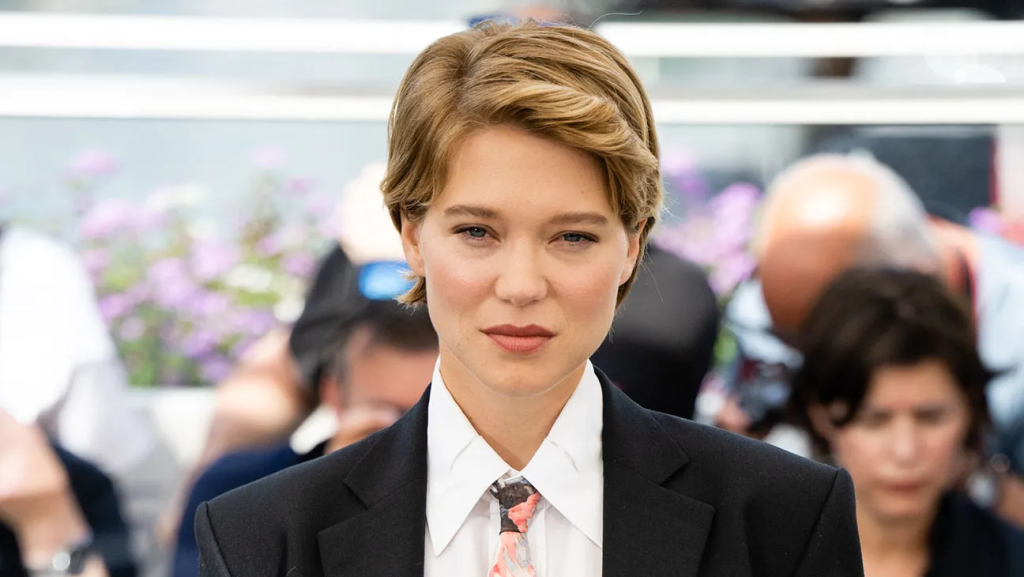
The film’s most discussed scene was also one of its most criticized production stories. Léa Seydoux said the closeness sequence was filmed over roughly ten days, with repeated takes that left the actresses feeling exposed and disrespected. The backlash centered not on the scene’s content alone, but on whether the working process treated performers as collaborators or as material.
18. Gene Hackman in The French Connection
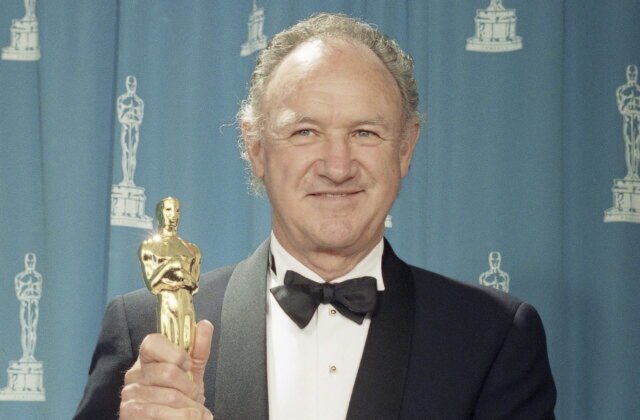
Gene Hackman reportedly was not warned in advance about a planned impact during the famous chase sequence. The surprise produced a real reaction, but also put him in harm’s way when he hit his head. It is one of those stories that captures an older directing philosophy: if shock looked good on camera, some productions were willing to risk too much to get it.
19. Sylvester Stallone in Rocky IV
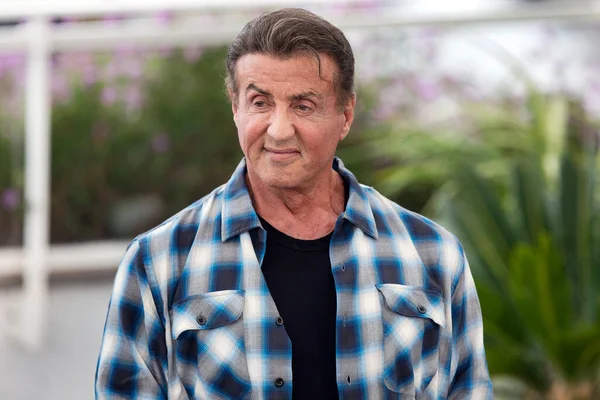
Sylvester Stallone wanted the boxing scenes to feel real and asked Dolph Lundgren to hit him for actual impact. One punch caused a serious chest injury that sent Stallone to intensive care, with doctors comparing the trauma to what is seen in major vehicle collisions. The scene sold force on screen because the force was real enough to become a medical emergency.
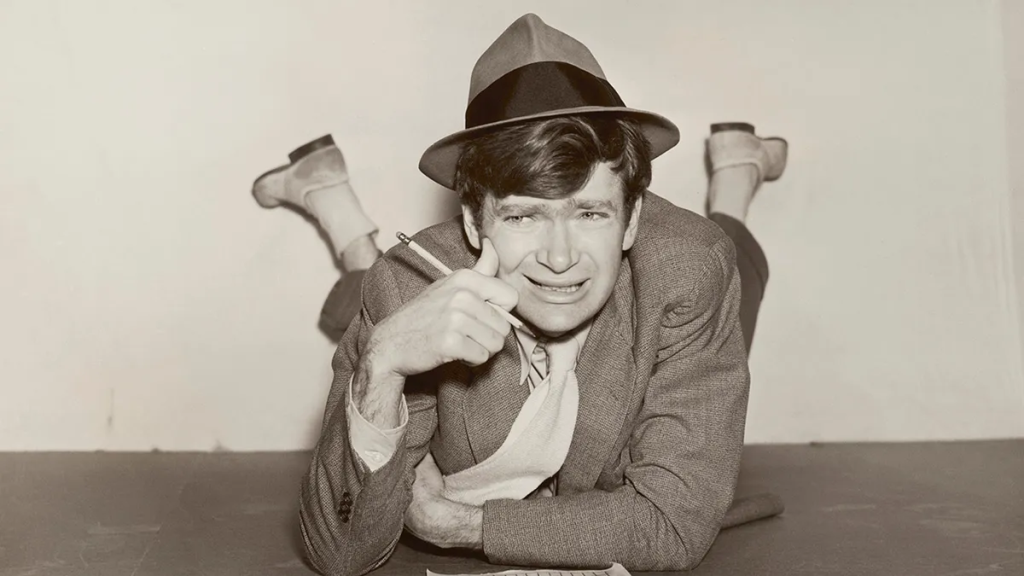
20. Buddy Ebsen in The Wizard of Oz
Buddy Ebsen never got to appear in the finished film as the Tin Man, but his ordeal remains one of Hollywood’s starkest makeup disasters. The original aluminum powder coating reportedly triggered a near-fatal reaction that left him struggling to breathe in an oxygen tent for weeks. The role was recast, and the makeup formula was changed, but the incident still reads like a warning from an earlier, far less protected era.
What links these stories is not genre, decade, or box office fate. It is the repeated idea that unforgettable filmmaking sometimes relied on pain that was avoidable, poorly managed, or simply accepted as part of the job. That history now functions as more than trivia. It is a record of how performance, power, and workplace safety collided behind the camera long before audiences ever saw the finished scene.

