
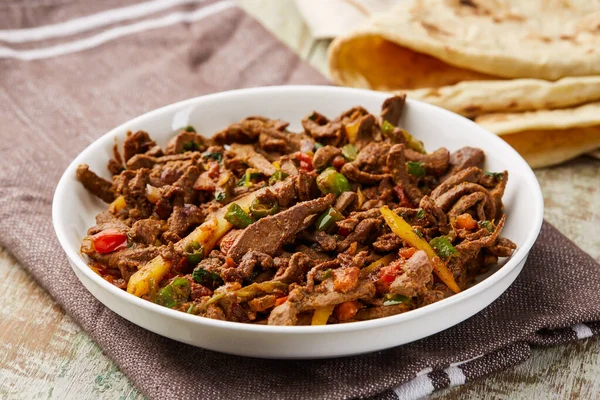
American meat culture has long celebrated steaks, chops, burgers, and roast chicken. Yet a separate category of proteins still makes many diners hesitate, not always because of flavor alone, but because of texture, appearance, history, and the stories attached to them. That divide helps explain why certain cuts keep turning up on dislike lists even when they remain important in regional cooking, immigrant food traditions, and nose-to-tail kitchens. A 2025 YouGov poll of 2,239 U.S. adults captured that tension clearly, with organ meats and strongly flavored proteins drawing some of the sharpest reactions.
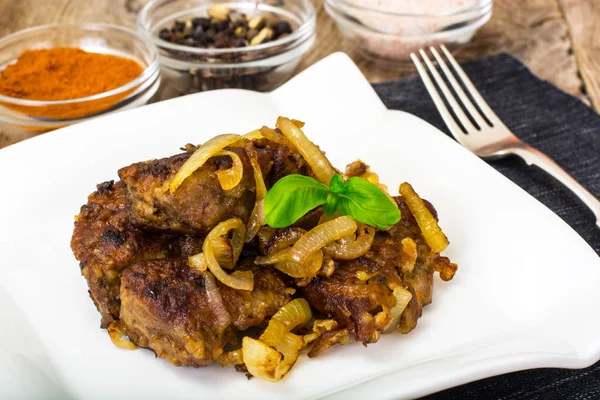
1. Beef Liver
Liver remains one of the clearest examples of a food people reject before the first bite. Its mineral-heavy, metallic flavor and soft-grainy texture have been unpopular for generations, and the classic liver-and-onions pairing has never fully escaped its old-fashioned reputation. The backlash is measurable. In the YouGov results, 40 percent said they hated liver outright, making it the most disliked food in much of the country. Its reputation is especially striking because liver is also nutrient-dense, often described as rich in vitamin A, iron, vitamin B12, and folate. American resistance to it runs deeper than nutrition, tied to memory, smell, and the visual reality of eating an organ rather than a familiar muscle cut.
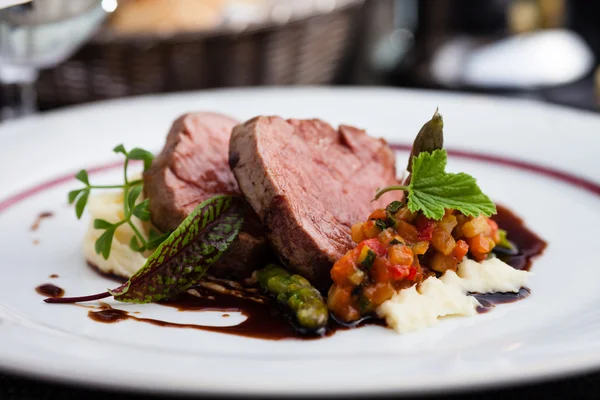
2. Veal
Veal’s problem is different. Many diners object to it less for taste than for what it represents. The meat is prized in some European and restaurant traditions for tenderness and delicacy, but in the United States it has been burdened for decades by animal-welfare concerns. Public attitudes shifted sharply in the late twentieth century, and veal never fully recovered its place in the average home kitchen. Even when the flavor is mild and the texture is soft, many consumers simply do not want to engage with the category at all.
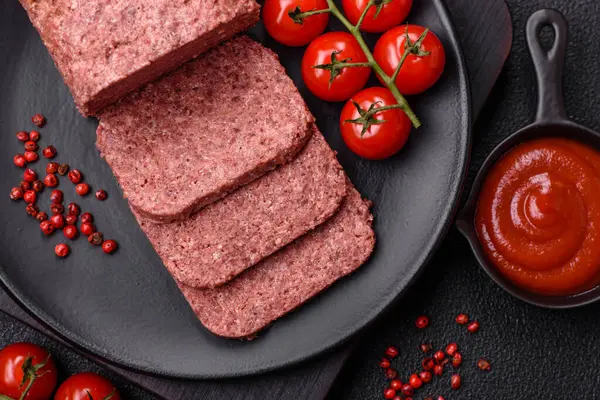
3. Canned Spiced Ham
Canned spiced ham occupies a strange place in American food memory: iconic, recognizable, and still easy to mock. For many people, the issue begins with appearance. The loaf shape, glossy surface, and gelatinous coating can feel more industrial than appetizing.
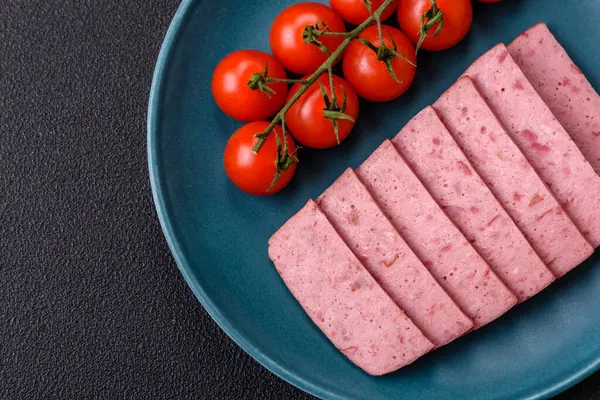
Its broader image does not help. It is often associated with ration-era food, emergency pantry cooking, or budget meals rather than fresh preparation. The heavy salt content and highly processed profile have also made it harder to fit into modern ideas of everyday protein. Even among people who enjoy it fried or crisped, affection tends to be nostalgic rather than universal.
4. Beef Tongue
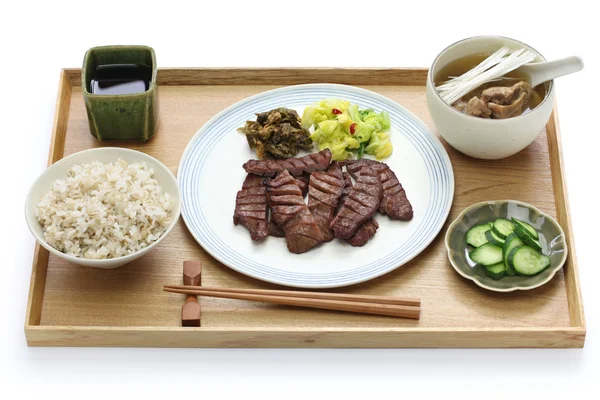
Beef tongue shows how appearance can overpower flavor. Once peeled and properly cooked, it is often compared to a rich pot roast, but many diners never get that far because the cut looks exactly like what it is. That anatomical realism creates an immediate barrier in a culture that often prefers meat to arrive visually disconnected from the animal. Tongue also demands patience: long, slow cooking is usually needed to soften the dense muscle. In taco shops, Jewish delis, and regional cuisines, it remains respected. Outside those contexts, it still reads as a challenge rather than dinner.
5. Bologna
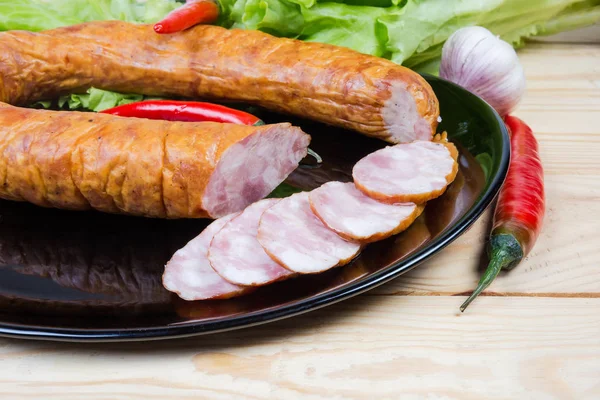
Bologna is common enough to be familiar and divisive enough to be ridiculed. Its smooth texture, pink color, and “mystery meat” reputation have made it an easy target for anyone suspicious of processed lunch meat. That suspicion has some historical roots. Americans have often accepted offal and trimmings more readily when they are hidden inside sausages and emulsified meats than when served whole. One long-observed irony in U.S. eating habits is that organ meats are frequently rejected in visible form but tolerated once ground, seasoned, and sliced. Bologna survives on convenience and nostalgia, not on broad admiration.
6. Blood Sausage
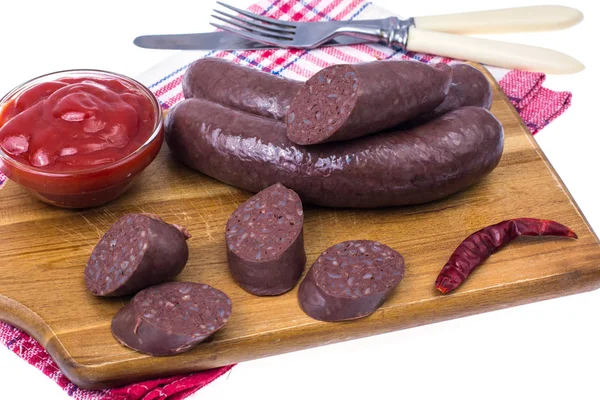
Blood sausage faces one of the strongest cultural taboos in the American diet: the idea of blood as a central ingredient. Even in places where blood-based sausages are traditional and respected, the name alone can end the conversation before the plate reaches the table. Its deep color, earthy flavor, and sometimes crumbly or pudding-like texture place it far outside the profile of the sweet or savory breakfast sausages many Americans know best. The resistance is not only sensory. It also reflects distance from older culinary traditions that treated every edible part of an animal as valuable.
7. Tripe
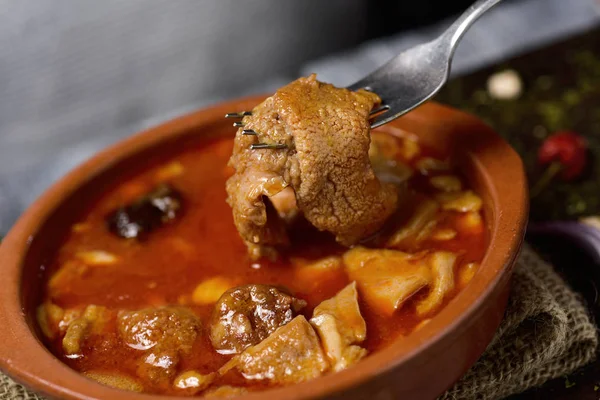
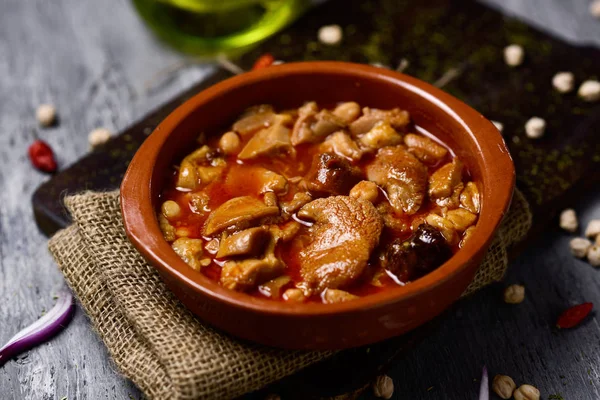
Tripe asks a lot from the eater. It is stomach lining, it has a distinct honeycomb look, and when it is not cooked long enough, the chew can feel relentlessly rubbery. Yet tripe also reveals how much dislike depends on context. In soups, stews, and regional specialties across many cultures, it is appreciated for the way it absorbs broth and seasoning. In mainstream American cooking, though, its smell during preparation and its unmistakable texture have kept it on the margins. The same country that embraces culinary diversity still often draws the line at meats that announce exactly where they came from.
Taken together, these meats say as much about American taste as they do about the foods themselves. Familiarity, class stigma, processing, and visual comfort all shape what people call appetizing. The result is a food culture that often praises adventurous eating in theory while continuing to keep certain meats at arm’s length in practice.

