
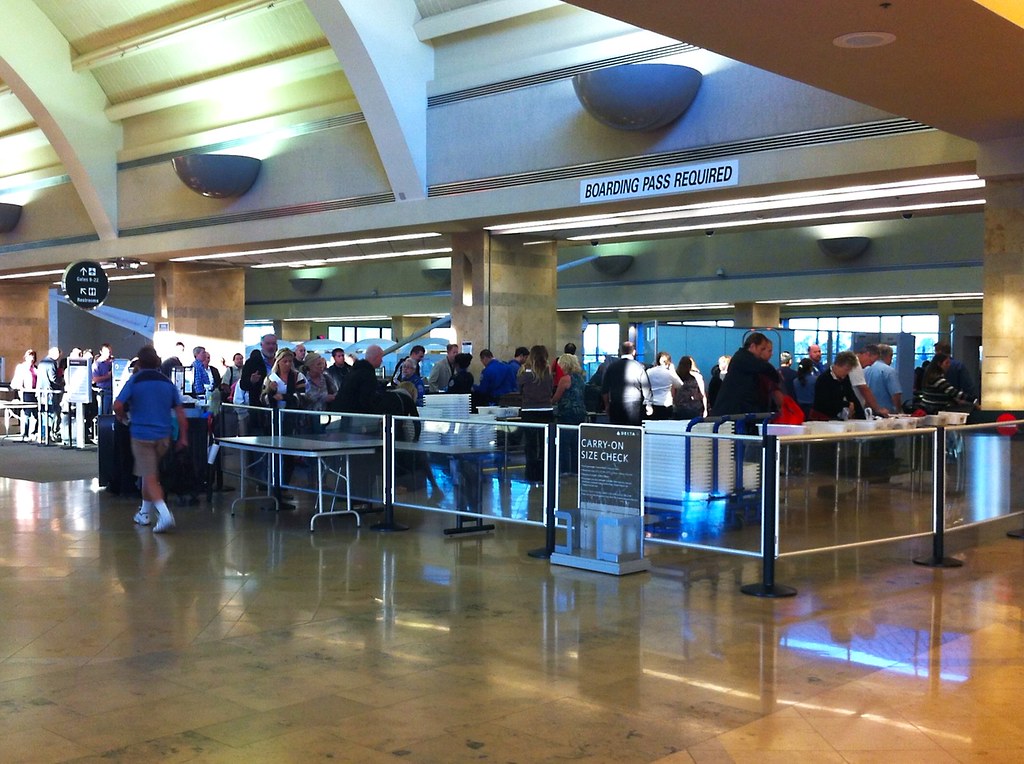
Airport security delays often start long before a bag reaches the X-ray belt. TSA guidance shows that the biggest slowdowns usually come from small, repeated mistakes travelers make while packing, waiting, and stepping into the screening area.
The pattern is familiar: a traveler digs for an ID, forgets a tablet in a backpack, or reaches the front of the line with a full drink bottle. Each individual delay is brief, but at scale it can stall an entire checkpoint. TSA says preparation and attention to instructions are what keep lines moving.
1. Waiting until the front of the line to get ready
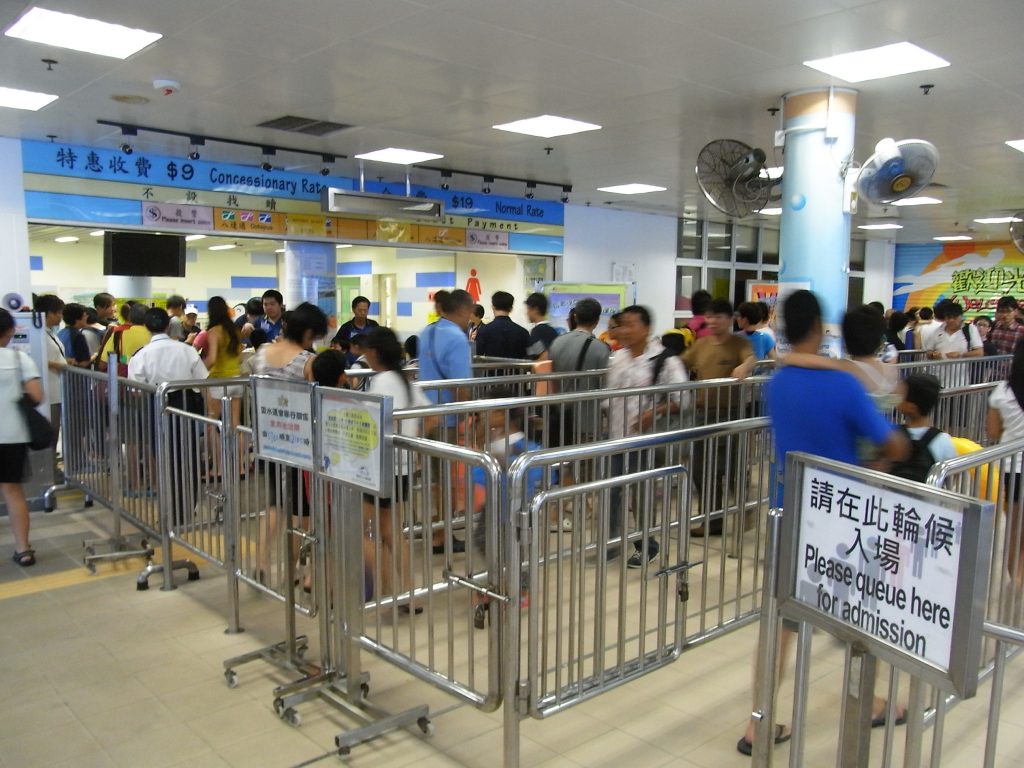
One of the most common bottlenecks happens when travelers arrive at the conveyor belt and only then begin searching for identification, boarding information, or items that need to be screened separately. TSA officers have said passengers often focus so much on the destination that they stop paying attention to the steps required before the checkpoint is finished. That delay compounds quickly in a crowded lane. Keeping an ID accessible and using the time before the belt to empty pockets, remove required items, and organize bins helps reduce stoppages for everyone behind.
2. Bringing liquids that do not follow the 3-1-1 rule
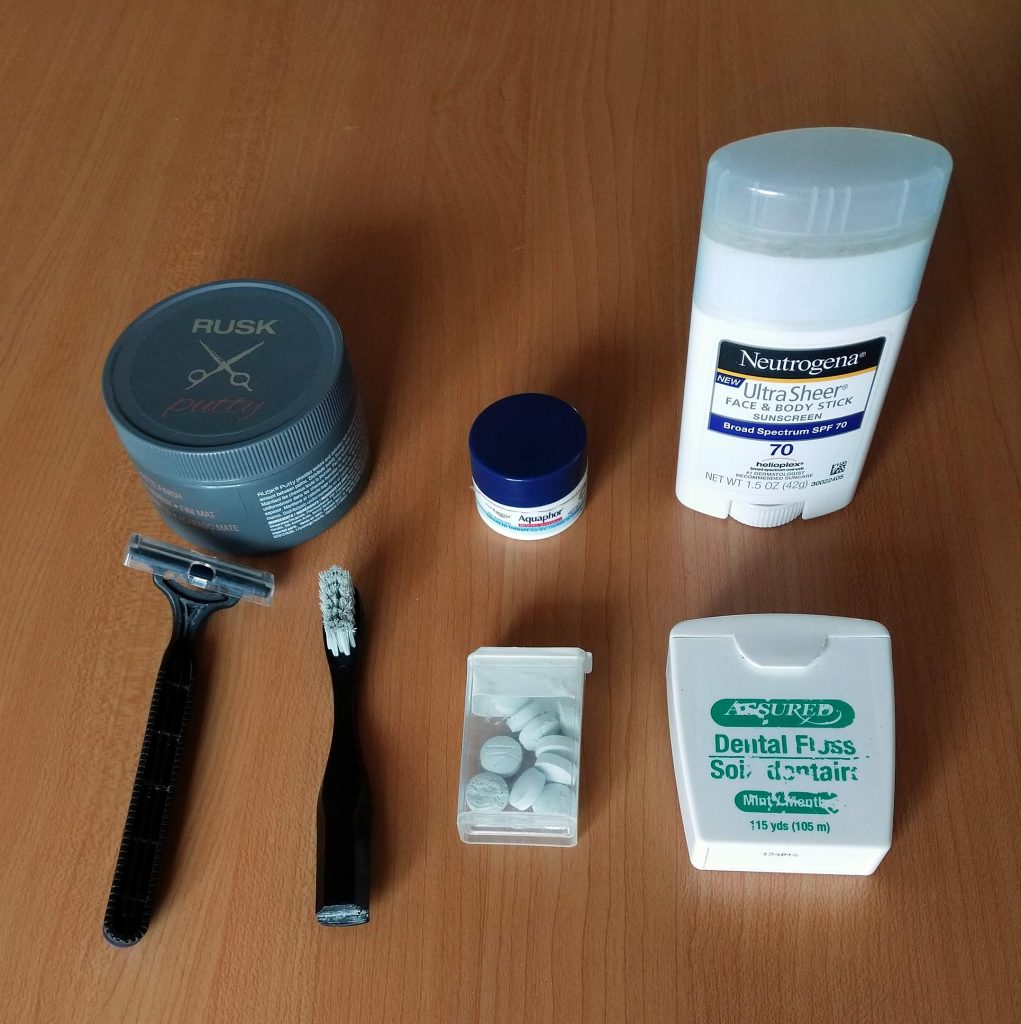
Filled water bottles, oversized toiletries, coffee cups, and other drinks remain one of the easiest ways to trigger a bag check. TSA’s 3.4-ounce liquid limit in a quart-sized bag still applies to standard carry-on screening, and items outside that rule can lead to repacking or disposal at the checkpoint. Even compliant liquids can require more time if they are buried inside a crowded carry-on. TSA notes that separating these items from the rest of the bag helps screening move more smoothly.
3. Leaving large electronics inside a carry-on in standard lanes
Laptops are not the only devices that matter. In standard screening lanes, travelers are asked to remove personal electronics larger than a cell phone and place them in a bin by themselves for X-ray screening. TSA says electronics larger than a cell phone should be screened separately in standard lanes because that gives officers a clearer image. Tablets, e-readers, and handheld game consoles are common items that slow things down when they stay packed under clothing, chargers, and snacks.
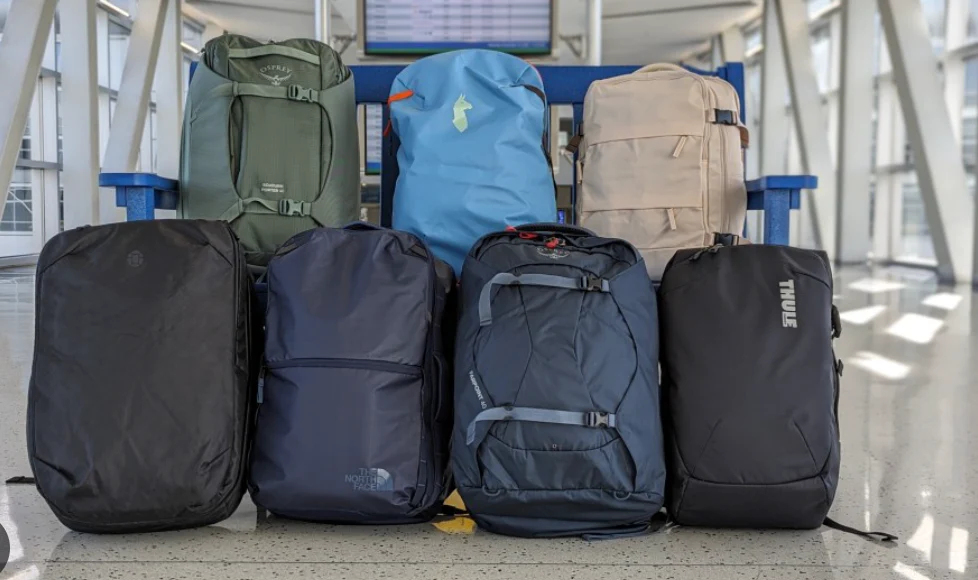
4. Packing cluttered, overstuffed bags
A jam-packed carry-on takes longer to inspect, and TSA says that is true even when nothing prohibited is inside. Dense bags can obstruct clear X-ray images, especially when food, electronics, powders, cords, and toiletries are stacked together. TSA advises travelers to keep bags organized and uncluttered because officers may need to separate items that block visibility on the scanner. That matters more than many travelers realize. A messy bag can lead to manual inspection, added screening, and a line that stops while one passenger sorts through everything at the table.
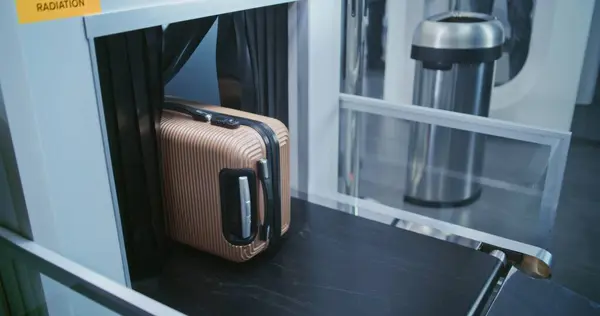
5. Forgetting to empty every pocket
TSA officers routinely remind travelers that “everything” means everything. That includes keys and phones, but also tissues, lip balm, breath mints, coins, and other small items people often overlook. When something remains in a pocket, it can trigger an alarm and require a second pass or additional screening. The holdup usually lasts only a minute, but repeated across dozens of passengers, it becomes a major reason lines drag.
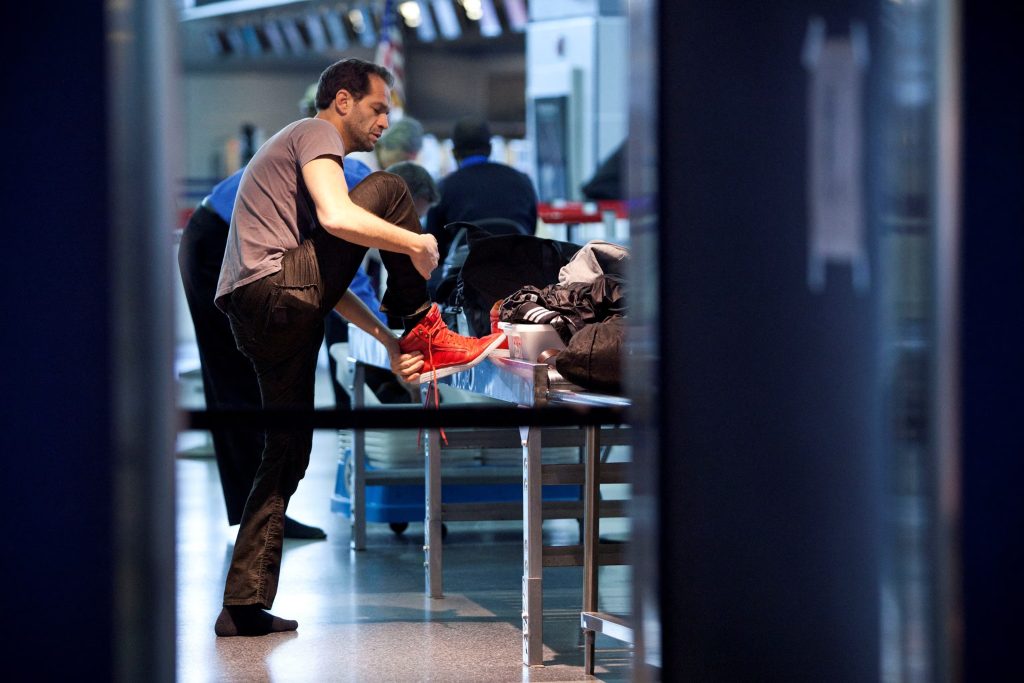
6. Wearing clothing and accessories that create extra screening
Security lines tend to slow when travelers arrive wearing hard-to-remove shoes, bulky outerwear, or accessories that need to come off in a rush. TSA says light outer garments and bulky clothing can require removal or added screening, and belts or metal-heavy accessories may also create delays. Simple clothing choices help keep the checkpoint moving. Slip-on shoes, minimal metal, and easy-to-manage layers reduce the need to pause at the scanner and reorganize afterward.
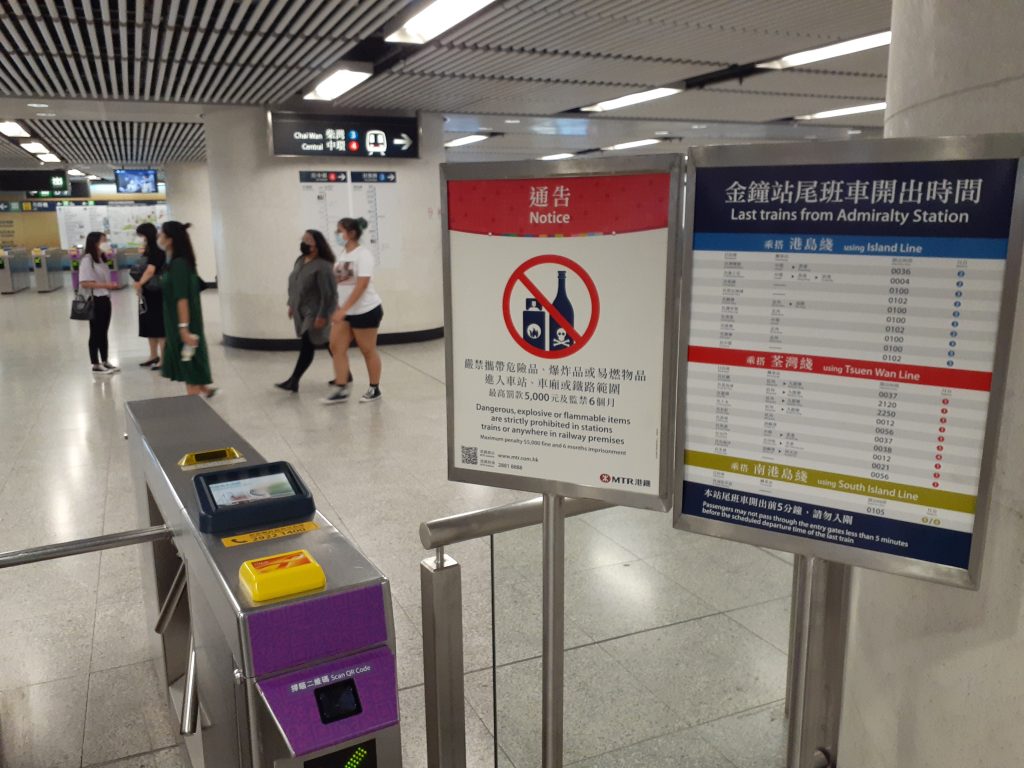
7. Packing prohibited items and assuming they will slide through
Some delays are far more serious than a forgotten water bottle. TSA officers have repeatedly warned that travelers still show up with knives and other weapons in carry-ons, even though those items are prohibited at the checkpoint. In a 2024 TSA reminder, Officer Aisha Hicks said, “Weapons of any kind are prohibited through a TSA checkpoint.” Even less severe prohibited items can force a bag search and hold up a lane. Checking prohibited items before packing reduces the chance of a time-consuming inspection.
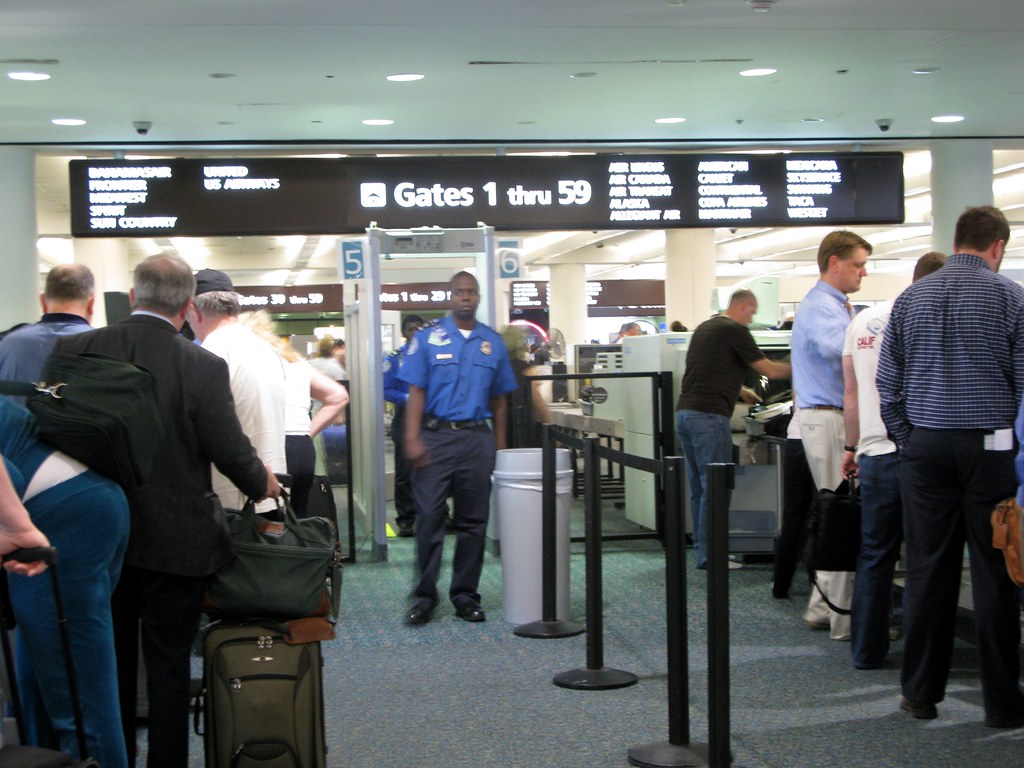
8. Ignoring instructions because every airport feels the same
TSA has been especially direct on this point: travelers should listen to officers at the checkpoint in front of them, not rely on habit from a previous airport. Screening technology and lane procedures can differ, which changes what needs to come out of a bag and what can stay inside. As TSA advisor TeaNeisha Barker said, “Not every airport has the same technology, so listen to the guidance we are offering.” That advice matters because familiar routines are often what create avoidable mistakes. A traveler who assumes the rules are identical everywhere may slow the line more than someone flying for the first time.
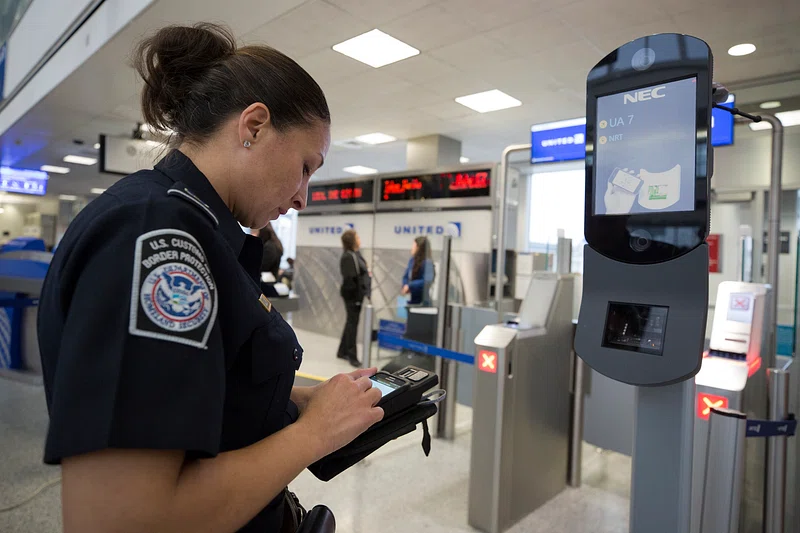
TSA screens approximately 3.3 million carry-on bags daily, so small inefficiencies add up fast. Most checkpoint delays are not caused by unusual circumstances. They come from ordinary habits that force extra explanations, extra bag checks, or repeat screening. The fastest travelers are usually not rushing. They are simply ready before they reach the belt, packed in a way officers can screen quickly, and paying attention to the instructions in the lane they are actually using.

