
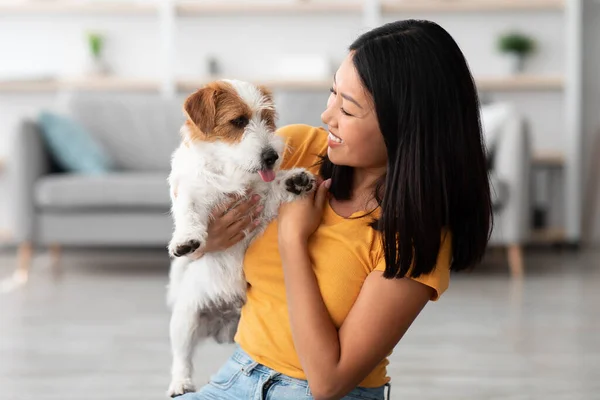
Trust with a dog rarely appears in one dramatic moment. It usually grows through ordinary routines that feel safe, predictable, and easy to understand from the dog’s point of view. Small daily choices matter because dogs pay close attention to patterns, body language, and how people respond when life feels calm, exciting, or uncertain. These habits do not ask for perfection. They create reliability, which is often the foundation of a lasting bond.
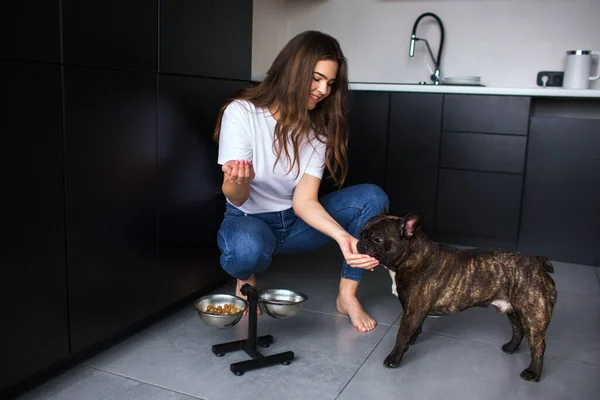
1. Let meals become moments of connection
Food can do more than fill a bowl. When part of a meal is offered by hand in a calm setting, many dogs begin to associate a person’s presence with safety, focus, and cooperation. This can be especially useful for puppies, shy dogs, and dogs adjusting to a new home. Hand-feeding also slows the pace of mealtime and can reward simple behaviors like eye contact, waiting, or sitting calmly. According to hand-feeding guidance for dogs, even one meal a day can support trust, attention, and impulse control. The habit works best when the interaction stays gentle and unhurried rather than turning every bite into pressure.

2. Make room for sniffing on walks
Many walks are treated as exercise only, but dogs experience the world heavily through scent. Allowing a dog to stop, investigate, and linger over smells turns an ordinary outing into mental enrichment. This kind of walk often helps a dog feel more settled because the dog is not being rushed through one of its most natural ways of gathering information. Research-based pet guidance notes that dogs have hundreds of millions of scent receptors, which helps explain why sniffing can be as meaningful as movement. A person who occasionally follows the dog’s nose, instead of insisting on a fixed pace, shows the dog that its needs are noticed.
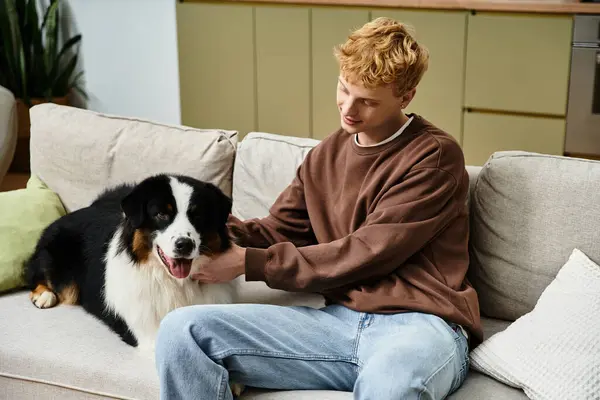
3. Respect a dog’s choice to approach
Trust grows faster when a dog does not feel cornered into affection. Sitting nearby, turning slightly sideways, and waiting for the dog to close the distance can be more reassuring than reaching in for constant petting. For many dogs, especially new or sensitive ones, choice matters. When a dog learns that moving away works, the dog often becomes more willing to come closer later. This creates a pattern of consent and predictability, and that pattern is easy for a dog to remember.
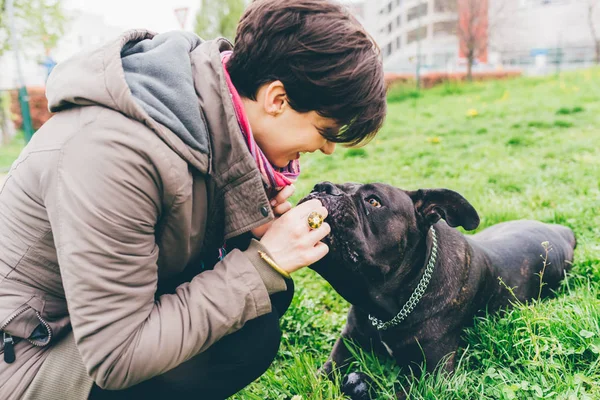
4. Keep reactions steady when the dog looks for guidance
Dogs often check human faces and body language when something feels unfamiliar. In behavior research on canine social referencing, 83% of dogs immediately looked at their owner and then back at the fan when faced with an unusual object in a test setting. That detail reflects something many owners notice at home: dogs watch people closely when they are unsure. A calm response can help a dog stay regulated. Sudden tension, sharp movements, or anxious voices can communicate that something is wrong even when there is no real threat. Over time, a dog that repeatedly sees composed, readable behavior learns that its person is a dependable source of information.

5. Give the dog a protected place to rest
A bed, crate, or quiet corner can become an anchor when it is treated as the dog’s space rather than a place where the dog is disturbed. This matters because rest is part of emotional safety, not just physical comfort. Dogs settle more easily when they know they can observe the household without being handled, followed, or crowded. A protected resting spot teaches an important lesson: the home contains places where nothing demanding happens. That lesson can lower tension and make closeness feel less risky.
6. Be present without always asking for something
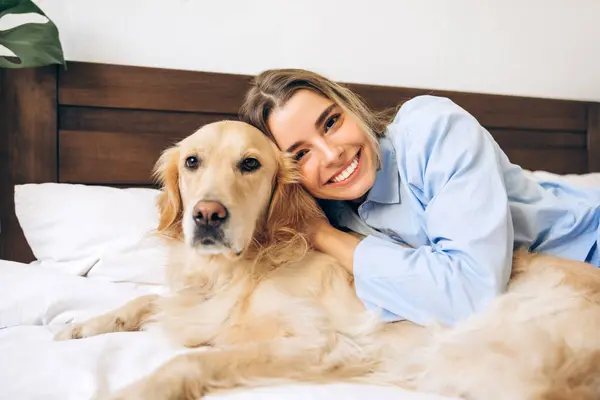
Not every bonding moment needs a cue, a toy, or a task. Quiet companionship counts. Sitting nearby while a dog chews, naps, or watches the yard can be surprisingly powerful. These low-pressure moments allow a dog to relax in someone’s presence without needing to perform. For shy or newly adopted dogs, that kind of shared stillness can be one of the clearest ways trust starts to take root.
7. Protect the dog from overwhelm
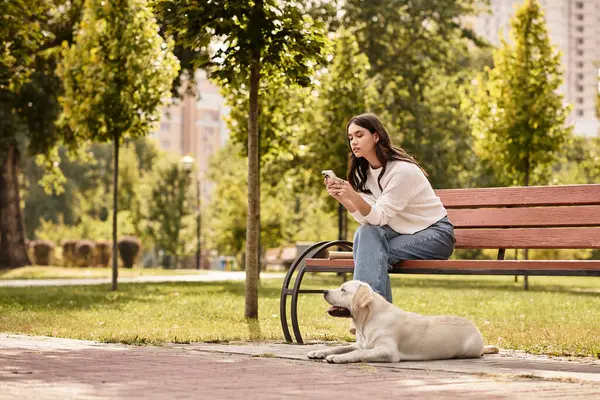
Dogs notice who steps in when life gets too intense. Blocking an unwanted interaction, moving away from a stressful situation, or declining attention from strangers can teach a dog that it does not need to manage everything alone. This habit is especially important for fearful dogs and those still learning what to expect from people. Reliable protection can reduce the need for defensive behavior because the dog begins to expect support before discomfort escalates. In everyday life, advocacy is often one of the clearest forms of care.

8. End the day with a predictable calm routine
The final interactions of the day can shape how secure a dog feels at home. A short grooming session, a quiet cuddle if the dog enjoys touch, or simply settling into the same bedtime pattern each night helps create emotional steadiness. Evening predictability signals that the day is winding down safely. Over time, those repeated cues become familiar markers of comfort. A dog that can count on calm endings often carries that sense of stability into the rest of the relationship.

Lifelong trust is usually built in pieces: a patient pause on a walk, a protected nap, a gentle meal, a calm response to uncertainty. These habits may look small from the outside, but they create a relationship a dog can understand. When those moments happen often enough, trust stops being something the dog is asked to give. It becomes something the dog has already learned to feel.

