
For a generation of shoppers, some stores were more than places to buy things. They were routines, landmarks, and social spaces woven into weekends, school breaks, and errand runs with family. The names on vanished storefronts still carry a charge because their collapse traces a bigger shift in American life: streaming replaced rental counters, online carts replaced browsing, and many malls lost the stores that once gave them purpose. Even now, developers are trying to refill empty anchor spaces with bowling, churches, restaurants, and bookstores as mall traffic shows signs of recovery.
1. Blockbuster turned movie night into an outing
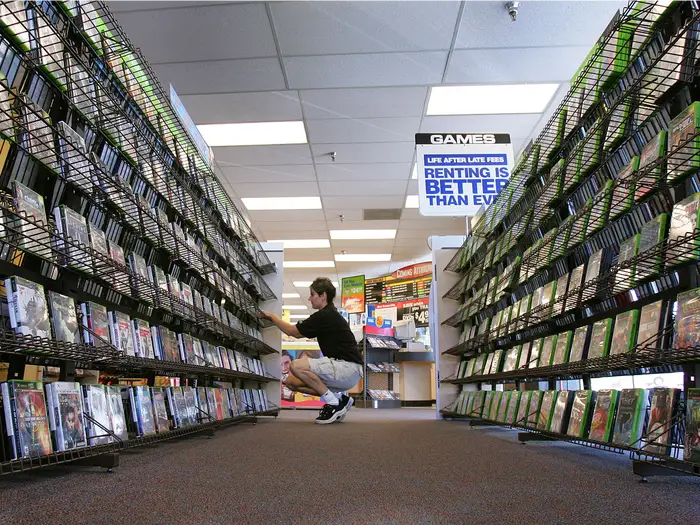
Before streaming became automatic, Blockbuster was part of the ritual. Families walked the aisles, compared new releases, and debated what was worth bringing home for the weekend. At its peak, the chain had about 9,100 stores, making it one of the most visible brands in American retail. Its decline became one of the clearest examples of what happens when a dominant chain misses a technology shift. Netflix moved from DVD delivery into streaming, while Blockbuster never rebuilt its business fast enough to match how viewers were changing. After bankruptcy in 2010 and the shutdown of corporate operations a few years later, the brand’s physical footprint was reduced to one remaining store in Bend, Oregon.
2. Borders lost the bookstore battle that changed malls
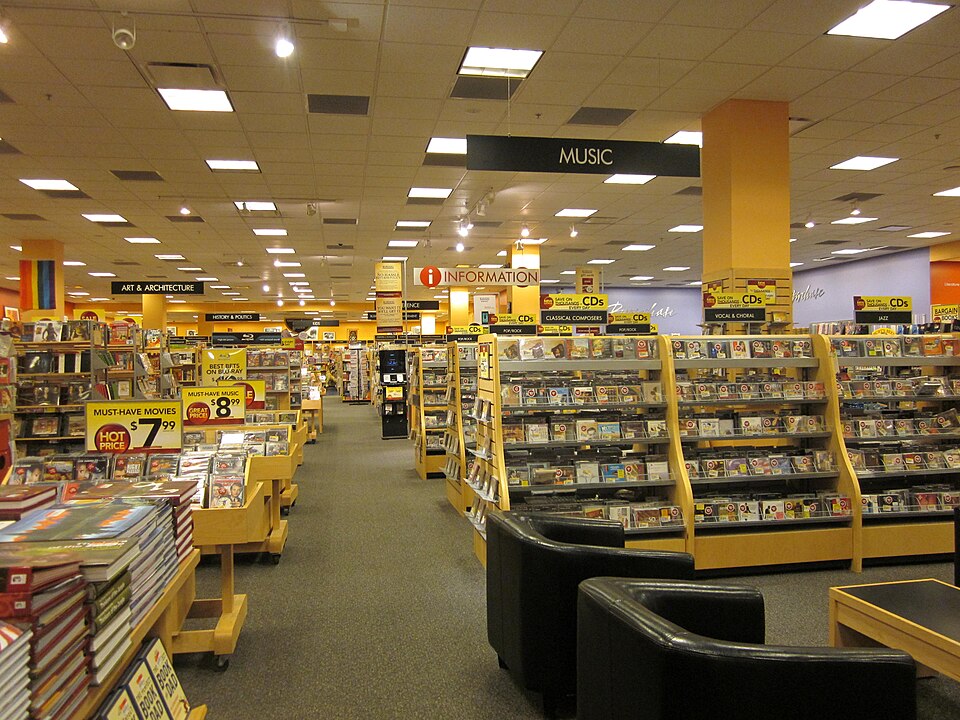
Borders offered an experience that online retail struggled to imitate for years: long shelves, café seating, and the freedom to browse without urgency. For teenagers and avid readers, it was often as much hangout space as bookstore. The chain was slow to build a strong digital strategy as e-readers and e-commerce changed the market. That hesitation proved costly. Its bankruptcy in 2011 did more than erase a bookseller; it accelerated the disappearance of one of the mall’s most dependable gathering spots.
3. Tower Records faded when music stopped being physical
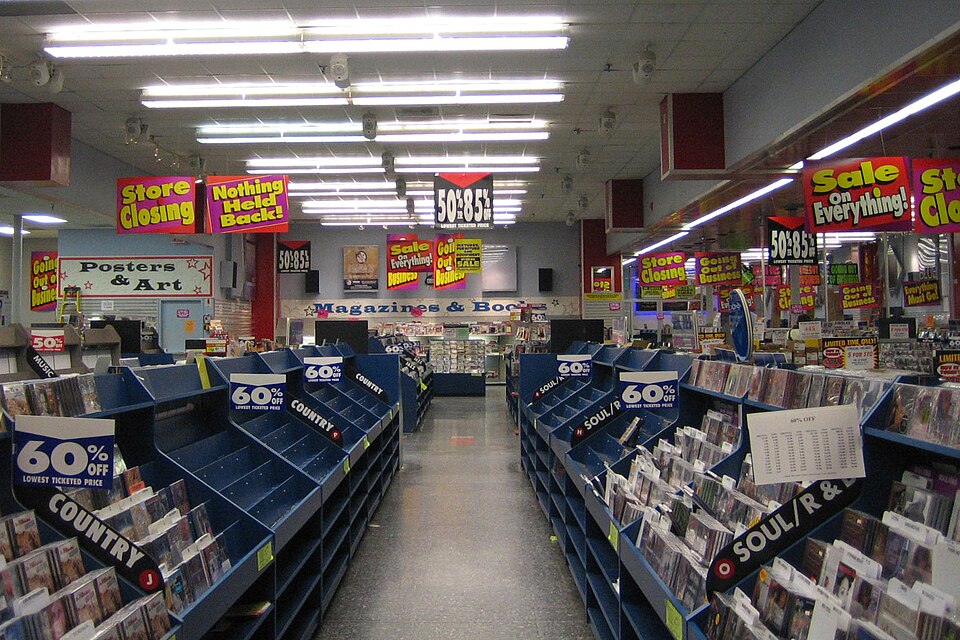
Tower Records once felt like a cultural map in store form. With hundreds of locations in the United States and abroad, it drew serious music fans and casual browsers alike, and it had enough cachet that celebrities shopped there too. Then the economics of music changed. Digital downloads and later streaming cut into the reason for giant record stores to exist, while debt made adaptation harder. The U.S. stores closed in 2006, though the brand later found limited afterlives online and in special projects, with overseas locations such as franchise stores still operating abroad.
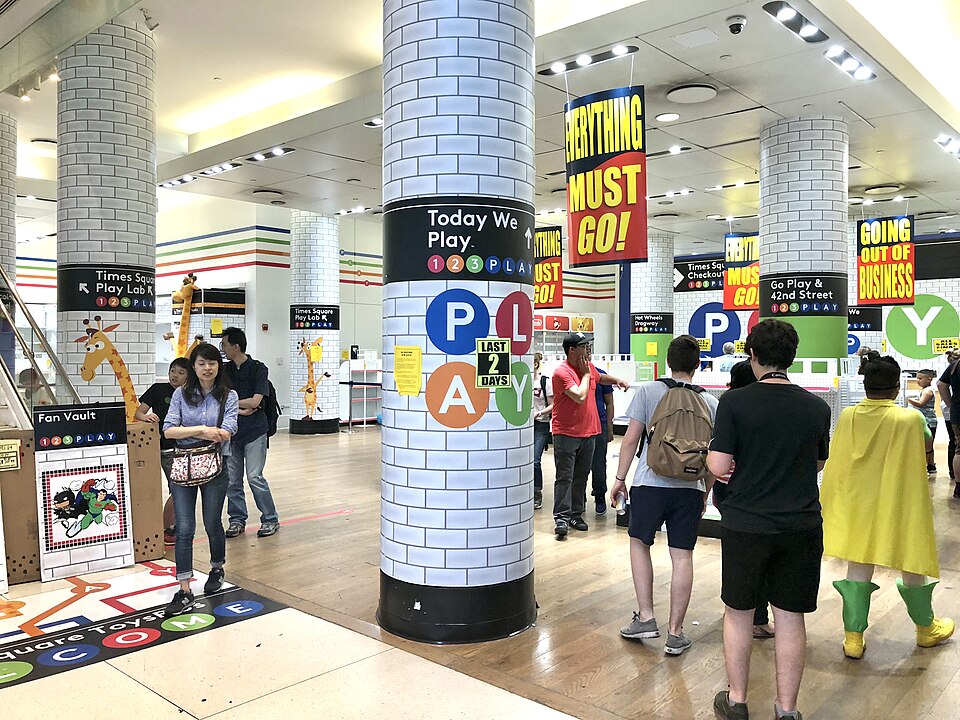
4. Toys R Us showed how even childhood brands can shrink fast
Toys R Us had the kind of emotional advantage retailers spend decades chasing. A trip there felt event-sized for children, and the brand’s mascot and jingle made it instantly recognizable across the country. Heavy debt and pressure from Walmart, Target, and Amazon undermined that advantage. Its nationwide store closures in 2018 marked the end of the big standalone toy superstore experience, even though the brand later reappeared in smaller forms inside Macy’s and a few destination locations.
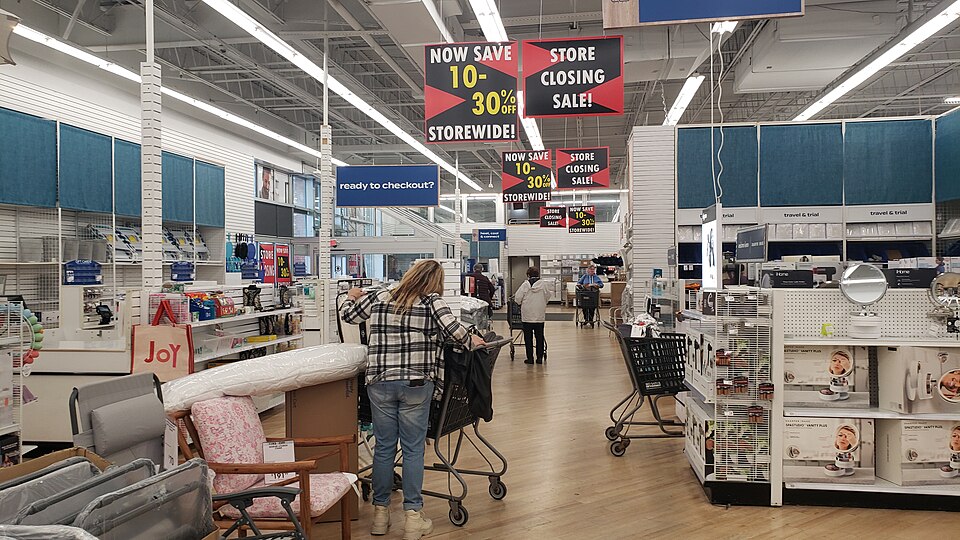
5. Bed Bath & Beyond lost the oversized store formula
For years, the chain was a default stop for dorm rooms, weddings, kitchen gadgets, and stacks of household basics. Its giant stores and familiar coupons made it feel unavoidable in suburban shopping corridors. But scale stopped being a strength when debt, inventory problems, and changing shopping habits collided. The bankruptcy in 2023 erased the version customers remembered most. Later efforts to revive the name online and through smaller stores did not restore the old warehouse-like experience.
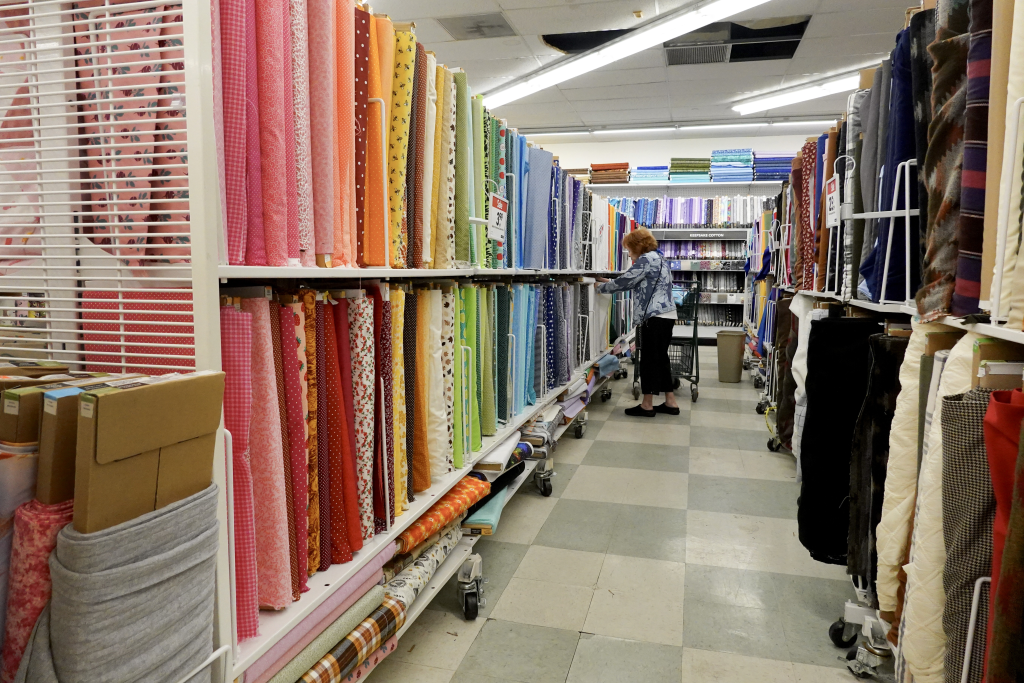
6. Joann Fabrics couldn’t escape the craft retail squeeze
Joann served a loyal customer base that often depended on in-person browsing for fabric, sewing supplies, and seasonal craft materials. That made the chain feel more durable than many other specialty retailers. It still ran into the same pressures hitting the wider sector: softer demand, competition, and store economics that no longer worked. By 2025, Joann had closed all remaining stores, ending an 80-year run as one of the country’s leading fabric retailers. In its farewell statement, the company said, “We deeply appreciate our dedicated Team Members, our customers and communities across the nation.”
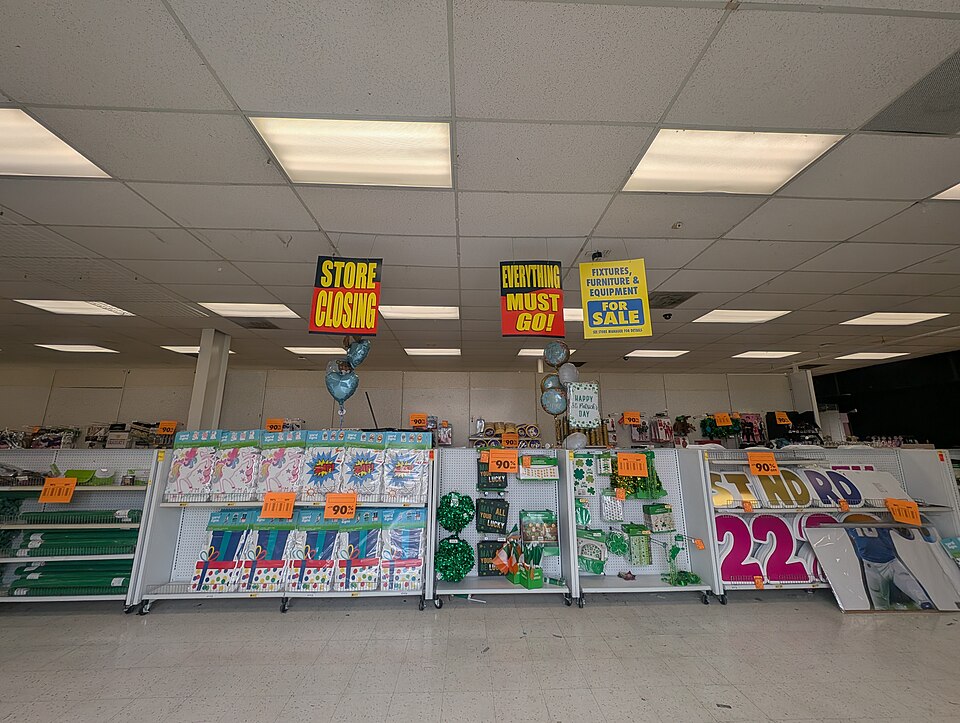
7. Party City depended on celebrations that changed shape
Party City built a business around moments that once sent people straight to a specialty store: birthdays, graduations, Halloween, baby showers, and school events. It owned a category that seemed resistant to disruption for years. That advantage weakened when big-box retailers, online sellers, and pandemic-era disruptions changed how people bought decorations and supplies. After bankruptcy and restructuring struggles, the chain’s large network of stores disappeared, removing another reliable traffic driver from shopping centers.
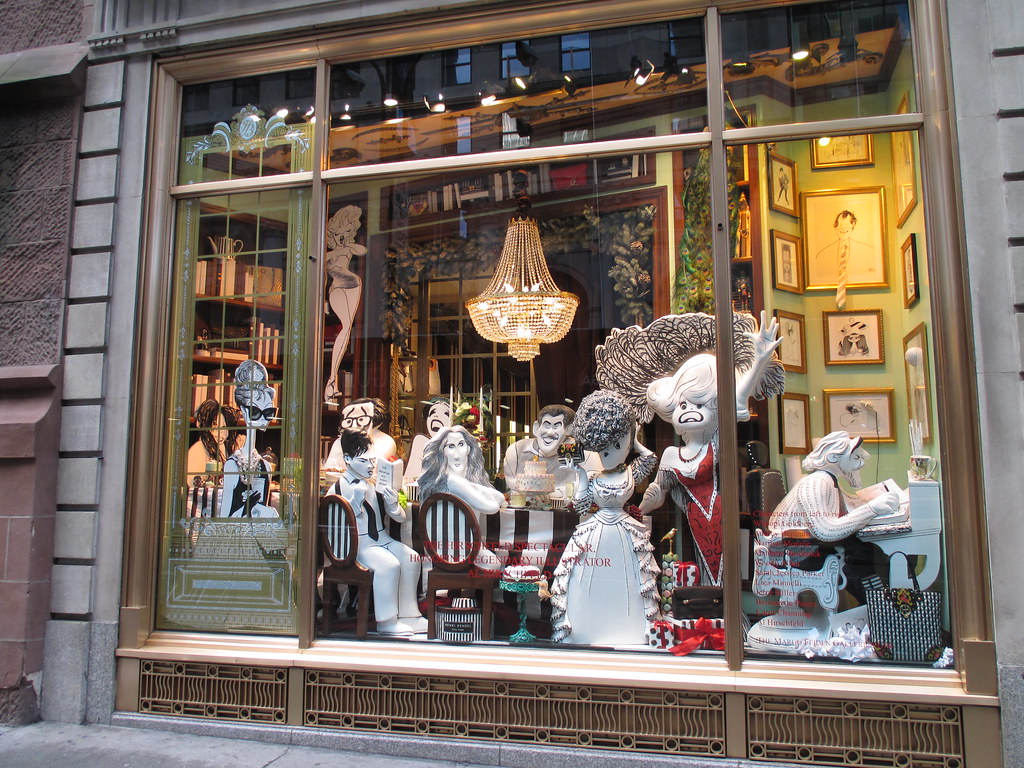
8. Henri Bendel vanished even with luxury history behind it
Some closures hit because of technology. Henri Bendel’s story was different. Founded in 1895, the retailer carried deep fashion history, introduced American shoppers to Coco Chanel, and even employed Andy Warhol as an illustrator before his art world fame. Its shutdown in 2019 showed that heritage alone no longer guaranteed survival. Parent company priorities shifted toward bigger mass-market brands, and one of New York retail’s most distinctive names was gone.
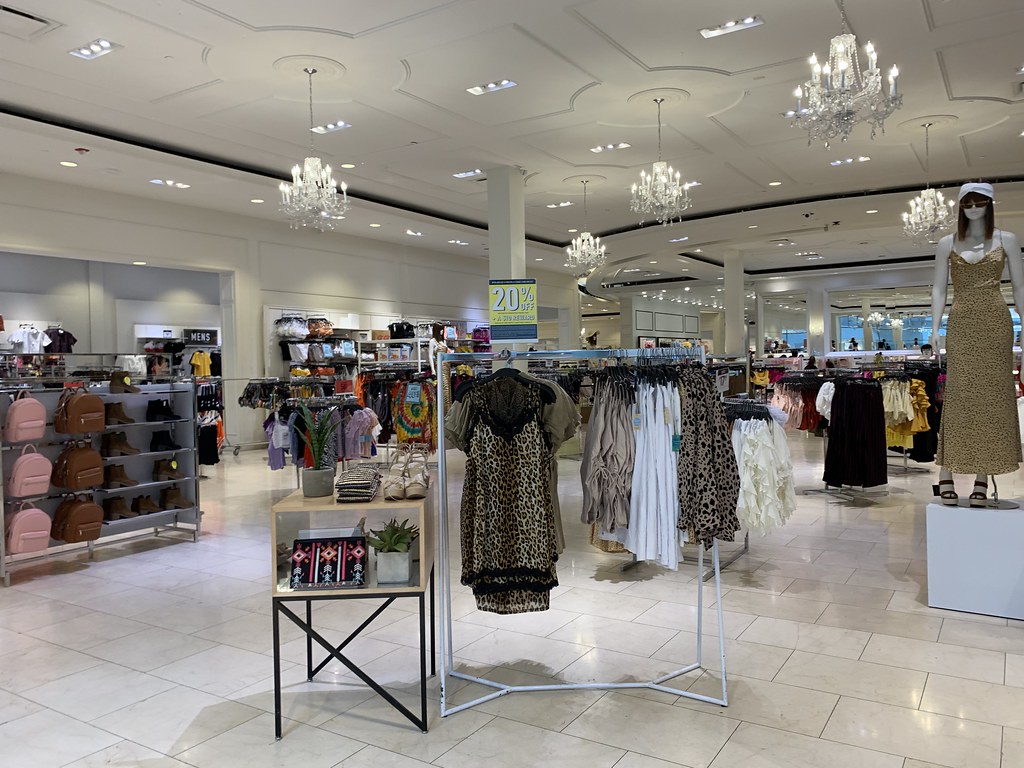
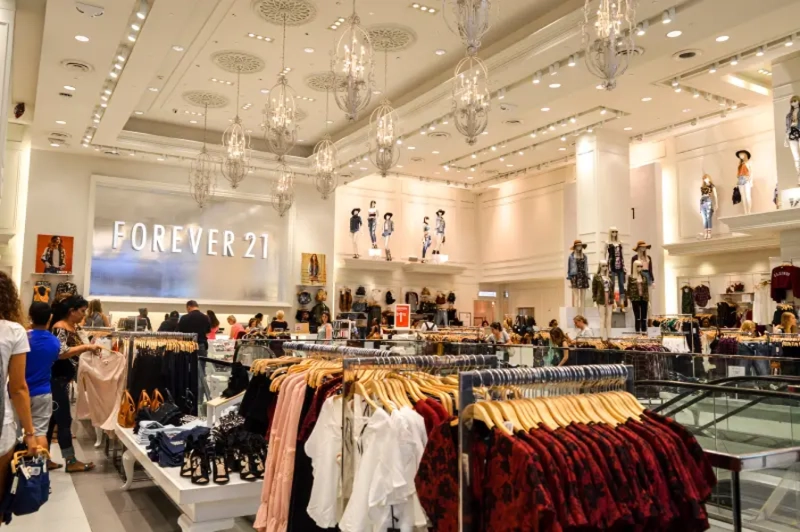
9. Forever 21 reflected fast fashion’s brutal reset
Forever 21 dominated mall fashion in the 2000s by offering trend-heavy clothing at accessible prices and at high speed. It helped define what a youth-focused mall anchor looked like. Then the model was outpaced by even faster online rivals. Competition from companies such as Shein and Temu weakened its hold, and its U.S. presence unraveled as mall traffic and margins stayed under pressure. The chain’s decline also mattered because so many malls had come to depend on large-format fashion tenants to fill major spaces; today, landlords are reportedly exploring replacements, including vacant Forever 21 sites for Barnes & Noble.
These brands disappeared for different reasons, but the pattern is consistent. Once shopping shifted from destination experience to convenience, many chains lost the habits that had protected them. What replaced them says just as much as what vanished. In many American malls, the old anchor store is no longer another department chain at all; it is a church, a bookstore, a restaurant cluster, or an entertainment venue. The missing storefronts still trigger nostalgia, but they also mark the moment retail stopped being the main reason people gathered there.

