
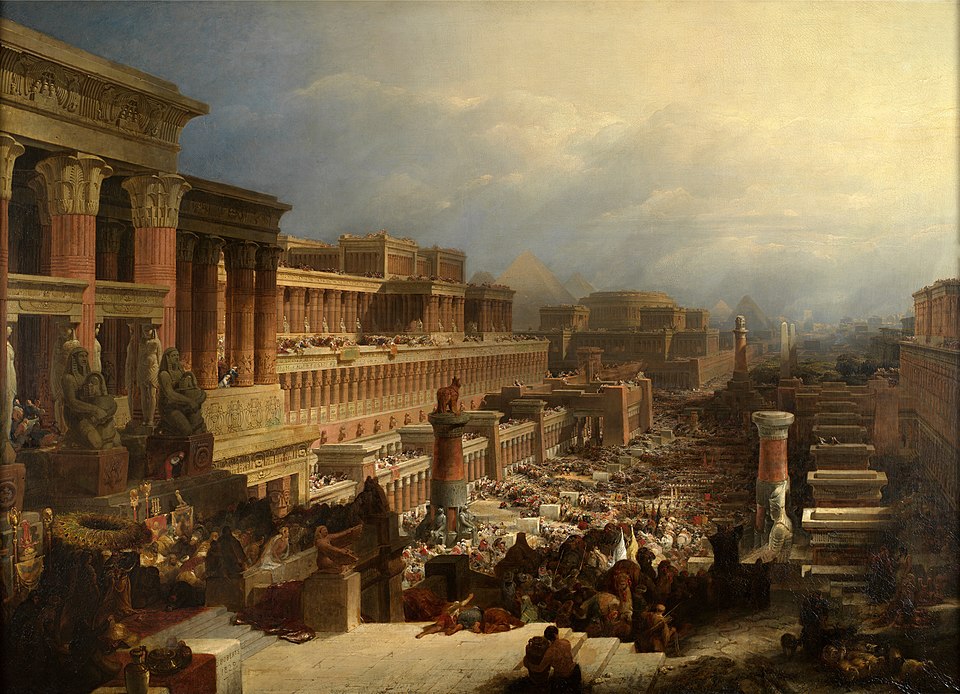
In the Sinai desert, some of the most consequential ancient texts are not grand monuments or royal proclamations. They are short, rough inscriptions cut into stone around an old turquoise-mining landscape, where Semitic-speaking workers moved through an Egyptian world and left behind one of history’s earliest experiments in alphabetic writing.
That is why these inscriptions keep drawing attention far beyond archaeology. They touch the origins of the alphabet, the daily realities of labor in a frontier zone, and the long-running argument over whether the Exodus story preserves memory of a recognizable social setting rather than a detached literary past.
1. They sit near the beginning of the alphabet itself
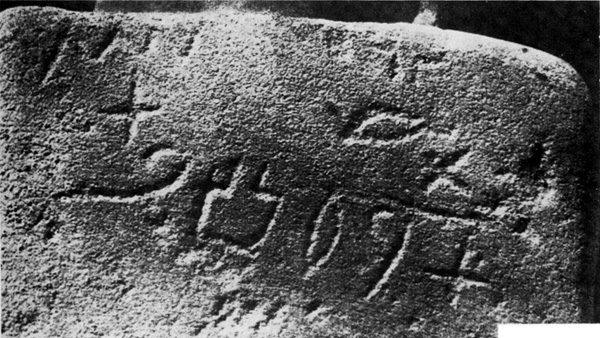
The Proto-Sinaitic inscriptions from Serabit el-Khadim belong to one of the earliest known alphabetic scripts, usually dated somewhere between the 19th and 16th centuries BCE. That gives them unusual weight. They are not part of a polished literary tradition but part of the alphabet’s fragile opening chapter.
The script is generally understood as a Semitic adaptation of Egyptian signs, using a much smaller set of symbols than hieroglyphs. In practical terms, that marked a profound shift. Writing no longer belonged only to highly trained scribes attached to courts and temples; it became something closer to a portable tool.
2. The setting was a mine, a road system, and a shrine
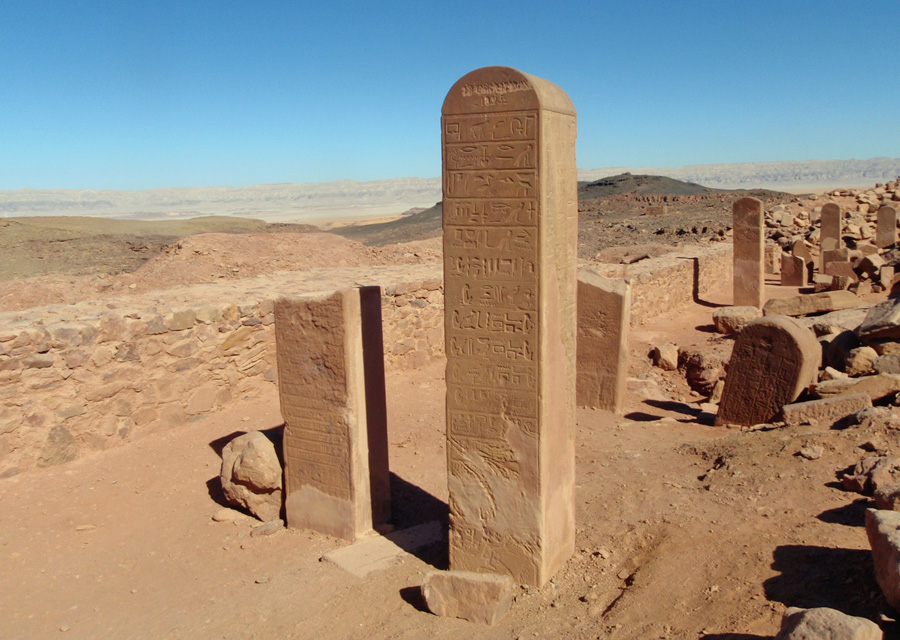
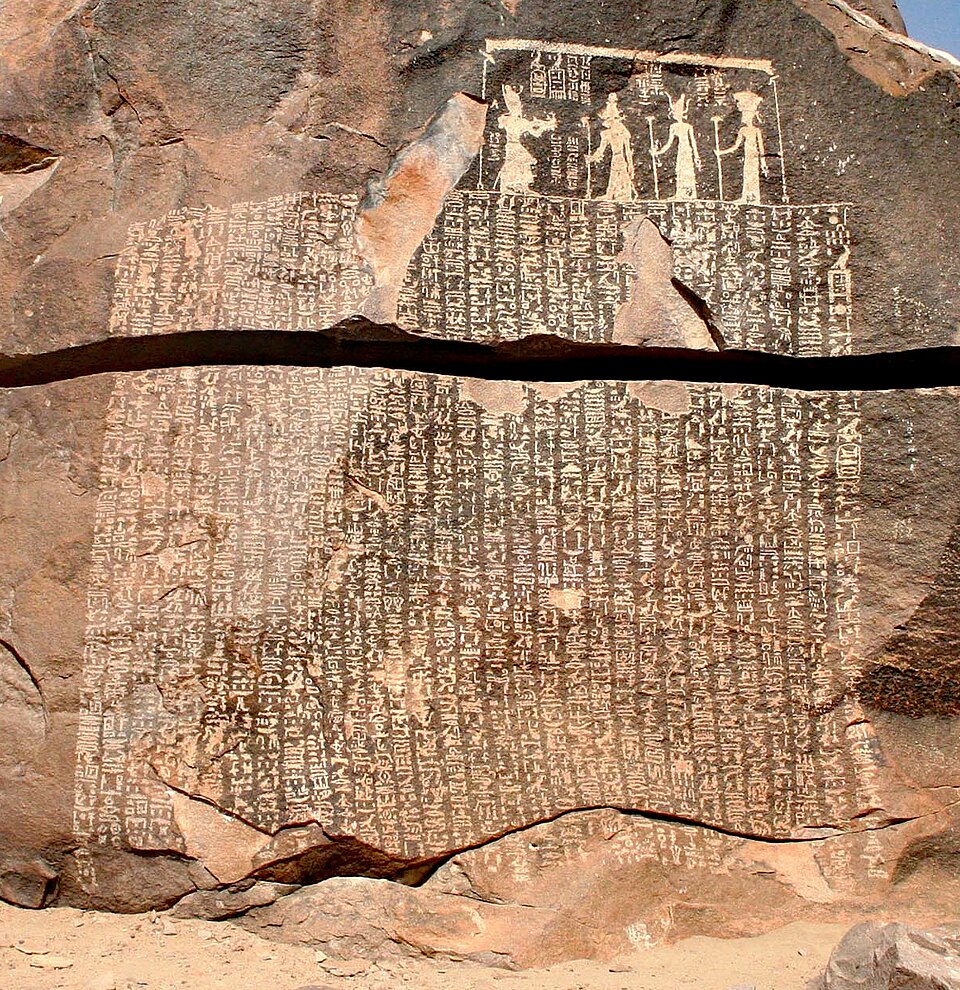
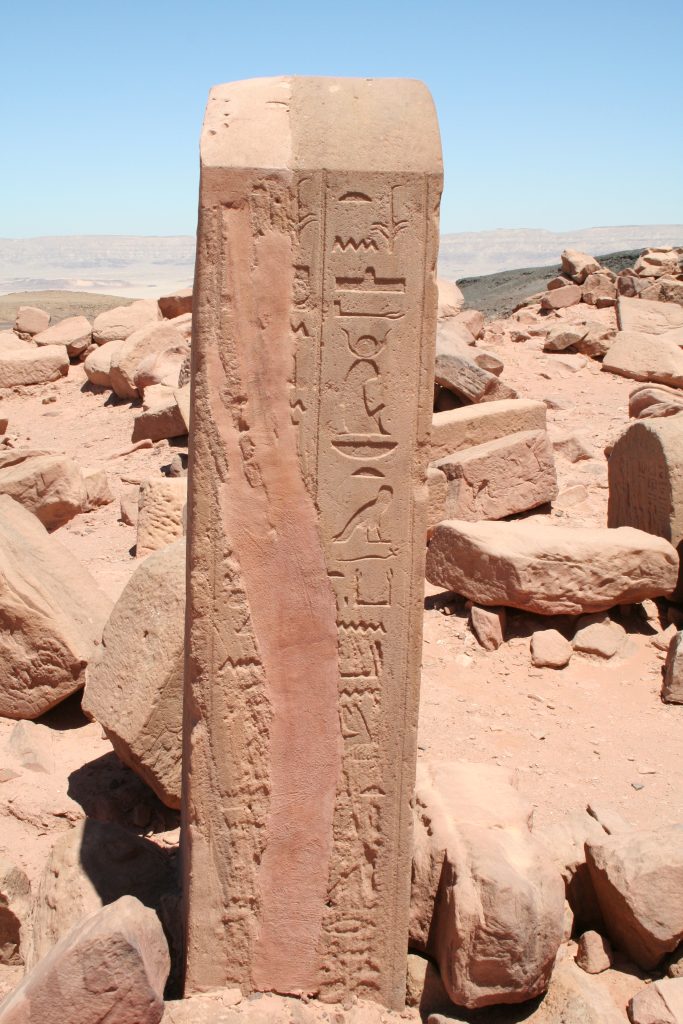
Most of the known inscriptions were found around Serabit el-Khadim, a Sinai site tied to turquoise extraction and to a temple of Hathor. They appear on rocks, small monuments, sphinxes, and mine-related surfaces rather than in a palace archive or formal state record.
That setting changes the way the material reads. The world behind these texts is one of labor crews, overseers, devotional acts, travel routes, and physical danger. One early translated line from the corpus captures that atmosphere with unusual directness: “O my god, rescue me from the interior of the mine.”
3. They preserve Semitic speech inside an Egyptian sacred landscape
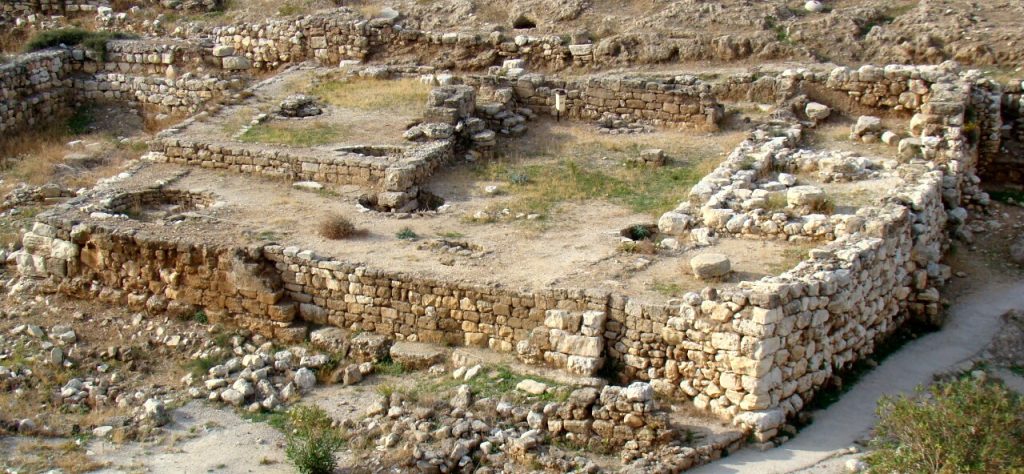
Serabit el-Khadim was a deeply Egyptian religious site, especially associated with Hathor, revered there as the Lady of Turquoise. Yet the inscriptions also preserve Semitic religious language, including the recurring phrase “to Ba‘alat”, usually understood as “to the Lady.”
That does not suggest a neat boundary between two worlds. It suggests translation, adaptation, and overlap. Semitic-speaking people in Sinai were not simply outside Egyptian culture; they were naming, reshaping, and navigating it from within.
4. They may show how ordinary workers entered the written record
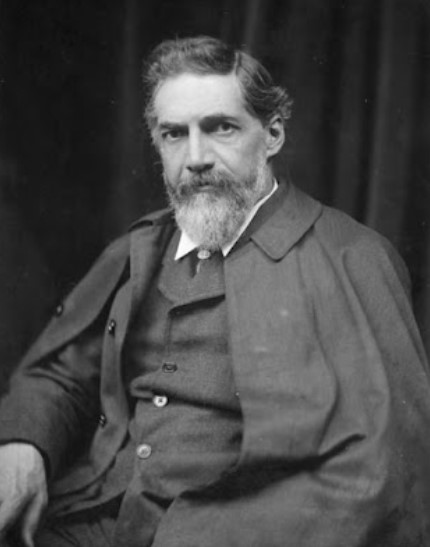
The inscriptions have long mattered because they imply that non-elite Semitic communities were writing in some form. Flinders Petrie, reflecting on the finds in 1906, described “common Syrian labourers” as people who were “familiar with writing.”
That remains one of the most striking implications of the corpus. If workers in a mining zone could adapt signs to record language, devotion, identity, or appeals for help, the history of literacy looks less like a gift handed down by courts and more like a tool reshaped on the margins. The alphabet’s endurance only sharpens that point. Later Phoenician, Greek, and Latin systems all stand downstream from this much earlier experiment in reducing language to a compact set of signs.
5. The Moses readings drew notice because they imply a voice, not just a name
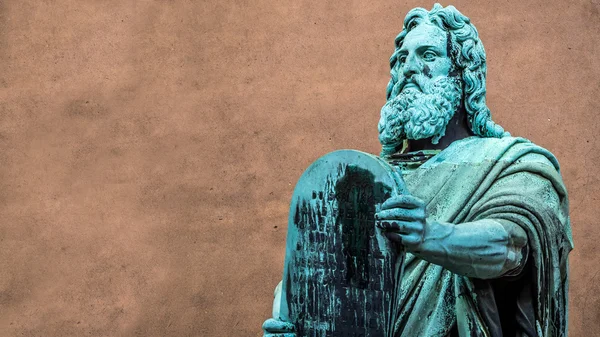
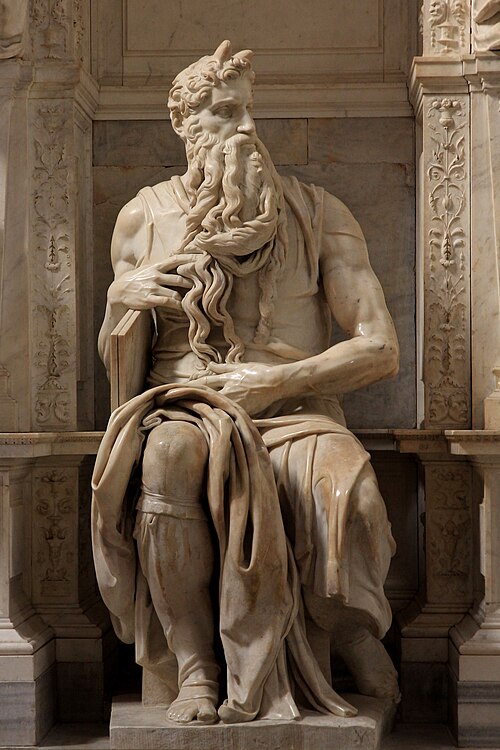
Israeli epigrapher Michael Bar-Ron has argued that a few inscriptions may include phrases such as “This is from Moses” and “A saying of Moses,” especially in connection with Sinai 357 and Sinai 361. The attraction of that claim is easy to see. It suggests something like authorship or tagging rather than a stray mention.
Even so, the reading remains disputed. The importance of the debate lies less in a settled identification than in the standard it forces onto the conversation: close study of damaged signs, letter direction, carving style, and the physical stone itself.
6. The inscriptions are notoriously hard to decode
The corpus is small, fragmentary, and often ambiguous. Some texts are damaged. Some signs resemble more than one form. Direction of reading is not always obvious, which means the same surface can yield sharply different interpretations.
That is why the dispute has become methodological as much as historical. Critics have not been subtle. Egyptologist Thomas Schneider called the Moses claims “completely unproven and misleading,” warning against arbitrary letter identifications. That tension has pushed the Exodus conversation away from quick proof-seeking and toward the painstaking technical work of epigraphy.
7. The wider map extends beyond Sinai alone
The story of early alphabetic writing does not stop at Serabit el-Khadim. Two inscriptions at Wadi el-Hol in Middle Egypt are often treated as crucial evidence that this script tradition may have developed in Egypt itself, not only in Sinai. That matters because it broadens the setting from a single mining camp to a larger corridor of contact linking Egyptian and Semitic-speaking communities.
Scholars have also continued to test whether even earlier signs elsewhere in the Near East belong in the same family, though such proposals remain more tentative. What is secure is that the alphabet did not appear fully formed in isolation. It emerged through cultural contact.
8. Their greatest impact may be on how Exodus is read
The Sinai inscriptions do not verify the Book of Exodus line by line, and they do not close the case on Moses. What they do provide is a credible environment: Egyptian power, desert movement, Semitic labor, overlapping divine language, and the rise of a script simple enough to circulate beyond formal scribal institutions.
That is a quieter but more durable challenge. Instead of asking whether one inscription solves the entire story, the evidence invites a different question: what kind of world made that story imaginable in the first place? The stones remain brief, battered, and incomplete. Their power lies in that incompleteness. They keep the argument open while grounding it in the harsh, multilingual, deeply human landscape where some of the earliest alphabetic marks were first carved.

