

The Exodus sits at an unusual crossroads: sacred memory, disputed history, and some of the oldest writing ever carved by human hands. Archaeology has not produced a single final answer to Moses’ story, but it has produced a set of clues that keep the question alive. Some finds are dramatic, including a Sinai inscription that one scholar reads as a reference to Moses. Others matter because they are less flashy: an Egyptian monument naming Israel, the stubborn silence of royal records, and traces of Semitic communities moving through Egypt and Canaan long before later tradition took shape.
1. The Sinai inscription that may mention Moses
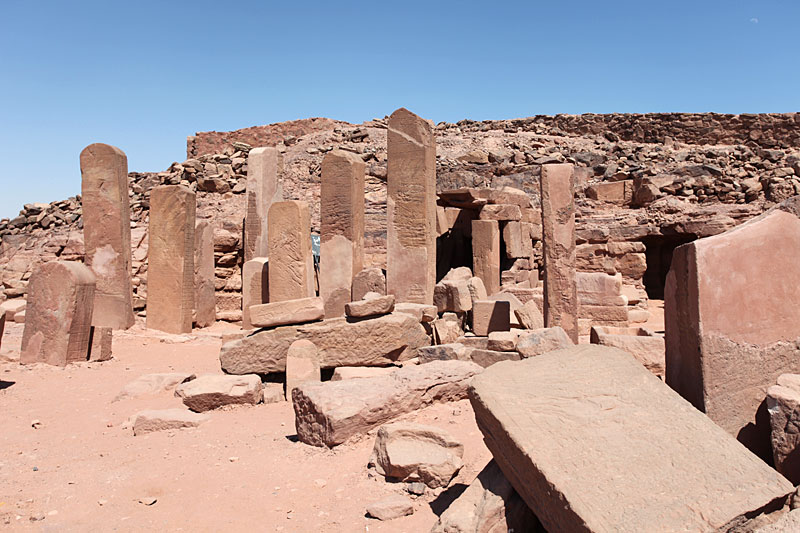
At Serabit el-Khadim, an ancient turquoise-mining center in Sinai, researcher Michael Bar-Ron studied Proto-Sinaitic inscriptions through photographs and 3D scans and proposed that one phrase can be read as “This is from Moses.” His adviser, Pieter van der Veen, endorsed the reading, while Bar-Ron emphasized, “I was very strict about looking for the name ‘Moses’ or any other that might be sensationalist-sounding.” The appeal of the inscription is obvious, but so is the caution surrounding it. Egyptologist Thomas Schneider rejected the claim as “entirely unproven and misleading,” arguing that uncertain letter identifications can pull ancient evidence toward a desired conclusion. That tension is central to Exodus archaeology: the material can be real, old, and important without settling the biblical question on its own.
2. Proto-Sinaitic script changed why the mines matter
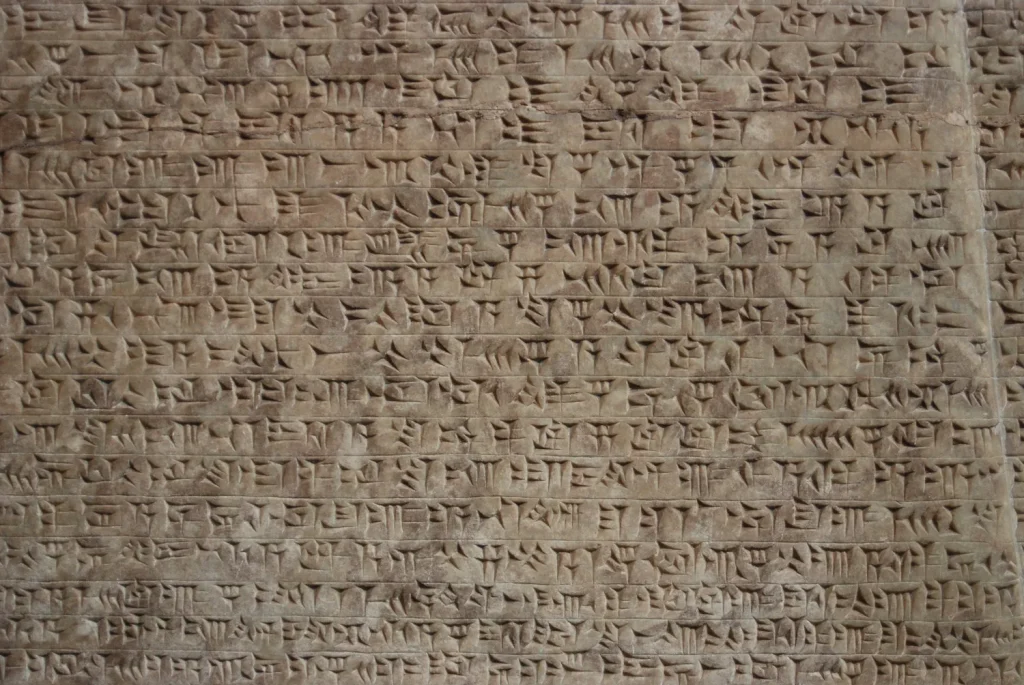
The Serabit inscriptions matter even beyond the Moses debate because they belong to the earliest known alphabetic tradition. This script reduced writing from a specialized system of many signs to a compact set of symbols that Semitic-speaking workers could use more flexibly. That makes Sinai more than a backdrop. It becomes a place where labor, language, and belief intersected. If Semitic workers were adapting Egyptian signs into alphabetic writing around the second millennium BCE, then the region preserves a rare window into the world from which later Israelite traditions may have emerged.
3. Stone records hint at religious struggle, not just labor
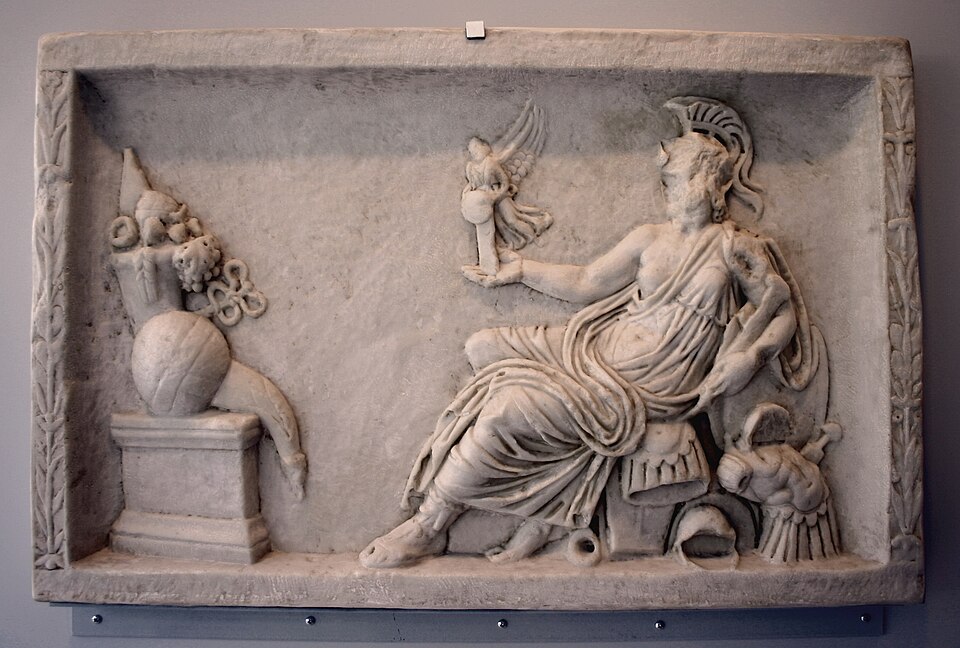
Some of the Sinai inscriptions appear to preserve competing devotional language. The main article describes references to “El” alongside damaged mentions linked to Hathor or Baʿalat, suggesting that the mining site may reflect a shift in worship among Semitic communities living under Egyptian authority. Bar-Ron described one pattern this way: “We see reverent inscriptions praising the idol Ba’alat, with plainly an El or God-serving scribe arriving later and erasing part of some letters, in an attempt to convert the message into a God-serving message.” Even without treating that as proof of biblical monotheism, the site presents a picture of belief under pressure, where religion was not abstract theology but a mark left directly on stone.
4. The Merneptah Stele gives Israel an early place in history
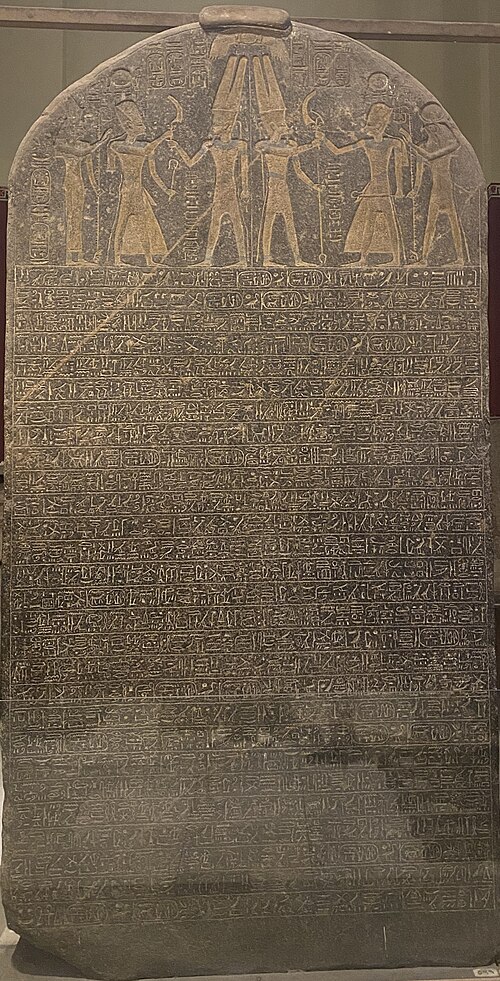
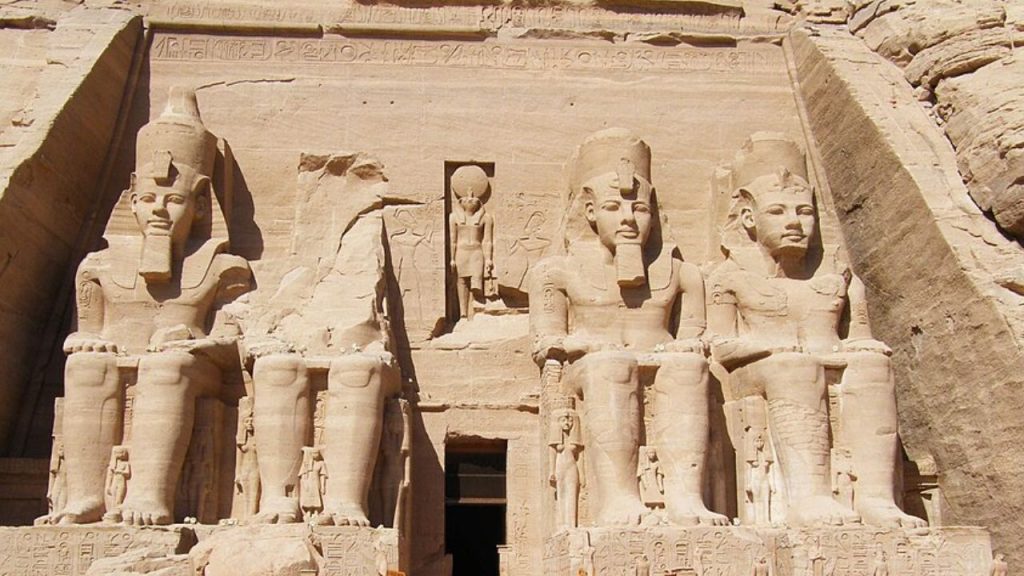
One of the strongest archaeological anchors in the wider Exodus debate is the earliest widely accepted extra-biblical reference to Israel. The Merneptah Stele, dated to the late 13th century BCE, names Israel in Canaan and distinguishes it as a people rather than a city-state. That does not prove the Exodus happened as later texts narrate it. It does show that by about 1207 BCE, Israel was already known to Egyptian scribes. For scholars, that puts pressure on any theory that imagines Israel appearing too late in Canaan. It also shifts the conversation away from whether Israel existed at all and toward what kind of community Israel was at that early stage.
5. Egypt’s silence is not as simple as it sounds
A common objection says the Exodus cannot be historical because Egyptian records do not describe it. Yet this argument is weaker than it first appears. Ancient Egyptian royal inscriptions were usually monuments of triumph, not neutral archives, and defeats or humiliations were poor candidates for preservation. Reference material on Tell el-Daba, the region associated with ancient Rameses, notes that excavations have yielded remarkably little in the way of formal historical records from the relevant periods. The silence, in other words, is real but not decisive. Archaeology often works with missing archives, damaged contexts, and official texts that were designed to glorify kings rather than document embarrassment.
6. Semitic communities in Egypt are part of the picture
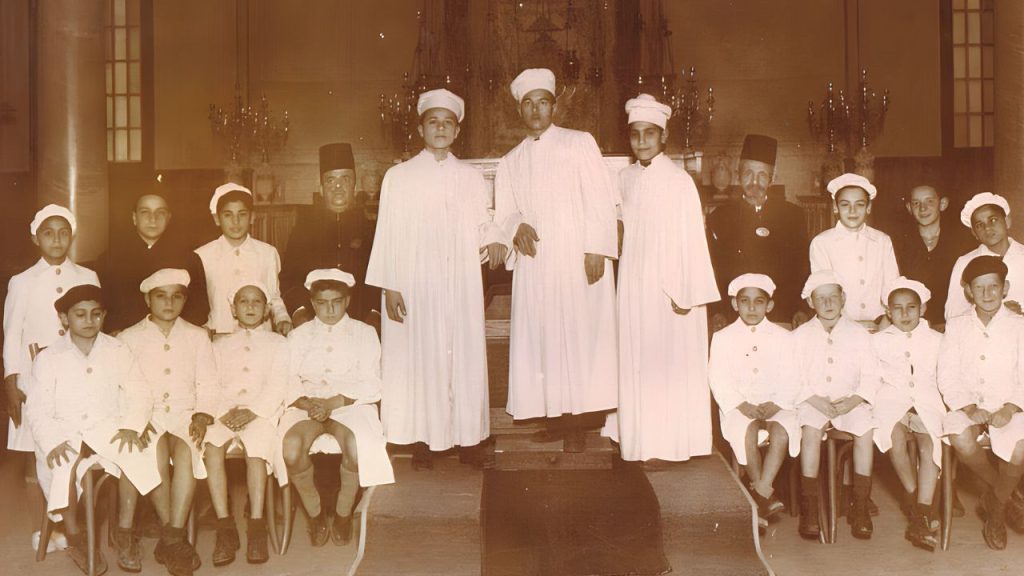
Several reference materials point to evidence that Semitic-speaking populations lived in Egypt for long periods. Excavations in the eastern Nile Delta have been associated with Asiatic settlement at Tell el-Daba, and scholars have also discussed records of foreign laborers and slaves in Egypt. This matters because the Exodus tradition does not emerge into a vacuum. Whether one sees it as a memory of a smaller migration, a Levite-centered tradition, or a national story that expanded over time, archaeology supports the broader setting of contact, settlement, labor, and cultural exchange between Egypt and Semitic populations.
7. Some scholars now focus on a smaller exodus tradition
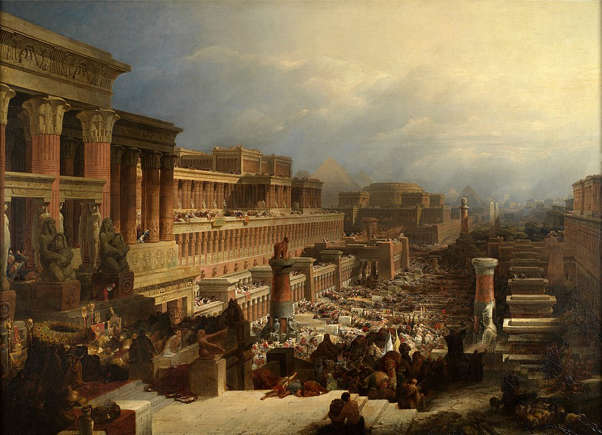
Not every scholar arguing for historical memory in Exodus imagines a mass movement exactly as later texts describe it. Richard Elliott Friedman has argued that a smaller group, especially Levites, may preserve the core memory of departure from Egypt, later adopted by Israel as a whole. In his summary, “There is archaeological evidence and especially textual evidence for the Exodus.” This approach tries to explain why Egyptian cultural features appear unevenly in biblical tradition, including Egyptian names among Levites. It also helps explain why archaeology has not uncovered traces that would match the movement of an enormous population across Sinai.
8. Mount Sinai remains one of archaeology’s hardest questions
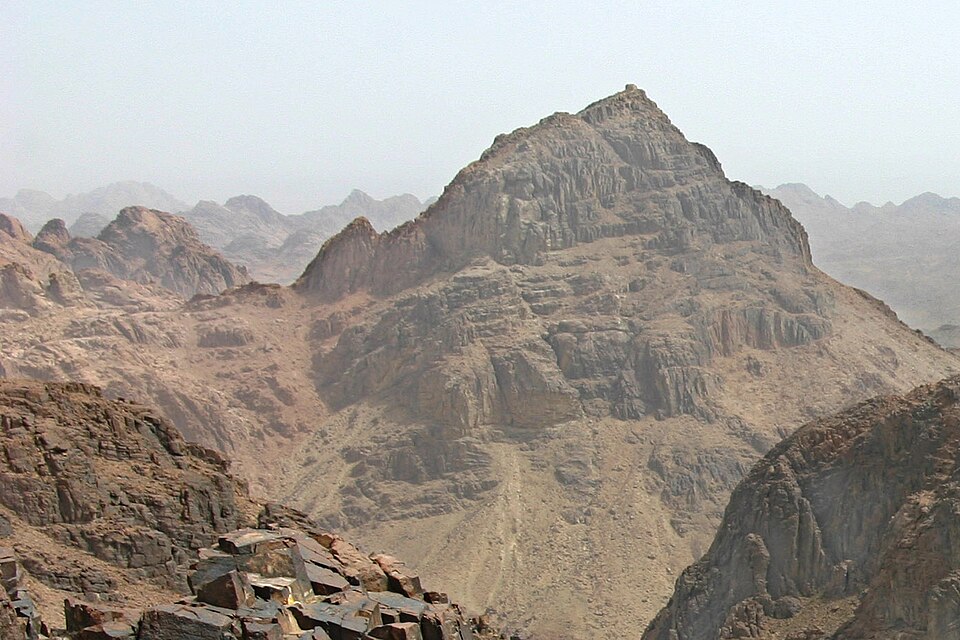
The mountain of revelation remains unidentified. While later Christian tradition favored Gebel Musa, some researchers have argued for sites farther east in Sinai based on biblical travel notices, distance estimates, and regional geography. One proposal places Sinai near the eastern end of the Trans-Sinai Highway. The difficulty is not only religious disagreement. It is archaeological method. Temporary camps, desert movement, and sacred geography leave thin traces, and later traditions often settle on meaningful places long after the original setting has been forgotten.

The archaeology of Exodus does not move in a straight line from artifact to certainty. It moves through fragments: an inscription that may say more than critics allow, a stele that firmly places Israel in the ancient landscape, and desert sites that preserve the atmosphere of movement, labor, and contested worship. That is why Moses’ story remains so enduring. The evidence does not close the case, but it keeps reopening one of history’s oldest arguments.

