

On a harsh plateau in Sinai, turquoise miners left behind more than work traces. They carved short, stubborn lines of writing that now sit at the intersection of religion, language, and one of history’s most argued-over traditions. The fascination is not only about Moses. The greater story is that Serabit el-Khadem preserves an older and stranger world: Egyptian mining power, Semitic laborers, competing divine names, and the earliest trace of alphabetic writing all in one place.
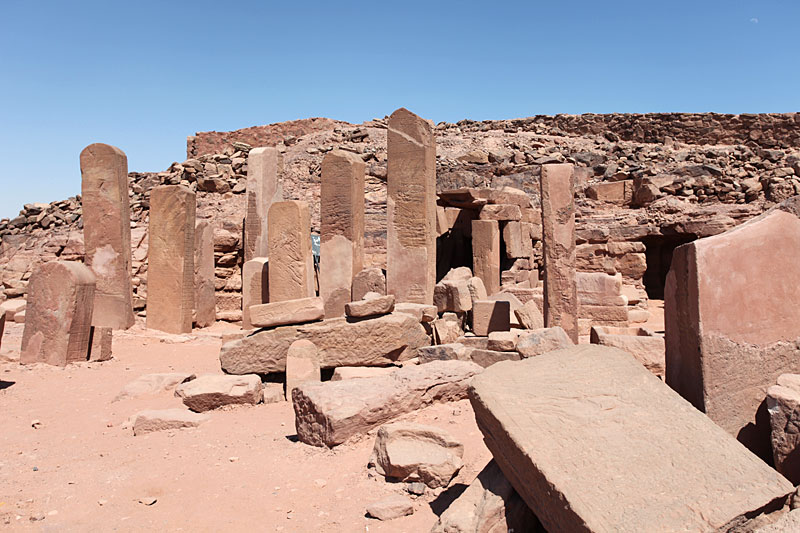
1. Serabit el-Khadem was a mining colony, shrine, and contact zone at once
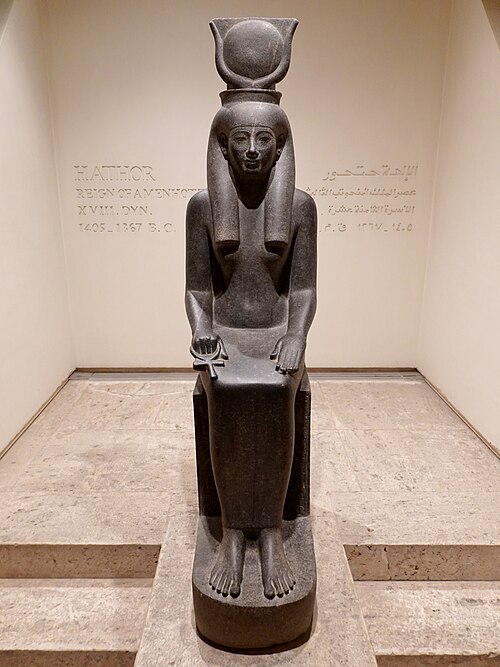
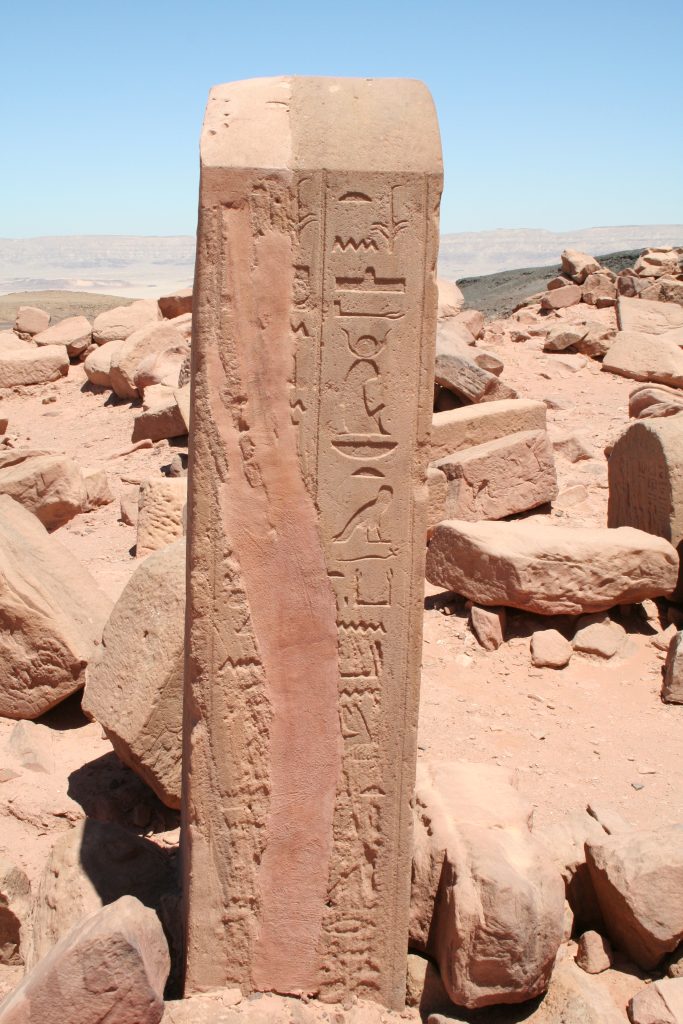
Serabit el-Khadem in west-central Sinai was not an isolated cave or a single camp. It was a long-used turquoise mining center with roads, mine areas, and a temple linked to Hathor, revered there as the “Lady of the Turquoise.” According to the site’s long occupational record, Egyptian activity stretched across centuries, which means the inscriptions belong to a durable system of labor and worship rather than a one-time episode. That setting matters because writing found there emerged inside administration, extraction, and ritual. The stones reflect a lived environment, not a later literary memory.
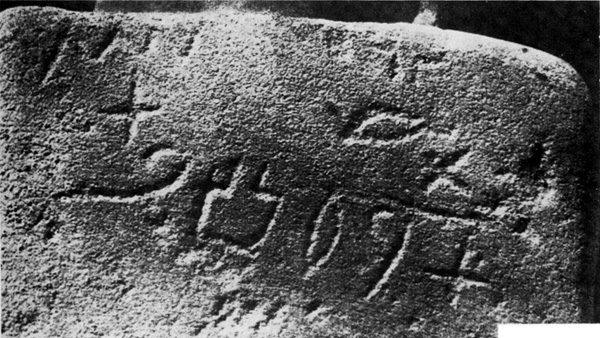
2. The inscriptions matter even without any link to Exodus
The script is usually called Proto-Sinaitic, a branch of the earliest alphabetic tradition. Its signs appear to use the acrophonic principle: a pictured object gave the first sound of its Semitic name, allowing a compact writing system to grow out of adapted Egyptian signs. An ox head became the ancestor of alep and later A, while water signs fed into mem and eventually M.
Only a small corpus survives, and many texts remain difficult to read with confidence. Still, their historical weight is secure. They stand close to the beginning of the alphabet that later shaped Phoenician, Hebrew, Greek, and Latin writing.
3. The miners were not silent background figures
Repeated inscriptions include the sequence lbʿlt, commonly read as “to Baalat” or “to the Lady.” That recurring formula has long been important because it shows Semitic-speaking workers were leaving devotional marks in their own language and script inside an Egyptian-controlled industrial landscape.
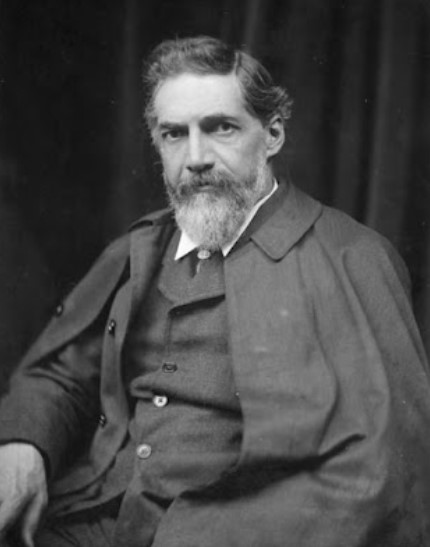
Older scholarship also treated this as a turning point in how literacy is imagined. Flinders Petrie argued that if common laborers could use such a script, then travel through Sinai did not belong only to elites with formal scribal training. The site made ordinary workers historically visible.
4. The sacred world there was mixed, layered, and uneasy
Serabit was not religiously simple. Egyptian Hathor and Semitic Baalat seem to have overlapped for at least some worshippers, while shorter inscriptions also preserve the divine name El. That combination suggests a frontier where people adapted official cults, translated deities across languages, and kept older loyalties alive under imperial supervision.
In nearby southwestern Sinai, rock inscriptions from Wadi Khamila and related wadis also show early Egyptian state presence in Sinai, reinforcing the wider picture of resource extraction backed by religious authority. Sinai, in this view, was never a blank wilderness. It was already a contested cultural landscape.
5. The recent excitement centers on a proposed personal name
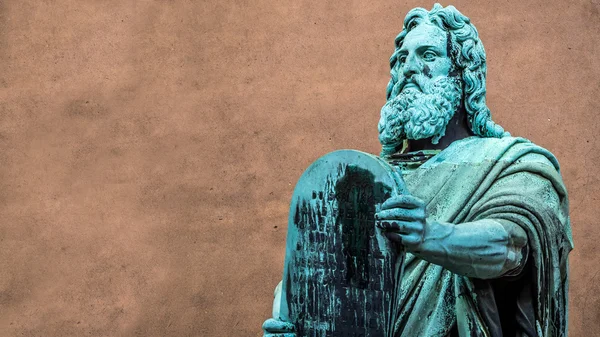
A new reading by independent researcher Michael S. Bar-Ron argues that two inscriptions may contain “zot mi’Moshe” and “ne’um Moshe,” translated as “This is from Moses” and “A saying of Moses.” The claim has drawn attention because it would shift discussion from broad parallels to a possible named individual in 3,800-year-old mine inscriptions. That is a much sharper claim than saying the site resembles the world behind later biblical memory. It asks whether a famous name is actually cut into stone.
6. Specialists remain cautious for a reason
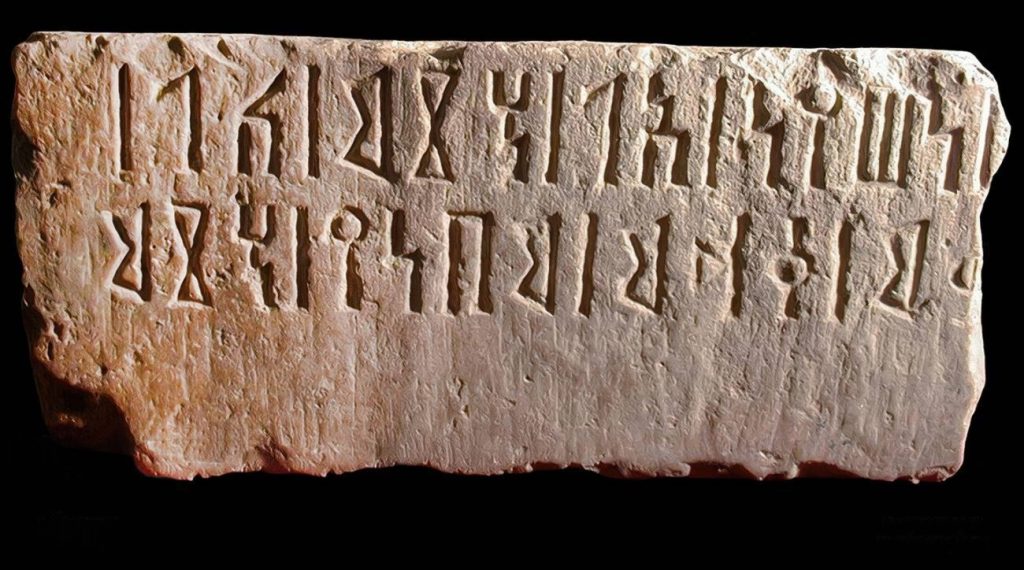
Proto-Sinaitic inscriptions are notoriously difficult to decipher. Direction of reading can be disputed, letter values are not always secure, and damaged surfaces invite overconfident reconstruction. That is why criticism has been blunt. Egyptologist Thomas Schneider called the Moses claim “completely unproven and misleading,” adding that “arbitrary identifications of letters can distort ancient history.” The caution is methodological, not theatrical. These texts are short, fragmentary, and resistant to certainty.
7. Even the best-known readings carry limits
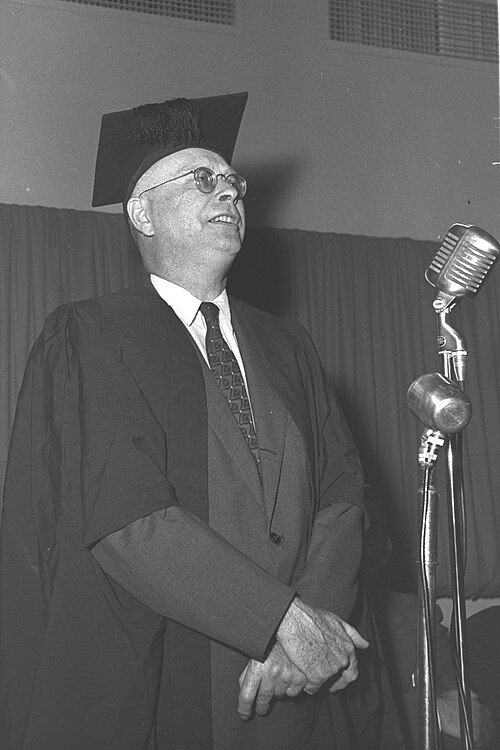
Serabit’s inscriptions have been studied for more than a century, and even widely cited decipherments contain question marks. William F. Albright’s reading of the longest Mine L text is still discussed, yet it remains partly tentative. By contrast, some shorter elements have held up better, especially the recurring references to Baalat and the divine name El. This unevenness explains why the site is so compelling. It offers just enough clarity to reshape big historical questions, and just enough ambiguity to keep any dramatic conclusion under pressure.
8. The deepest challenge is larger than proving Moses
The enduring importance of Serabit el-Khadem is that it gives historical texture to a region later loaded with religious meaning. Egyptian control, Semitic labor, devotional language, and early alphabetic experimentation all coexisted there. Whether or not any inscription names Moses, the site shows a world in which groups later associated with biblical tradition were not unimaginable intruders but participants in a real frontier system.
That is why the debate persists. The stones do not settle Exodus, but they make the background harder to dismiss and the questions more demanding. In the end, Serabit’s carvings endure because they do two things at once: they complicate belief-driven readings and enlarge the historical setting behind them. The result is not a verdict, but a much sharper field of argument.

