
Store closings stopped being an occasional headline and turned into a broader reset for familiar chains in 2025. Across retail and restaurants, companies trimmed weak locations, entered bankruptcy, or disappeared from shopping centers altogether as consumer habits, debt burdens, and operating costs collided.
The shift was not limited to one category. Drugstores, craft chains, apparel brands, party retailers, and discount stores all pulled back, contributing to roughly 8,200 store closures in 2025, according to Coresight Research figures cited by CNN.
1. Walgreens
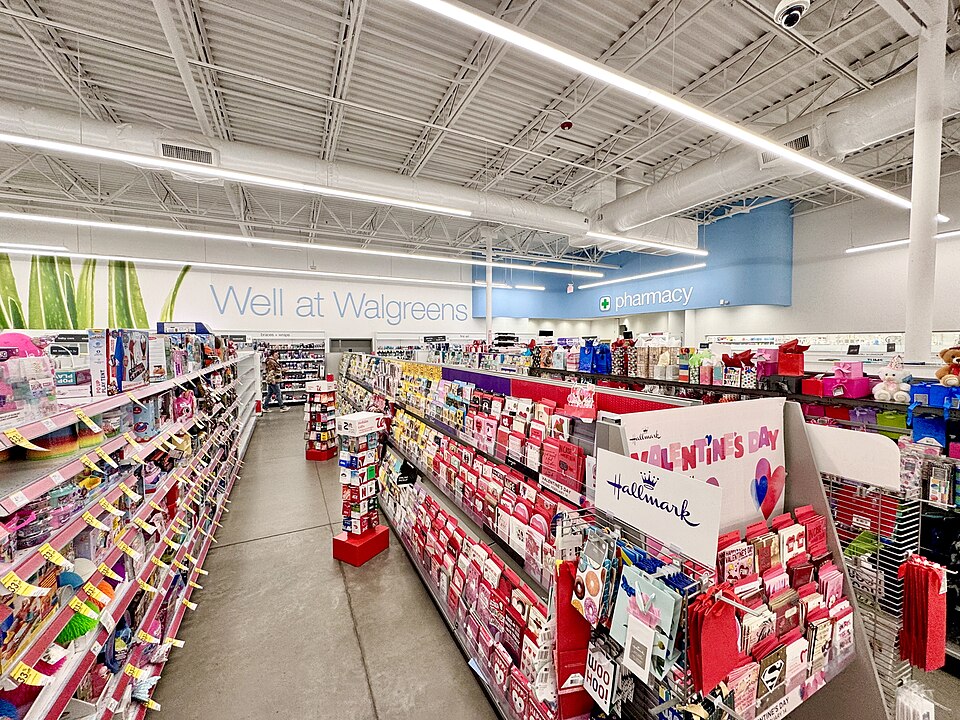
Walgreens entered 2025 with one of the most visible multiyear downsizing plans in retail. The company said it would shut about 1,200 underperforming stores over three years, including 500 locations in 2025. The chain’s retrenchment reflected pressure on the traditional pharmacy model. Reimbursement challenges, weaker front-of-store performance, and a need to refocus on profitable locations all shaped the decision. Walgreens still described thousands of stores as profitable, but the scale of the closures showed how aggressively major pharmacy operators were pruning their networks.
2. Macy’s
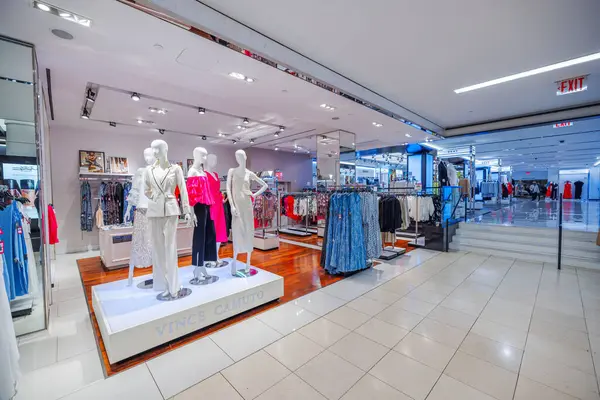
Macy’s kept shrinking its footprint as part of its turnaround effort. The department store operator said it was closing 14 more locations while continuing a wider plan announced earlier to shutter 150 stores by the end of 2026 and invest in its stronger fleet. That strategy made Macy’s a clear example of a chain choosing concentration over sprawl. Rather than abandoning physical retail, the company framed the move around stronger stores and more selective investment. In a year filled with wholesale exits and bankruptcies, that distinction mattered.
3. Rite Aid
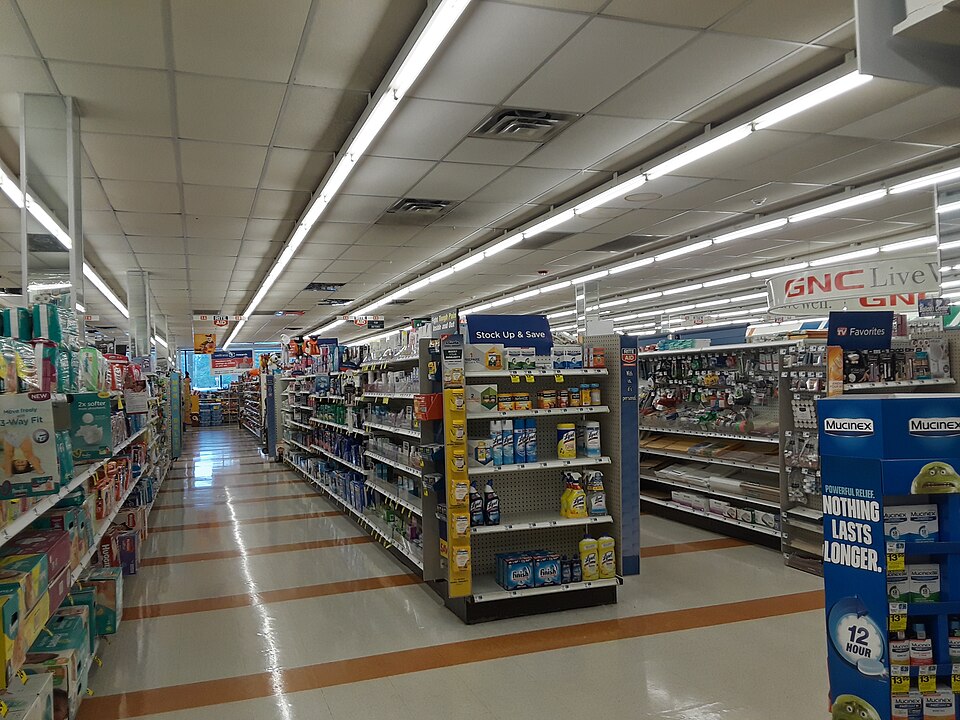
Rite Aid’s decline became one of the year’s clearest signs of how fragile legacy chains had become. CNN reported that the longtime pharmacy retailer closed its doors in October after a second bankruptcy in just a few years. The company had already been weakened by debt, legal costs, and competition from larger rivals. Even after an earlier restructuring and hundreds of store closures, its footprint continued to shrink. By the end, parts of the business were being picked up by competitors rather than preserved as a national chain.
4. Joann
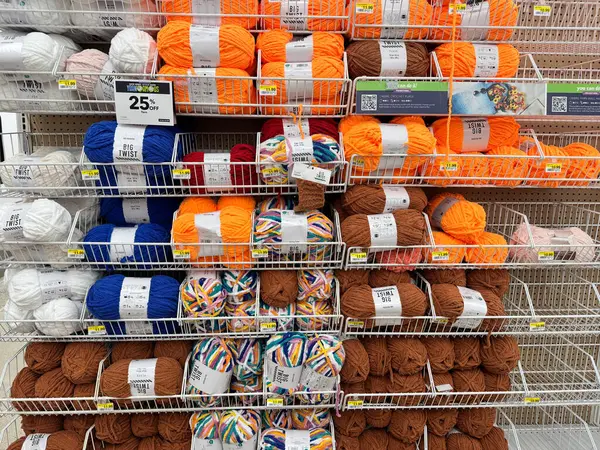
Joann’s shutdown marked the end of a chain that had served crafters and fabric shoppers for decades. The retailer closed in 2025 following its second Chapter 11 filing within a year. Its problems combined sluggish sales, inventory strain, and debt. The closure stood out because Joann was tied to a highly specific shopping ritual that many customers still associated with in-person browsing. Some of its brand elements survived through Michaels, but the original store network did not.
5. Party City
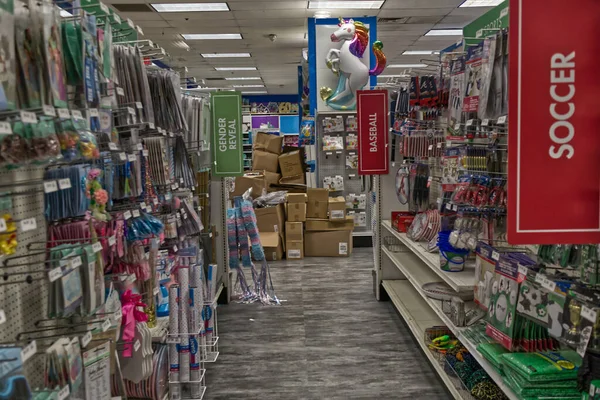
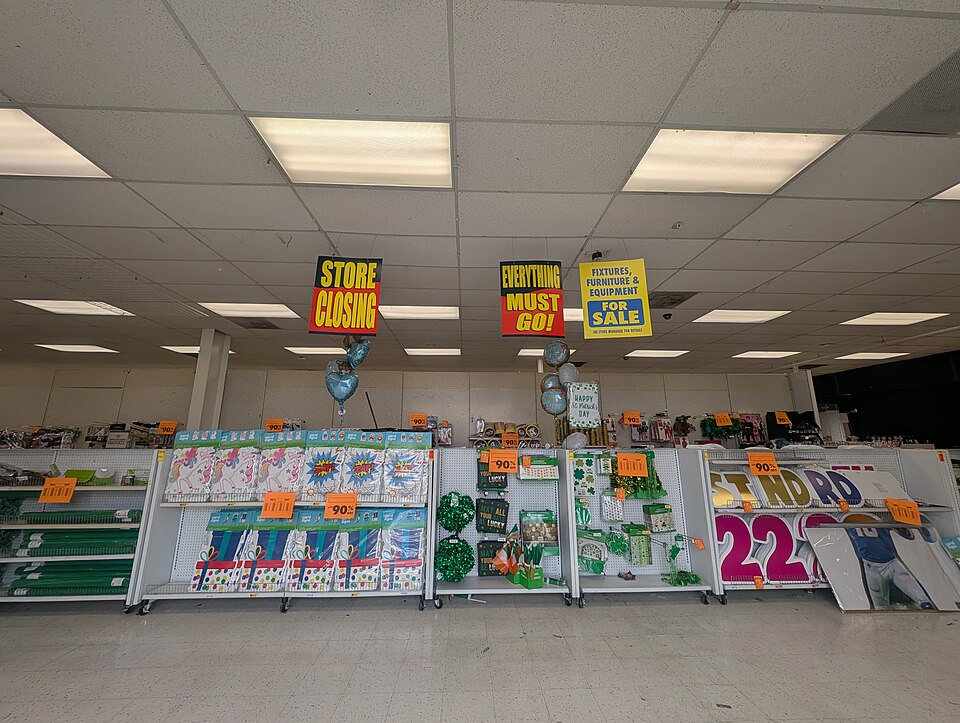
Party City finally went dark after a long struggle. The chain, known for balloons, themed supplies, and last-minute celebration shopping, fully closed stores in February 2025 after previous bankruptcy troubles. Its decline captured a familiar pattern: heavy debt, more online competition, and mounting pressure from big-box stores that could sell party goods alongside everything else. Seasonal specialists can still attract bursts of traffic, but maintaining a large year-round footprint became much harder.
6. Forever 21
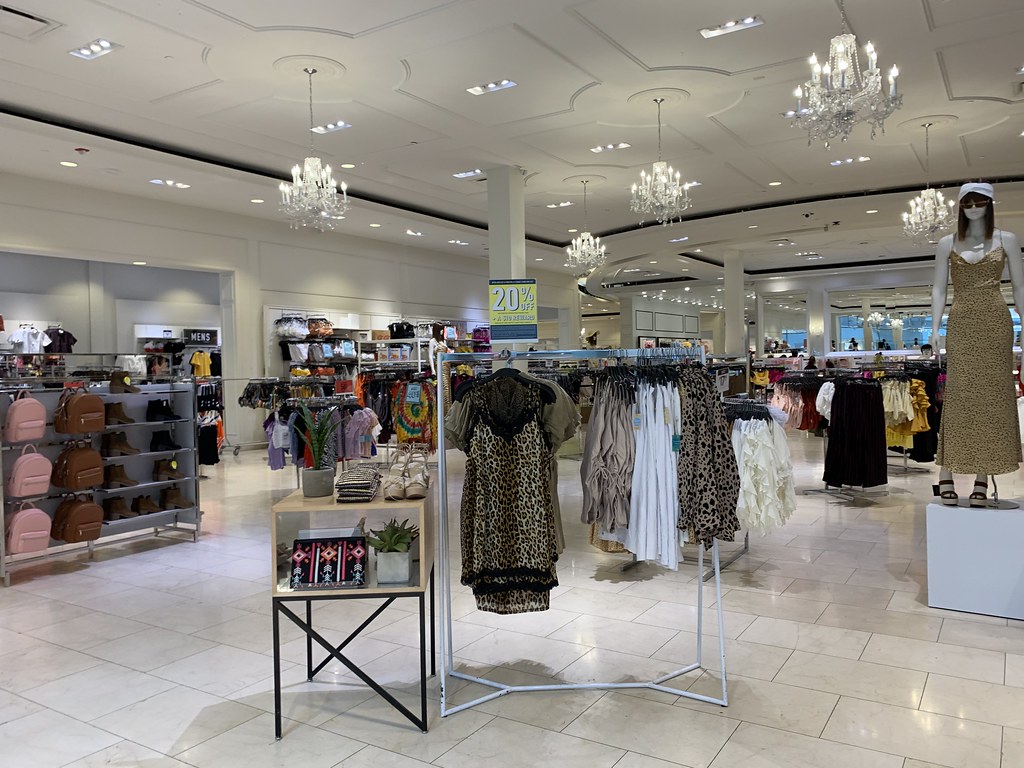
Forever 21 filed for bankruptcy again in March and shut down its U.S. store operations, affecting about 500 locations, according to CNN. The brand’s struggles reflected how quickly mall apparel lost ground to faster, cheaper, and digitally native competitors. This was not only about fashion trends. The chain was squeezed by shifting teen spending, the rise of overseas fast-fashion platforms, and the difficulty of running a large store base built for a different era of shopping.

7. Claire’s
Claire’s became another mall staple under pressure in 2025. EMARKETER reported that the accessories chain planned to shutter at least 700 stores after its second bankruptcy filing in seven years. The company faced declining mall traffic, low-priced online rivals, and rising sourcing costs. Claire’s had long depended on impulse purchases and in-person ear piercing, but the economics of operating hundreds of small mall stores grew less forgiving as traffic patterns changed.
8. Big Lots
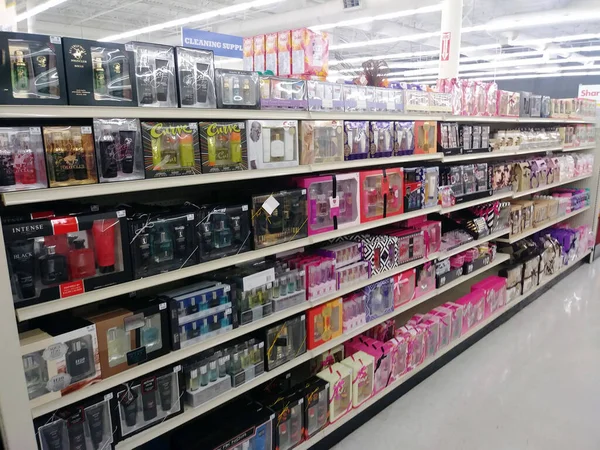
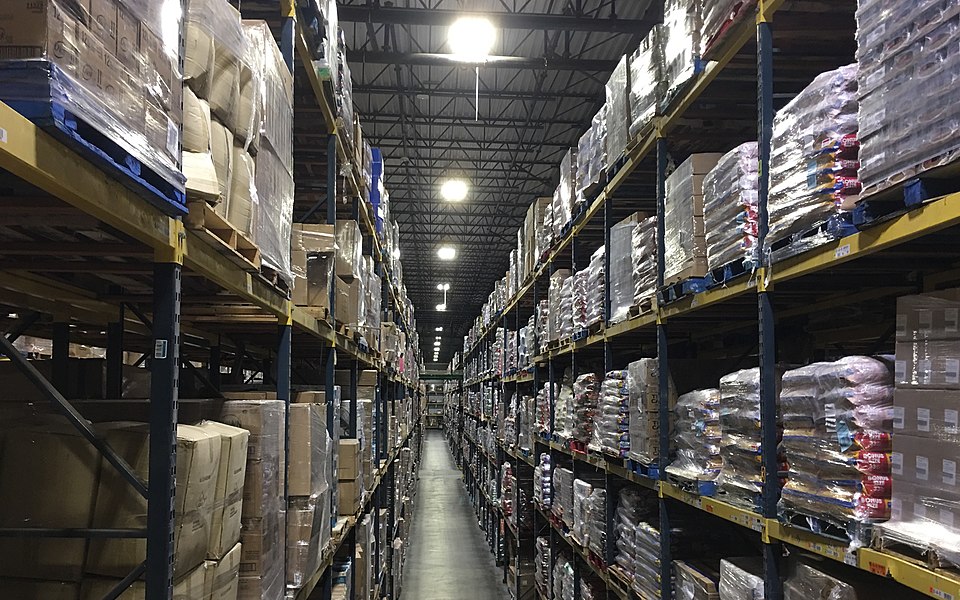
Big Lots spent much of the period trying to stabilize its business, but store shutdowns continued to define the chain’s story. Retail Dive reported that the company began going-out-of-business sales across its stores after a sale process fell apart. The retailer had already closed hundreds of underperforming locations before that point. Its troubles were tied to weaker discretionary spending, especially in furniture and home decor, along with a long-running struggle to balance bargain positioning with broader retail ambitions. Some locations later found a second life through new ownership, but the original footprint took a major hit.
9. Dollar General
Dollar General also appeared on the list of chains reducing locations in 2025. Hardware Retailing said the discount giant closed 150 stores during the year. That number was smaller than the cuts seen at some bankrupt chains, yet it still mattered because dollar stores had spent years expanding aggressively. Even value-oriented retailers were no longer acting as though every additional storefront automatically made sense.
10. Kohl’s
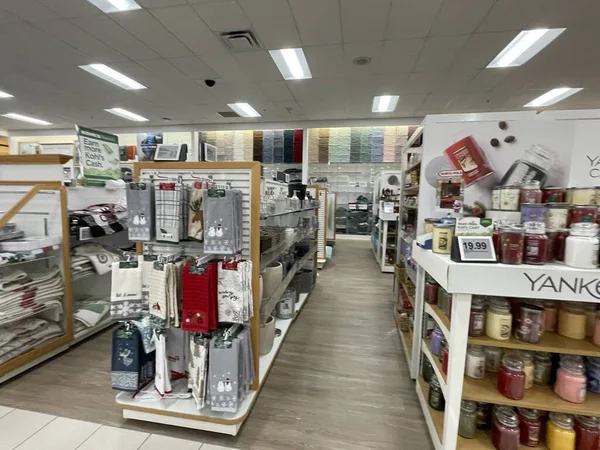
Kohl’s remained open nationally but still reduced its footprint in 2025. Hardware Retailing reported that the department store chain closed 24 stores. Compared with the most distressed retailers, Kohl’s cuts were more selective. Still, the closures reinforced the wider pattern: chains with national recognition were reassessing large real estate portfolios and abandoning weaker sites rather than trying to preserve every location.
The broad takeaway from 2025 was not that physical retail vanished. It was that scale stopped being an advantage on its own. Chains with too much debt, too many weak stores, or the wrong category mix moved fastest toward closures, while others used the same environment to slim down and protect stronger locations. For shoppers, the result was a year in which many familiar signs disappeared from malls, strip centers, and neighborhood retail corridors.

