
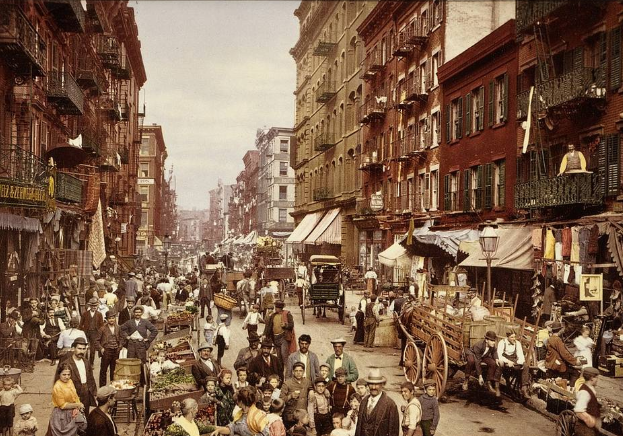
The 1950s still carry a polished image: big cars, unsupervised summer afternoons, and a looser idea of what counted as risky. But many ordinary behaviors from that era now sit on the wrong side of modern law, not because society suddenly became stricter for no reason, but because decades of evidence changed what harm looks like in the eyes of courts, schools, and regulators.
Some of these shifts came from better science. Others came after public outrage, new safety standards, or a long rethinking of who needed protection in the first place. The result is a list of habits that once passed without much comment and now can trigger fines, investigations, or criminal charges.
1. Letting children ride loose in the car
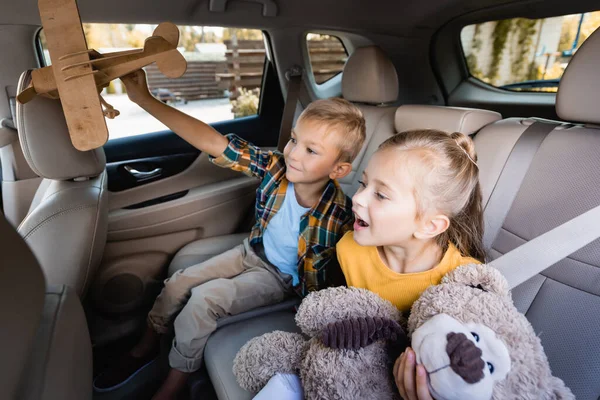
In mid-century family cars, children often stood on the floorboard, sprawled across the back seat, or peered over the front bench while the car was moving. Early child seats were often built more for visibility than protection, and the 1971 federal standard for child safety seats focused on secure installation rather than the casual “hold on tight” approach that had come before it.
That world is gone. Every state now has child restraint laws, and adult seat belt rules are nearly universal as well, with New Hampshire as the lone adult exception. An unrestrained child can lead to a traffic stop, a citation, and in more serious circumstances, a child endangerment case.

2. Treating drunk driving like a social embarrassment
For much of the 1950s, an intoxicated drive home was often handled as poor judgment, especially in places where everyone knew everyone else. Modern law treats it as a measurable public danger tied to impairment, crash risk, and accountability that can follow a person for years through court records, insurance, and licensing consequences.
Even related conduct once shrugged off has narrowed. In much of the United States, open-container laws make alcohol in public spaces or moving vehicles an offense of its own, reflecting a broader legal shift away from informal tolerance.

3. Putting kids in the open bed of a pickup
What used to feel like a quick ride across town or out to a field now reads as a clear transportation hazard. Children riding in truck beds can be thrown during turns, ejected in crashes, or injured by sudden stops, and many states restrict or ban the practice for minors.
That means what was once framed as convenience can now bring improper transport citations, negligence claims, or more serious legal consequences after an injury.

4. Dumping oil, paint, or chemicals behind the garage
Mid-century cleanup habits were often no more sophisticated than “take it out back.” Used motor oil, leftover paint, solvents, broken glass, and household debris were commonly dumped in ditches, empty lots, and ravines. What changed was not only public taste but public knowledge: soil contamination, groundwater damage, and hazardous exposure can linger for decades, long after the original mess disappears from sight.
Anti-litter efforts also expanded rapidly in the 1950s as states adopted ordinances against careless disposal, though later criticism argued that some campaigns placed more blame on individuals than on packaging-heavy industry. Even so, the legal standard today is clear: hazardous dumping can trigger cleanup orders, fines, and criminal penalties.

5. Enforcing segregation in public life
Some everyday acts in the 1950s were not merely rude by current standards; they are now recognized as unlawful discrimination. Refusing service, pushing for separated seating, or calling authorities to preserve a segregated setting once aligned with local custom in many parts of the country.
Today, equal access protections make that conduct legally actionable. What had been defended as “the way things were” can now lead to civil liability, regulatory action, and business penalties.
6. Bringing hunting guns onto school grounds
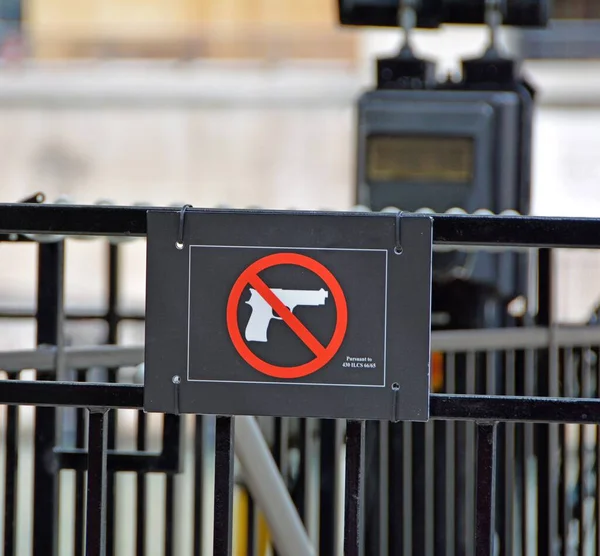
In some rural communities, students once left rifles or shotguns in vehicles before heading to class, especially during hunting season. The surrounding culture viewed the firearm as sporting equipment, not necessarily as a school emergency.
Modern school safety policy does not make that distinction lightly. A weapon on school grounds can bring felony charges, expulsion, and an immediate law-enforcement response, even when there is no sign of intended violence.

7. Selling toys with hazards built in
Chemistry sets once included potent substances, metal dart games were marketed as backyard fun, and realistic pellet guns were treated as ordinary childhood gear. The older standard accepted cuts, burns, and broken parts as part of growing up.
Current consumer rules are far less forgiving. Product testing, hazard labeling, recall authority, and injury liability mean many of those designs would not survive today’s regulatory process in anything close to their original form.

8. Setting off fireworks in tightly packed neighborhoods
Backyard fireworks were once a holiday ritual in many places, even when roofs, dry grass, and nearby homes made the setting plainly risky. Modern fire codes and explosive regulations treat that kind of casual use much more seriously, especially in dense neighborhoods or wildfire-prone regions. A tradition that once ended with laughter and smoke can now end with citations, property claims, or criminal charges if a fire starts.

9. Leaving visible injuries under the label of discipline
Physical punishment used to be treated as a private matter unless the injury was unmistakably severe. Over time, child-protection law moved in the opposite direction, especially after the 1974 strengthening of federal child-protection reporting systems and later mandatory-reporting frameworks that pulled teachers, doctors, and social workers into the process.
Today, bruises, welts, or other visible injuries can lead to a report, an investigation, and criminal charges. The legal question is no longer whether discipline happened inside the home, but whether preventable harm occurred.

10. Treating cruelty to animals as childish mischief
Older neighborhood stories sometimes brushed off tormenting strays or hurting pets as a phase, a prank, or a rough lesson in toughness. Modern law does not treat it that way. Animal cruelty statutes expanded significantly after measures such as the Animal Welfare Act of 1966 established stronger federal attention to humane treatment. In many jurisdictions, serious abuse can now be charged as a felony.
What changed was not only the status of animals in law, but also a deeper recognition that cruelty itself carries public consequences. The distance between “normal then” and “illegal now” says less about nostalgia than about what society eventually chose to measure, document, and stop excusing. Cars became safer, schools became stricter, waste became traceable, and private conduct lost some of its old immunity when clear harm was involved. Laws do more than punish. They record the point where a culture stops calling something ordinary.

