
Few culture-war topics have tested celebrity speech more visibly than the argument over relation, gender identity, and who gets to define womanhood in public life. In entertainment, the issue has reached far beyond social media feuds, touching sports, language, artistic freedom, and the professional cost of taking a side.
What stands out is not a single shared ideology, but a pattern: some actresses and performers have defended relation based language, some have backed embattled public figures, and others have focused on fairness in women’s sports or parental authority. Their comments have drawn praise, backlash, and, in several cases, lasting reputational consequences.
1. Gina Carano and the career-cost question
Gina Carano became one of the clearest examples of how this debate can affect employment in Hollywood. After public controversy over her social media activity, her exit from a major franchise turned her into a symbol in wider arguments about speech, ideology, and who gets frozen out of mainstream entertainment. Carano also criticized preferred-pronoun expectations and what she described as an atmosphere of enforced conformity. Her trajectory made the topic less abstract for industry observers, because it linked viewpoint disputes directly to career visibility.
2. Helena Bonham Carter and the backlash line
Helena Bonham Carter did not center her comments on policy. Her intervention mattered because she defended the right to express unpopular views without immediate social punishment. In speaking up for J.K. Rowling, she argued that the reaction had become excessive and that disagreement should not automatically trigger public destruction. That moved the discussion from gender theory into a broader entertainment question: whether prominent artists are still allowed nuance when a disputed subject becomes morally charged online.
3. Bette Midler and the fight over language
Bette Midler helped turn terminology into a mainstream flashpoint. Her criticism of phrases such as “birthing people” resonated with readers who viewed the language shift as a challenge to the category of women itself. The intensity of the response showed how quickly word choice can become a proxy battle over biology, identity, and institutional messaging. In celebrity culture, short statements often travel farther than essays, and Midler’s comments did exactly that.
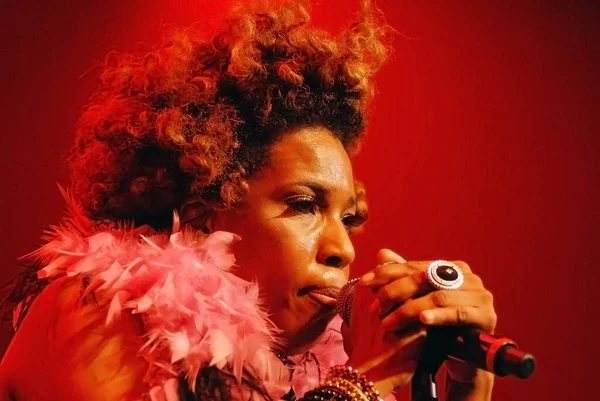
4. Macy Gray and the biological definition dispute
Macy Gray pushed the debate into blunt, plain-language territory when she publicly argued that surgery does not make someone a woman. The remark drew immediate criticism, but it also exposed how little middle ground exists once a public figure defines womanhood in biological terms. Gray later apologized for hurt caused by the discussion while still signaling that her underlying view had not fully changed. That combination of partial retreat and continued conviction is common in this space, where public figures often try to soften tone without surrendering the substance of what they said.
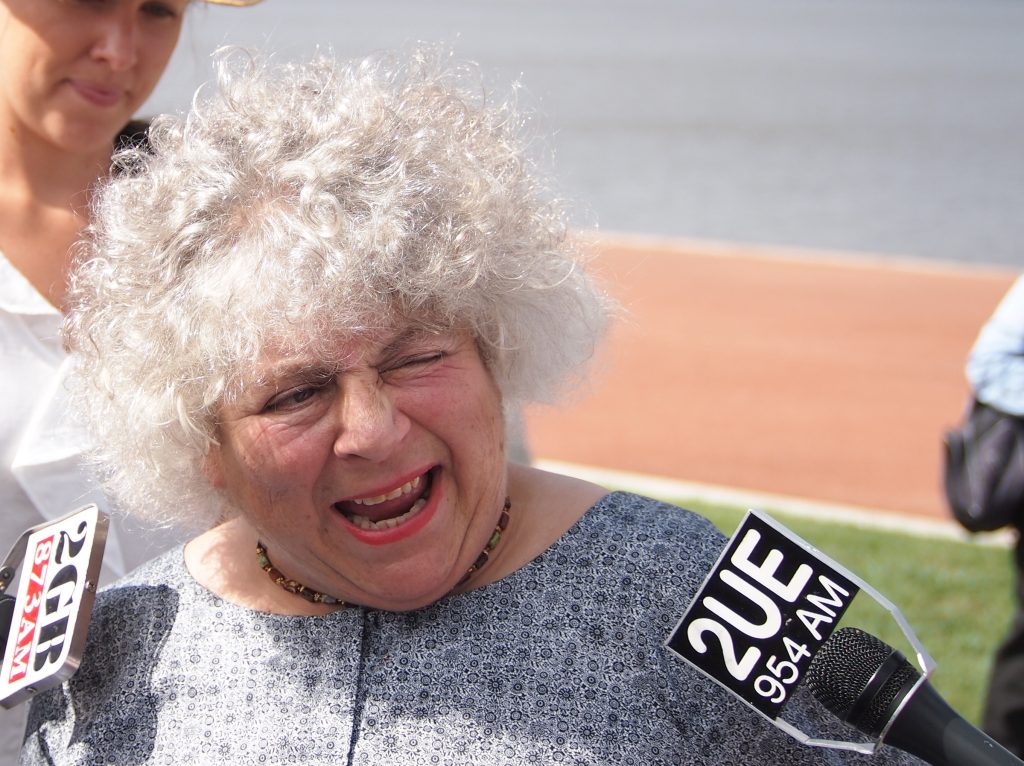
5. Miriam Margolyes and the civility argument
Miriam Margolyes became another prominent defender of Rowling, but her emphasis was different. She repeatedly focused on the temperature of the debate itself, objecting to the abuse and fury surrounding disagreements over relation and gender. That position gave voice to a recurring concern inside the arts: not simply what can be said, but whether public conversation has become too punitive to sustain honest disagreement. It also aligned with a broader cluster of British performers who have treated the issue as one of cultural intolerance as much as ideology.
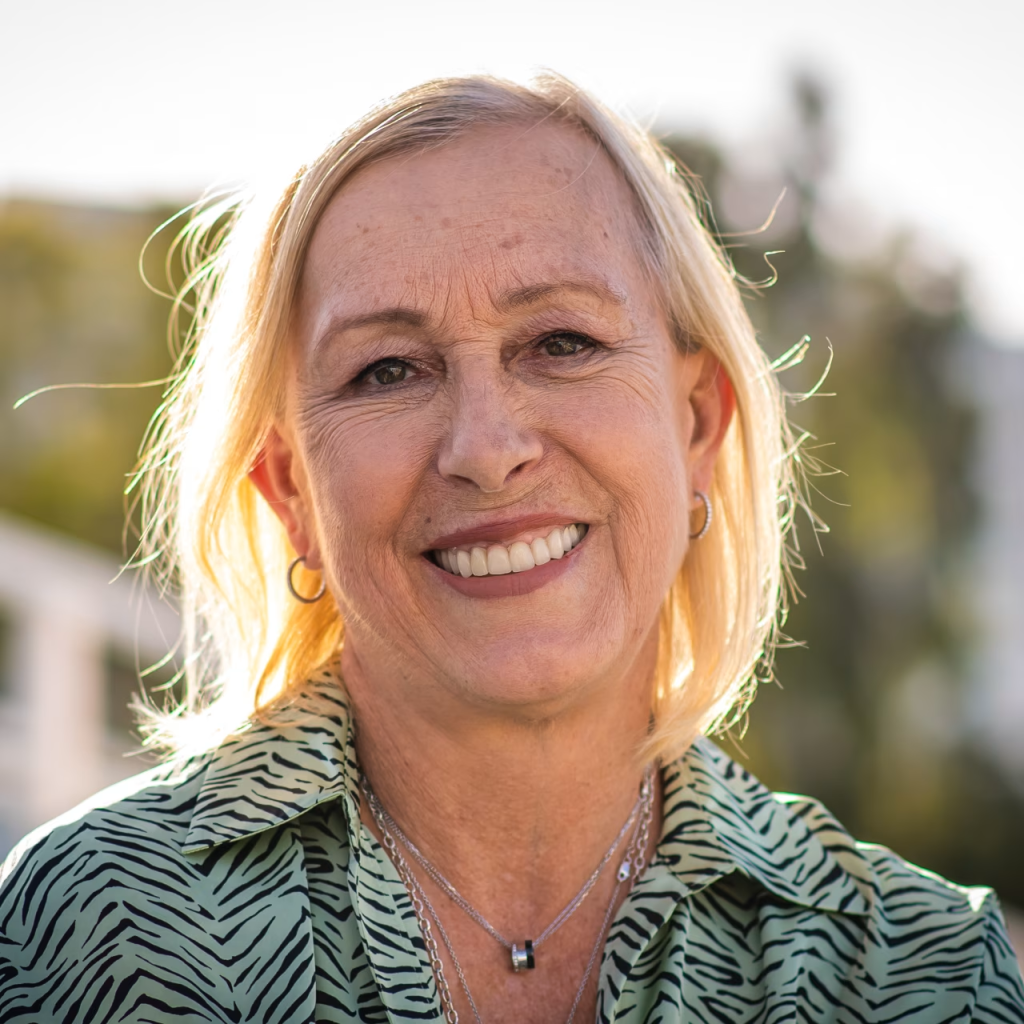
6. Martina Navratilova and the sports fault line
Martina Navratilova sits at the center of the sports dimension, where competing claims about inclusion and fairness are hardest to reconcile. She has argued that female categories lose meaning if relation-based boundaries disappear, especially in elite competition. The wider backdrop kept evolving after her interventions, including Simone Biles saying the current system doesn’t adequately balance competitive equity and inclusivity. That framing captured why sports remains the most combustible front in the broader argument: rules must be concrete, even when the culture around them is not.
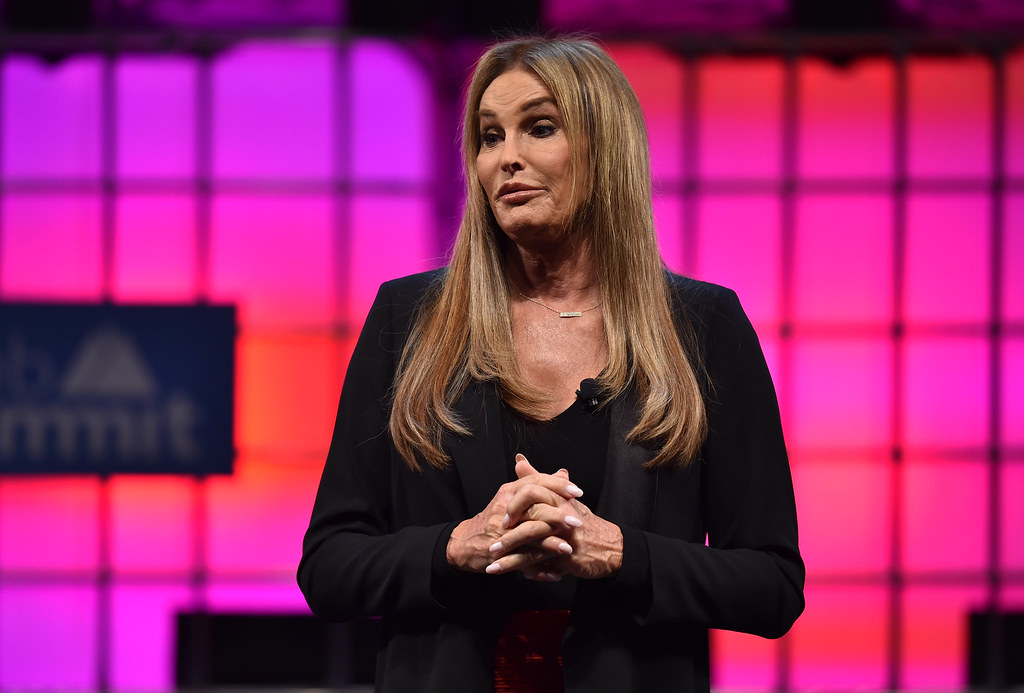
7. Caitlyn Jenner and the internal split
Caitlyn Jenner complicated the usual celebrity script by opposing the participation of biological males in girls’ sports while being a transgender public figure herself. That made her comments difficult to file into familiar ally-versus-opponent categories. Her stance demonstrated that disagreement inside the trans conversation can be as sharp as disagreement outside it, especially on athletics. In media terms, Jenner’s role showed that identity alone does not predict policy views.
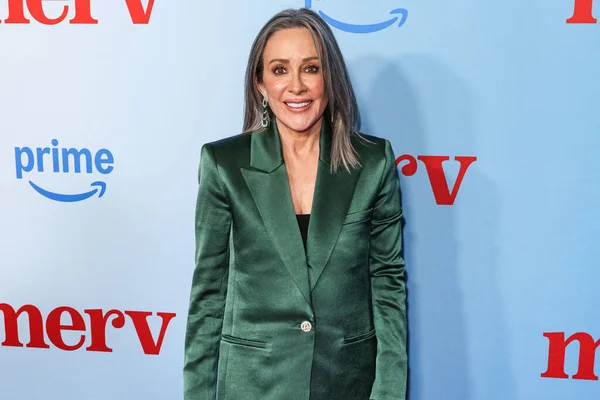
8. Patricia Heaton and support-by-association
Patricia Heaton’s significance came less from a single headline-grabbing quote than from consistent public support for relation-based rights advocates, especially Rowling. In celebrity ecosystems, endorsement matters. A supportive post, a shared message, or a public defense can help normalize a position that others in the same industry avoid touching. Heaton’s interventions illustrated how stars can influence the debate without making themselves its loudest voice.
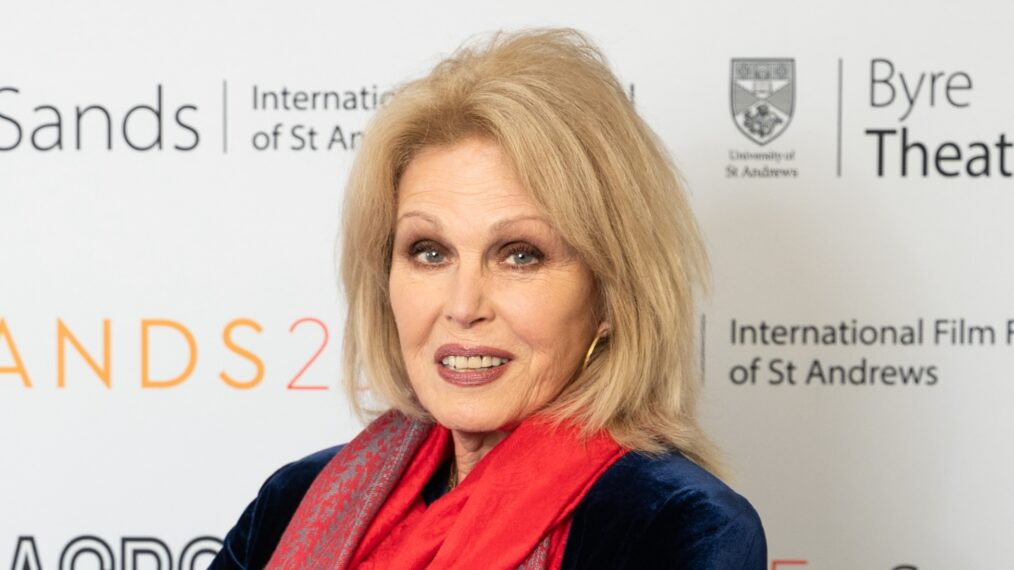
9. Joanna Lumley and the free-expression frame
Joanna Lumley approached the issue through artistic and civic freedom, criticizing what she saw as a culture of intimidation around dissenting views. Her comments carried weight because they came from a veteran performer with little need to chase controversy for relevance. For audiences, that made her statements feel less like provocation and more like a warning about the cost of ideological rigidity in creative fields. She turned a disputed social issue into an argument about the kind of industry entertainment wants to be.
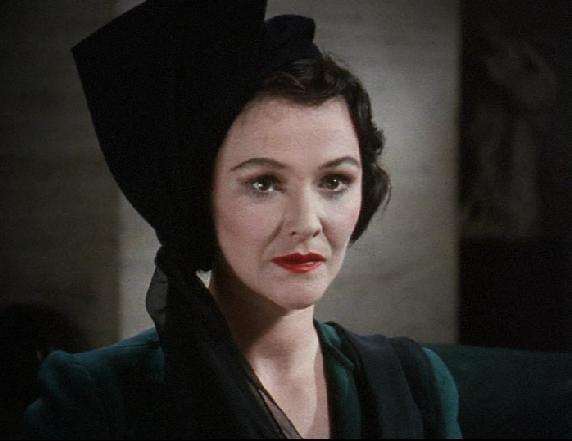
10. Frances Barber and the activist-actor model
Frances Barber stands out as one of the more direct and sustained voices in the British acting world on relation-based rights. Rather than limiting herself to occasional gestures of solidarity, she repeatedly challenged gender-identity doctrine online and defended biological definitions in public. That persistence matters. High-profile debates are often shaped not only by famous names, but by the people willing to return to the subject again and again after the initial backlash cycle fades.
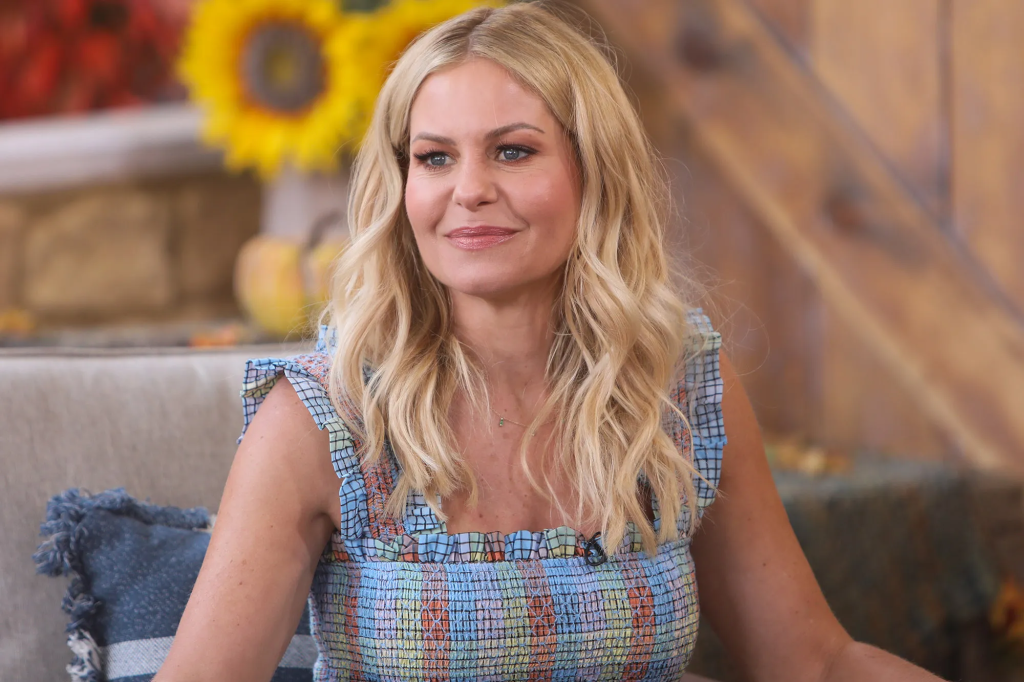
11. Candace Cameron Bure and the values-brand effect
Candace Cameron Bure entered the wider conversation less through explicit statements on gender identity than through public alignment with traditionalist entertainment values. Her move toward programming centered on “traditional marriage” was widely read as a signal about what kinds of identities and families would be foregrounded or omitted. In celebrity culture, branding choices often communicate as much as interviews do. Bure’s example showed how the relation-and-gender divide can shape not only speech, but the kinds of stories stars choose to attach their names to.

12. The pro-trans celebrity response that sharpened the divide
The reaction to gender-critical celebrities did not happen in a vacuum. A powerful opposing bloc formed across entertainment and activism, including more than 450 celebrities signing an open letter in support of trans women and girls. Public figures such as Daniel Radcliffe saying “Transgender women are women” and Emma Watson writing that trans people are who they say they are made clear that Hollywood’s divide is not a fringe skirmish. It is a visible split over language, rights, and legitimacy, with celebrity statements functioning as cultural signals far beyond film sets or red carpets.
The lasting story is not that every actress on this list said the same thing. It is that each helped move the conversation into a different arena: contracts, sports, language, public loyalty, or creative freedom. That is why the debate continues to reverberate. In entertainment, a single comment can stop being personal almost immediately and become a referendum on what the industry rewards, protects, or refuses to hear.

