
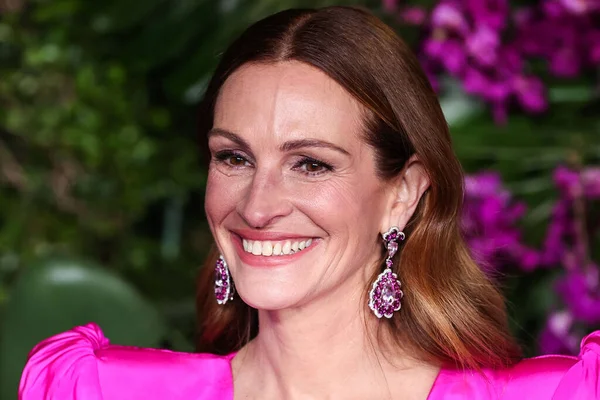
The label “overrated” tends to say as much about Hollywood as it does about any one performer. It usually appears when a star’s fame, franchise power, or awards history feels larger than the actual range audiences believe they see on screen. That gap keeps certain actors in a permanent debate zone. Some are box-office fixtures. Some have Oscars. Some have devoted fan bases that make the criticism even louder.
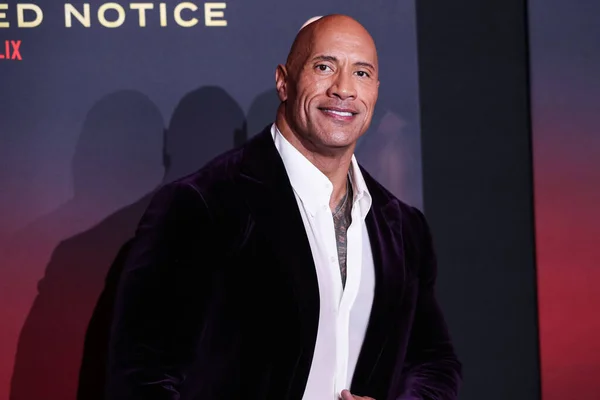
1. Dwayne Johnson
Dwayne Johnson remains one of the clearest examples of star power outrunning the acting conversation around it. His screen appeal is easy to identify: physical confidence, comic timing, and a reliably upbeat action-hero presence. The criticism is just as consistent, with many viewers arguing that his characters rarely move far from the same familiar template.
That reputation has followed him through franchise-heavy work in adventure and action films, even as critics questioned his limited dramatic stretch. The debate around Johnson is less about whether he is watchable and more about whether charisma alone should count as elite acting.
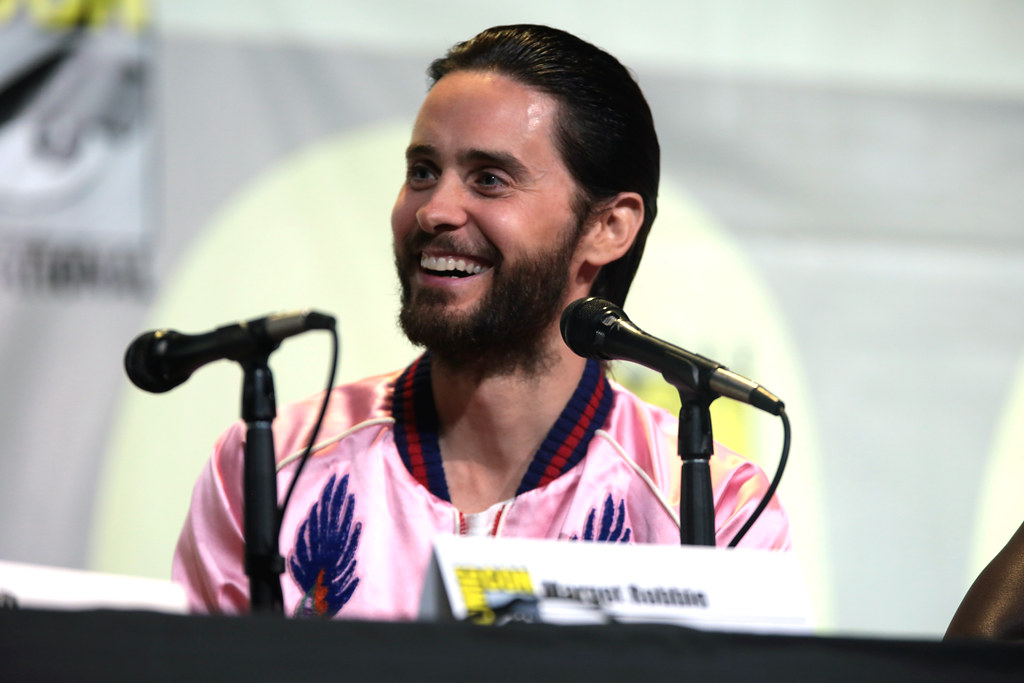
2. Jared Leto
Jared Leto’s career creates an unusual split between prestige recognition and audience fatigue. His Oscar-winning turn in Dallas Buyers Club gave him serious industry standing, but many later performances triggered a very different reaction. His elaborate off-screen process and method-acting reputation have often become part of the conversation, sometimes overshadowing the work itself. That disconnect is a big reason his name keeps resurfacing in debates about inflated acclaim. When the performance style becomes more memorable than the character, the discussion shifts from talent to spectacle.
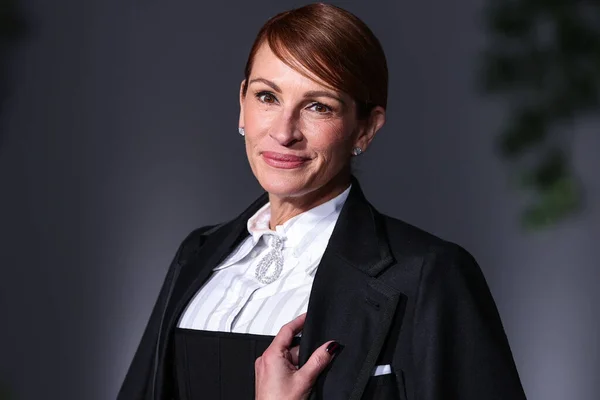
3. Julia Roberts
Julia Roberts has movie-star presence that few actors can match, and that has long been part of both her appeal and the criticism of her work. She built a career on magnetism, confidence, and a persona audiences instantly recognize. For skeptics, that consistency is also the limitation.
Even in discussions that acknowledge her staying power, her enduring appeal often relies on a familiar persona. The argument against Roberts is not that she lacks screen command, but that transformation has rarely been the reason people buy a ticket.
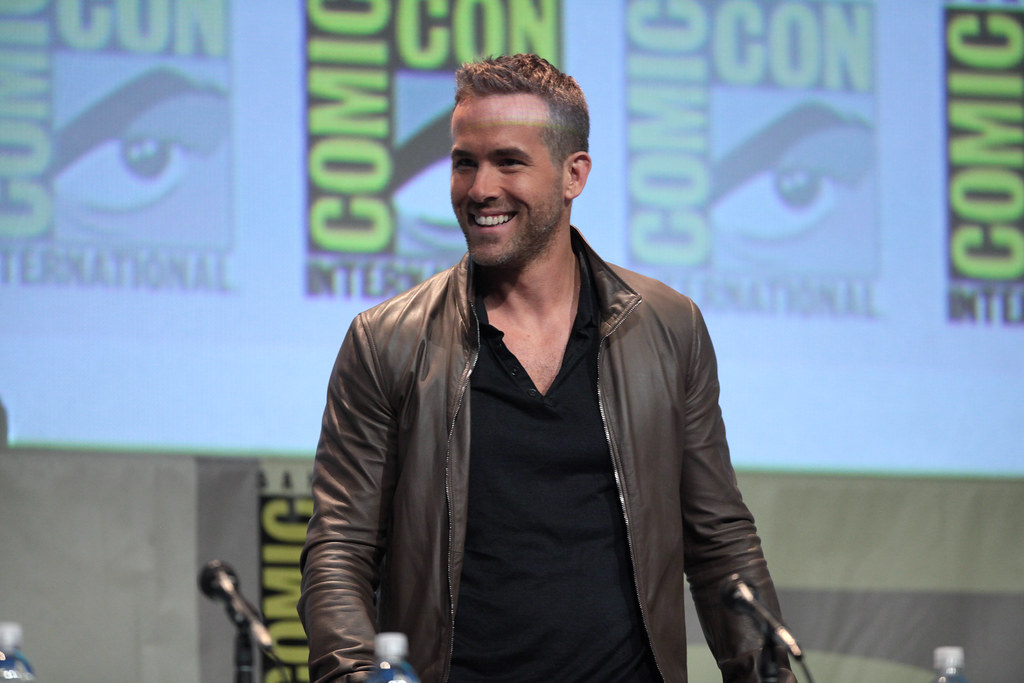
4. Ryan Reynolds
Ryan Reynolds found a perfect lane with Deadpool, and that success also sharpened the criticism around him. His rapid-fire sarcasm, self-aware delivery, and mischievous charm are now central to his public brand. For many viewers, that brand has started to feel like the whole performance.
When the same tone appears across comedies, action films, and streaming releases, range becomes the sticking point. Reynolds remains popular, but popularity has not quieted the argument that he is often playing a polished version of himself.
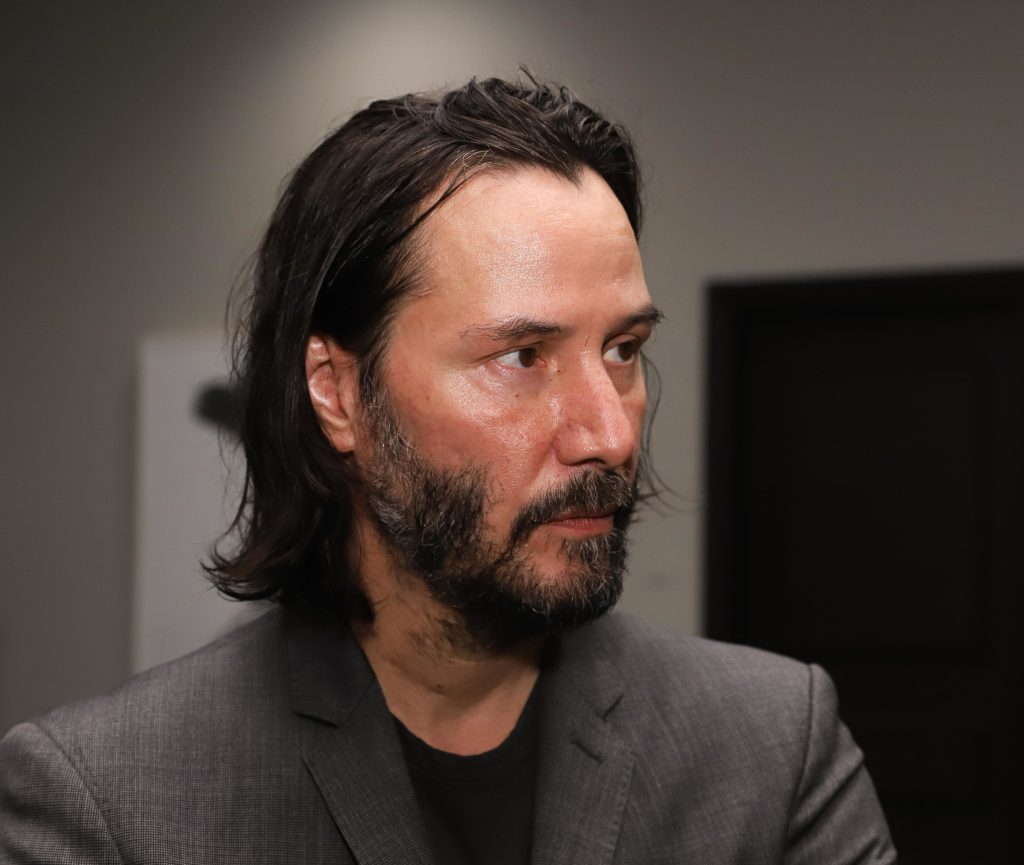
5. Keanu Reeves
Keanu Reeves occupies a rare space where affection for the person coexists with skepticism about the performer. He is central to beloved franchises, and few stars have built such a strong bond with audiences through sheer presence. Yet criticism of his delivery has followed him for decades. Reeves is often praised for physical commitment, especially in action cinema, while detractors point to stiffness in emotional scenes. That tension keeps him in the conversation: admired star, disputed actor.
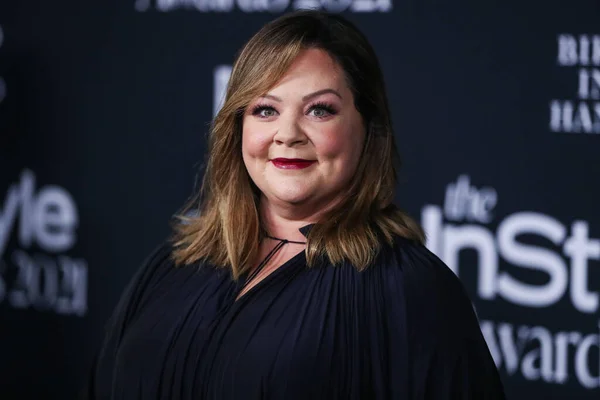
6. Melissa McCarthy
Melissa McCarthy’s career shows how one acclaimed dramatic performance can complicate a one-note reputation without fully erasing it. Her comic persona made her a major draw, but the louder, more chaotic parts led some viewers to see repetition rather than range.
At the same time, her work in Can You Ever Forgive Me? gave strong evidence that the broader skill set is real, with her dramatic turn earning critical acclaim. That makes McCarthy a more interesting case than many others on this list: the debate is not settled, only ongoing.
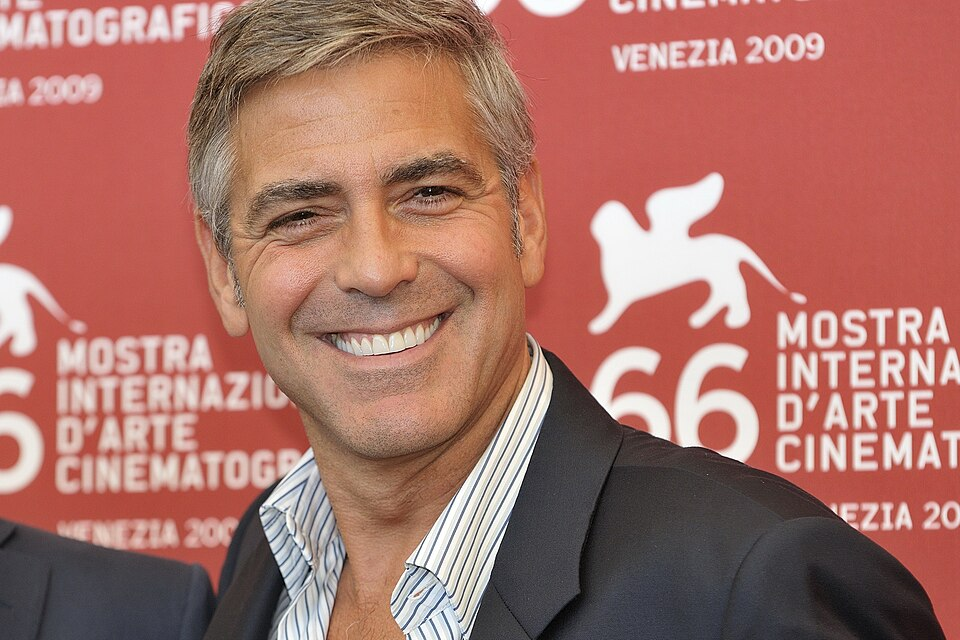
7. George Clooney
George Clooney’s elegance has always been part of the product. He projects intelligence, ease, and authority so naturally that many of his performances blur into a single polished type. For some audiences, that is classic movie-star consistency. For others, it is exactly why his acting gets overrated.
His own comments about one infamous role also added fuel to that perception. Looking back at Batman & Robin, Clooney said, “I was bad in it.” In another remark, he added, “We all whiffed on that one.” Those quotes, reported in his retrospective criticism of the film, stand out because they match what many detractors already believed.
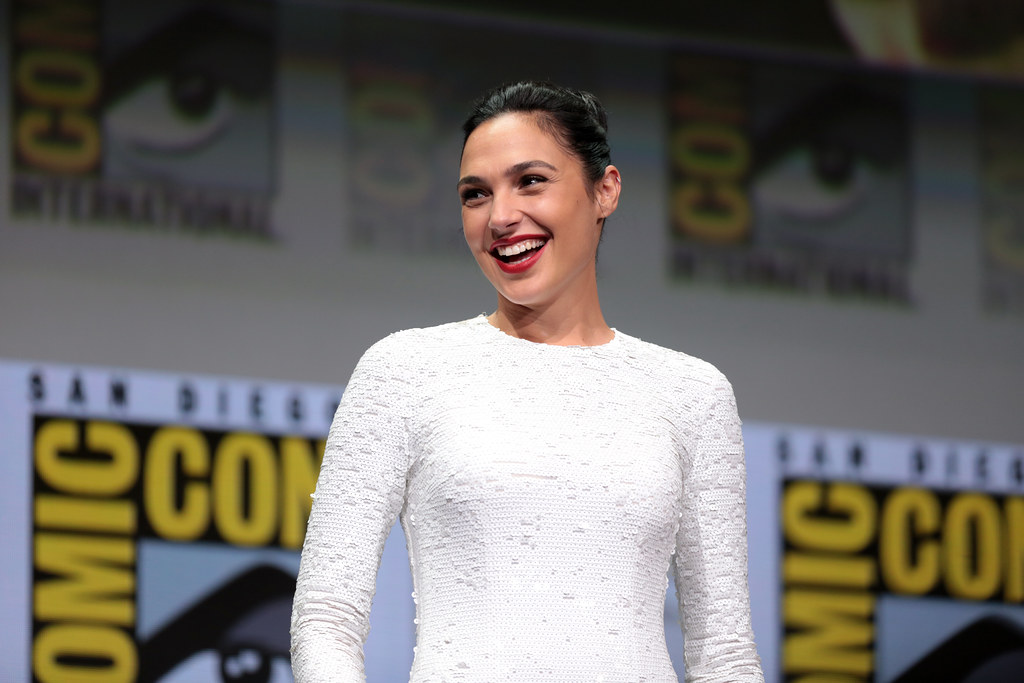
8. Gal Gadot
Gal Gadot became a global star through franchise filmmaking, and much of the debate around her centers on whether star image has done more work than performance depth. She has a commanding physical presence and an unmistakable screen identity, both of which matter in blockbuster casting. Still, criticism of her line delivery and emotional range has followed several high-profile projects. That keeps her name attached to a familiar Hollywood question: when does presence stop being enough?
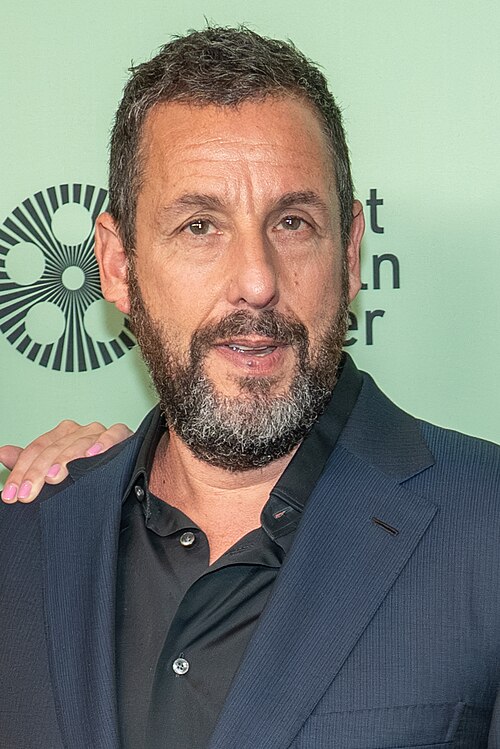
9. Adam Sandler
Adam Sandler may be the most complicated entry in the entire overrated conversation. He has built an enormous commercial career on broad comedy that critics often reject, yet he has also delivered serious performances that immediately reset expectations. That split leaves two very different versions of Sandler in circulation at once.
One version is the dependable star of lazy ensemble comedies. The other is the actor from Uncut Gems and other sharper work who clearly has more in reserve. The frustration for critics is that the stronger version appears less often than the more disposable one, which keeps the “overrated” label alive even when it does not fully fit.
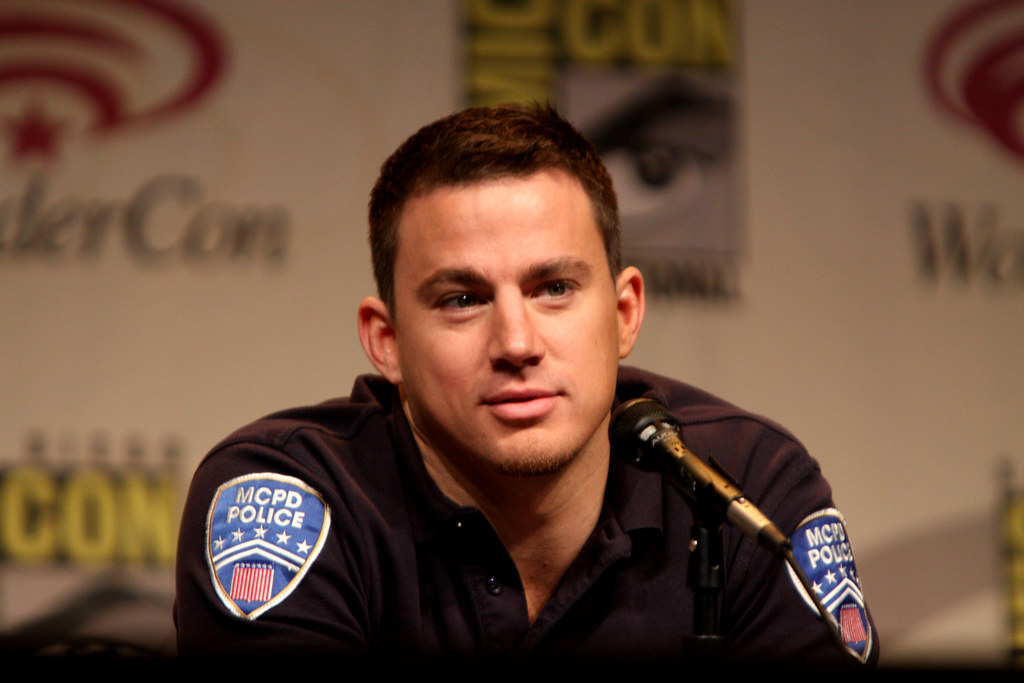
10. Channing Tatum
Channing Tatum has often benefited from physicality, timing, and relaxed charm more than deep dramatic shape-shifting. That has worked well in comedies and performance-driven roles, but not every big studio project helped his case. Some of the strongest evidence in the debate came from Tatum himself.
Speaking about G.I. Joe: The Rise of Cobra, he said, “I hate that movie.” He also said, “The script wasn’t any good.” Those remarks, published in his blunt criticism of the film, reinforced the idea that his blockbuster résumé has sometimes looked larger than the acting inside it.

11. Scarlett Johansson
Scarlett Johansson has moved easily between indie dramas, franchise films, and voice work, but her blockbuster image often dominates public perception. Some critics argue that she is too often discussed as a major dramatic force when many mainstream roles have leaned more heavily on mystique and presence than emotional complexity. That does not erase stronger performances elsewhere in her filmography. It does explain why she remains divisive in discussions about who receives more credit than their most visible work supports.
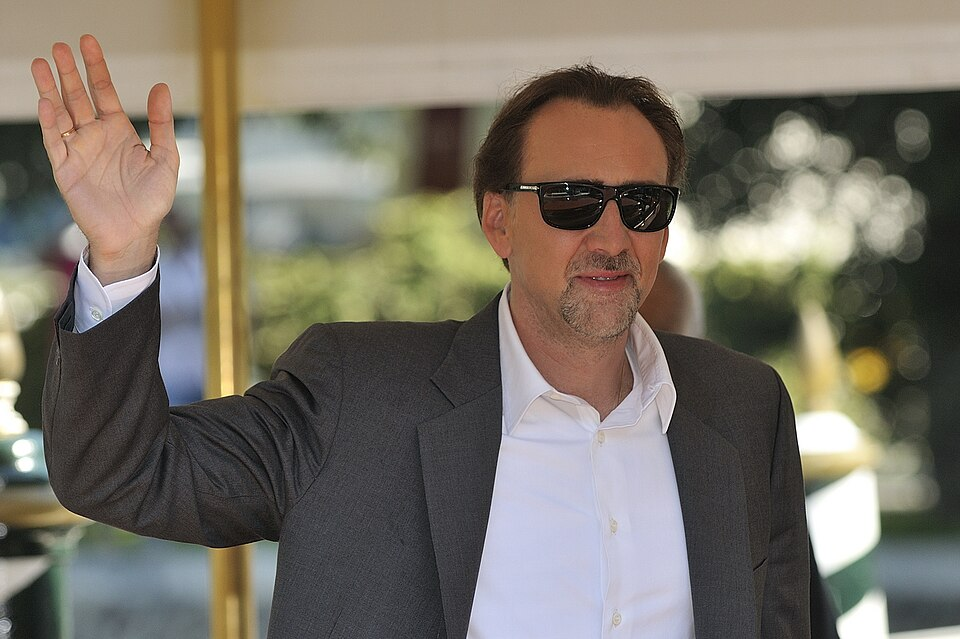
12. Nicolas Cage
Nicolas Cage is almost impossible to place in a simple category, which is part of why the overrated debate never really ends. He has an Oscar, a long career, and a style so singular that it inspires both admiration and disbelief. Fans see fearlessness. Critics often see excess.
The tension has been described as the difference between distinctive craft and a persona so large it swallows the role. As one summary of his reputation put it, his career has often turned on whether audiences view his over the top choices as genius or limitation. That question has never fully gone away.
The actors who draw the strongest overrated arguments are rarely untalented. More often, they are famous enough that every weak performance feels bigger, every repeated character choice becomes easier to spot, and every award or franchise role invites a harsher second look. That is why the debate lasts. In Hollywood, visibility does not just create praise. It also creates a permanent argument about whether the applause ever got too loud.

