
The Exodus remains one of the ancient world’s most argued-over stories, not because it lacks meaning, but because the evidence is scattered across inscriptions, place names, ritual customs, and texts written centuries apart. Archaeology has not produced a single decisive object that settles the question. What it has produced is a growing file of clues that keep the debate alive.
Some of the most discussed pieces do not “prove” the biblical account in a modern courtroom sense. They do something more interesting: they show that Egypt, Canaan, and early Israel shared a historical landscape crowded with migrations, memory, and cultural overlap.
1. An Egyptian monument names Israel surprisingly early
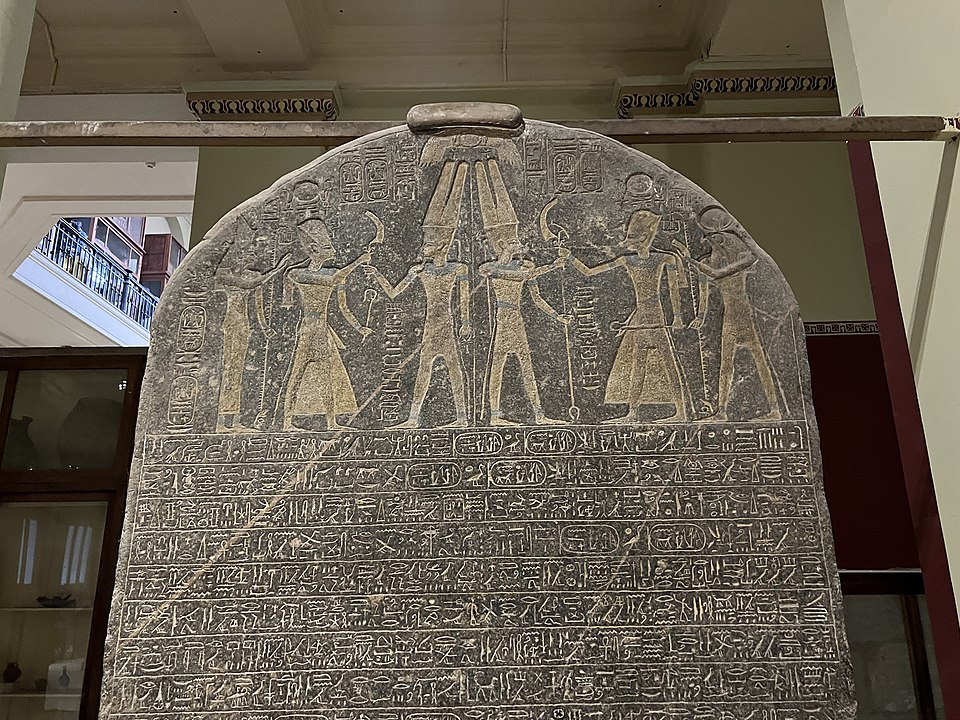
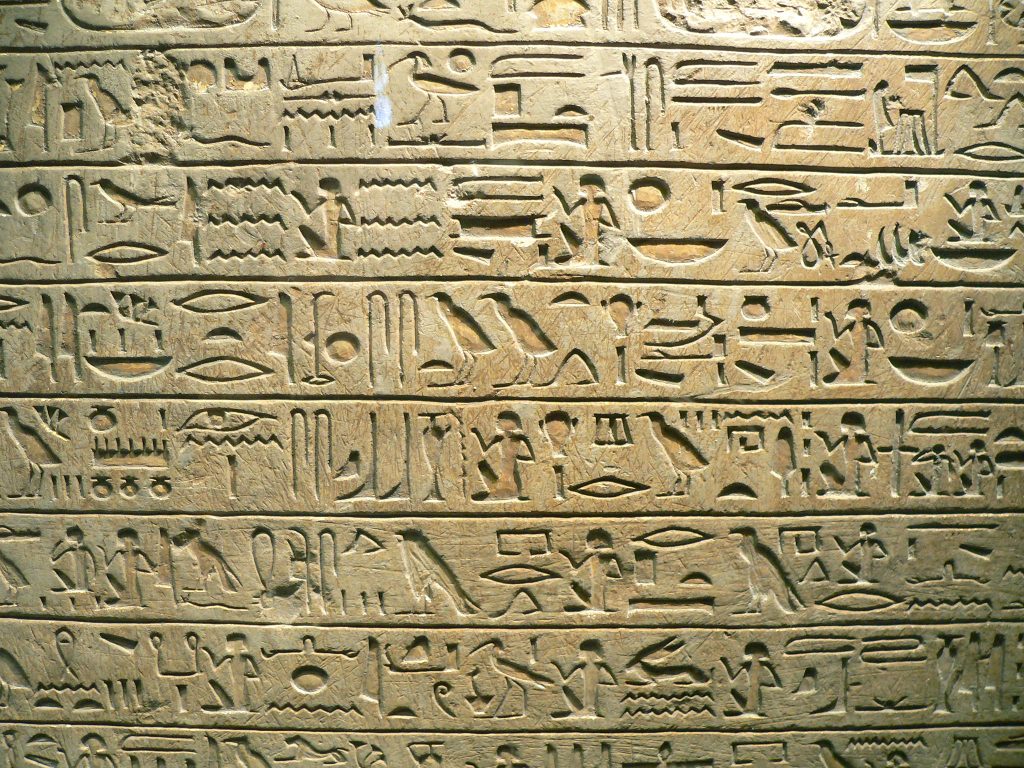
The earliest extra-biblical reference to Israel appears on the Merneptah Stele, an Egyptian inscription from the late 13th century BCE. That alone matters because it anchors “Israel” in the historical record of the ancient Near East rather than leaving it only inside biblical literature. The inscription treats Israel differently from nearby cities such as Gezer and Asqalon.
Egypt’s scribes used markers that many scholars read as referring to a people group rather than a city-state, suggesting an early population in Canaan that was socially distinct but not yet organized like surrounding urban centers. For Exodus discussions, that distinction is important: it places an identifiable Israel in the land during the era when arguments about origins, migration, and memory become most intense.
2. Manetho preserved a hostile memory that echoes Moses traditions
Centuries after the New Kingdom, the Egyptian writer Manetho described a figure named Osarseph, a priest linked to a rebellion of marginalized people who rejected Egyptian religion and later took the name Moses. The account survives through Josephus, and it is deeply polemical, but that is part of why it continues to attract attention.
Its details do not line up neatly with the biblical narrative, yet the broad pattern is hard to miss: a leader associated with outsiders, conflict with Pharaoh, religious rupture, and departure from Egypt toward the Levant. Rather than serving as confirmation, the text is often treated as evidence that Egyptian memory preserved a distorted version of a traumatic episode involving Semitic groups and a leader later associated with Moses.
3. Avaris shows that large Semitic communities really lived in the Delta
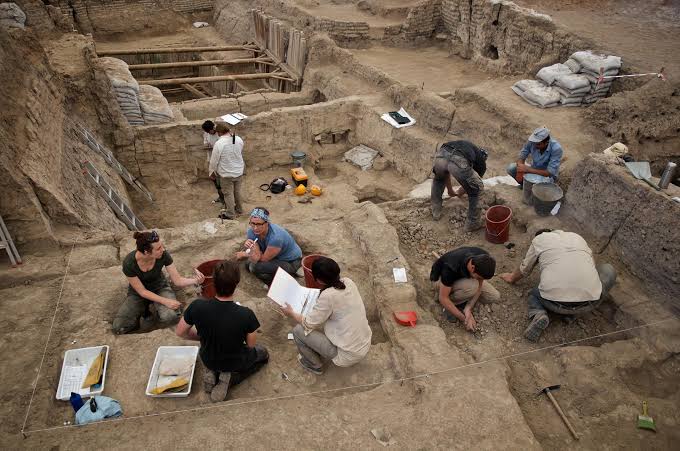
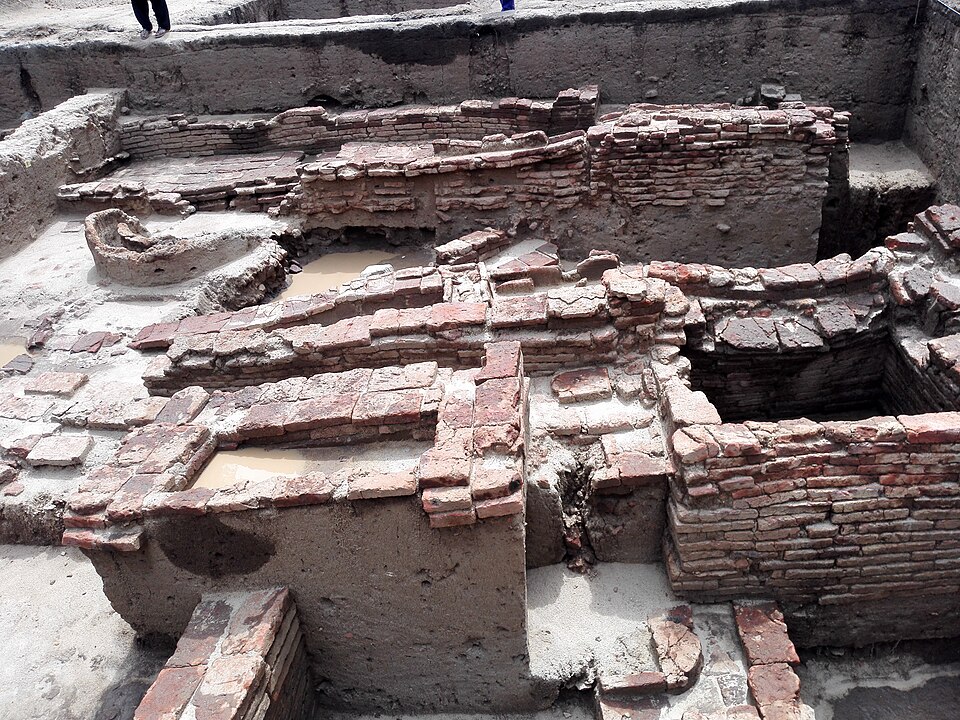
The old claim that there were no West Asian populations in Egypt has become harder to maintain. Excavations at Tell el-Dab’a, ancient Avaris, have revealed a major Delta center with Levantine-style housing, pottery, and material culture, all consistent with sustained settlement by Semitic populations. This setting matters because the biblical story begins in the Nile Delta, not in monumental southern temples where evidence usually survives best.
The Delta’s flooding and later building activity erased much of what once stood there. Even so, the archaeological picture now shows that foreign communities from Canaan did live in northern Egypt in significant numbers, and in some periods they held serious power. That background does not establish an Exodus, but it removes one of the older objections that the setting itself was implausible.
4. Egyptian names and ritual habits cluster around the Levites
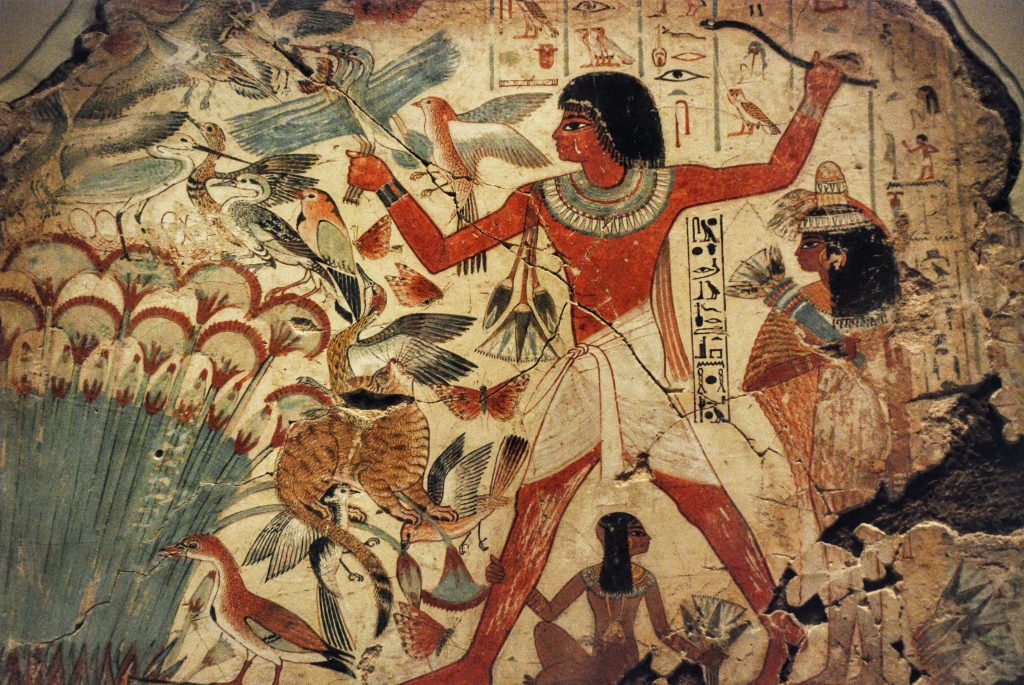
One of the more influential scholarly ideas is that the Exodus memory may have originated with a smaller group rather than an entire population moving at once. The Levites often sit at the center of that discussion because several names associated with them have Egyptian features, and some ritual emphases connected to priestly tradition look closer to Egypt than to broader Canaanite practice.
This approach changes the scale of the question. Instead of asking whether archaeology can find traces of a mass migration through the desert, scholars ask whether a historically smaller Egyptian-connected group carried an ancestral memory that later became central to all Israel. In that model, the Exodus becomes not less important, but more historically plausible.
5. Mount Sinai’s location is still unsettled, and that matters
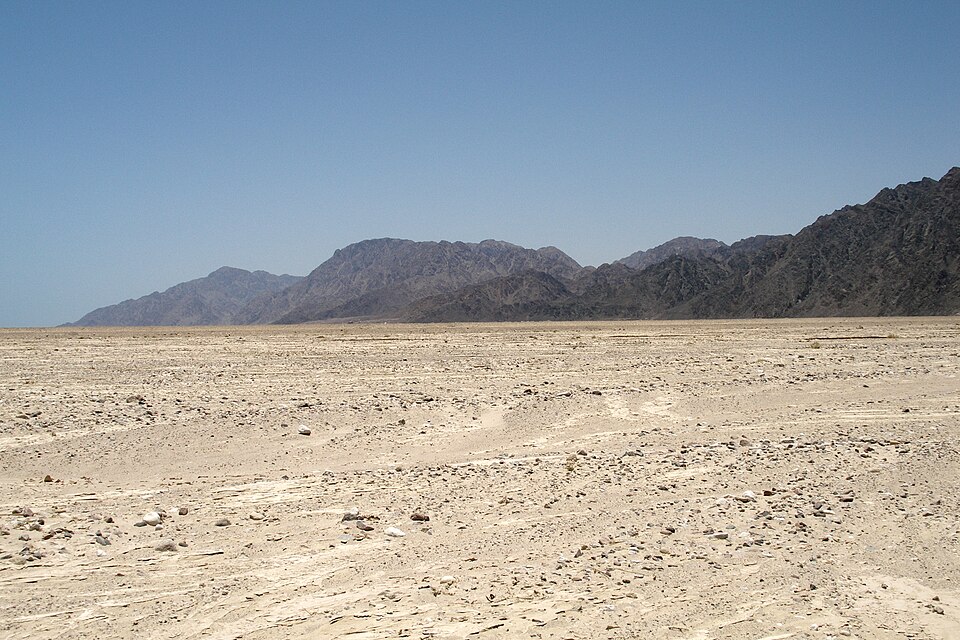
The search for Sinai remains unresolved. There is still no scholarly consensus on the mountain’s location, with candidates ranging from Har Karkom in the Negev to sites in northwest Arabia connected to Midian traditions. That uncertainty is not a failure of research so much as a reminder of how layered the tradition is.
Har Karkom has produced enormous quantities of cultic remains and rock art, while the Midianite hypothesis draws strength from biblical geography and the wider activity seen east of the Gulf of Aqaba. The debate shows that Exodus studies are no longer focused only on whether the event happened, but also on how ancient writers mapped sacred memory onto real landscapes.
6. Sinai keeps revealing a much deeper human record than expected
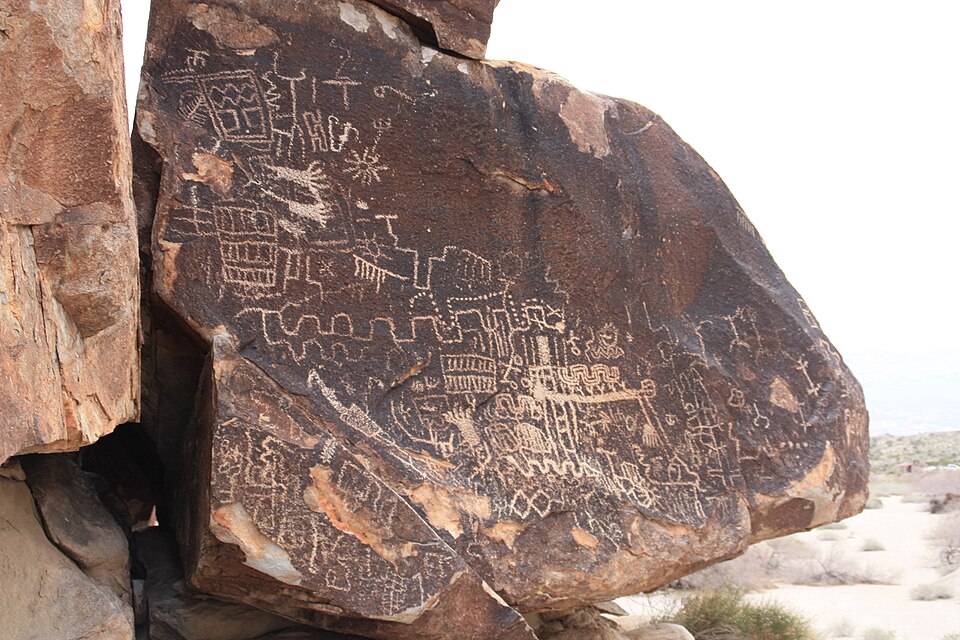
Recent fieldwork in southern Sinai documented nearly 10,000 years of human activity at the Umm Arak Plateau, including rock art, inscriptions, hearths, and long-term use of a desert shelter. The site is not “proof” of the biblical journey, but it reinforces a broader point often overlooked in older debates: Sinai was not an empty void.
People traveled, hunted, sheltered livestock, mined, worshiped, and marked the landscape there for millennia. That richer archaeological picture complicates simplistic readings of the wilderness as a blank stage. It also helps explain why later sacred traditions could attach enduring significance to desert routes and mountain zones already embedded in human movement and memory.
7. The strongest case is cumulative, not dramatic
No single artifact has ended the argument. The real force of the evidence lies in convergence: an Egyptian text naming Israel, records of Semitic populations in the Delta, later hostile memories of a Moses-like leader, unresolved but serious debates over Sinai’s location, and priestly traditions carrying Egyptian fingerprints.
That is why the Exodus remains so durable in scholarship and public imagination alike. The question is no longer whether one spectacular discovery will suddenly settle everything. It is whether the mosaic formed by texts, archaeology, and cultural traces points to a remembered historical core behind one of the ancient world’s defining stories.
The debate continues because the evidence is fragmentary, but fragments can still be revealing. In the case of the Exodus, they have made the story harder to dismiss as a simple invention and harder to reduce to a single excavation headline.

