

RPGs usually ask for patience. They expect dozens of hours, steady experimentation, and a willingness to learn their systems. When that bargain works, the result can feel unmatched. When it fails, players remember the frustration for years.
Some bad RPGs are simply forgettable. The more interesting disasters are the ones that reveal exactly how the genre can go wrong: confusing mechanics, unstable launches, identity-swapping sequels, or online dependencies that erase the game itself. These releases stand out not just for weak reception, but for the kind of mistakes other developers study carefully.
1. Hoshi Wo Miru Hito
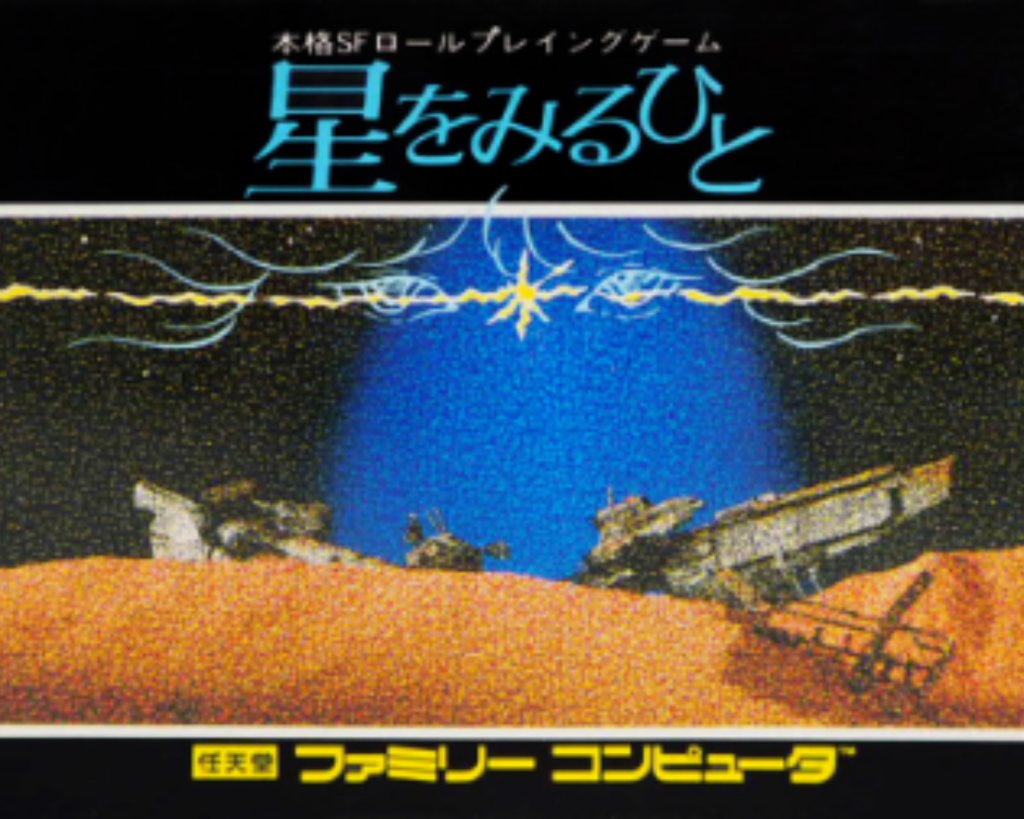
This 1987 Famicom RPG built a reputation around opacity. Progression could feel nearly impossible to read, and survival often depended on blind trial and error rather than smart planning. That distinction matters in a role-playing game, where challenge is usually expected to reward attention and adaptation.
Its long-standing image as a legendary bad game in Japan came from how often it seemed to resist the player instead of teaching them. Rather than creating mystery, its design often created confusion. For an early RPG, that kind of friction became unforgettable.
2. Hydlide
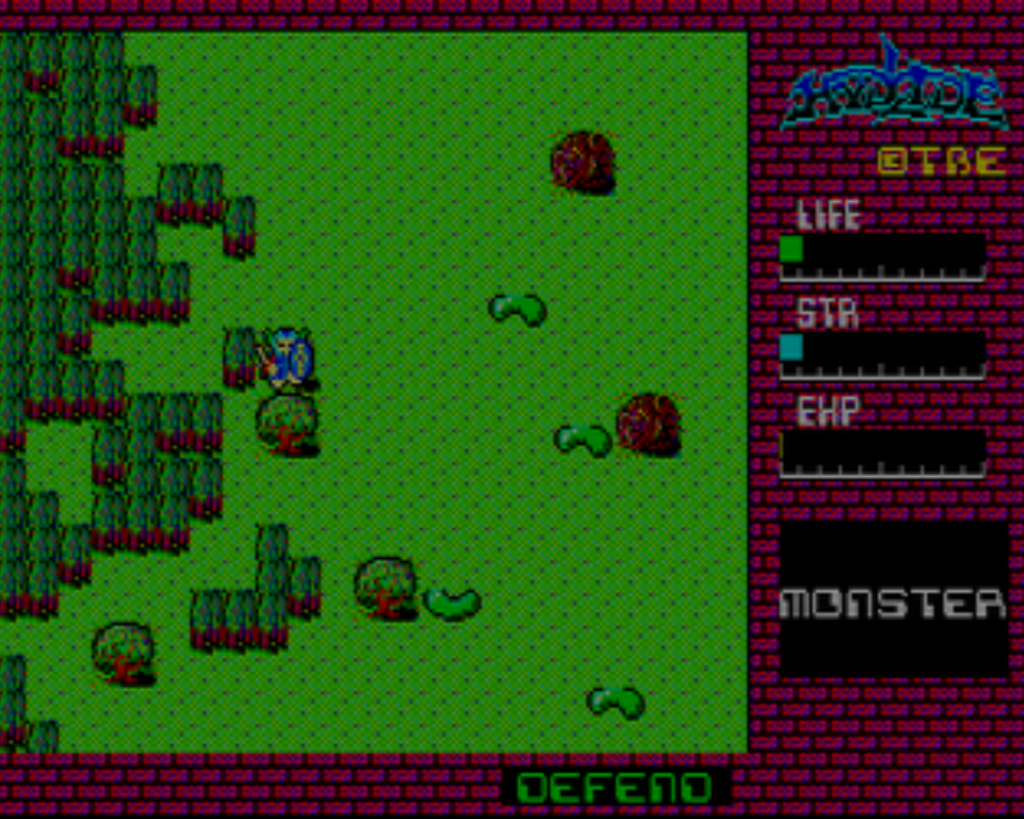
Hydlide remains historically important as an early action RPG, but historical influence did not save its reputation. Outside Japan, especially through the NES version, it became associated with clunky movement, awkward combat, and feedback that left players guessing whether they were making progress or just enduring the game.
A rough frame rate and repetitive music only deepened the problem. Plenty of older games feel dated without becoming infamous. Hydlide crossed into infamy because it asked players to tolerate discomfort that later action RPGs would spend decades trying to eliminate.
3. Lunar: Dragon Song
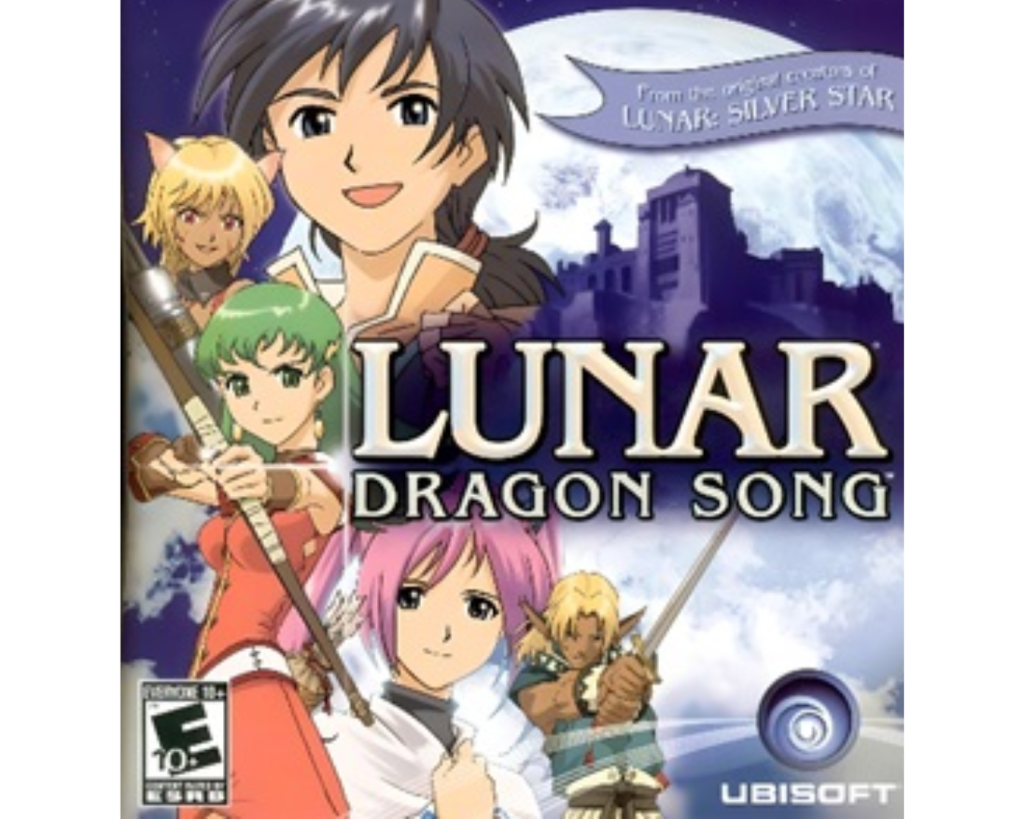
Series fans expected another inviting handheld adventure and instead got a game often remembered for mechanics that seemed designed to make basic play less enjoyable. Critics and players repeatedly pointed to ideas such as equipment breaking and combat restrictions that stripped away control.
One player summary quoted in retrospective discussion captured the mood clearly: “Dragon Song manages to screw up pretty much every mechanic you can think of in ways that make the game worse.” That kind of response explains why the game still surfaces whenever people discuss sequels that misunderstood what made a franchise work.
4. Unlimited SaGa
Some divisive RPGs earn admiration years later because they were merely ahead of their time. Unlimited SaGa took a harsher path. Its board-game-like structure, hard-to-read rules, and unusual presentation made it feel less like a bold reinvention and more like a barrier.
The issue was not complexity alone. RPG players often embrace complexity when the game communicates clearly. Here, many players felt the systems were difficult to parse from the start, turning discovery into exhaustion. That gap between ambition and readability became the core of its reputation.
5. Dungeon Lords
Dungeon Lords is one of the clearer examples of how a rushed launch can define a game for life. The original release became known for major bugs and missing features, with reports of broken quests making normal progression unreliable. Later versions tried to repair the damage, but first impressions were stronger than the fixes.
That pattern still matters across the industry. Once players attach a game’s name to instability, recovery becomes difficult even when patches arrive. Dungeon Lords showed how an RPG can lose trust before its best ideas get a fair look.
6. Final Fantasy XIV
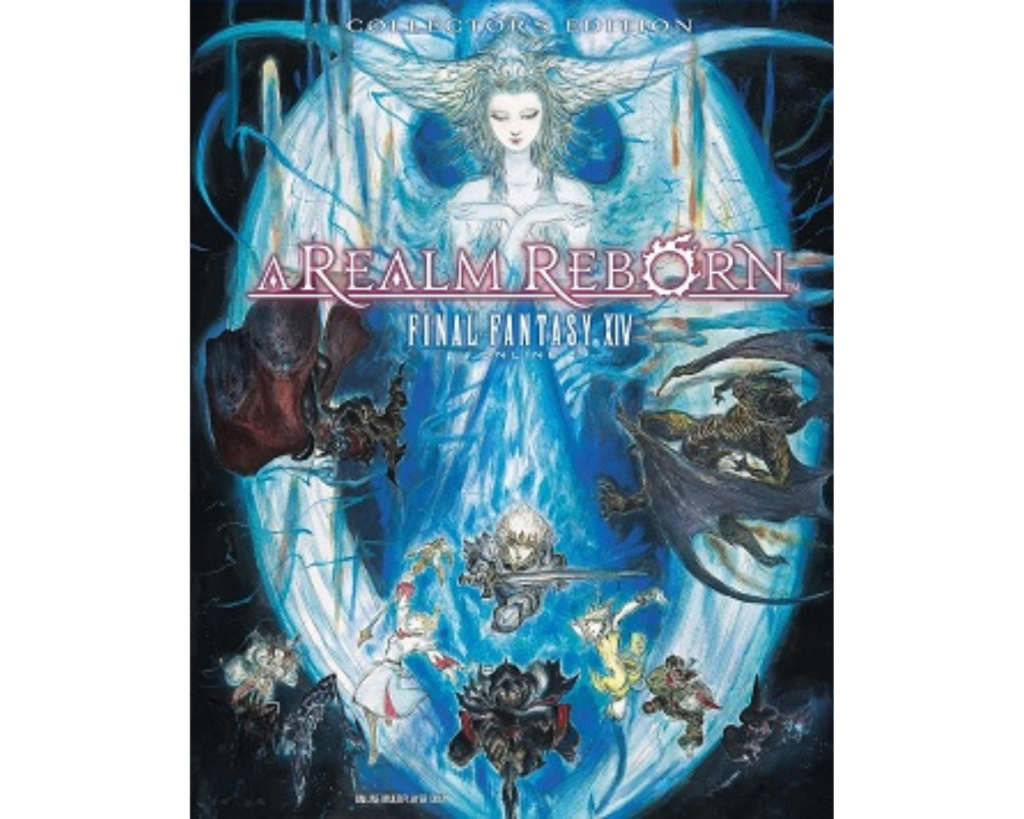
The original 2010 release of Final Fantasy XIV is remembered less as a failed MMO and more as one of the biggest rebuilds in modern gaming. The backlash was severe enough that the game was rebuilt into A Realm Reborn, a rare outcome for a major release carrying that much brand weight.
Its place on lists like this comes from scale. When a flagship RPG from a major publisher launches in such poor shape that management, subscriptions, and long-term plans all shift, the game stops being a routine disappointment. It becomes an industry case study in rescue operations.
7. Darkspore
Darkspore’s mixed reception would already have made it a lesser chapter in Maxis history, but its real legacy comes from access. Because it relied on online functionality, the game eventually became effectively unusable after server shutdowns made normal play impossible.
That transformed it from an underwhelming action RPG into a warning about preservation. A weak game can still be revisited, re-evaluated, or mocked affectionately years later. A game tied too tightly to dead servers becomes something else entirely: a locked artifact.

8. Cyberpunk 2077
Cyberpunk 2077 eventually improved, but the launch remains central to its story because the technical problems were so visible. On older consoles, performance issues became impossible to separate from discussion of the game itself, and the consequences reached beyond bad reviews when it was removed from the PlayStation Store for a period.
That outcome mattered because it showed how launch condition can overpower years of anticipation, marketing, and worldbuilding. In RPGs especially, where immersion is part of the appeal, technical instability does more than create inconvenience. It breaks the spell the genre depends on.

The worst RPGs are not always the least ambitious. Many of them are remembered precisely because they aimed high, changed too much, launched too early, or misunderstood the relationship between challenge and friction.
That is what keeps these games in the conversation. They are less a hall of shame than a map of recurring genre mistakes unclear design, broken trust, erased access, and sequels that forgot why players showed up in the first place.

