
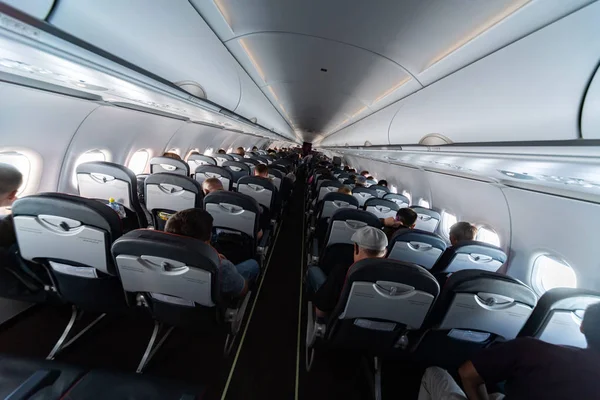
Many travelers think good manners on a plane mean doing more. Flight attendants often describe the opposite: the smoothest flights usually happen when passengers respect timing, space, and safety routines instead of improvising their own version of helpfulness.
That matters because cabin crews are not only serving drinks and answering questions. They are trained safety professionals, with safety as the priority, while also managing boarding flow, service carts, and the tight logistics of a packed cabin. Small habits can either support that system or quietly disrupt it.
1. Policing other passengers
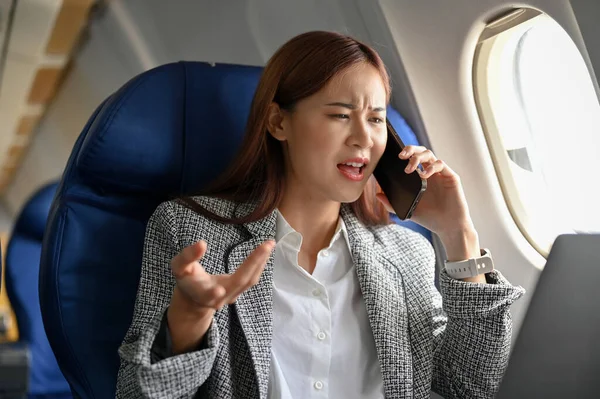
Passengers sometimes step in when someone ignores a rule, whether that involves a seatbelt, a tray table, or another cabin instruction. It may feel responsible, but it can quickly turn into a confrontation between travelers who are not trained to handle it. Flight attendants are the ones authorized to assess behavior, defuse tension, and decide what action is appropriate. A discreet heads-up to the crew is usually more useful than a public correction from another seat.
2. Rearranging bags in the overhead bin
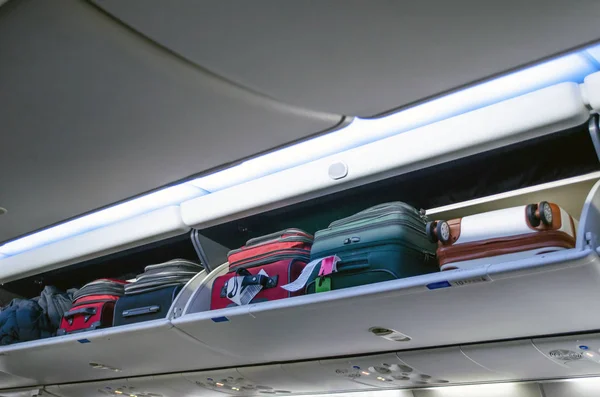
Putting a personal carry on away efficiently helps everyone. Touching other people’s bags, shifting items around, or reopening closed bins to create more room tends to do the opposite. Shared bin space only works when passengers avoid acting like bin managers. Industry guidance increasingly warns that improper bag placement can disrupt boarding and exit flow, especially when luggage ends up behind their assigned seats. The simple approach is to stow a bag near the seat when possible, ask the crew when space is unclear, and leave other travelers’ belongings alone.
3. Tapping or grabbing a flight attendant for attention
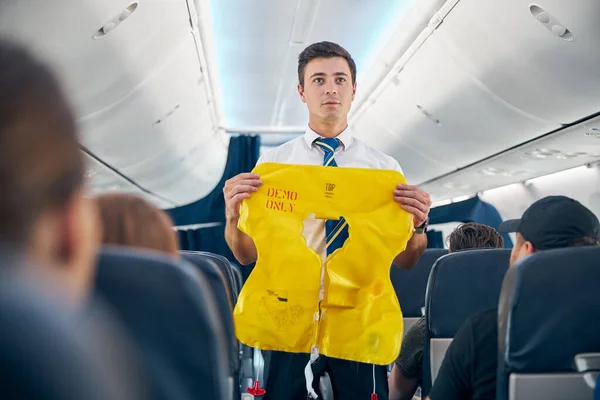
Even a light touch can feel intrusive in a workplace built on constant movement and close quarters. Crew members are serving, checking safety conditions, and monitoring passengers, so physical contact is rarely the right way to get attention.
A calm “excuse me,” eye contact, or the call button works better. One crew member quoted in travel guidance put it plainly: “The button is a magnet for little fingers,” a reminder that it should be used intentionally, not casually.
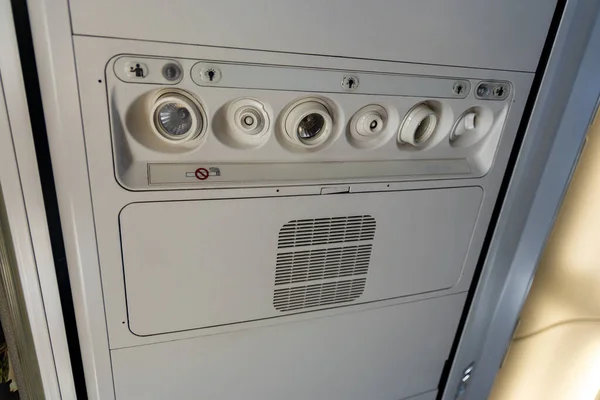
4. Treating the call button like a convenience buzzer
The call button exists for a reason, and it is not off-limits. But context matters. During takeoff, landing, or turbulence, crews may be required to stay seated, and travel professionals have emphasized that if the seat-belt sign is on, requests should be limited to genuine urgency.
Outside those moments, it can still be appropriate for real help, especially for passengers in window seats or anyone unable to reach the galley easily. Repeated presses for minor wants, however, create unnecessary interruptions and extra foot traffic for crews already covering dozens of passengers each.
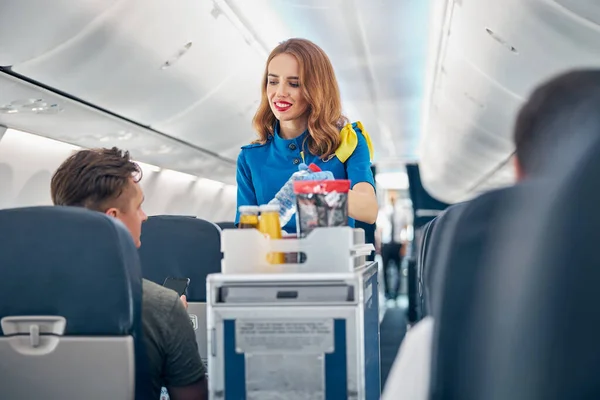
5. Asking for oversized water refills
Refillable bottles are practical at the airport, but in the air, a large bottle can become a surprisingly big request. Planes carry limited potable water, and crews have to stretch supplies across the cabin. Tania M., a flight attendant with almost 20 years of experience, explained it this way: “We just can’t fill up all of your water bottles, or there wouldn’t be enough to offer.” Filling up after security and accepting a standard cup during service is far easier on the onboard system.
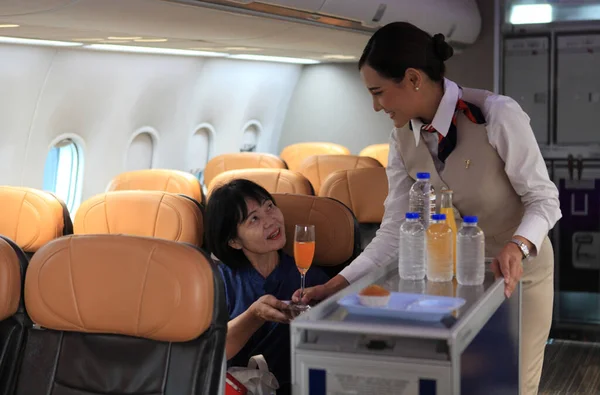
6. Taking items from the drink cart without asking
A drink cart may look accessible, but it is still part of an organized service line. Reaching in for a soda, napkin, or snack before the cart reaches a row interrupts that flow and forces the attendant to reset the order of service. It also pushes passengers closer to a workspace that already involves hot liquids, heavy equipment, and narrow aisles. Waiting a few extra seconds usually keeps the interaction smoother for everyone nearby.
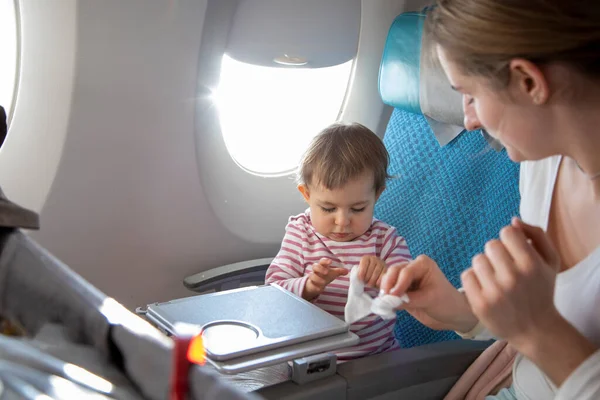
7. Handing over hazardous trash
Not all trash is equal inside an aircraft cabin. Items involving bodily fluids, diapers, or medical sharps require extra care and should not be placed directly into a crew member’s hand. Lavatory bins are usually the better option for sanitary waste, while sharps need proper containers and disposal after landing. It is a small distinction, but one with obvious health and handling consequences.
8. Chatting during the crew’s busiest moments
Friendly conversation is not the problem. Timing is. During boarding, safety checks, beverage runs, and meal service, flight attendants are balancing multiple tasks at once, often on tight deadlines and in cramped spaces. That is also why many crew members prefer passengers to pause headphones during service and keep requests brief. A casual conversation can be welcome later, but summoning a crew member just to socialize can interrupt work that passengers do not always see.
9. Forgetting the cabin crew on the way out
Many travelers naturally thank the pilot, especially when leaving the aircraft. Flight attendants notice when the people who managed the cabin, answered requests, handled service, and enforced safety procedures are passed by in silence.
A quick thank you costs nothing, but it acknowledges the part of air travel passengers experience most directly. In a setting where courtesy is often measured by awareness rather than grand gestures, that small moment stands out.
Good airplane etiquette is less about performing politeness and more about staying out of the way of a system built for safety and efficiency. That includes respecting crew instructions, using shared spaces carefully, and remembering that convenience in one row can ripple across the whole cabin. The habits that help most are usually the least dramatic: wait, ask, listen, and let the crew do the job they were trained to do.

