
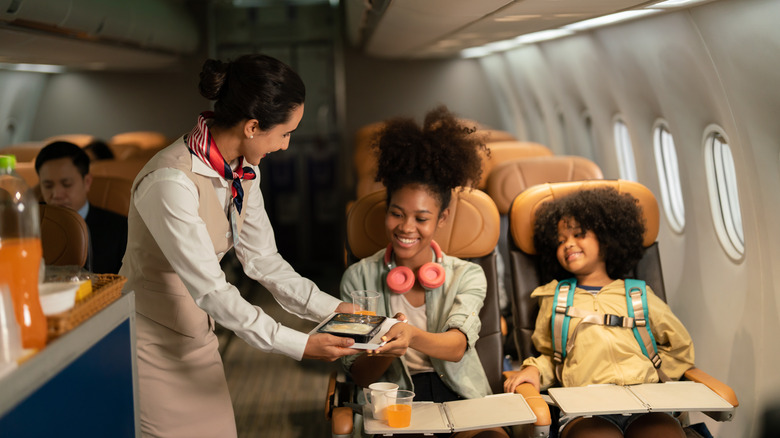
Air travel has its own version of good manners. In a crowded cabin, the habits that seem polite on the ground do not always help once the doors close. For flight attendants, the smoothest flights usually come down to a simple pattern: let the crew manage safety, keep the aisle moving, and avoid turning shared space into personal territory. Several longtime crew members quoted across travel and lifestyle outlets describe the same issue again and again: passengers often mean well, but the wrong kind of “help” creates delays, tension, or extra work.
1. Policing other passengers
When someone ignores a seatbelt reminder, plays by their own rules, or acts inconsiderately, another traveler may feel tempted to step in. Crew members generally prefer that passengers do not take over that role. A confrontation between strangers can escalate quickly in a confined cabin, and flight attendants are the people trained to handle compliance and safety issues. A quieter move works better: alert the crew and let them decide what to do. As one cabin-crew-focused guide notes, safety is the cabin crew’s first priority, not just beverage service.
2. Reorganizing overhead bins that are not theirs
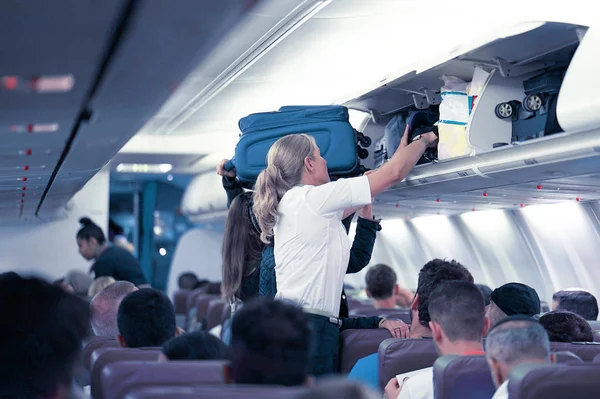
Stowing a personal bag efficiently helps everyone. Touching other people’s luggage, shifting items around, or forcing space where there is none usually does the opposite. It can make belongings harder to find, trigger arguments, and slow boarding while people try to figure out what moved.
Flight attendants also routinely deal with passengers who treat overhead bins like private storage. Former crew members have pointed to overhead bins are shared space as one of the most ignored realities of boarding. The least disruptive habit is to place the right-size item in the right place, then step out of the aisle.
3. Tapping a flight attendant to get attention
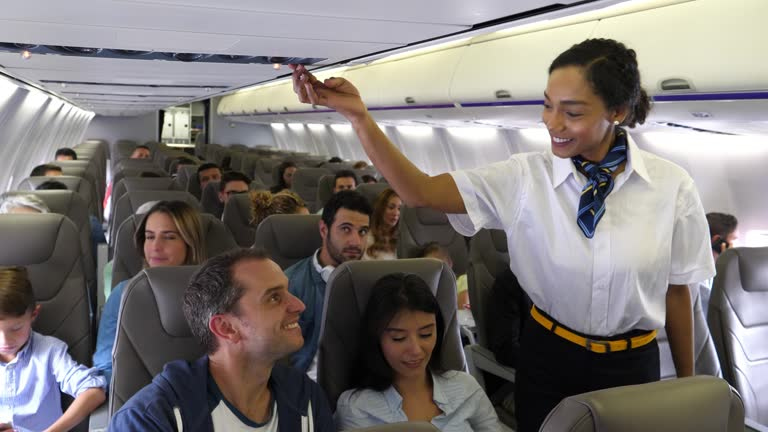
A quick touch may seem gentler than calling out, but many crew members do not want to be grabbed on the arm or shoulder while working. In a service role built around constant movement, touch can feel abrupt and intrusive. A verbal “Excuse me,” eye contact, or the call button is usually enough. The call button exists for a reason, although etiquette experts note it should not be used carelessly during takeoff, landing, or turbulence.
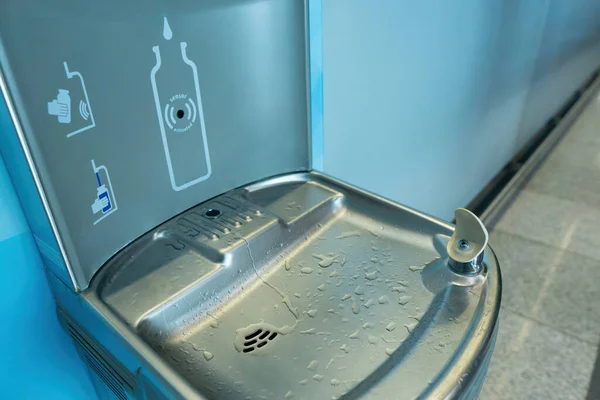
4. Asking for a full refillable bottle during service
Bringing a reusable bottle is sensible. Expecting cabin crew to fill a large bottle to the top in the middle of regular service is less so. Onboard supplies are limited, and what feels like one small request can become a resource problem when repeated across a full cabin. A better routine is to fill the bottle before boarding and ask for a standard cup in flight. That keeps service moving and avoids draining water intended for the whole cabin.
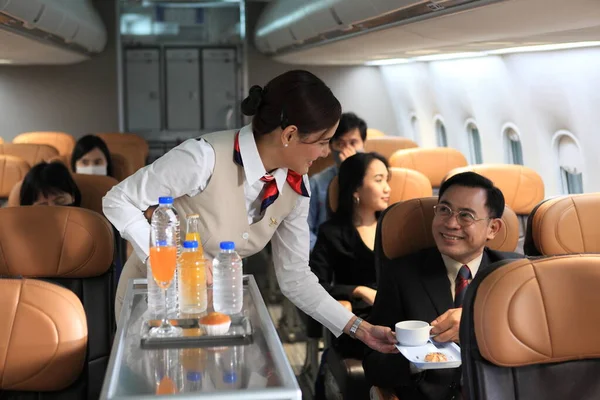
5. Reaching onto the drink cart
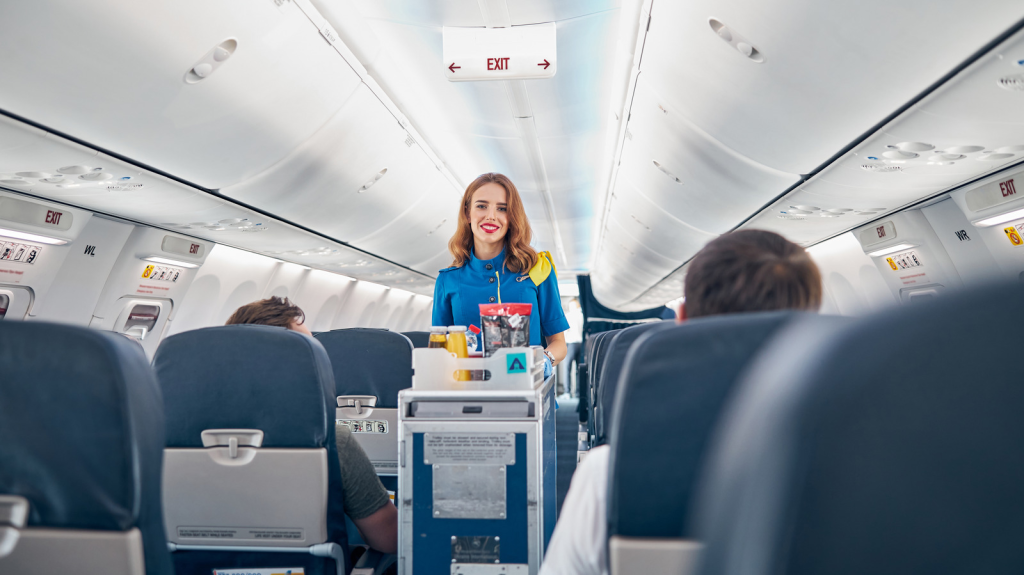
The beverage cart may be inches away, but it is still the crew’s workspace. Grabbing a can, napkin, or snack before being served disrupts the order of service and can create awkward crowding in the aisle. Small delays add up fast on a plane. When one passenger starts self-serving from the cart, the rhythm breaks for everyone else waiting nearby.
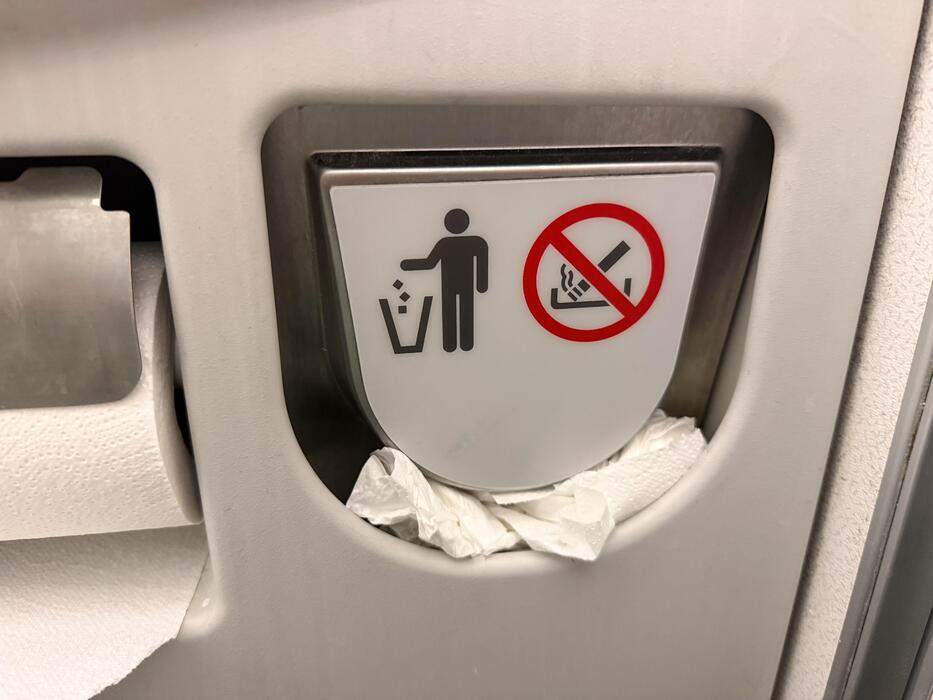
6. Handing over messy or hazardous trash
Used tissues, leaky diapers, and anything involving bodily fluids are not ordinary trash from the crew’s perspective. Cabin crew members handle a huge volume of service tasks already, and handing hazardous waste directly to them creates an avoidable sanitation problem.
Flight-attendant guidance on long-haul etiquette often suggests using the lavatory trash for the messiest items and waiting for proper disposal when needed. The same principle applies to sharps and medical waste: they require appropriate containers, not an improvised handoff in the aisle.
7. Holding up boarding with bag adjustments
One of the most common frustrations starts before takeoff. Passengers stop in the aisle, unzip bags, rearrange items, guard bin space, or continue fussing with luggage while a line builds behind them. Former attendants regularly cite stopping to reorganize bags in the aisle as a major source of boarding delays. Ready-to-stow luggage matters more than many travelers realize. Zipped bags, tucked straps, and quick placement help keep the line moving and reduce the need for crew intervention.
8. Using the crew for mid-service conversation
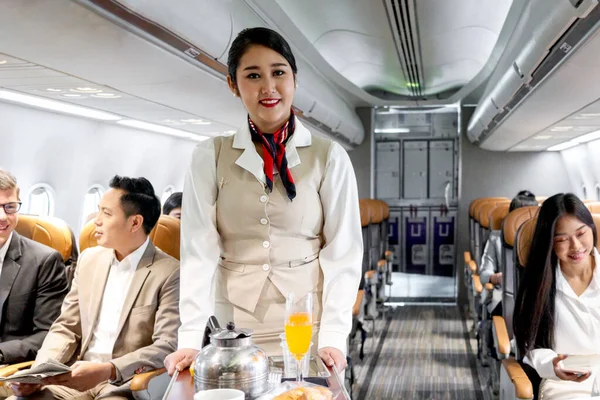
Friendly chat is not automatically unwelcome. Timing is the issue. During service, checks, paperwork, and safety-related tasks compete for attention, so a passenger who calls a flight attendant over just to talk can interrupt more than it seems. The same logic applies to the call bell. Guidance on in-flight etiquette says the button is there to request help, but not every passing impulse deserves a chime, especially when the seatbelt sign is on or the cabin is trying to rest.
9. Standing up the second the plane lands
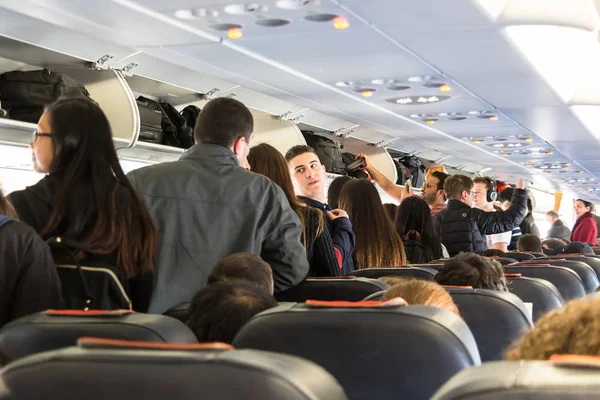
This habit frustrates crew for a reason: it rarely helps, and it can create safety issues. People who jump up while the aircraft is still taxiing block the aisle, crowd overhead bins, and make deplaning less orderly for everyone else. One aviation explainer points out that FAA regulations prohibit standing once the plane lands until the seatbelt sign is off. It also does not speed anything up.
Doors still have to open, rows still deplane in sequence, and a packed aisle usually turns into a standstill rather than a shortcut. The most appreciated passenger behavior is usually the least dramatic. Flight attendants tend to notice the people who stay aware, follow instructions, and avoid turning normal cabin routines into obstacles. In other words, good airplane etiquette is less about trying to be extra helpful and more about making fewer things harder.

