
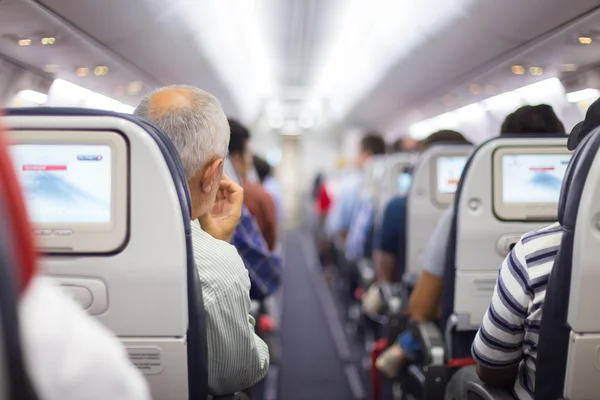
Good manners matter on a plane, but some gestures that look thoughtful from a passenger seat create extra work, slow boarding, or complicate safety routines for the crew. In a cramped cabin, even small habits can ripple outward fast.
That is part of what makes air travel etiquette so tricky. A traveler can be trying to help, stay out of the way, or seem easygoing, while a flight attendant sees a delay, a lifting risk, or one more interruption during a tightly timed process.
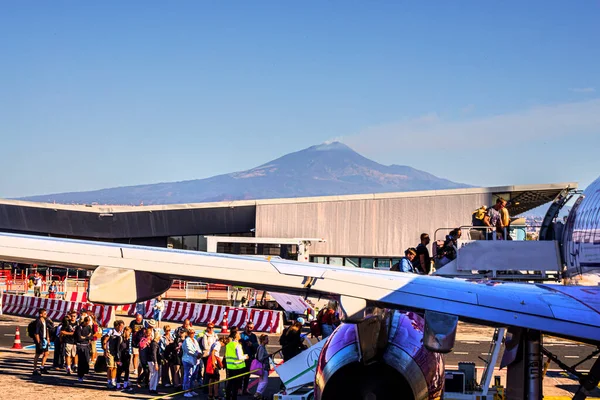
1. Handing over trash during boarding
It can seem considerate to pass along a coffee cup or snack wrapper while stepping onto the aircraft. For cabin crew, though, boarding is one of the busiest parts of the flight. They are checking the cabin, directing passengers, monitoring carry-ons, and helping get everyone seated on time.
Several attendants say that taking trash at the door slows those tasks and can distract from more important checks. The simpler move is to use an airport bin before boarding and keep anything left over until inflight collection begins.
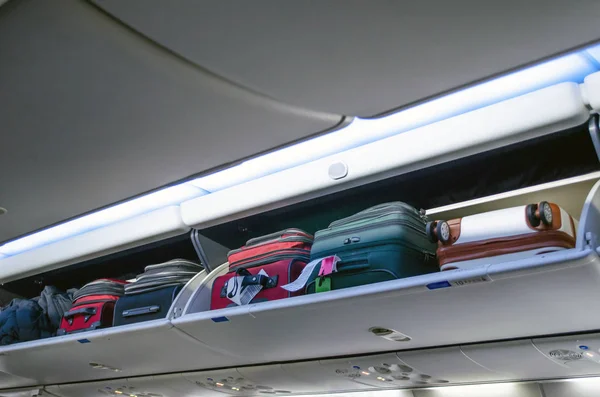
2. Rearranging other people’s bags in the overhead bin
Some travelers see a crowded bin and try to become helpful organizers. That often backfires. Moving someone else’s bag, removing personal items, or directing fellow passengers where to stow luggage can start arguments and create more confusion than space.
Flight attendants generally prefer passengers to store their own bag quickly and sit down. A broad rule shared by crew is to place carry-ons wheels-first and vertically when the aircraft allows, and to keep smaller extras under the seat rather than claiming extra bin room. If a bin issue remains, crew can sort it out during final checks.
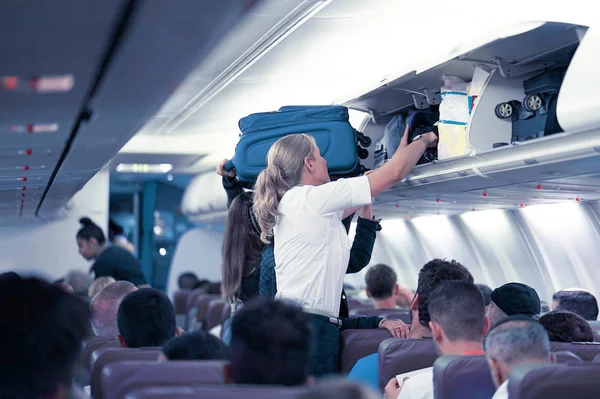
3. Asking a flight attendant to lift a heavy bag
Passengers often ask politely, sometimes with an apologetic smile, but this is one request attendants consistently dislike for a serious reason: injury risk. Repeated overhead lifting is tied to shoulder and arm injuries among cabin crew, and many airlines limit what attendants should physically hoist for passengers. Guidance is usually welcome. Physical lifting is another matter. If a traveler cannot raise a bag safely, it usually needs to be packed lighter or checked instead.
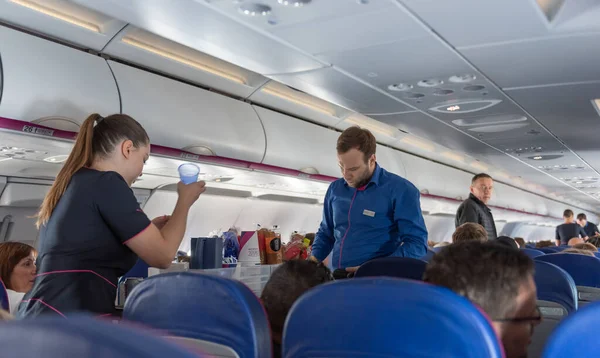
4. Saying “Anything is fine” during meal or drink service
It sounds flexible and low-maintenance. In reality, it can interrupt the rhythm of service. Cart service depends on speed, accuracy, and quick decisions, especially on full flights. When passengers ask the crew to choose for them, the interaction often takes longer than simply naming a drink or meal. A decisive order helps the line keep moving and reduces mistakes when attendants are juggling limited supplies, special meals, and narrow aisles.
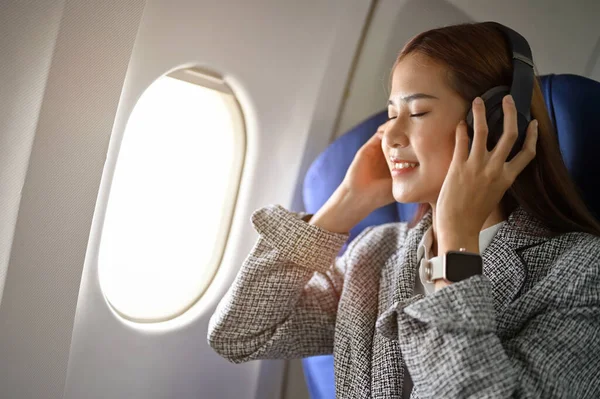
5. Keeping headphones in while the crew is speaking
Most passengers do not mean to be rude when they stay immersed in a movie, playlist, or phone call. But attendants repeatedly describe this as one of the most frustrating habits in the cabin because it forces them to repeat simple questions and slows service for everyone else. Veteran crew members quoted in etiquette coverage say passengers should take out their headphones during service, make eye contact, and respond clearly. It is a small courtesy, but it keeps interactions smoother and helps important instructions land the first time.
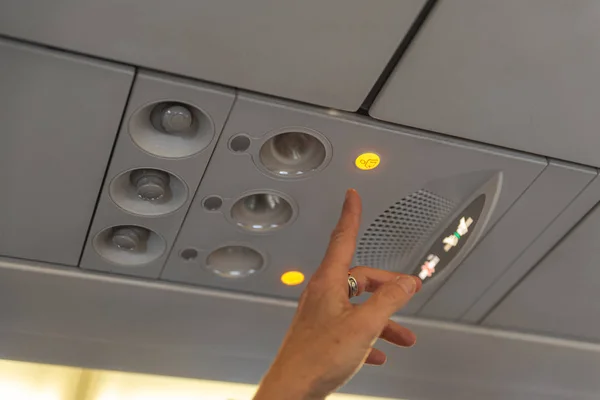
6. Using the call button for every small convenience
The call button exists for a reason, and flight attendants do not want passengers to avoid it altogether. What they dread is repeated use for minor requests when service is already underway, or pressing it while the seatbelt sign is on for something nonessential. Crew guidance is fairly consistent: during turbulence, takeoff, and landing, the button should be reserved for urgent needs.
One flight attendant told Afar, “During this time, please only use the call button for real emergencies not to ask for a pillow or a glass of Coke.” Outside those moments, there is more flexibility, especially for passengers who cannot easily get up or are blocked in by sleeping seatmates. Still, attendants note that critical phases of flight are not the time for casual requests.
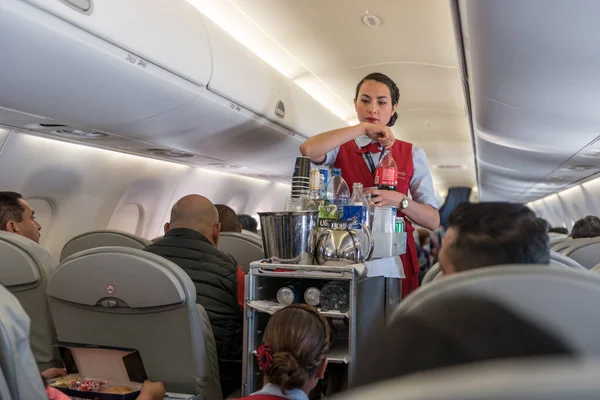
7. Lingering in the galley for friendly conversation
Some passengers assume a chat in the galley is less disruptive than pressing the call button. That depends on timing. The galley is where crew prepare service items, handle cleanup, and catch brief moments to reset between tasks. A quick request is one thing. Staying there to socialize is another. Attendants often describe the galley as workspace first, break area second, and social zone last.
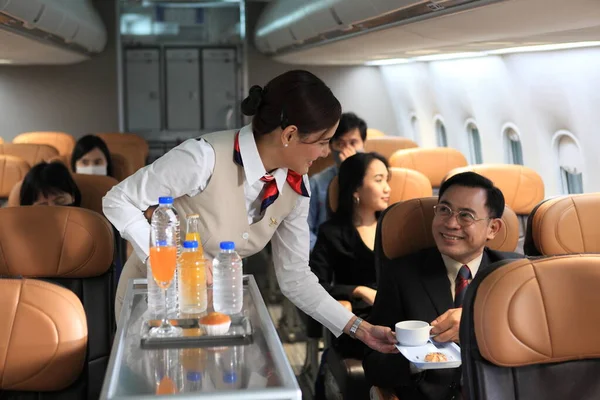
8. Piling trash onto the service cart
This one often comes from a sincere urge to help. It is also a classic example of passenger logic colliding with crew logistics. When people stack cups, wrappers, plates, or bulkier items on top of the cart, the load can slide off, spill, or force attendants to stop and reorganize everything. Some crew have described cups with liquid still inside toppling onto nearby passengers. The better habit is simple: hold trash out and let the attendant place it where it belongs.
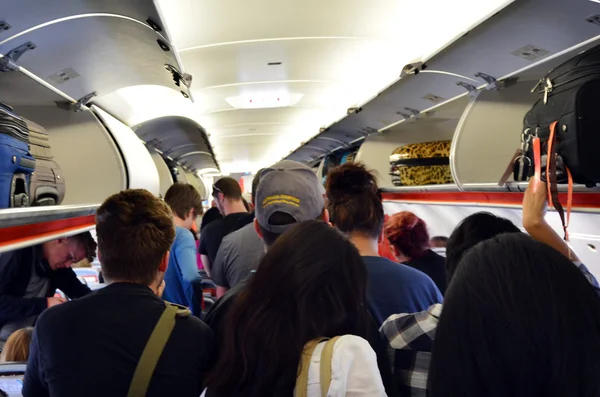
9. Jumping up early to “help” deplaning move faster
Standing up the instant the seatbelt sign turns off is often framed as efficiency. Sometimes passengers even start pulling bags for other people, believing they are speeding things along. Flight attendants say it usually does the opposite.
Orderly deplaning works best row by row, front to back. Early aisle crowding creates jams, blocks access to overhead bins, and makes it harder for families, older passengers, and anyone with tight space around them to move safely.
Many of these habits share the same pattern: they are rooted in courtesy, but they ignore how tightly choreographed air travel really is. Cabin crew are not only serving drinks and collecting cups; as one flight attendant told Travel + Leisure, “We are first and foremost safety professionals and are trained to handle emergency situations that can occur at any point during a flight.”
The most useful version of politeness in the air is usually the least performative one. A quick decision, a little patience, and an awareness that the crew is protecting a shared space tend to help far more than trying to take over the job.

