
Old Hollywood sold glamour as certainty: a face, a name, a neatly packaged origin story. Behind that polish, many performers navigated an industry that treated race as a casting rule, a market calculation, and, too often, a career limit.
For some actresses, ambiguity opened doors. For others, it created a lifelong burden of concealment, public misreading, or carefully managed silence. Their stories are less about celebrity gossip than about the machinery of fame and the cost of being seen only on Hollywood’s terms.
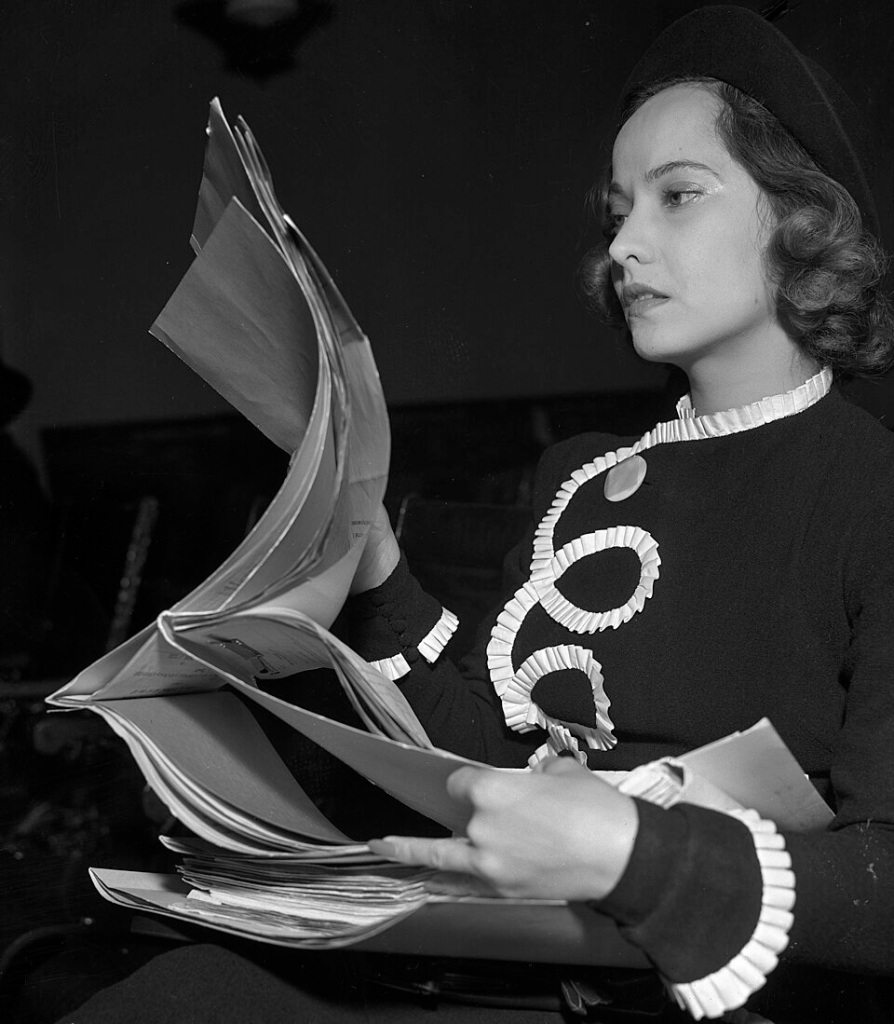
1. Merle Oberon turned reinvention into survival
Merle Oberon’s career remains one of the clearest examples of how studio-era prejudice shaped a star’s public identity. Born in British India, she maintained a false story about being from Tasmania while building a major screen career in films including Wuthering Heights. The pressure was not abstract: the industry operated under rules and assumptions that made mixed-race romance unacceptable on screen, and Oberon understood exactly what discovery could cost.
Her transformation extended to the camera itself. Accounts of her career describe skin bleaching, strategic lighting, and a tightly controlled personal narrative designed to preserve her image as white. Only later did wider public recognition catch up with what had been hidden for decades, including the fact that she was the first person of Asian descent nominated for an Oscar.
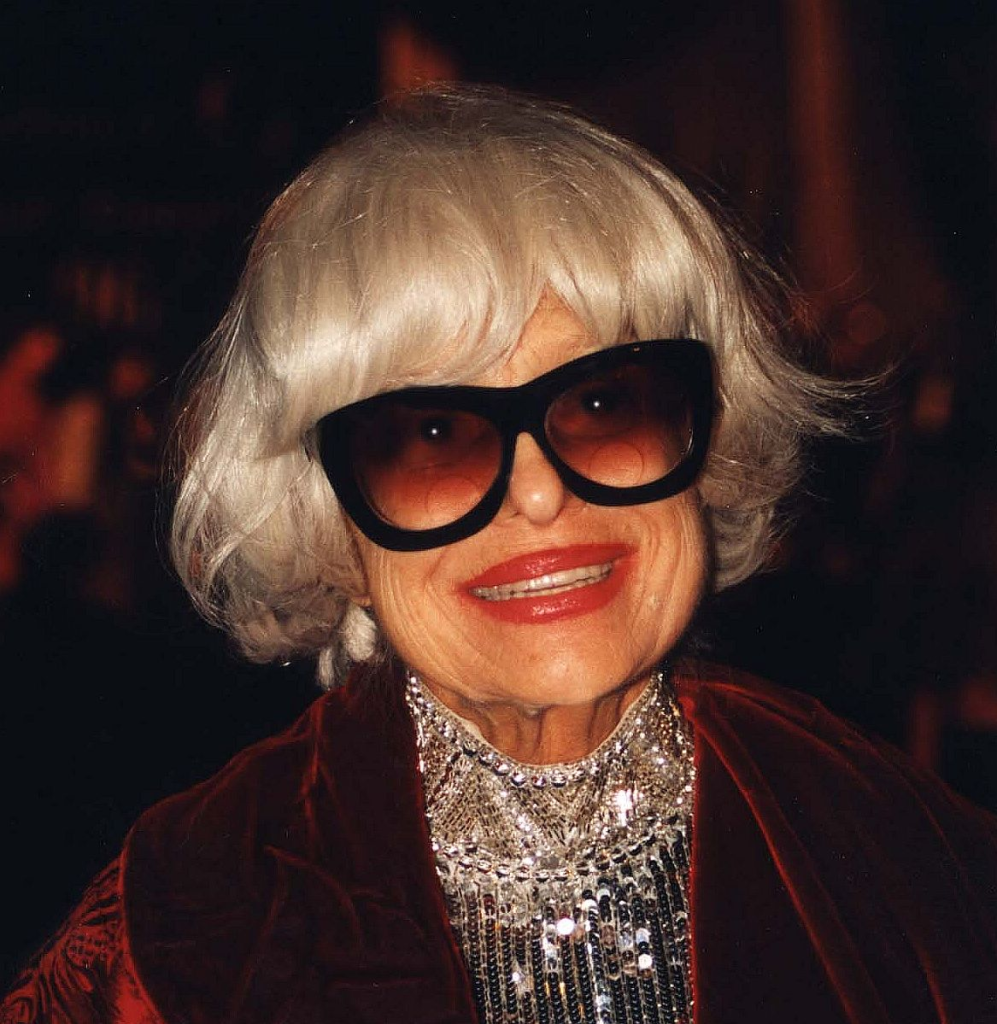
2. Carol Channing carried a family secret into stardom
Carol Channing’s image was so fixed in American entertainment that her later disclosure of Black ancestry startled audiences who thought they knew her completely. In her memoir, she wrote that her mother told her the truth as a teenager, just as she was preparing for a career in performance. That timing mattered. The stage and screen world Channing entered rewarded a very narrow definition of who could be cast as glamorous, comic, or romantic.
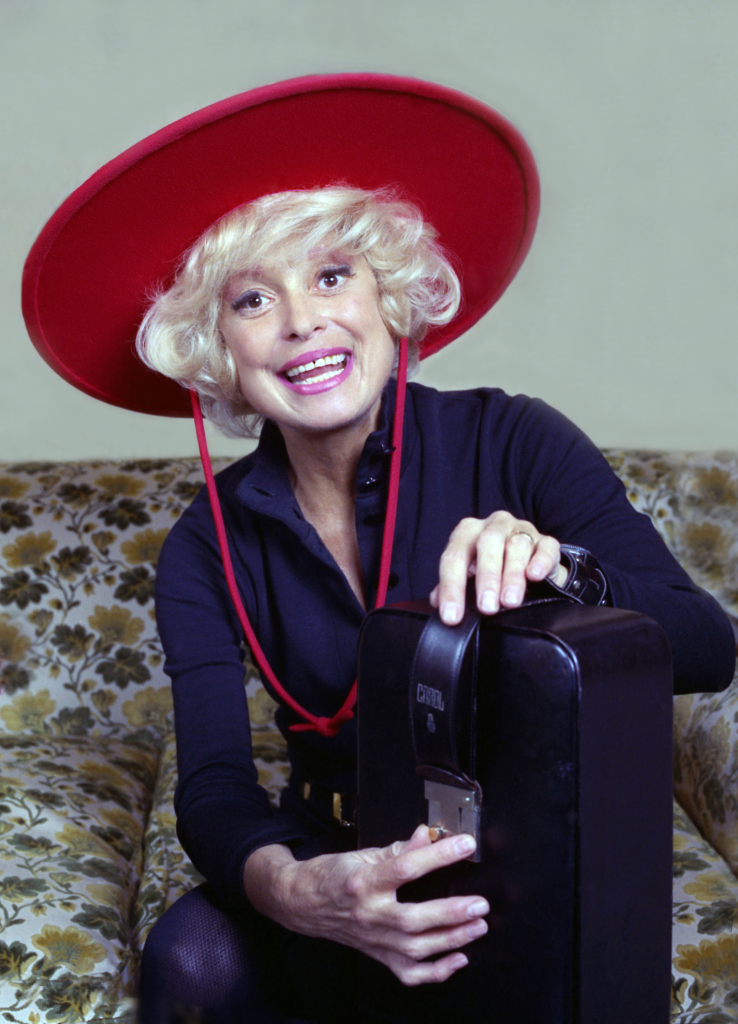
Her story also shows how passing was often a family strategy, not just an individual one. Commentary on Channing’s background has focused heavily on her father’s life across the color line and on the unstable nature of the family history itself. What remained consistent was the larger reality: a performer associated with Broadway brightness and white mainstream appeal emerged from a lineage shaped by racial concealment.
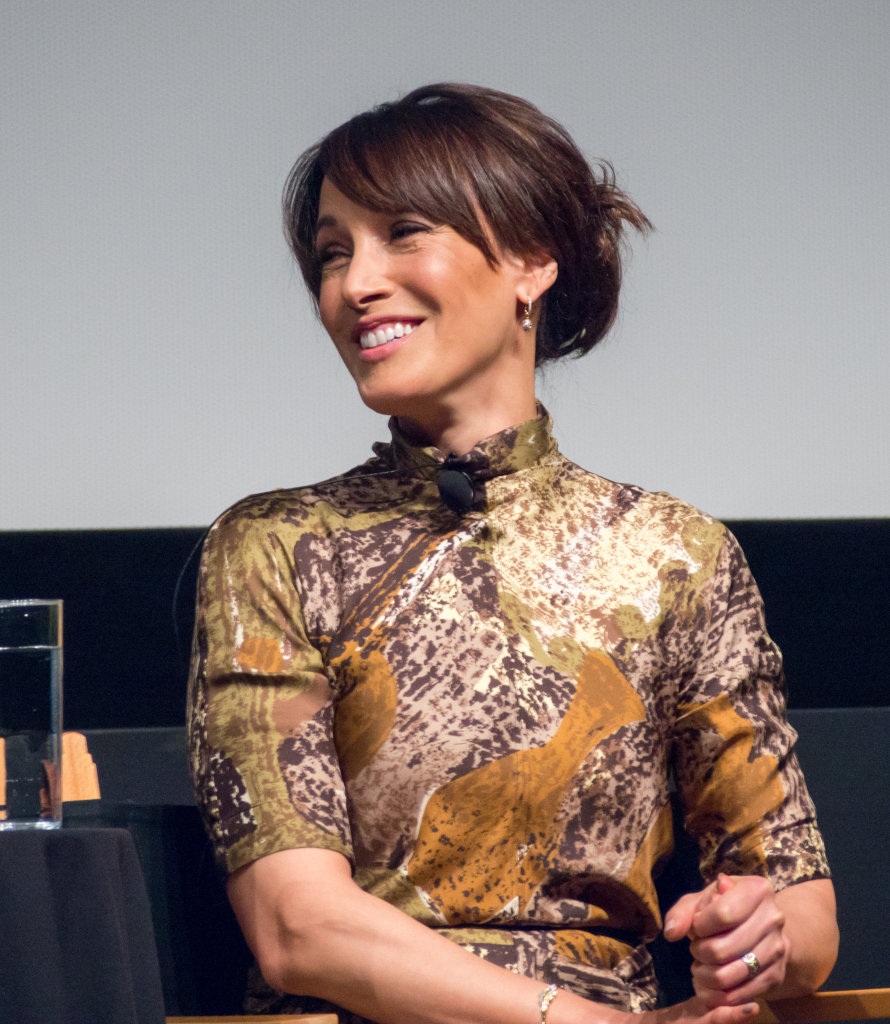
3. Jennifer Beals became a symbol of how audiences read race
Jennifer Beals did not build her fame on a public act of denial, but her rise after Flashdance revealed how quickly the industry and the audience sort performers by appearance. For years, many viewers simply read her as white, while Hollywood benefited from placing her in roles that avoided directly naming race.
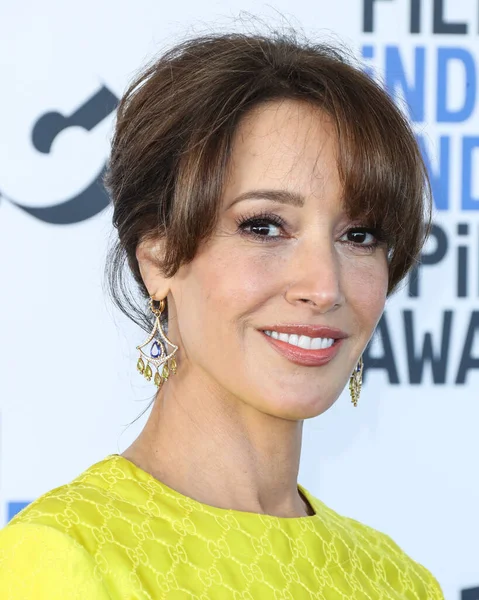
That ambiguity gave her mobility, but it also exposed a familiar pattern. Hollywood has long preferred performers who can move across categories without forcing studios or audiences to confront bias directly. Beals’s career became part of a later, more open discussion about biracial identity, visibility, and the difference between being accepted and being fully recognized.
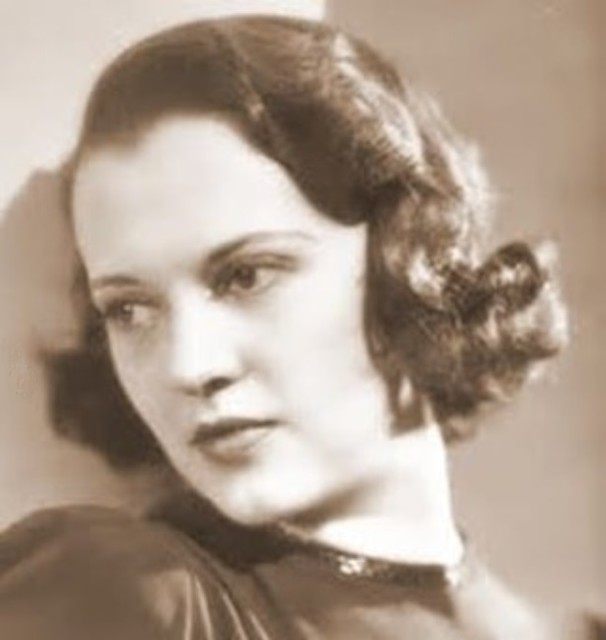
4. Fredi Washington showed the road not taken
Fredi Washington belongs in this conversation because she refused the logic that trapped so many others. Her light skin meant she could have attempted to pass, but she publicly embraced her identity as a Black woman even while playing Peola in Imitation of Life, one of Hollywood’s most enduring stories about racial passing.
The film remains significant because it made passing central to mainstream melodrama and because it drew strong Black audience attention at the time. It was later recognized as “culturally, historically, or aesthetically significant” by the National Film Registry. Washington’s own career exposed the trap of racial ambiguity: white Hollywood would not grant Black women full romantic stardom, yet her appearance also kept her from the narrow stereotypes the industry assigned to Black actresses.
5. The camera itself favored lighter skin
These stories cannot be separated from the technology and aesthetics of film. Hollywood did not merely reflect colorism; it engineered it through makeup, lighting, publicity images, and casting habits. The preference for lighter skinned performers in prominent roles shaped who could be photographed as desirable, bankable, or universal.
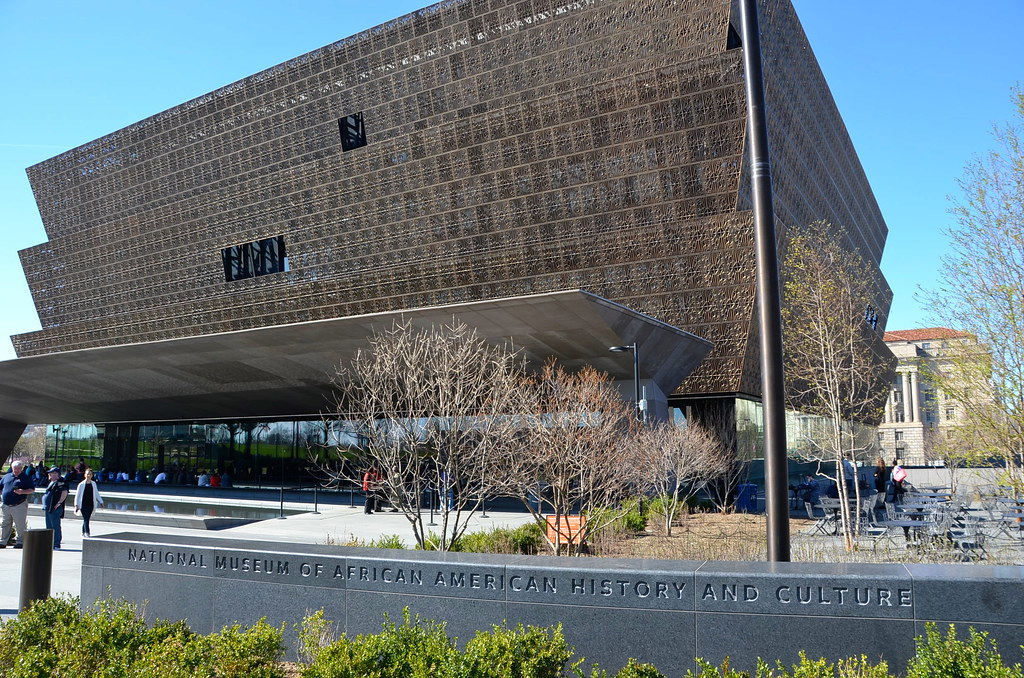
That pattern has been documented well beyond individual celebrity biographies. The National Museum of African American History and Culture describes lighter skinned actors were preferred for more prominent roles, while darker-skinned actors were often pushed toward stereotype. In that environment, hiding ancestry or allowing ambiguity to go unchallenged was not simply vanity. It was often bound up with employment, safety, and the brutal arithmetic of visibility.

6. Modern actresses inherited a softer version of the same problem
By the time performers such as Rashida Jones, Tessa Thompson, Gugu Mbatha-Raw, Thandiwe Newton, and Meghan Markle entered the screen landscape, the pressure had changed form rather than disappeared. The language of “passing” became less explicit, but racially ambiguous casting remained deeply familiar. Actresses who could play across categories were often treated as unusually flexible, while the industry continued to avoid confronting why that flexibility was valued.
Some spoke openly about the freedom and discomfort that came with being difficult to categorize. Others found that race was ignored until it became commercially useful or politically unavoidable. The careers were different, the era was different, but the pattern held: Hollywood still rewarded performers whose identities could be softened, broadened, or left conveniently undefined.
7. Hidden heritage changed careers, but it also changed Hollywood’s archive
When ancestry is concealed, misnamed, or strategically blurred, film history becomes distorted. Entire achievements get filed under the wrong story. Oberon was celebrated for decades without full acknowledgment of what her career represented. Channing’s legend circulated in one register while her family history sat in another. Even Washington, who refused to pass, became trapped in public fascination with what she “really” was.
That matters because the archive of fame shapes who later generations believe belonged on screen. Once these stories are restored, Hollywood looks less like a clean march toward representation and more like a system built on selective visibility.
The women attached to these histories did not share one experience, one motive, or one outcome. Some concealed, some endured public assumption, and some openly resisted. What connects them is the industry around them: a culture that treated race as both spectacle and liability. Seen together, their careers reveal a harder truth than the usual nostalgia about classic stardom. Hollywood did not just create stars. It often required them to edit themselves first.

