
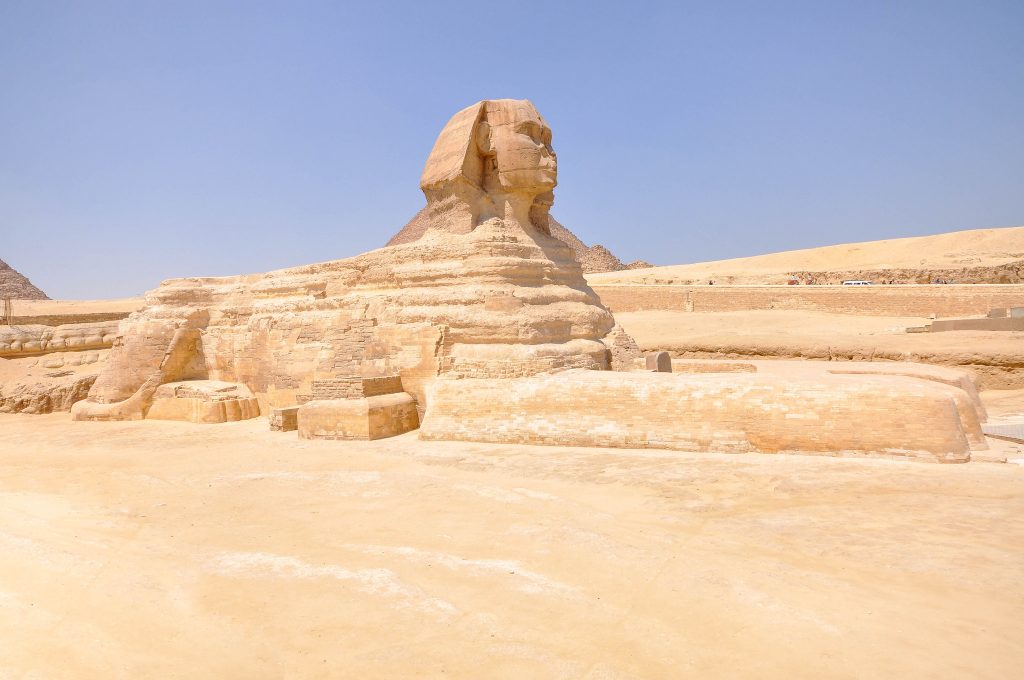
The Exodus has long occupied a difficult place between sacred memory, textual study, and archaeology. For some readers, the question is whether a migration from Egypt can be linked to material evidence at all. For others, the more precise question is whether the biblical account preserves the memory of a smaller, older historical core.
That narrower debate has sharpened in recent years. Rather than looking for proof of a mass movement on the scale described in later tradition, many scholars have focused on clues that point to contact between Egypt and an early priestly group, especially the Levites. These clues do not settle the matter, but they do explain why the discussion remains active.
1. The oldest victory-and-deliverance poetry does not describe all Israel leaving Egypt
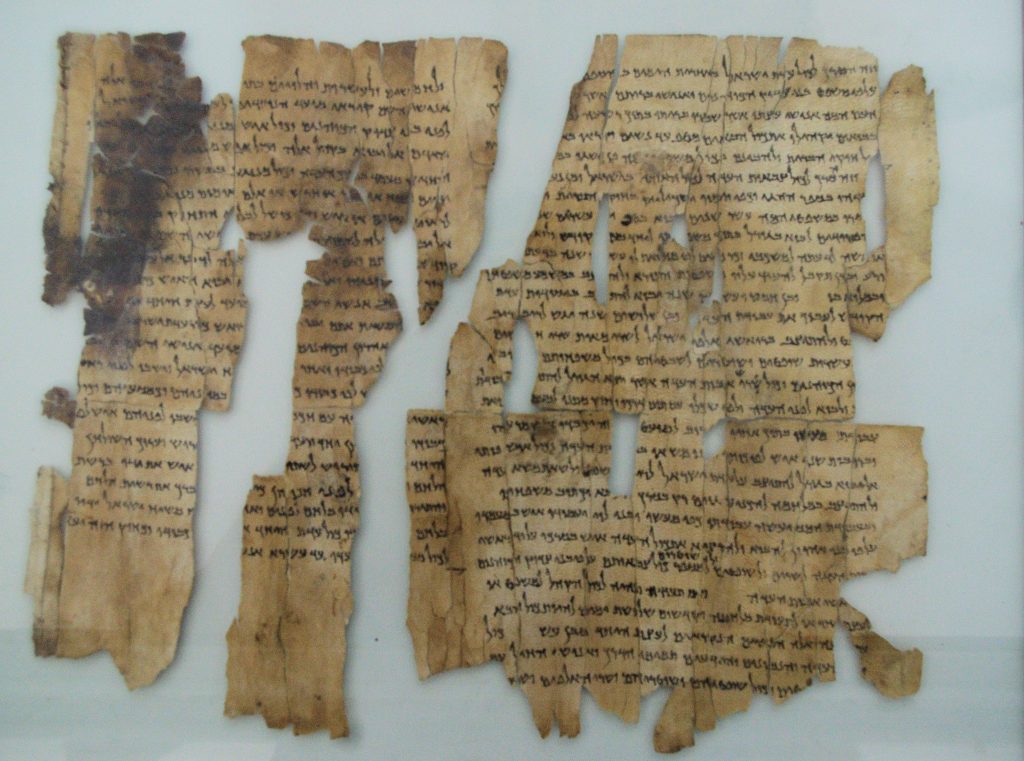
One of the most closely watched clues comes from the poems often treated as among the oldest biblical material: the Song of Miriam and the Song of Deborah. In the argument summarized in the Song of Miriam, the text does not name Israel as the people leaving Egypt. It speaks instead of a people led toward a sacred dwelling. That detail matters because the poem’s destination is not framed as the settlement of the whole land. It points toward sanctuary language, including a mountain of inheritance and a holy place. For scholars who see older layers beneath the final biblical narrative, that makes the song look less like a national migration story and more like the memory of a cultic or priestly group.
2. The Song of Deborah lists tribes but omits Levi
A second literary clue runs in the opposite direction. The Song of Deborah names the tribal groups participating in an early Israelite conflict, yet Levi is absent. In debates over early Israel, that omission has become significant because it may suggest that the Levites were not yet integrated in the same way as the other tribes. This does not function as direct archaeological proof. It does, however, affect how material evidence is interpreted. If the Exodus tradition began with a smaller group whose descendants later became priestly specialists, archaeologists would not expect a sweeping material trail across Sinai or a large Egyptian signature in every early Israelite settlement.
3. Egyptian names cluster around Levitical figures
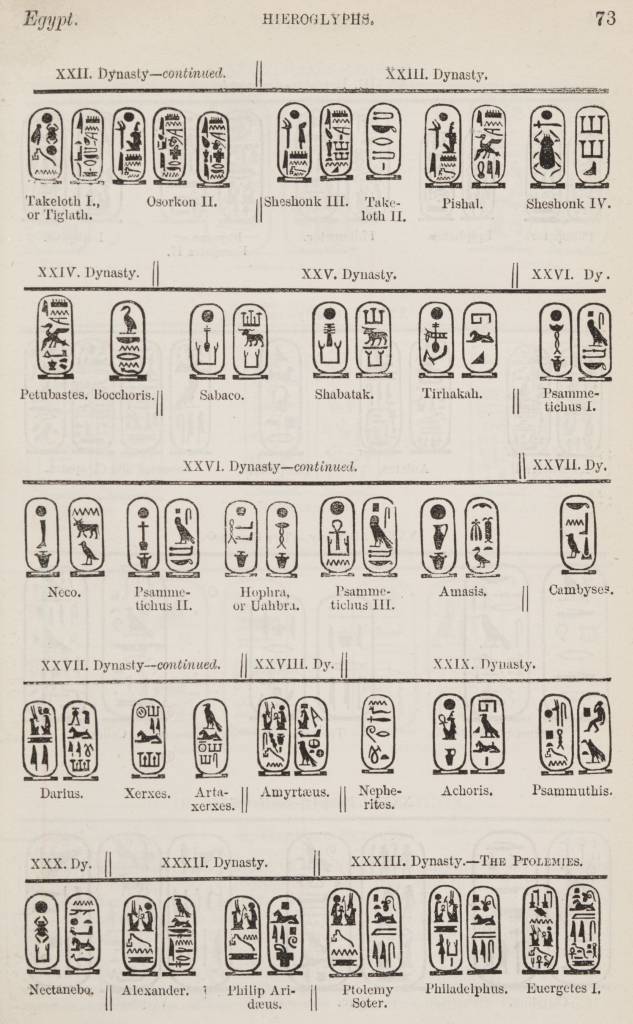
Names often preserve older cultural memories after objects and buildings disappear. Several Levitical names have been identified as Egyptian or plausibly Egyptian in form, including Moses, Merari, Mushi, and Phinehas. That pattern stands out because it is not distributed evenly across all the tribes in the same way. On its own, a name cannot prove a migration. Yet in historical work, naming patterns are rarely dismissed, especially when they gather around one social group. In this case, the concentration has been used to support the idea that an Egyptian-connected priestly community may have entered Israel and carried a foundational story with it.
4. Early references to the divine name appear in an Egyptian setting
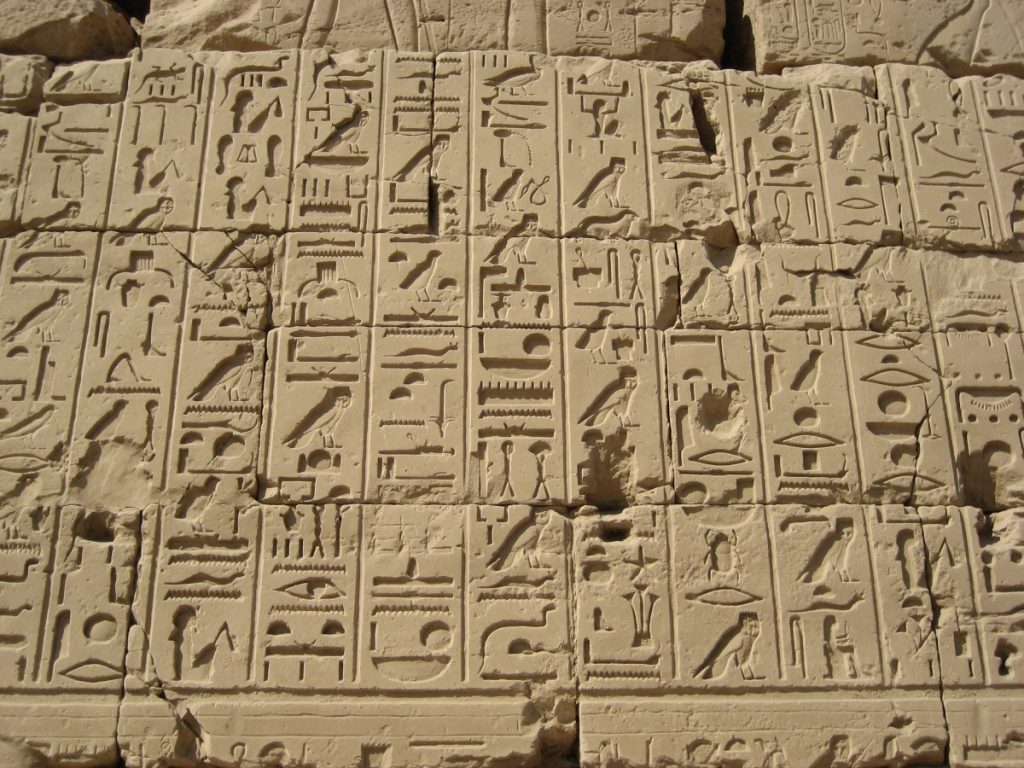
The debate also turns on the name of Israel’s God. The Song of Miriam repeatedly uses YHWH, and the wider historical argument notes that forms of that name appear in Egyptian inscriptions from the 14th and 13th centuries. That does not identify the biblical Israelites directly, but it places the name in the right broad world and time frame for the tradition’s development. This clue becomes more important when paired with source criticism. In biblical sources commonly associated with Levitical authors, the revelation of the divine name to Moses becomes a major feature. That emphasis can be read as a theological effort to tie an older ancestral God to a name associated with a group that had Egyptian experience.
5. Tabernacle and ark descriptions show Egyptian parallels
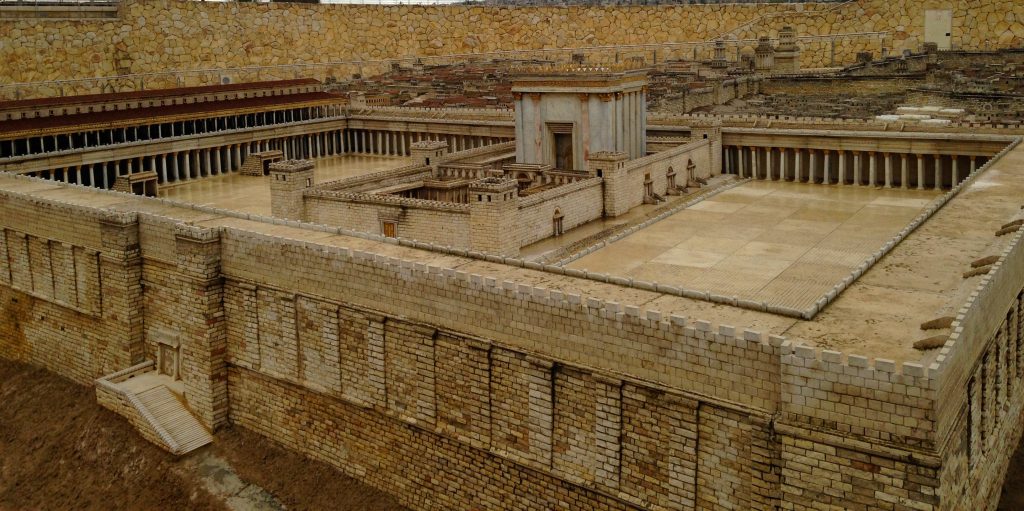
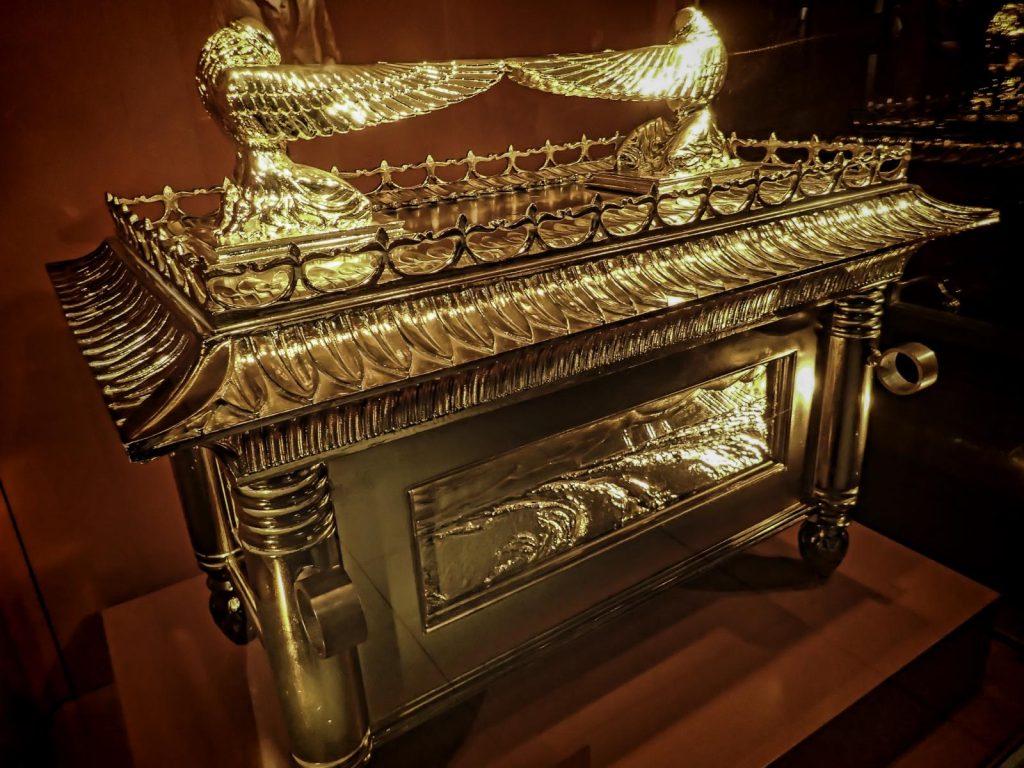
Material culture enters the debate most vividly in discussions of sacred architecture and ritual objects. According to the historical model outlined in the reference article, scholars have identified Egyptian parallels for the tabernacle and for descriptions of the ark. The comparison does not mean the biblical texts are simply borrowed from Egypt, but it does suggest that their authors moved in a world where Egyptian forms were known. This kind of clue is easy to underestimate. Portable shrines, ceremonial furnishings, and tented sacred space leave less archaeological residue than cities or palaces, yet they can carry cultural fingerprints. If priestly writers preserved inherited memories from Egypt, those memories might survive most clearly in ritual design rather than in settlement debris.
6. Circumcision and resident-alien law fit an Egyptian-linked priestly memory
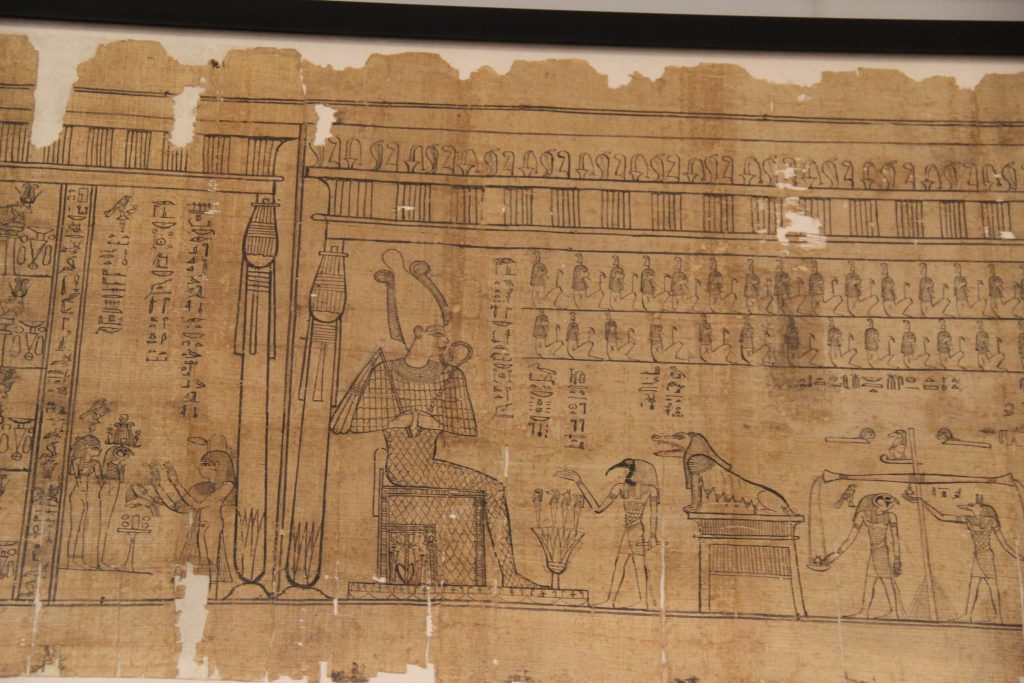
The same cluster of Levitical texts places unusual emphasis on circumcision and on fair treatment of the foreigner. The argument is not merely ethical; it is historical. In those sources, Israel is repeatedly told to remember life as aliens in Egypt, and the command to protect the alien appears with striking frequency.
Such repetition has been read as cultural memory rather than abstract moral instruction. If a smaller community experienced displacement and then attached itself to a larger population in Canaan, its laws would naturally preserve that past in concentrated form. Here again, the case is cumulative rather than decisive.
7. Jewish life in Egypt remained durable long after the biblical period
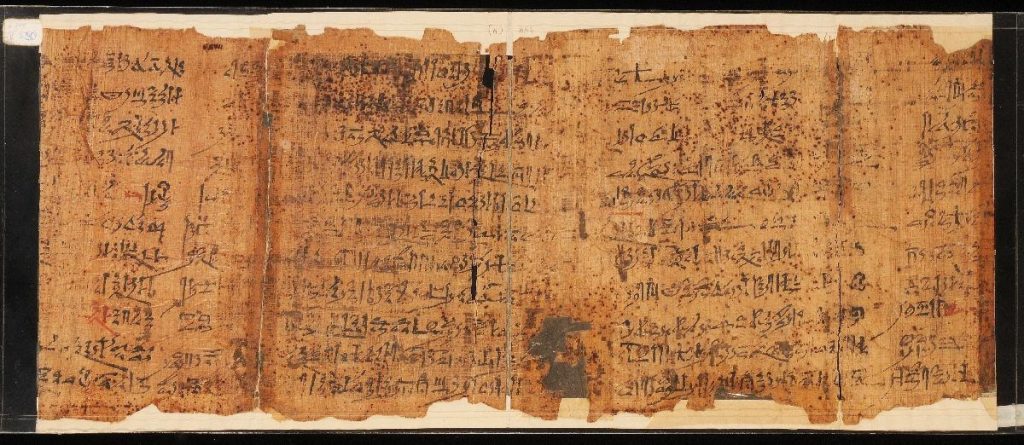
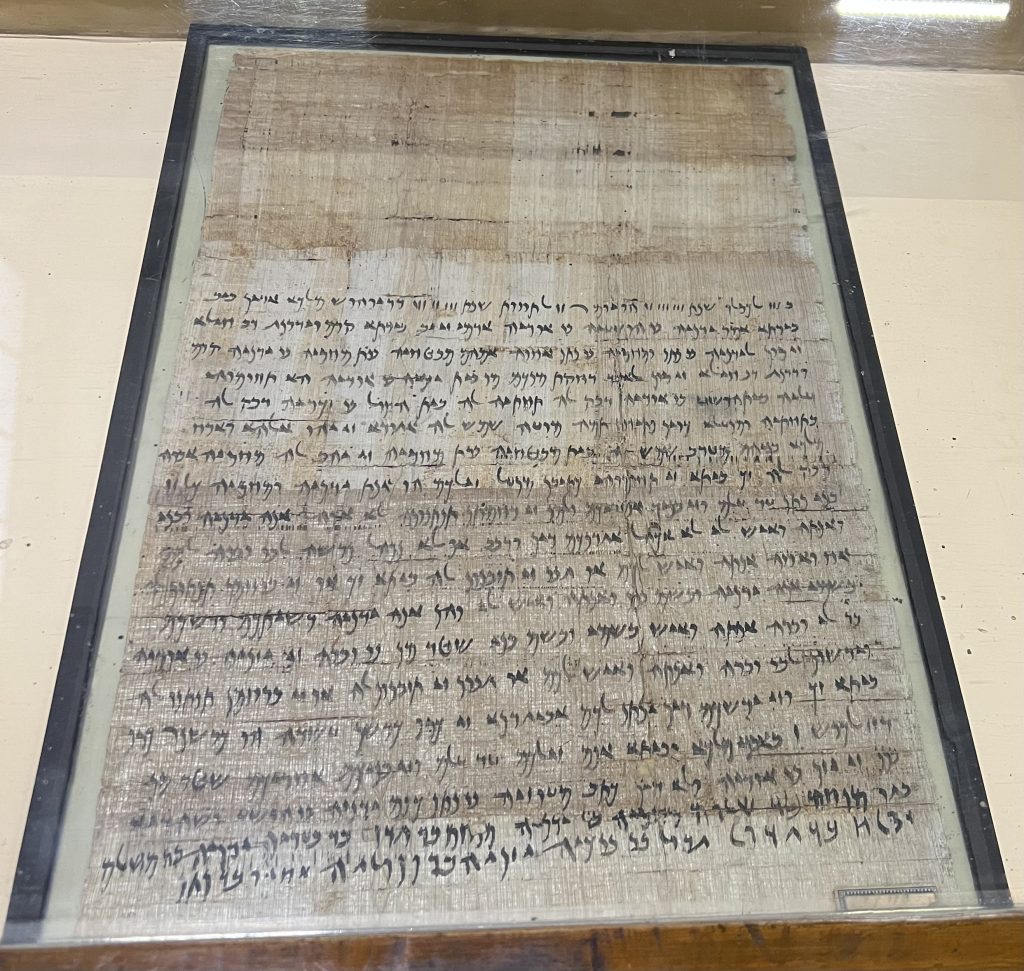
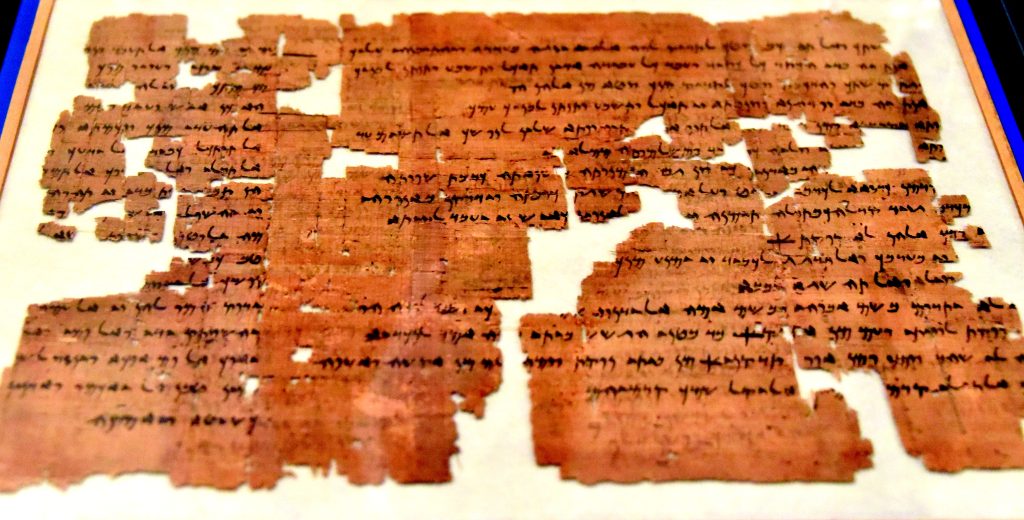
Later evidence from Egypt does not prove the Exodus, but it shows how durable Jewish religious life could be there. The community at Elephantine, documented in the Elephantine papyri, maintained a temple to a form of YHWH on a Nile island garrison centuries after the period usually associated with Moses. That archive is a reminder that Egyptian soil did preserve Jewish communities, military service, temple practice, and correspondence with Jerusalem. The papyri belong to a much later age, yet they make one point especially clear: the idea of a Yahweh-worshipping population embedded in Egypt is not historically strange.
The Exodus debate now depends less on a search for one dramatic discovery than on how many small clues can be read together. Ancient poetry, naming patterns, divine-name references, priestly customs, and Egyptian ritual parallels all keep the historical question open. None of these clues functions as final proof. Together, though, they explain why the conversation has shifted from asking whether every detail happened exactly as later tradition tells it to asking whether an older memory of an Egypt-linked group still survives inside the biblical story.

