
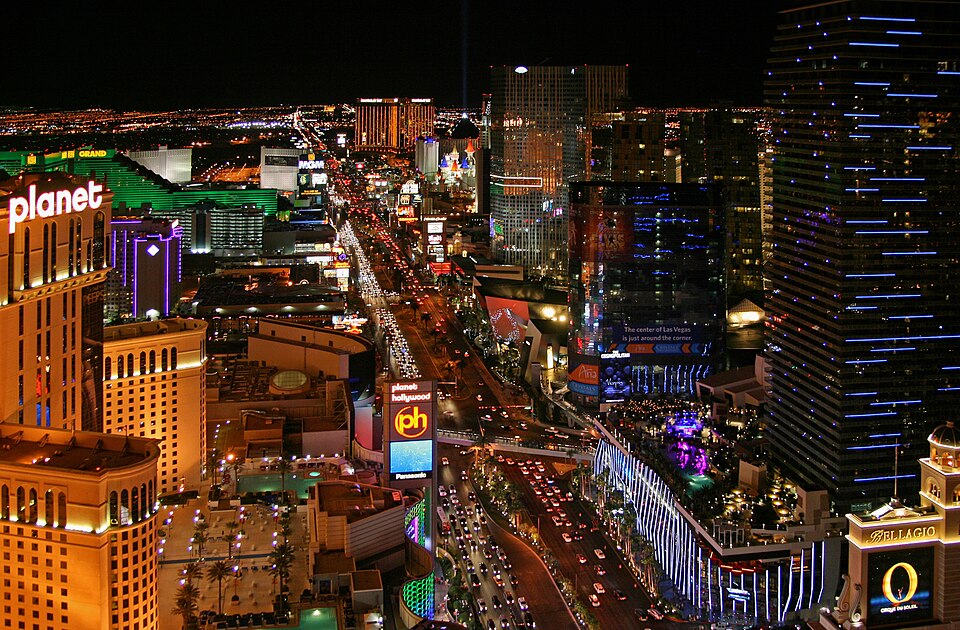
Las Vegas still draws millions of visitors, but the city’s old pitch has become harder to sustain for a wide swath of travelers. The image of an easy, slightly reckless getaway built on affordable rooms, cheap table games, and all-hours entertainment has been strained by rising costs and a different kind of visitor economy.
That shift helps explain why travel demand has softened. In 2025, Las Vegas recorded its biggest drop in visitors since the pandemic period, and the change has not been pinned on one issue alone. For many Americans, the decision to skip the trip now comes down to value, convenience, and whether the Vegas experience still feels distinct enough to justify the cost.

1. The trip feels more expensive before the vacation even starts
Sticker shock has become one of the clearest deterrents. Travelers interviewed about recent Vegas trips described dinners running into four figures, in-hotel coffee costing far more than street options, and room bills inflated by extra charges that make the total feel disconnected from the advertised rate. One visitor told Fox News, “It’s a little crazy, but dinners are like $1,000, it’s nuts.” Even for people who expect Las Vegas to be pricey, the complaint is less about luxury existing and more about basic participation feeling costly at nearly every turn.

2. Resort fees have turned into a symbol of poor value
Las Vegas has long relied on add-on charges, but resort fees now stand out as one of the city’s biggest consumer irritants. The Review-Journal reported that major Strip properties generally charged between $35 and $55 a night in resort fees, while some visitors described even higher totals depending on the property and booking details. Industry figures quoted in that coverage argued that consumers increasingly see those fees as a sign that Vegas no longer offers straightforward value. The frustration is amplified when travelers do not feel the included perks match the added cost.
3. Budget gambling has become much harder to find
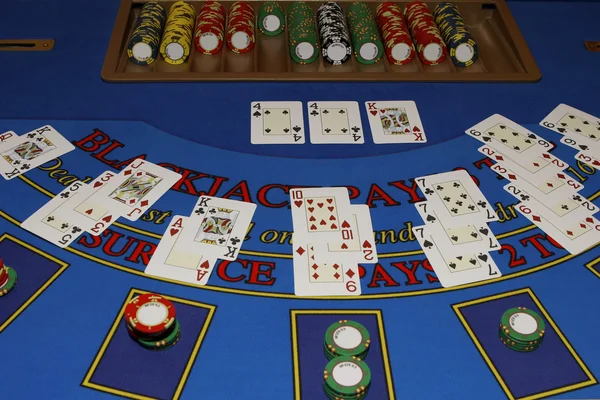
For decades, Las Vegas attracted travelers who could stretch a modest bankroll over an evening. That version of the city has faded. Luke Winkie noted that hotel occupancy fell to 66.7% in July, down 16.8% from a year earlier, while also describing how low-minimum table games have become scarce. The change is easy to understand from a visitor’s perspective. A trip feels less inviting when a casual blackjack session starts at $25 a hand instead of $5. That shift reduces the amount of time, experimentation, and social play that once made Vegas accessible to middle-income travelers.

4. The games themselves feel less friendly
Higher minimums are only part of the issue. Rules on the casino floor have changed in ways that experienced gamblers notice immediately and casual gamblers still feel over time. Triple-zero roulette and less favorable blackjack payouts have become shorthand for a city that appears more aggressive about extracting money than extending entertainment. This matters because Las Vegas has always sold more than gambling. It sold the feeling that even losses came with a memorable night attached. When the odds look worse and the pace of losing speeds up, that emotional bargain weakens.

5. Online betting has made the gambling trip less essential
Americans no longer need to board a plane to place sports bets or access casino-style play. As one gaming expert told Mashable, online gaming now accounts for 30 percent of commercial gaming revenue, up sharply from just a few years earlier. That growth has not eliminated Las Vegas, but it has changed the urgency of going there. Sports betting, poker, and other wagering options now live on phones, which means the gambling component of the trip is no longer exclusive to the Strip. For some travelers, that removes one of the main reasons to plan the vacation at all.
6. The city is increasingly built around affluent visitors
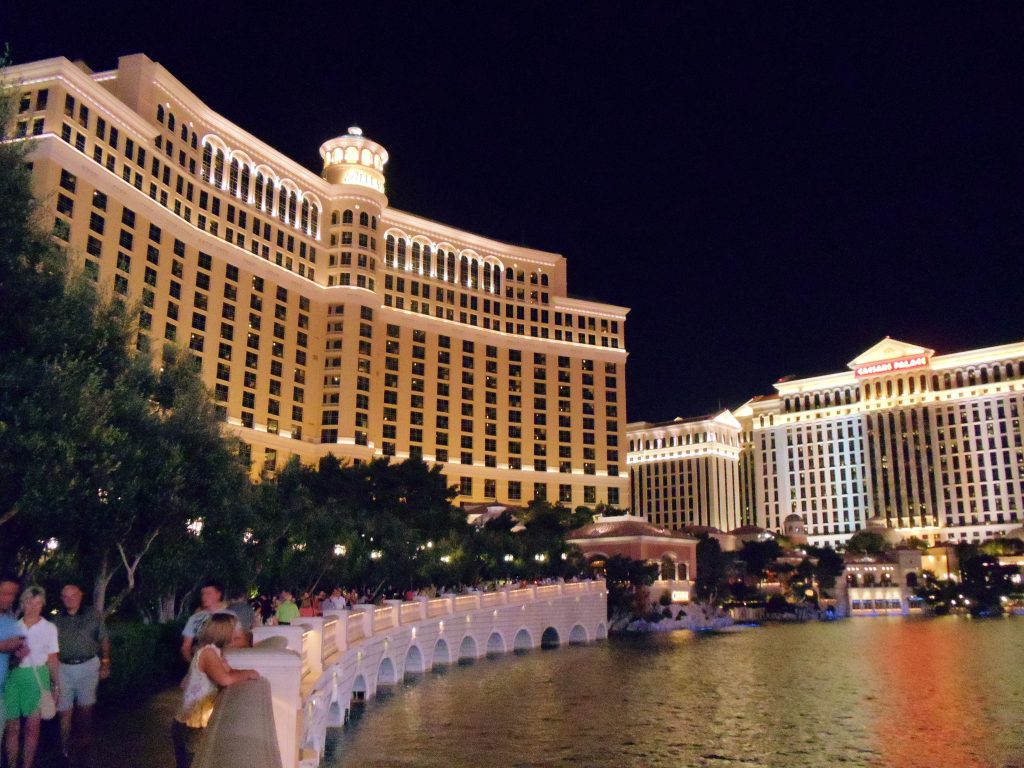
Recent expansion in Las Vegas has leaned heavily toward premium experiences, large-scale events, and travelers with more spending power. Workers on and around the Strip told NPR and Slate that the people arriving for major attractions are not always the same visitors who roam sidewalks, stop for casual photos, or build a weekend around small indulgences. That has created a noticeable perception problem. The city still welcomes mass tourism, but much of its energy now appears aimed at guests who can absorb premium room rates, event tickets, and luxury dining without second thoughts.

7. Service complaints make the higher prices harder to accept
Rising prices can be tolerated when the experience feels polished. The pushback grows when travelers believe service has moved in the opposite direction. Tour operators quoted by the Review-Journal described a mismatch between what guests are paying and what they receive, including concerns about room cleanliness and a general decline in hospitality standards. A shortfall in service changes the emotional math of the trip. It is one thing to pay more for Las Vegas. It is another to pay more and come away wondering why the basics felt neglected.

8. The old spontaneous weekend no longer feels easy
Las Vegas once thrived on impulsive travel. Friends could book a relatively affordable room, walk the Strip, gamble in small increments, and piece together a fun weekend without a detailed budget. That looseness has narrowed. Once coffee, meals, room charges, parking, gaming minimums, and fees all rise together, the trip starts to require more planning and more financial tolerance. The city becomes less of a carefree escape and more of a calculated splurge.
9. Americans have more regional alternatives now
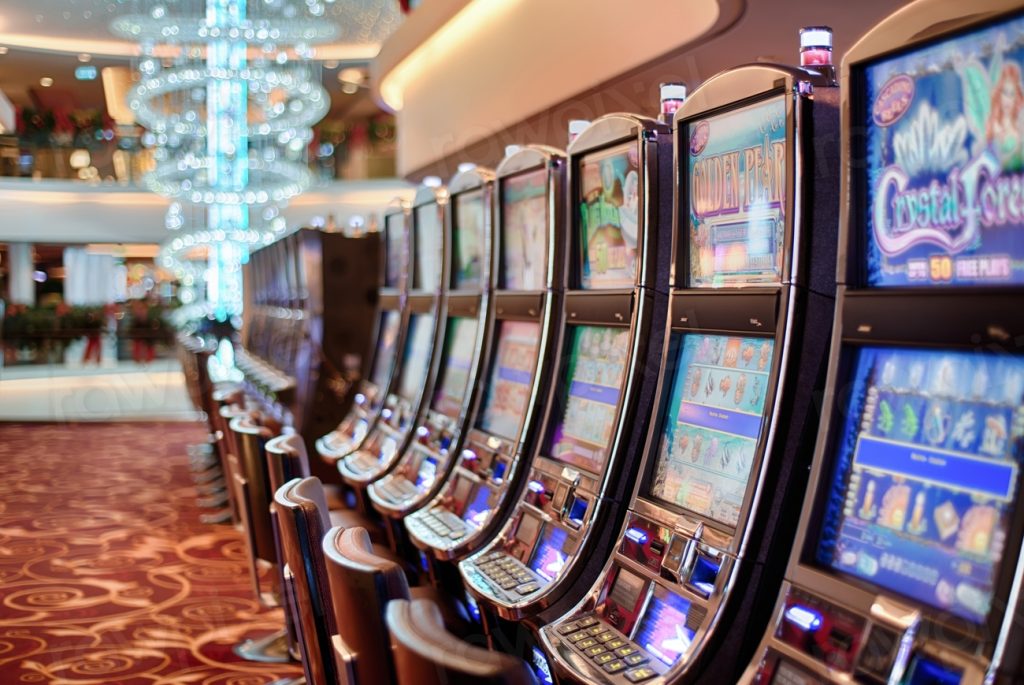
Part of Las Vegas’ historic power came from concentration. It offered gambling, spectacle, nightlife, and convention traffic in one place. But legal gambling has expanded across the country, and some travelers now have easier options closer to home. Slate quoted one ticket seller describing Texans who said they were going to Oklahoma instead. The point is not that regional casinos replicate the Strip. It is that for travelers mainly looking to gamble, the convenience gap has narrowed while Las Vegas has become more expensive.
10. The city’s identity has shifted away from accessible indulgence
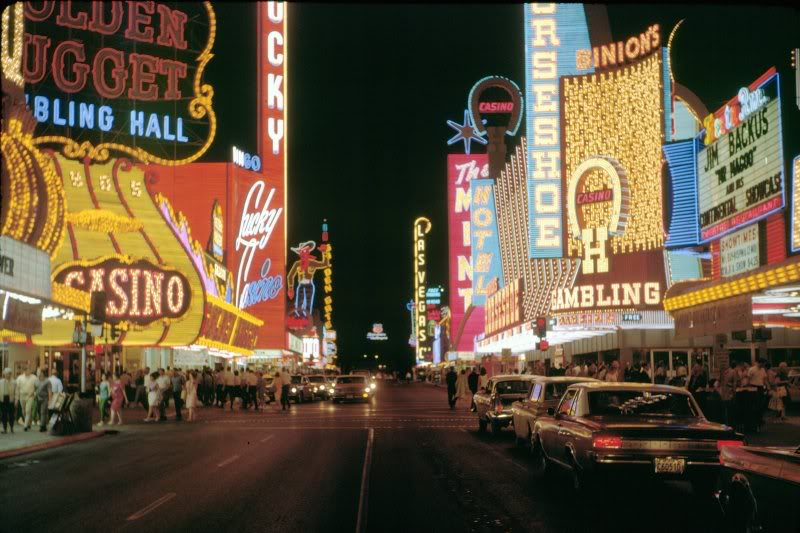
The deepest reason some Americans are skipping Las Vegas is harder to measure. The city was once closely associated with affordable excess: bargain buffets, low-stakes tables, free drinks, and the sense that nearly anyone could buy into the fantasy for a weekend. That identity has frayed. Vegas still offers scale, spectacle, and money-making power, but many travelers now see a destination that asks for more while giving less of the old democratic thrill in return.
Las Vegas has not lost its audience. Gaming revenue has remained resilient, major attractions continue to draw crowds, and the city still has a cultural pull that few destinations can match. But more Americans are reassessing what they get for the money. When a trip no longer feels loose, social, and broadly attainable, skipping Las Vegas stops looking like a sacrifice and starts looking like a rational choice.

