
“Victory at any cost, victory in spite of all terror. However long or hard the road; for without victory there is no survival.” The words of Winston Churchill echo through the ages, and following the brutish assault on Christian believers in Komanda, they ring very true. The night massacre by Allied Democratic Forces (ADF), a militia that is affiliated with ISIS, killed dozens of people, including children and women, and an international community in need of answers, strength, and hope.
1. The Komanda Attack: A night of gruesome violence
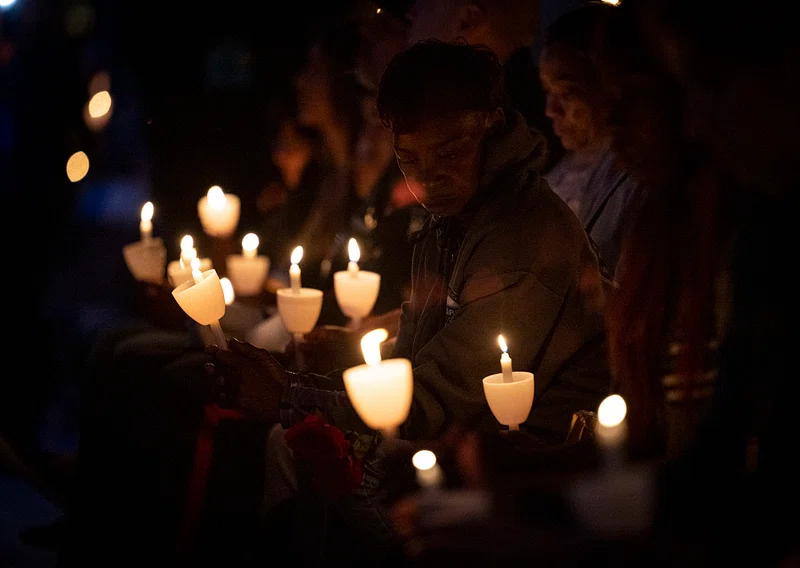
The attack happened in the dead of night while a Roman Catholic church vigil was under way in northeast Democratic Republic of the Congo. Witnesses have told of how ADF rebels stormed the church after midnight wielding machetes and guns, attacking defenseless congregants. The UN peacekeeping mission put the death toll at a minimum of 43-19 women, 15 men, and nine children while the nearby shops and homes were burglarized and torched.
Vivian van de Perre, her deputy chief at Monusco, decried the violence, saying, “These calculated attacks on defenceless civilians and especially on sacred places are not only reprehensible but also against all human rights norms and international humanitarian law” said the UN peacekeeping mission.
2. The Ideological Roots of Extremist Violence
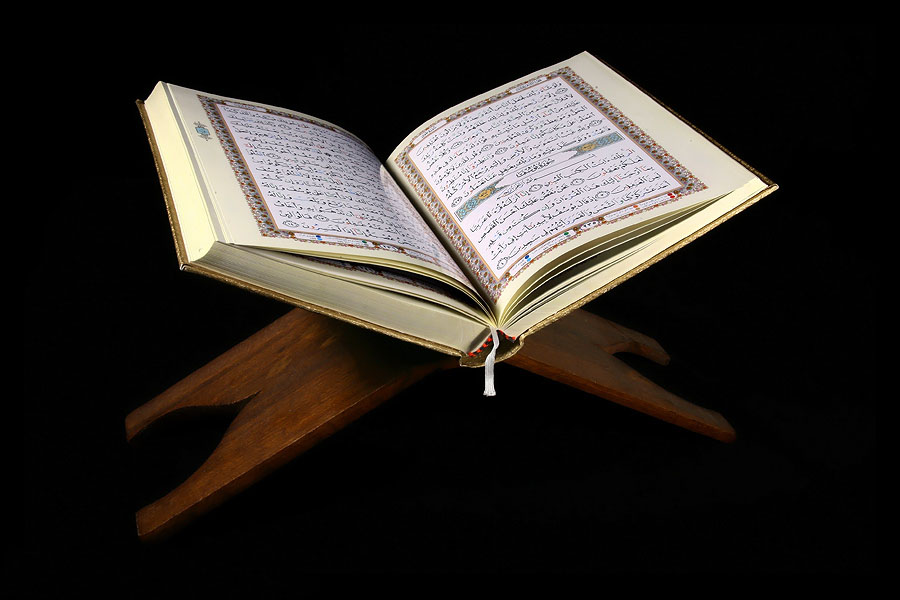
ADF’s ideological drivers are based on extreme interpretations of the Islamic holy book, where their leaders promise eternal reward for violent acts against non-believers. There are several Quranic passages, Surah 3:151 and Surah 2:191, that the extremists cite to justify their actions. But, as John L. Esposito describes, “The Quran does not command or condone illegitimate violence and terrorism.” Meanwhile, pre-Qur’anic verses did provide for the right to resist aggression and to resist persecution and attack by Meccan competitors. He argues that moderate Muslims place violent verses within their context, but extremists reinterpret them to their purpose John L Esposito.
3. Historical Critique and Modern Parallels
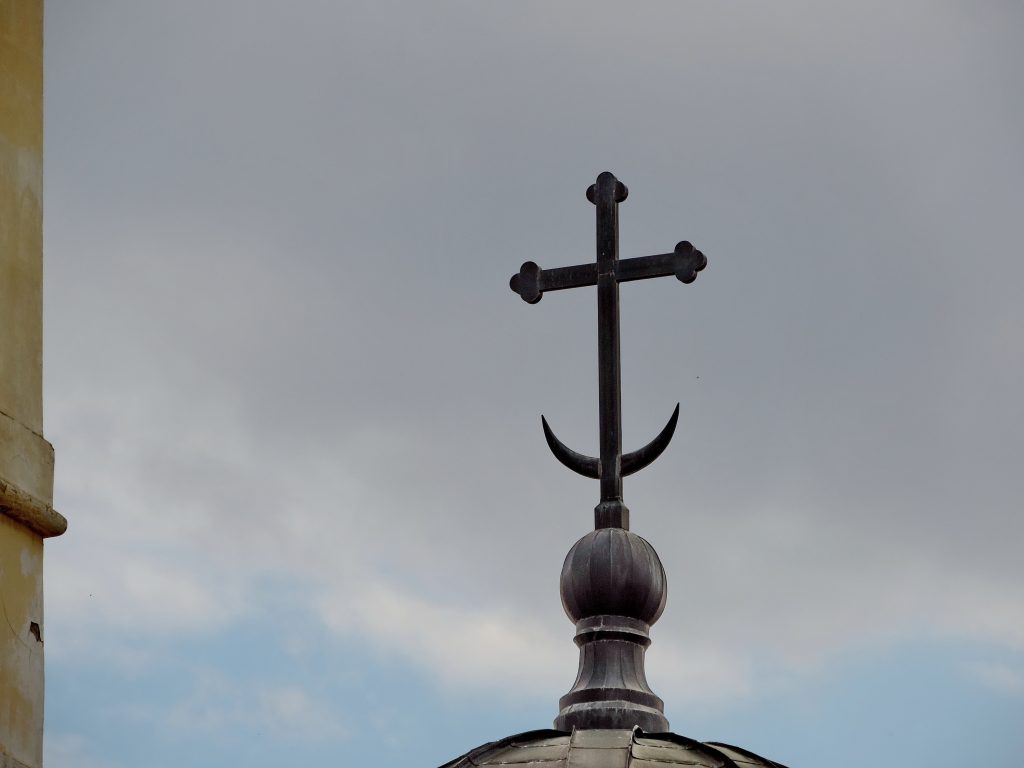
Islam and Christianity have deep historical origins of conflict. Winston Churchill himself, in a memoir of his military days, once penned, “How dreadful are the curses which Mohammedanism lays on its votaries!” A degraded sensualism deprives this life of its grace and refinement; the next of its dignity and sanctity. His opinion, also held by his grandson Winston S. Churchill III, puts Islamic extremism on par with the devastating “isms” of the 20th century, and that “extremist Islam has declared war on the rest of the world, as evidenced by their ruthless attacks throughout the world overwhelmingly directed against innocent civilians” Winston S. Churchill III. But both Churchills warned against expelling peaceful Muslim communities, observing that they must have their support from within to combat extremism.

4. The Psychological Weight: Trauma and Worry Subsequently
For the people affected directly and indirectly, the psychological weight of such violence is immense. Studies indicate that children are particularly susceptible to trauma, with reactions such as distress, sleep disturbance, and fear of harm persisting for many years after the incident children were the vulnerable segment of the population for psychological trauma. In the general population, reaction of distress such as anxiety, irritability, and avoidance is usual and, in all but the most extreme circumstances, is considered a normal response to an unexpected stress.
Research into other terror attacks has discovered that the incidence rates of PTSD have ranged up to 28% in directly exposed individuals, and symptoms are highest in the first year.
5. Coping and Resilience
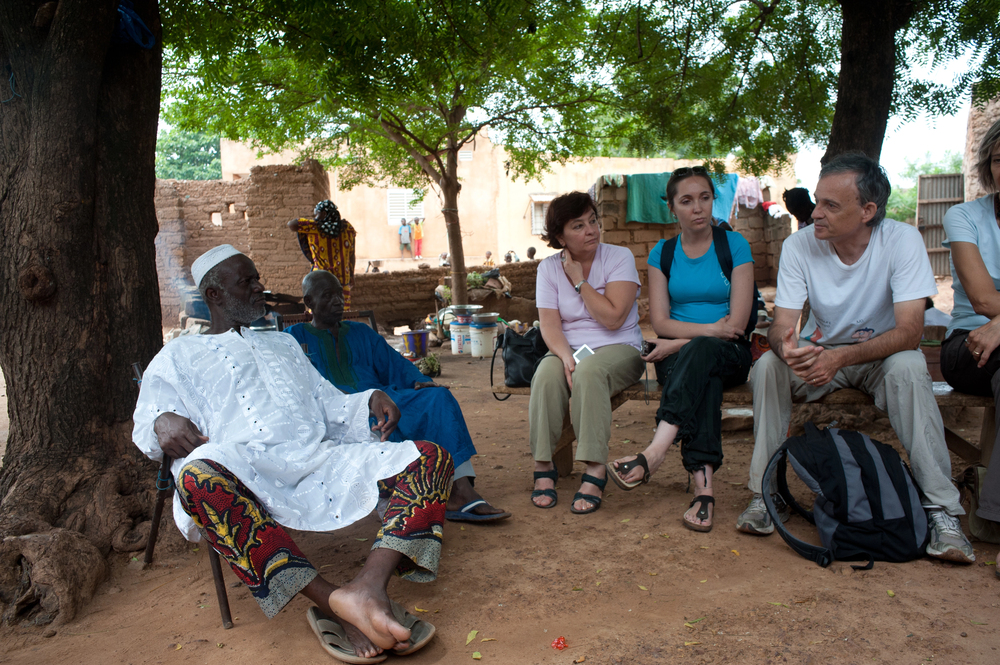
With shock and trauma, communities have surprisingly been resilient. People’s psychological symptoms eventually mend, one has the impression, provided they feel supported and related. Volunteering and altruism also seem to flourish following such tragedies, in a quest for meaning and solidarity.
As one commentator describes, “The shared experience of surviving a disaster can foster greater community cohesion.” Help from religious leaders, neighbors, and even strangers provides functional support that can be a lifeline, guiding survivors from trauma to recovery.
6. The Power and Promise of Interfaith Dialogue
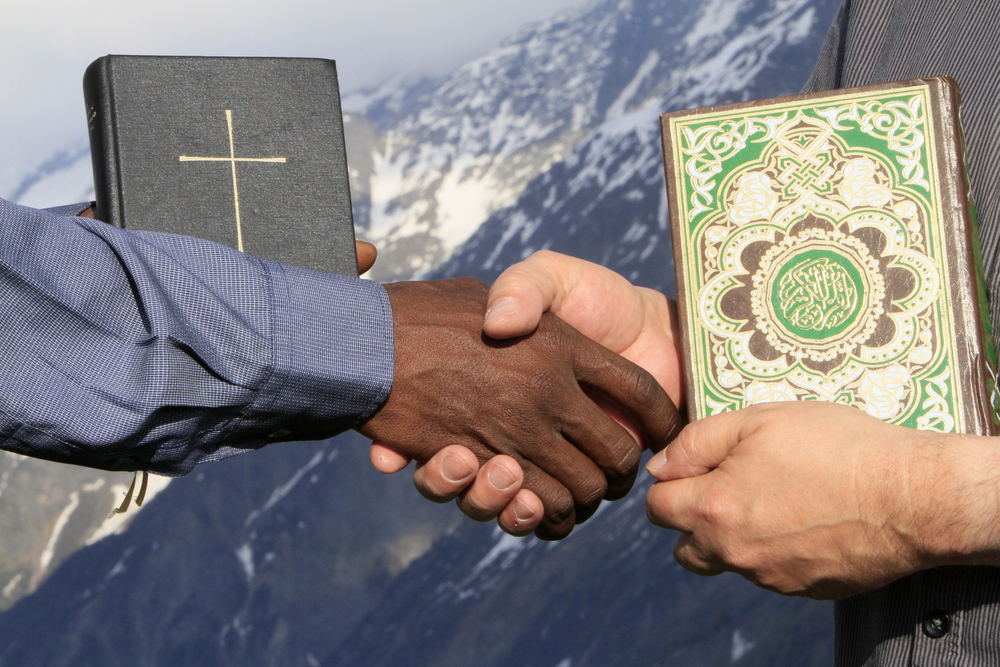
In a world in which religious violence can cause divisions, interfaith dialogue is the path to understanding and peace. Such dialogues based on respectfulness and genuineness enable stereotyping to be overcome and ease pressure to generalize the extremists’ actions to their respective religion. Interfaith dialogue is a very important aspect of helping to de-escalate tensions fostered by misperceptions regarding the belief of other religions, specialists define interfaith dialogue as an attempt to know more about the past, sacred writings, prayers, and practices of other religious communities.
Embracing shared values justice, compassion, resilience spiritual communities can be a force of healing rather than fragmentation.
7. Looking Forward: Solidarity, Alertness, and Hope
While the military keeps looking for the ADF, local leaders demand solidarity and alertness. Congolese army spokesman Lt Jules Ngongo urged the citizens “to be extra vigilant and report suspicious presence to the defence and security forces.” Meanwhile, world figures such as Pope Leo have prayed and condoled, upholding solidarity during times of calamity.
The path ahead is not easy, but as the past and scholarship remind us, communities can come back stronger, closer, and more committed to peace. For those struggling with fear and anxiety in the wake of such attacks, it’s important to remember: trauma triggers normal distress, and there is help available. Being involved in community, getting good information, and volunteering for interfaith activities can all assist in feeling safe and hopeful once more. When the world sees Komanda, the lesson that will be passed on is clear compassion, empathy, and strength are the best antidote to hate.

