
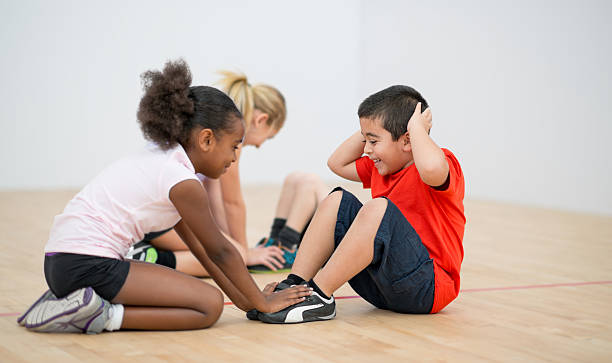
Is it déjà vu, or did gym class just get a big throwback? On Thursday, President Donald Trump signed an executive order reinstating the Presidential Fitness Test a step that’s about to stir up school gyms across the country and revive arguments regarding how to best make kids healthy and active. As childhood obesity levels stand at what Health and Human Services Secretary Robert F. Kennedy Jr. terms “crisis levels,” the question is not merely what is shifting, but how this resurgence could potentially affect the health of the next generation.
1. The Presidential Fitness Test: From Eisenhower to Today
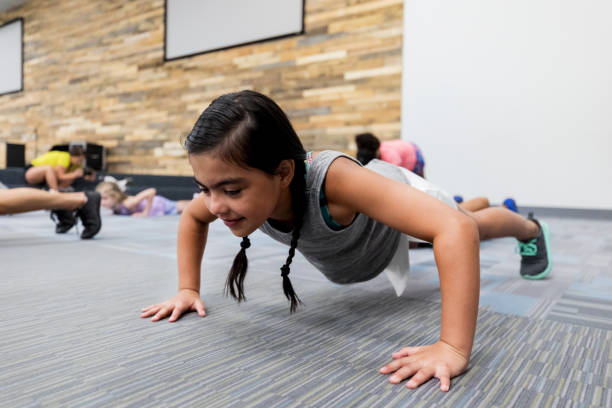
The Presidential Fitness Test has a rich history, initially administered in the 1950s by President Eisenhower, in response to fears that American children were lagging behind their European counterparts in general fitness. The test of yesteryear required students to perform push-ups, pull-ups, sit-ups, a one-mile run, and stretching exercises at times with the promise of the prestigious Presidential Physical Fitness Award for high achievers. “From the late 1950s until 2013, graduate scholars all across our country competed against each other in the Presidential Fitness Test, and it was a big deal. This was a wonderful tradition, and we’re bringing it back,” President Trump said at the signing event, joined by sports stars like Bryson DeChambeau and Lawrence Taylor.
But the test was not merely a matter of pride. Over the years, it was a national standard, tracking the fitness of children and energizing a competitive (and sometimes nervous) sports culture around gym class performance. By 2013, though, the Obama administration replaced it with the Presidential Youth Fitness Program (PYFP), shifting the emphasis from sports greatness to personal health and habits for life.

2. The New Vision: “Make America Healthy Again”
This reset includes a new twist: Secretary Kennedy’s “Make America Healthy Again” report earlier this year presents a grim picture of the health of American children. “Our children are the sickiest children in the world,” Kennedy announced, citing ultraprocessed foods, toxins in the environment, and sedentary lifestyles as principal offenders. The report urges prompt action but concedes, “The next step in this process is to develop policy recommendations for the president.” Although the specifics are still being drafted, the executive order instructs the President’s Council on Sports, Fitness, and Nutrition now led by DeChambeau to create new award standards and school programs that incentivize “excellence in physical education.”
3. Old, New, and Next-Gen Fitness Programs Compared
The early test was all about performance: could you run faster, jump higher, or perform more sit-ups than your peers? The Obama-era PYFP, in contrast, emphasized health-related fitness, employing the FitnessGram test to compare students’ results against health standards, not to one another. As reported in a recent assessment, the PYFP “was positively associated with student cardiovascular endurance and physical activity gains during the semester,” although it also grappled with underutilized teacher training and uncertain recognition for students.
And now, Trump’s executive order seeks to marry tradition with innovation restoring the competitive edge and highlighting nutrition and healthy lifestyles as well. As Kennedy described it, “We need to re-instill that spirit of competition and that commitment to nutrition and physical fitness.”
4. What the Evidence Says: School Fitness Programs and Health Outcomes
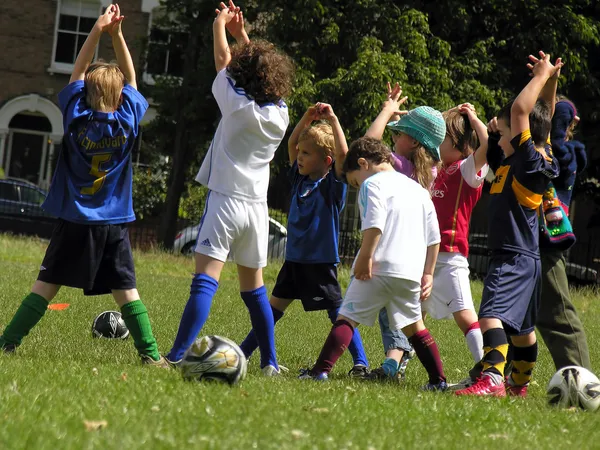
So, does restoring the test really make kids healthier? Evidence from research indicates that school-based fitness tests can be significant indicators of physical fitness among children and, when combined with quality physical education programs, will enhance both academic and health outcomes. The American Heart Association underlines the significance of periodic measurements of cardiorespiratory fitness, stating that “school-based fitness assessments have the potential to provide valuable evidence of physical fitness levels in children across various ages, school levels, and other socio-demographic characteristics and, over time, in response to interventions or policy changes.”
But there’s a hitch: research finds major lack of consistency in state implementation and reporting of fitness data, which makes it difficult to compare outcomes or measure progress across the country. Researchers agree that strong, standardized protocols and simple access to personal results by families are needed to make these tests true aids to improving health.

5. Best Practices: Beyond the Test What Really Works?
The best school-based programs go beyond testing. As the CDC advises, gold standard is a multi-component strategy that includes daily PE, nutrition education, active recess, and after-school activities. Programs that include hands-on activities such as cooking demonstrations, gardening, and taste tests make healthy habits stick. Parental involvement is also critical: “Interventions involving parents were more likely to achieve their objectives,” one recent review concluded.
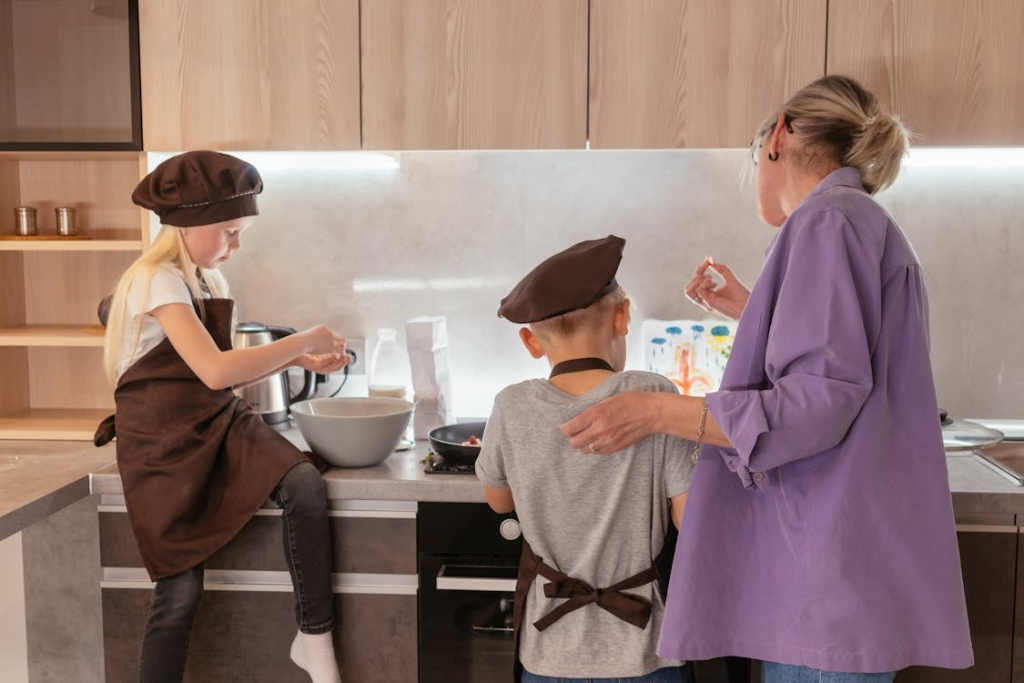
And it’s not solely about what occurs in the gym. Policy modifications such as healthier school lunch options, safe school walkways, and employee wellness programs set an environment in which healthy choices become the rule, rather than the exception.

6. The Role of Recognition and Motivation
Awards and praise can be big motivators, but experts warn that they must honor effort and progress, not only high marks. The PYFP’s “Healthy Fitness Zone” designation was meant to praise kids for reaching health benchmarks, not merely excelling over others. The new criteria for the Presidential Fitness Award are pending development, but supporters hope they’ll find a happy medium challenging all children to be more active, regardless of athletic talent.
7. Addressing Equity and Inclusion
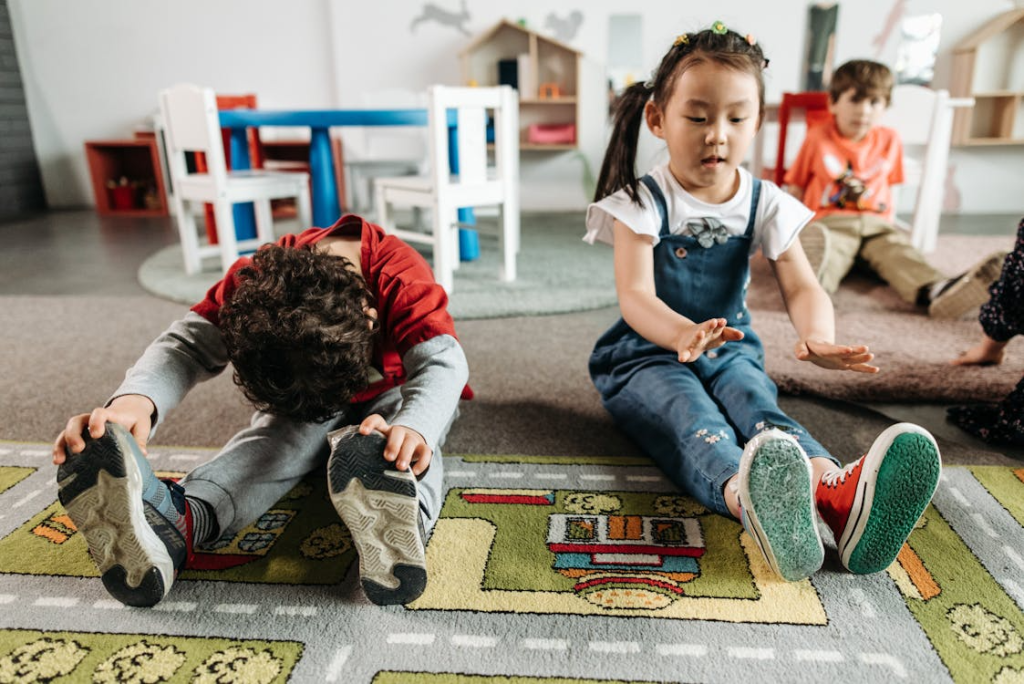
One of the issues with any kind of national fitness test is making sure it’s fair and accessible. Research indicates that aerobic capacity and fitness tend to differ by age, sex, and income level, and that access to quality PE and extracurricular opportunities isn’t the same for all schools. In order to really “make America healthy again,” specialists suggest tailoring programs to fit the needs of a variety of communities, offering resources to schools in underserved communities, and involving families and local groups in the process.
As schools get ready to blow the dust off the stopwatches and stretch mats, one thing is certain: bringing back the Presidential Fitness Test is more than a trip down memory lane. It’s a summons to action for parents, teachers, and policymakers to collaborate, building a world where all children can succeed body and soul.

