
It’s a question that plagues every parent who loves the outdoors: What would you do if the unthinkable happened on a family hike? The recent tragedy at Devil’s Den State Park in Arkansas, where Cristen Brink’s swift action saved her children before she and her husband were murdered after being assaulted, has sent shockwaves through hiking communities and families across the country. But in the midst of heartache, there are powerful lessons about courage, preparedness, and community that can help families reclaim their feelings of security and happiness on the trail.
1. A Mother’s Courage in the Face of Danger
Cristen Amanda Brink’s actions on that fateful day have been termed nothing short of heroic. When her husband Clinton David Brink was attacked, Cristen immediately led their two small girls age 7 and age 9 to safety, positioning them safe before she herself went back to help her husband. In the words of Arkansas State Police Maj. Stacie Rhoads, “We believe that the mother took them to safety and then went back to assist her husband.” The couple’s family later said, “Clinton and Cristen died heroes, defending their little girls and they deserve justice.” They will remain forever in our hearts. The girls, found safe and sound mid-way through the park, are recovering with relatives, and the family is asking for privacy as they grieve and cope with this new reality.
2. The Suspect: A Profile of Unsettling Normalcy
The accused double murderer, Andrew James McGann, is a 28-year-old former school teacher with no previous criminal record or history of mental illness. McGann recently moved to Arkansas from Oklahoma, where he worked as a teacher at several schools and passed all the background checks. As Arkansas State Police Col. Mike Hagar clarified, “I can assure that we have absolutely no indication, no reason whatever to suspect there was any relationship whatever between our suspect and our victims.” Motive remains unclear, making the assault even more ghastly for families that love the randomness and normally the safety of nature. McGann was apprehended at a Springdale barbershop after five days of searching and over 500 public tips. He “made statements suggesting that he did kill the couple,” Maj. Rhoads said, and his DNA matched blood at the crime scene.
3. When the Wilderness Isn’t Predictable: Rethinking Hiking Safety
Remote state parks like Devil’s Den offer breathtaking views but come with unique safety concerns. The area where the Brinks’ bodies were found was described as remote and rocky, with dense cover and no cell phone coverage. For families, it indicates the importance of thoughtful planning. Experts recommend always researching the difficulty level of the trail, checking for closings or advisories, and making sure everyone in your group is aware of the path and regulations. As one hiking guide explains, “Pick a trail that everyone can successfully complete and enjoy safely”. Check the park website or ask a ranger what the difficulty level of trails are.
4. Family Hiking Safety: Actionable Steps for Peace of Mind
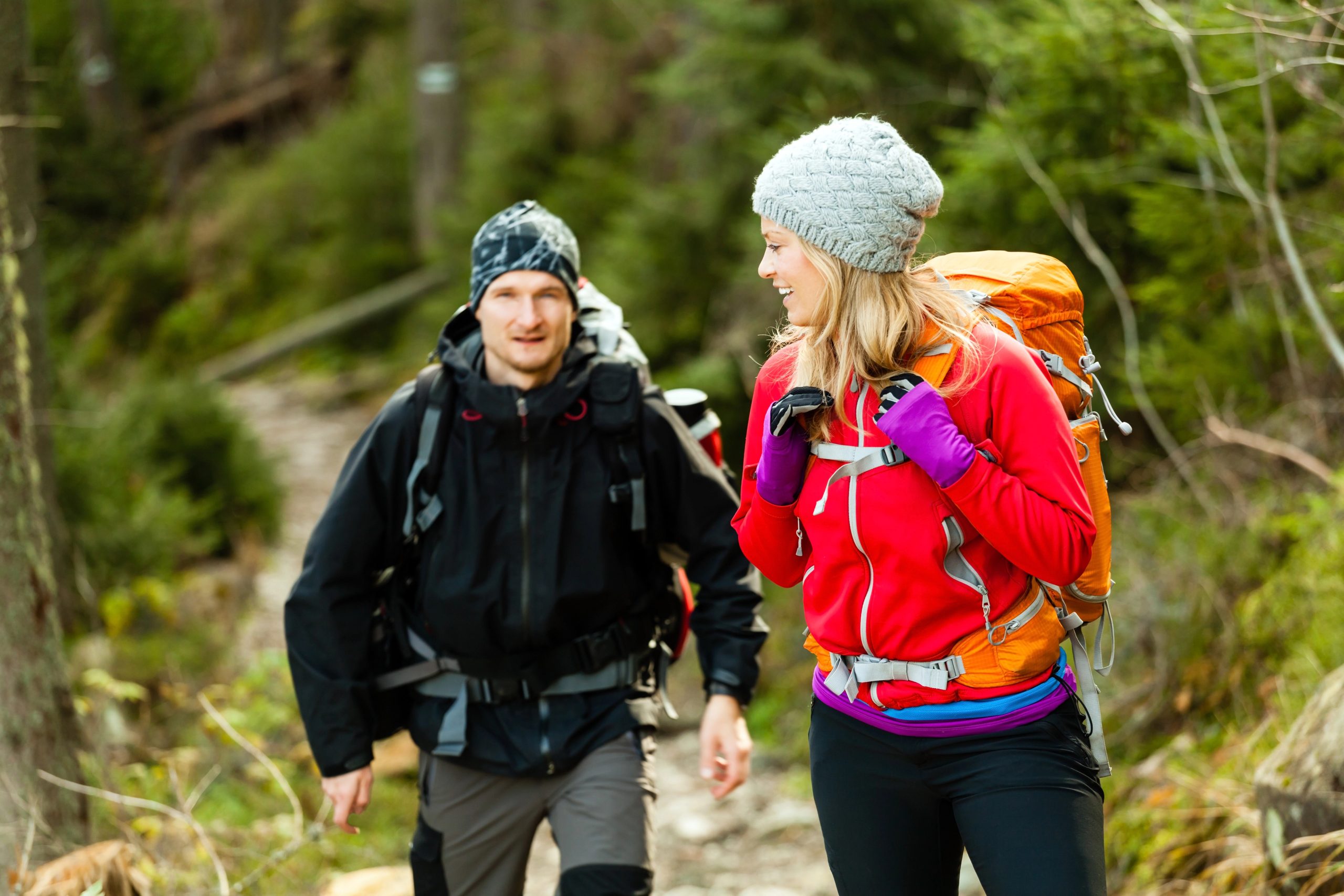
Safety on the trail starts before you ever lace up your boots. Always leave a trip plan with someone who is not accompanying you on the hike, stating your route, your group, and the time you anticipate returning. Dress your group in the 10 essentials: navigation tools, first aid supplies, additional food and water, and weather-appropriate clothing. For families, it is essential to dress in light-colored clothing and practice the buddy system every adult must have a child stuck to them, and nobody should wander off on their own. “It’s okay to be loud,” is the tip in a family hiking safety guide. “Your normal speaking voice should be sufficient to alert animals that you’ll be passing through.” And yes, even experienced hikers should carry a first-aid kit and consider CPR certification for emergencies.
5. Emergency Preparedness in Remote Areas
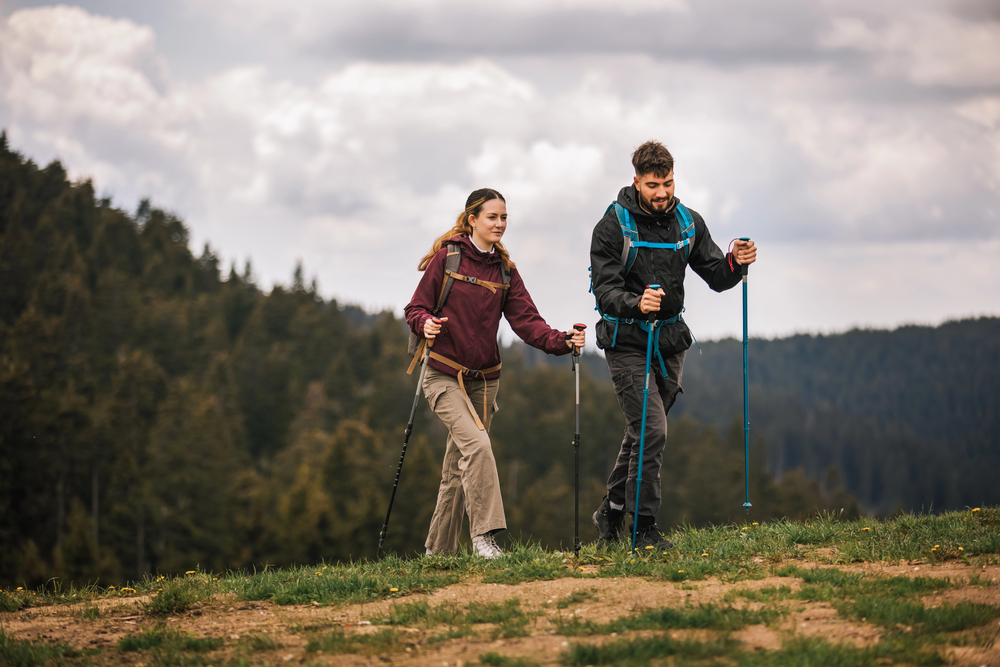
When cell service is spotty or nonexistent, a personal locator beacon or satellite messenger can be a literal lifesaver. Practice situational awareness be aware of where you are, who is around, and listen to your intuition if something doesn’t feel right. “If you ever believe your safety is at risk on the Trail, call 911. Don’t think you need to determine what is and isn’t a crime before you make the call law enforcement will determine that,” says the Appalachian Trail Conservancy. Keep your group in balance, allow the slowest member to set the pace, and always have a fall back position in case someone is lost or injured.

6. Coping with Anxiety After Spontaneous Violence
Incidents like the Devil’s Den tragedy can inflict lingering emotional scars, even on those who only learn about them from the media. Grief, fear, or anxiety are normal emotions to feel after learning about spontaneous outbreaks of violence. Experts recommend allowing yourself to process these feelings, talking with loved ones, and limiting exposure to distressing news. “Balance your thoughts. When feeling overwhelmed by tragic events, it’s easy to forget the good in the world. Try to balance feelings of pessimism by deliberately thinking about acts of goodness and kindness that people are doing every day,” suggests a guide on coping after traumatic events. Adhere to routines, remain body-conscious, and seek assistance if anxiety is debilitating.
7. The Power of Community and Search Efforts
The arrest of the suspect was enabled by a massive, community-organized search operation. Hundreds of tips and crucial video footage were given to police by local residents and hikers, demonstrating how community vigilance can bring about justice and restore safety. Police departments encourage all those with information or video captured while at parks to send it to the authorities directly off social media, not via social media to avoid undermining investigations. Participating community, from helping with search operations to joining neighborhood watch efforts, can make everyone feel safer and included.
8. Moving Forward: Reclaiming Joy and Confidence on the Trail
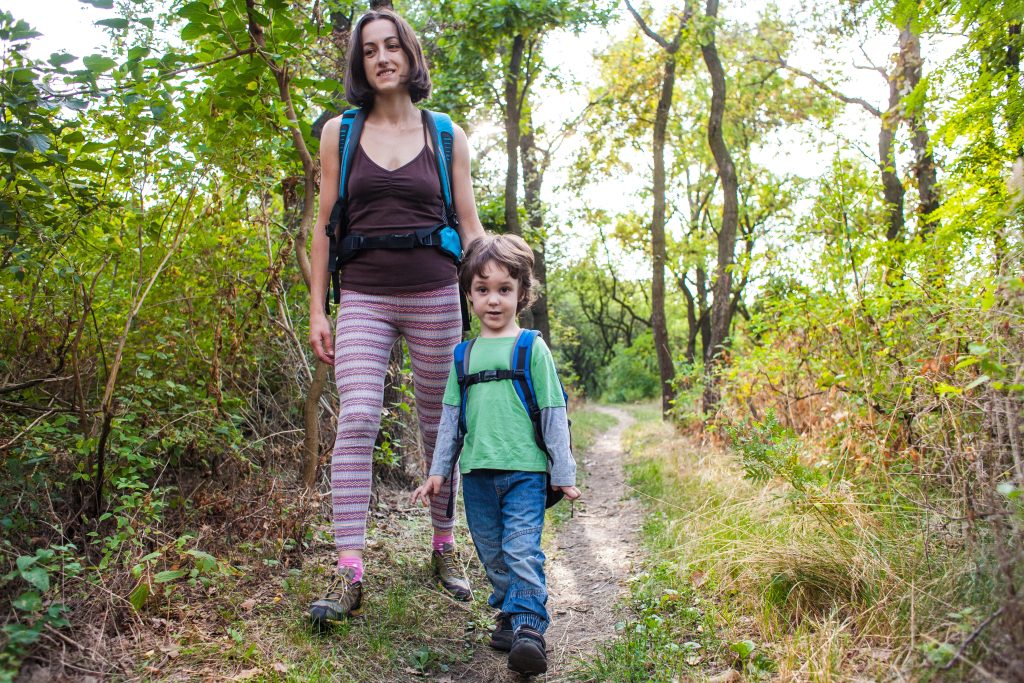
While the loss of Clinton and Cristen Brink is unfortunate, their story is also a testament to the power of parental love and wisdom. Their decisions gave their daughters a chance for survival, and their lives can instill families to venture outdoors with courage and wisdom.
Through embracing best safety practice, building strong community networks, and supporting each other emotionally, families are able to continue venturing into the wild with confidence, resilience, and hope.

