

“Sustainability is something people care about these days, so companies are contorting themselves into pretzels trying to craft an argument that the product they’re selling is sustainable and responsible and reflects our values,” says Stand.earth executive director Todd Paglia. But what if a lot of what we think we know about going green amounts to not much more than fancy spin or even flat-out myth? The eco-conscious consumer of today is faced with labels, claims, and promises, but separating genuine effect from greenwashing can be a full-time job.

If you’ve ever felt overwhelmed by eco-labels or questioned whether your personal decisions actually have an impact, you’re not alone. The silver lining? There’s lots of fresh data and expert guidance to enable you to drill down. Below are seven wake-up calls on sustainability myths and what actually is true in 2025.

1. Carbon Offsets: Not the Silver Bullet You’ve Been Sold
One day, ticking the “offset my emissions” box was an easy ticket to emissions-free escapades. But a 2024 collaborative investigation by SourceMaterial and The Guardian found that 90% of rainforest carbon offsets registered with Verra were basically worthless. Most of those projects preserved forests that were never in danger or wildly exaggerated their carbon gains. As John Kostyack, the Sierra Club’s Sustainable Finance campaign adviser, puts it: “If you’re a corporate source of greenhouse gases, you can’t offset the thousands of years that they stay in the air by planting or saving trees period.” The message? Offsets won’t do as a replacement for reducing emissions in the first place. Third-party certification like Gold Standard or Verified Carbon Standard if your offsets are to count.
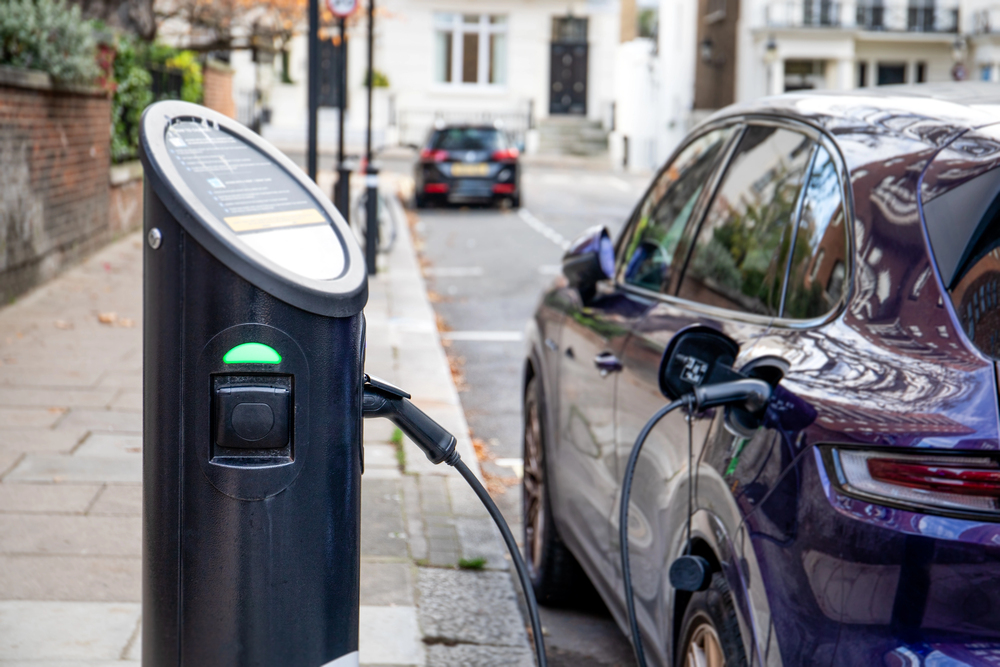
2. Electric Cars: Cleaner Than You’ve Heard, Even With Batteries
That old chestnut about EVs being just as bad as gas cars because of battery production? It’s finally time to put it to rest. The 2025 International Energy Agency report confirms that electric vehicles emit 50% to 70% fewer emissions over their lifecycle compared to gasoline cars even after accounting for battery manufacturing. As the ICCT found, a Tesla Model Y repays its “carbon debt” after only 13,000 miles in the UK. And EVs get cleaner as the grid converts to renewables. And batteries? More durable than ever, with fewer than a 0.5% failure rate for EVs made since 2016.

3. Sustainable Fashion: The Label Isn’t the Whole Story
It’s tempting to think that “eco-friendly” labels translate to a guilt-free closet. But the 2024 Changing Markets Foundation report revealed that most of the fast fashion market engages in dishonest greenwashing practices, with synthetic materials and producing styles in warp speed. As Wren Montgomery, co-founder of Greenwash Action Lab, warns: “It can keep smaller, actually sustainable players out of the same market.” The best sustainable choice? Buy better, buy less, and seek out third-party certifications such as GOTS or OEKO-TEX.
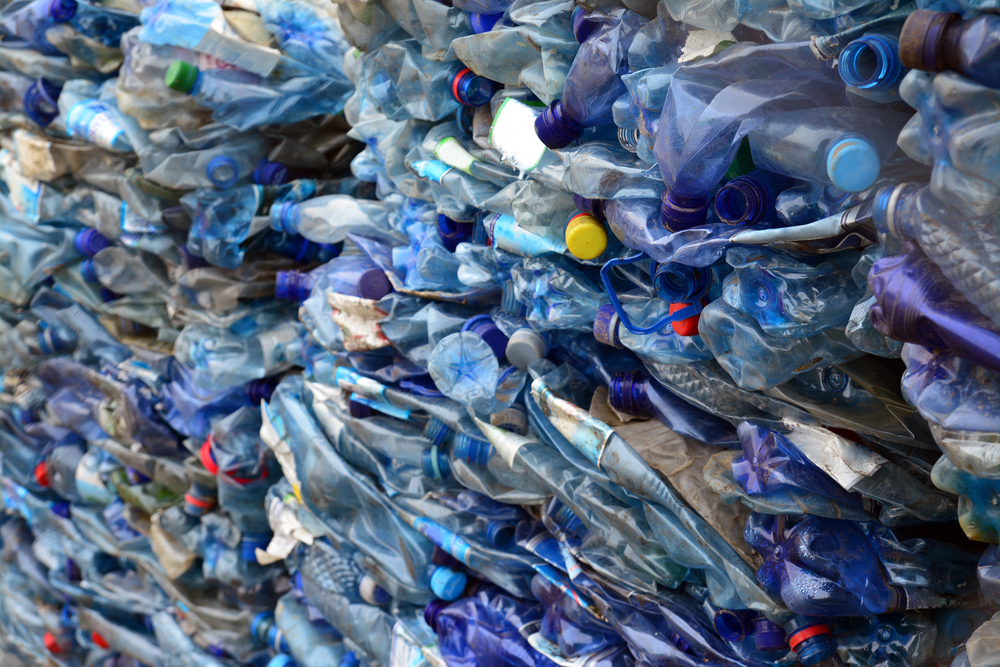
4. Recycling: Not the Hero We Hoped For
That satisfying clunk of a plastic bottle in the recycling bin? It’s not as heroically world-saving as we’d like. As the 2025 OECD report illustrates, a mere 9% of the world’s plastic waste is recycled. Most plastics have a limited second act: they can be recycled once or twice before they disintegrate, and few can be recycled in the first place. The real solution? Cut back on plastic use and take part in policies that treat the problem at its origin not merely at the trash can.

5. Renewable Energy: Now the Cheapest Power on the Block
Don’t forget what you learned during the 2010s wind and solar are no longer for dreamers and the rich. BloombergNEF’s 2025 report shows that wind and solar are now the cheapest source of new power to more than 80% of the world. It is less expensive to build new solar farms in most of the world, indeed, than to run aging coal plants. The financial tide is turning, and fossil fuels are losing the cost battle.

6. Personal Choices: They Matter But Aren’t the Whole Story
There’s still a residual myth that your personal actions are either the solution or irrelevant. The truth? They matter, but not magic. Climate Action Tracker’s 2024 report illustrates that lifestyle change must be paired with systemic policy in order to meet climate goals. Nevertheless, when millions choose greener options, it sends the message to business leaders and lawmakers alike that going green is not up for debate. Your decisions are part of an overall landscape so continue to make them, but insist that action materialize from the top too.

7. Greenwashing: What to Be Wary Of and What to Believe
Greenwashing pervades everything, and it’s more subtle than it used to be. “Words like ‘all-natural,’ ‘eco-friendly,’ ‘clean,’ and ‘sustainable,’ which have no concrete meaning, should be a red flag,” is what Wren Montgomery says. Many environmental labels are not strictly regulated, so look for sound third-party certifications such as B Corp, Energy Star, FSC, or USDA Organic. If a company’s claims seem vague or too good to be true, ask for proof or shop elsewhere. As CR’s Sara Enright puts it: “Firms that are trying to lessen the environmental harm caused by their operations should be able to set out clearly what they’re doing. Those that can’t might, in fact, be greenwashing.”

Going green isn’t about perfection it’s about progress, transparency, and making choices that actually move the needle. The next time you’re faced with a dizzying array of green claims, remember: the most impactful actions are often the simplest and most honest. Buy less, ask questions, and support the solutions that are truly making a difference. The planet and your peace of mind will thank you.

