
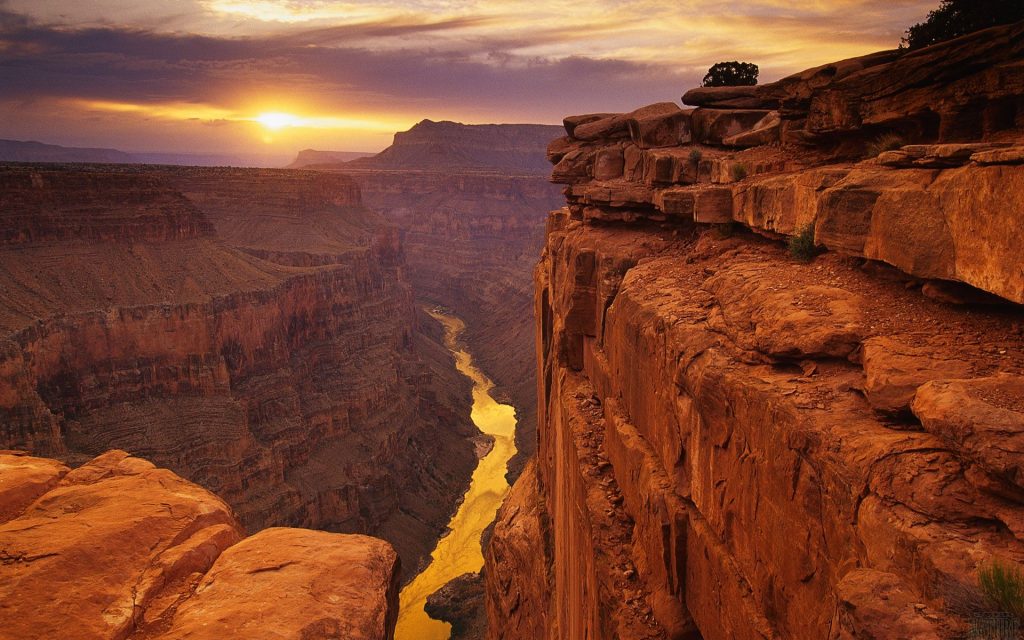
One lightning bolt spark has already incinerated over 105,000 acres outside the Grand Canyon, making Dragon Bravo Fire the largest U.S. continental wildfire so far in the year. And with the fires still burning, the word “megafire” is more than a newspaper headline – it’s an on-the-ground fact redefining the landscape, the community, and our emotional lives, all of which are precious here in this beloved land.
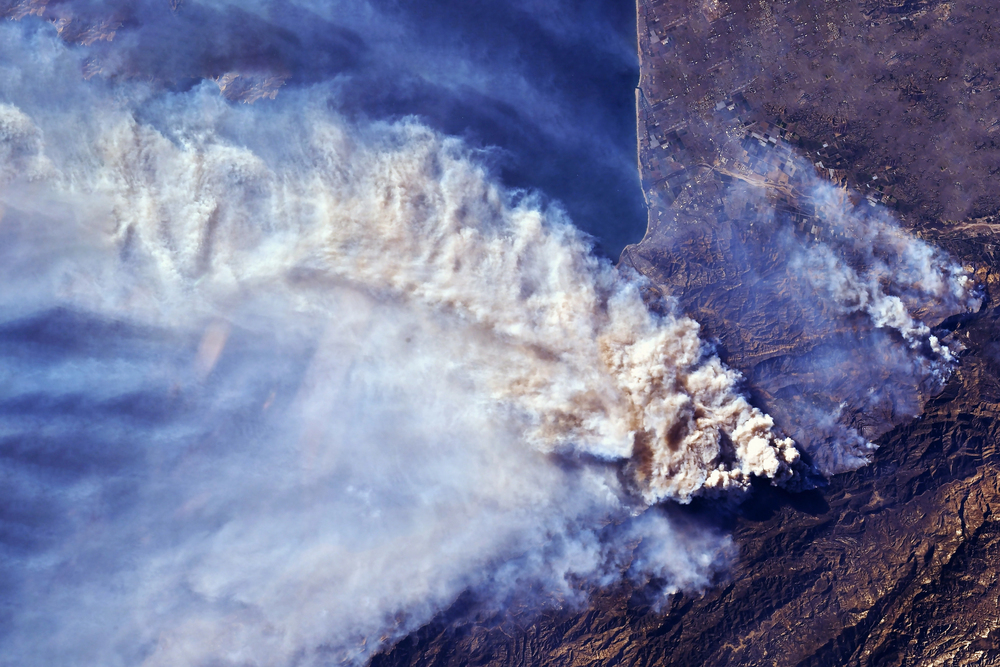
1. How a Wildfire Becomes a ‘Megafire’ and Why It Matters
At 100,000 acres, a wildfire is a “megafire” a status held by only around 3% of fires, but one that covers most of America’s annual land burned. Dragon Bravo Fire is the first to reach that milestone in 2025, eclipsing Oregon’s own Cram Fire. According to the National Interagency Fire Centre, “We’re in the heart of summer, and the heart of the fire year.” The fire’s explosive growth, doubling in size in just days, has been fueled by bone-dry vegetation, intense heat, and relentless winds.
2. A Historic Loss: The Grand Canyon Lodge and North Rim
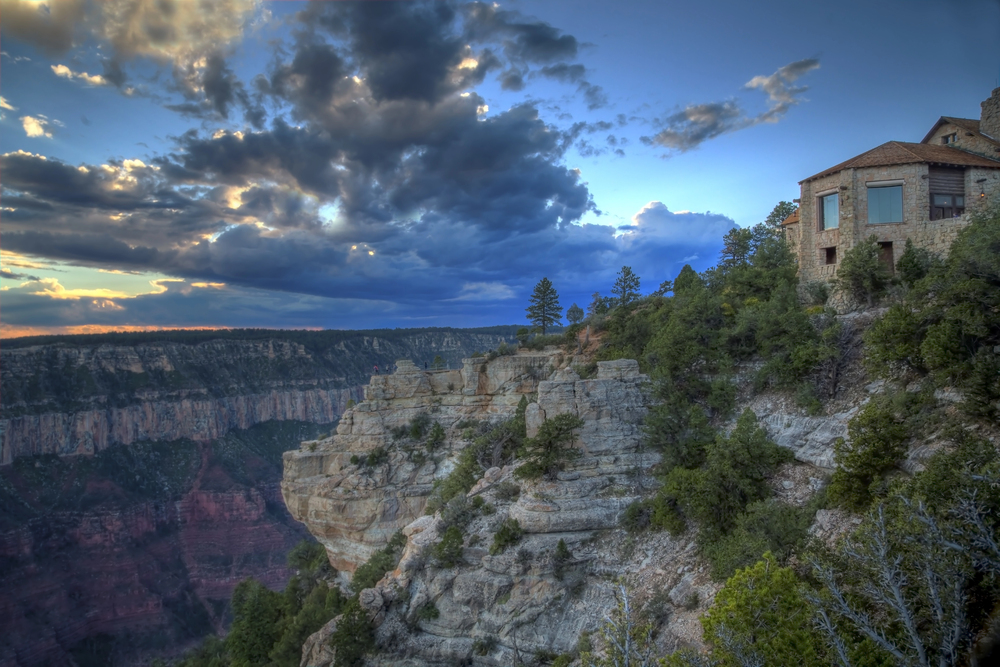
For decades, the Grand Canyon Lodge had been a warm-over haven, a snug retreat on the North Rim, with canyon views and an air of eternal adventure. It was constructed in 1937 after a kitchen fire burned down the original one. It survived snowstorms, economic depression, and tourist families until now. The Dragon Bravo Fire destroyed the lodge, cabins, and at least 70 other buildings, such as the visitor centre and employees’ housing. As the operator of the lodge, Aramark, had it: “We are relieved that all of our employees and guests have been safely evacuated, and we grieve with the National Park Service the loss of these historic and beloved landmarks.” The North Rim will be closed through the remainder of the season, and locals and visitors alike are grieving the loss.
2. Weather: The Relentless Enemy
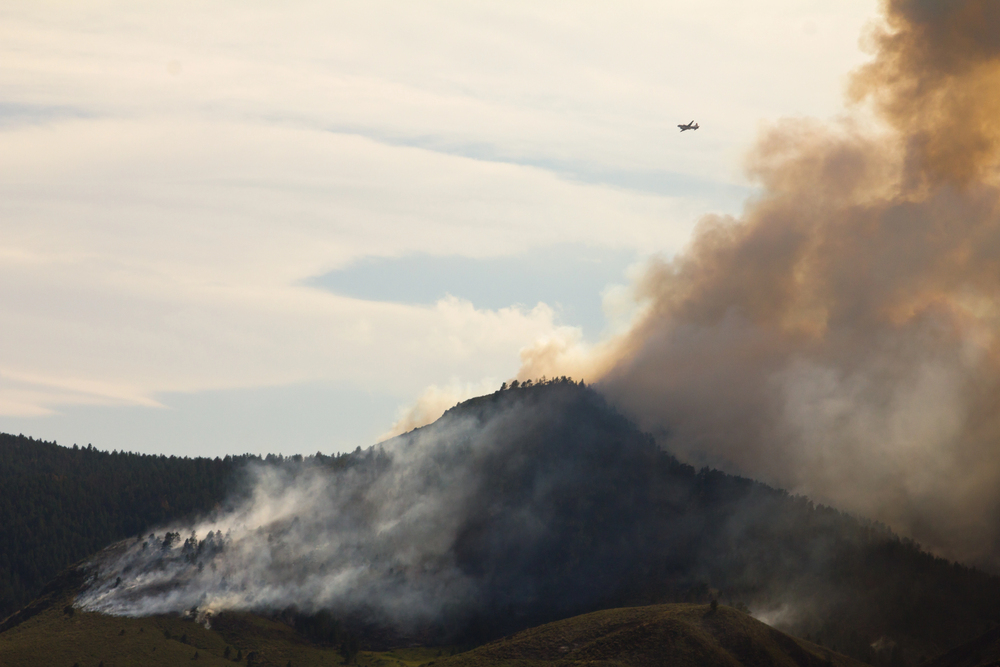
Firefighters have been battling conditions nearly impossible to fight, with heat advisories of 114°F heat and gusty winds with no rain on the horizon. “The weather forecast is for increasingly stronger winds than Tuesday and very low humidity. Dry, gusty conditions continue throughout the weekend,” fire officials cautioned. The fire has even created its own weather, with “pyrocumulus” clouds developing over the fire for a minimum of seven consecutive days. These fire-spewing clouds also produce lightning and bursts of wind, which can pose a danger of starting new fires or rekindling smouldering spots. Situations are not apt to get any better in the near future, and air quality continues to be poor for much of the area.
4. The Psychological Effect: Living in Fear of Wildfire
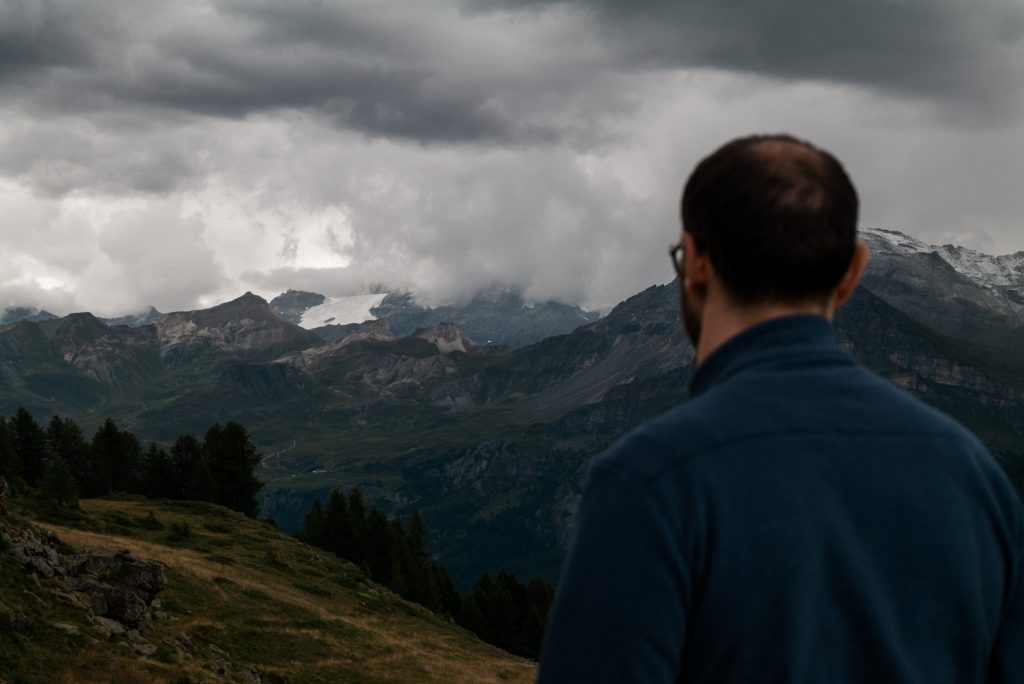
Wildfire risk poses more than physical harm; wildfire has the power to unleash fear, sorrow, and even post-traumatic stress, particularly in those who have lived through previous catastrophes. “After all, the surprise and newness of these events per se are stress-provoking,” explains Dr. Elissa Epel, PhD. Professionals suggest not watching so much news, staying informed, and concentrating on what you can control. If you or someone around you is feeling anxious or stressed, the Disaster Distress Helpline (1-800-985-5990) is available 24/7. “Take regular breaks from watching the news.” Take it easy on yourself and the emotions you might be feeling, instructs the County of Sonoma Emergency Readiness team.
5. Community Resilience: Building Solidarity After Disaster
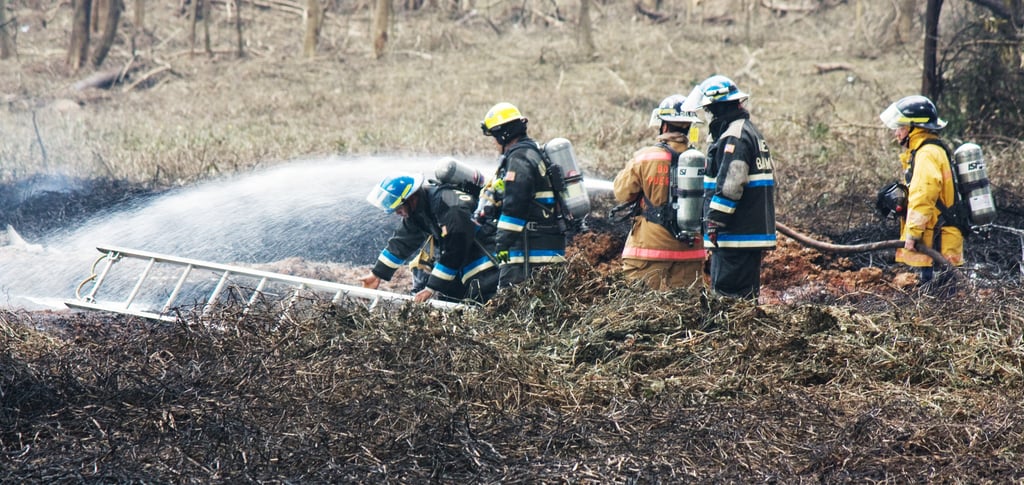
Community solidarity becomes a lifeline after devastation. The Grand Canyon Conservancy and United Way of Northern Arizona have established specific funds to aid the impacted, offering food, shelter, and long-term recovery services. “Efforts will assist long-term recovery, repopulation, and reconstruction in the years to come,” states GCC CEO Liz Silkes. Volunteering or giving isn’t only expedient, it’s a healing way of regaining some sense of control and connection during uncertain times. As Representative Mae Peshlakai said, “I look forward to working to help our communities heal, restore and rebuild what has been lost.”
6. Wildfire Readiness: Practical Steps for Safety
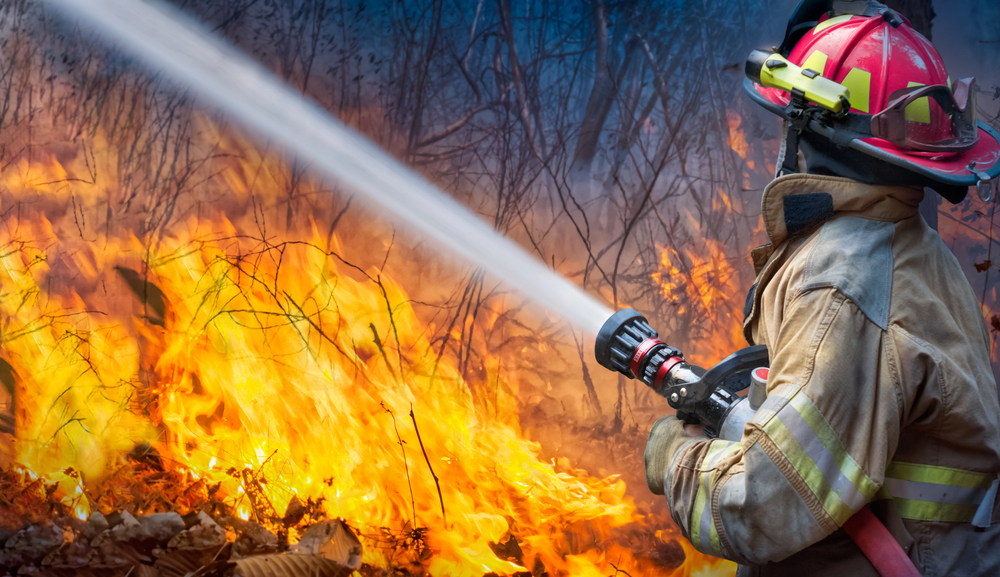
For homeowners, visitors, and nature enthusiasts as well, preparation is the key. Experts recommend that each person have a “go-bag” with the five P’s: personal belongings, people and pets, prescriptions, papers, and valuables. Before leaving, switch gas and electricity off, lock up valuables, and have all family members know a designated meeting spot. Time permitting, close blinds and curtains, take outside flammable items in, and secure hoses to spigots. Keeping up with notifications avoids allowing fear in and also means you won’t catch up on important updates in the moment. View the complete evacuation list and home safety tips.
7. Protecting Your Health: Smoke, Heat, and Well-being
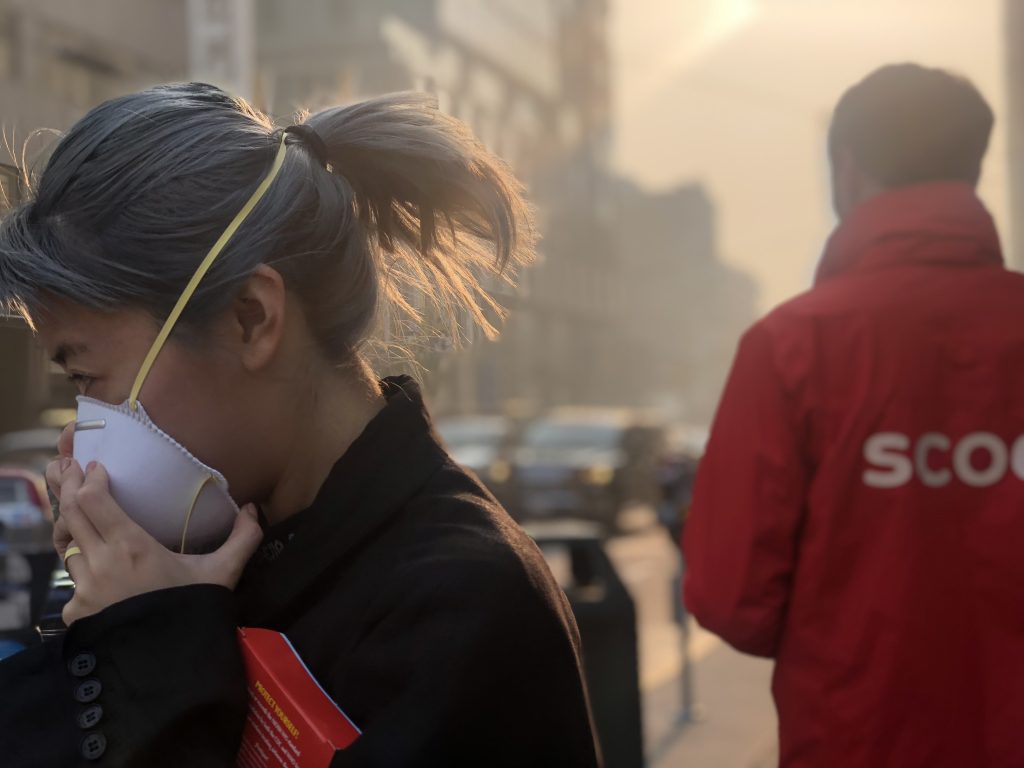
Wildfire smoke is not only an external issue inside it affects everyone, particularly individuals with breathing issues. The CDC advises remaining indoors with windows shut, utilising HEPA air purifiers, and in case you need to venture outside, wearing KN95 or N95 masks. “The best option for avoiding negative health impacts from wildfire smoke is to limit exposure by remaining inside with windows shut and circulating the air to make it cleaner,” advises Dr. John Balmes. In extremely hot weather, drink lots of fluid, don’t wait until you feel thirsty. Seek air-conditioned places, wear lightweight clothing, and avoid outdoor activity. If you’re feeling the effects of smoke or heat, seek medical attention, especially if you’re in a vulnerable group.

8. Helping Kids and Families Cope
Kids tend to mimic the emotional reaction of adults who are close to them. Specialists recommend maintaining routines as usual as possible, acknowledging emotions, and avoiding exposure to painful news. “Let your kids understand that their emotions are real. They may be fearful, confused, or upset,” suggests the American Psychological Association. Drawing and play, as creative pursuits, can help a child understand what is going on. Observe for mood, sleeping, or eating changes, and get professional help if necessary.
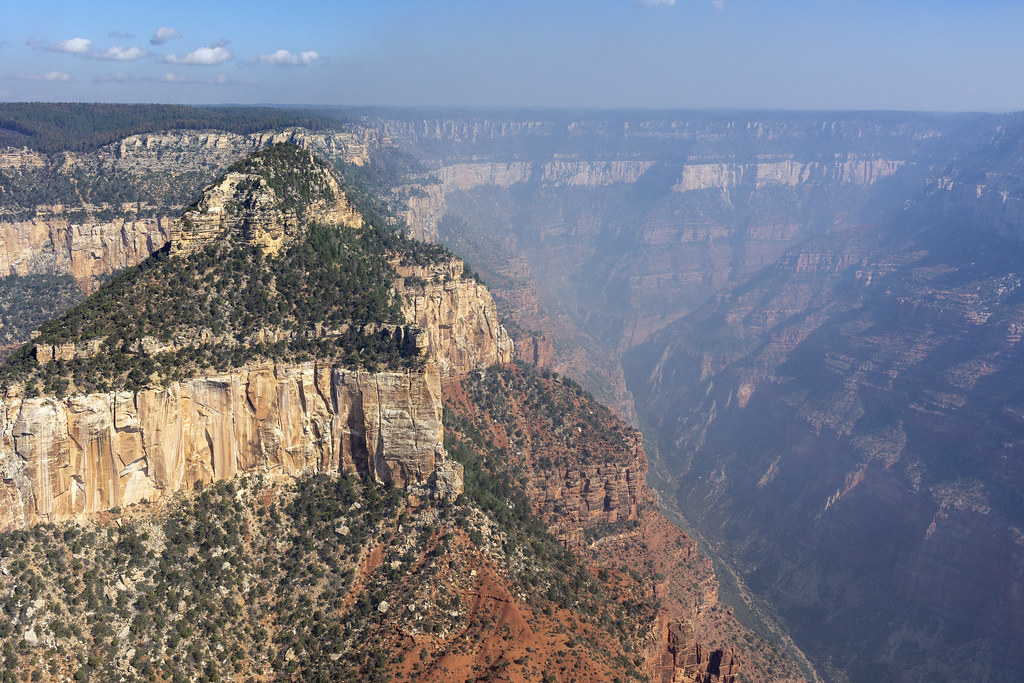
While the Dragon Bravo Fire continues to burn, the people of the Grand Canyon are demonstrating that resilience is not merely surviving the blaze it’s about caring for one another, being prepared, and seeking out those sparks of hope and connection in the shadow of loss.

