

Let’s get real: politics in 2025 isn’t just in the headlines it’s in our minds. With each click, swipe, and soundbite, Americans are bombarded with speculation about the mental ability of those at the highest levels of power. This year, the rumor mill about President Trump’s mental and physical abilities has reached a boiling point, with debates not only over the man himself, but over the way we talk about mental health in the public discourse.
But here’s the thing: behind the meme-ridden outrage and furious tweets lies a bigger story about ethics, media responsibility, and collective worry that comes with a 24/7 news environment. What’s actually on the line when politicians’ mental health is called into question and how does this affect us all watching? Here’s what all engaged citizens need to know about the mental health arguments surrounding American politics now.
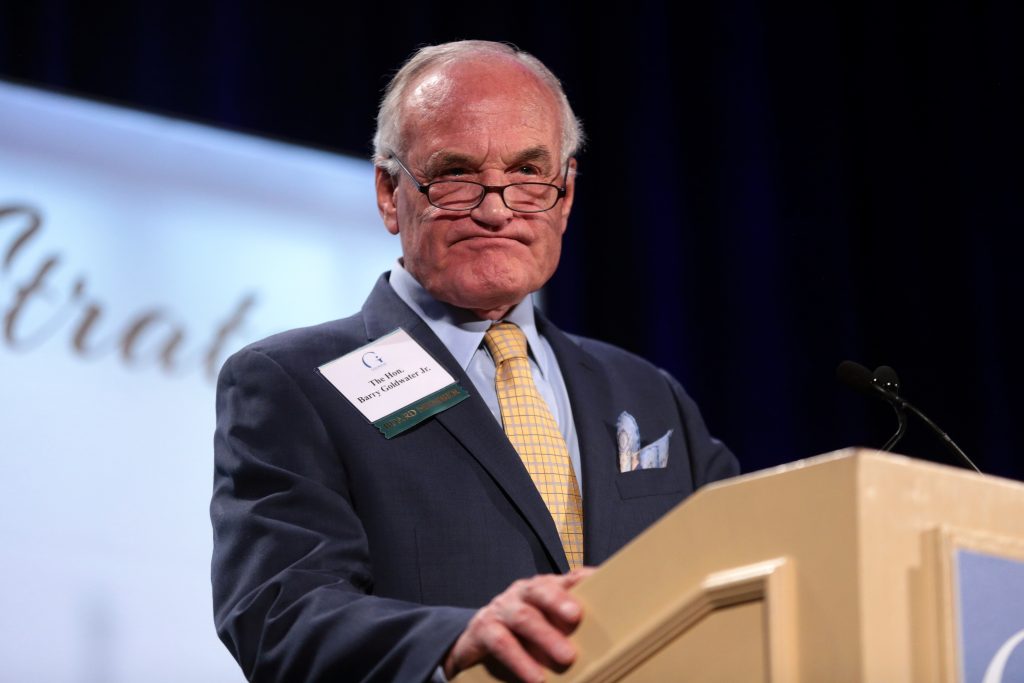
1. The Goldwater Rule: Why the Experts Don’t Speak Out on Distant Diagnoses
Guessing a leader’s mental state is nothing new, but there’s a reason that most psychiatrists won’t give their opinion from afar. The Goldwater Rule a title coined after a 1964 controversy is an admonishment not to diagnose public figures in the absence of an in-person examination and consent. As Dr. David Goldbloom summarized it, “You can’t do that from having read an article or watched television.” The rule was instituted after psychiatrists publicly speculated about Barry Goldwater’s sanity for office, and it engendered criticism and a landmark ethic standard.
However, certain mental health professionals argue that there is a “duty to warn” if they believe that a leader poses a threat. But as the American Psychiatric Association pointed out, “A proper diagnosis requires much more than a review of television appearances, tweets, and public comments.” Remote diagnoses would erode trust in medicine and obscure the difference between medical opinion and political activism.
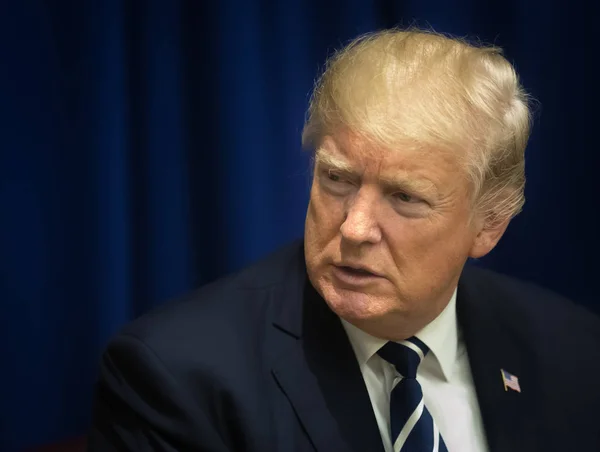
2. Trump’s Health: What the Latest Medical Reports Actually Say
President Trump’s health has been the subject of speculation for months, especially after photos of his puffy legs and bruised hands. The White House responded with transparency: Trump underwent a complete exam, including vascular studies and an echocardiogram. The result? Chronic venous insufficiency a harmless, benign condition in someone over 70. As CNN was told by Dr. Jeremy Faust, “This is a pretty normal part of aging, and especially for someone in the overweight to obese category.”
Notably, no evidence of deep vein thrombosis, arterial illness, or heart failure was found. The following memo by the White House doctor emphasized, “All results were within normal limits.” Slight bruising was put down to overzealous handshaking and routine aspirin taking. The official spin: “President Trump remains in excellent health.”

3. Political Stress Is Wrecking America’s Mental Health
It’s not only politicians in the spotlight 77% of U.S. adults now report the future of the country is a major source of stress. That’s up from 52% in 2016, and the figures continue to rise. Researchers have discovered that political worry can result in lost sleep, strained relationships, and even physical symptoms such as headaches and stomach problems.
As Dr. Brett Ford puts it, “There’s a strong case to be made that for many people, politics is a form of chronic stress.” Endless news cycles, arguments, and legal battles have turned political engagement into a health hazard for millions.
4. Media Literacy: Your Secret Weapon Against Misinformation
In a world where the news can become viral in the space of seconds, media literacy is not just smart it’s self-care. Health misinformation runs rampant on the internet, and Americans are most vulnerable. As one recent study found, only 14% of the population in the United States has competent health literacy.
It recommends verifying the source, looking for scientific evidence, and being wary of sensationalism. “Media literacy is not just a skill it is self-care,” says Public Health – Dayton & Montgomery County. Before hitting post on that eye-popping headline, give yourself a minute to fact-check. Your mental health and your community’s is counting on it.
5. The News Cycle Is Fueling ‘Headline Stress Disorder’
If you find yourself catching your pulse racing every time you scan the headlines, you’re not alone. Psychologists have coined terms like “headline anxiety” and “doomscrolling” to describe the emotional impact of constant political reporting. As Dr. Don Grant observed, “They’re perseverating on it it’s bothering them.”
Excessive news exposure especially on social media has been found to be connected with depression and anxiety. What can be done? Set boundaries. Experts say minimize news checks, turn off notifications, and designate time as tech-free zones. “Scrolling more on Twitter is not going to be in service of that value, or of any value that one might have,” said Dr. Matthew Price.

6. Political Anxiety: Real Symptoms, Real Solutions
Political anxiety is more than just a buzzword it’s a growing mental illness. Sleeplessness, restlessness, muscle tension, and feelings of hopelessness are just a few symptoms that could present themselves. For others, the anxiety will reach a point where it invades daily life and relationships with others.

Experts recommend exercise, mindfulness, and social activism combined. Deep breathing, yoga, and setting limits on watching news are the solutions. According to Dr. Steven Stosny, “If you try to go cold turkey, your imagination of what might be happening tends to be worse than what actually is happening.” Being knowledgeable is the way out without politics taking over your peace of mind.

7. Why Balanced, Respectful Language Matters in Mental Health Arguments
Words do make a difference when discussing mental health especially in politics. The American Psychiatric Association urges media and citizens to use language that diminishes stigma and focuses on the person, not the diagnosis. Best: “He was diagnosed with bipolar disorder.” Worst: “He was mentally ill.”
A thoughtless or insulting word can increase misunderstanding and reinforce stereotypes. Indeed, reports the APA, “Most people with mental illnesses are no more likely to be violent than those without a mental health disorder.” Thoughtful reporting and conversation can help engender increased understanding and reduce the stigma of mental illness for everyone.
President Trump’s mental and physical health has been the subject of controversy, but that’s just the beginning. The real stakes are how Americans will navigate their way through a political landscape that’s filled with speculation, worry, and misinformation. By understanding the ethical boundaries, media sophistication, and self-care, citizens are able to stay informed without going crazy. When politics is personal, protecting your mind is a form of civic activism.

