
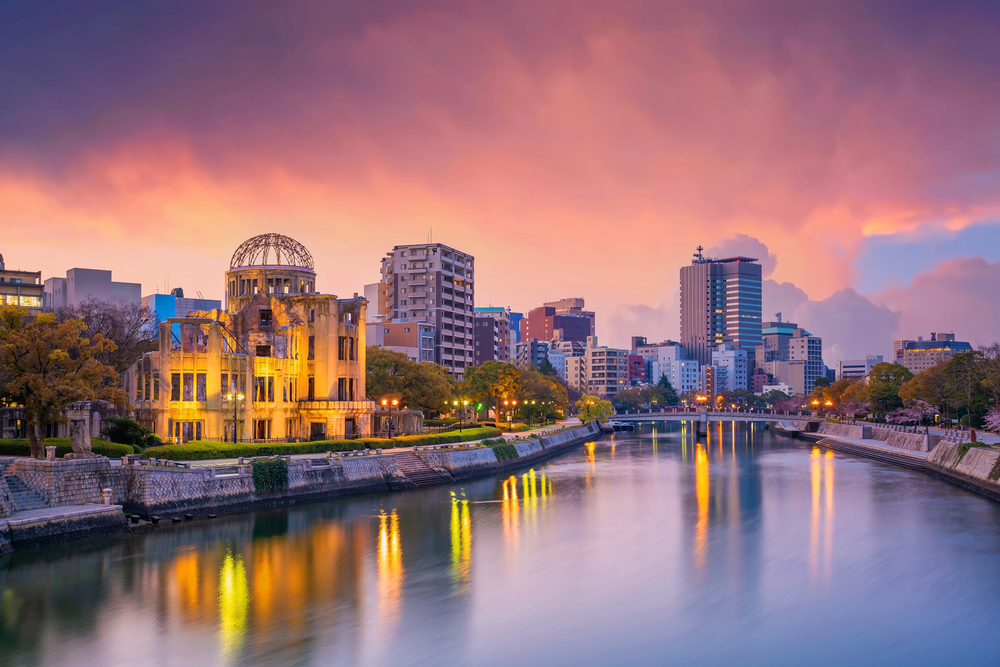
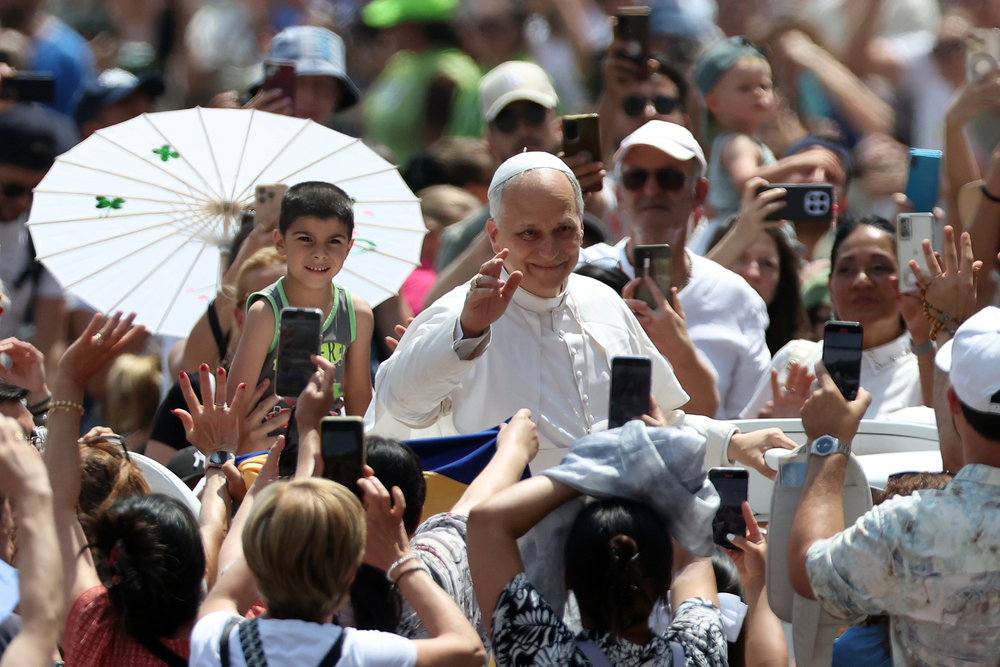
Eight decades since the atomic bombings of Nagasaki and Hiroshima, the world continues to struggle with this question: How do we pay tribute to the dignity of creation when there are nuclear weapons? “Nuclear weapons insult our common humanity and violate the dignity of creation, whose harmony we are charged to protect,” Pope Leo XIV proclaimed in a message marking the anniversary, repeating a standard of moral discernment that has come to characterize Catholic peace teaching. His words, read in Hiroshima by Archbishop Francisco Escalante Molina, didn’t simply remember history; they challenged the international community to reimagine security and solidarity.

1. Moral Revulsion and the Appeal to Human Dignity
The Pope’s denunciation of nuclear weapons is not merely a matter of policy; it’s a moral protest. When he said, “Nuclear arms offend our shared humanity and also betray the dignity of creation, whose harmony we are called to safeguard,” he launched a faith-based campaign that elevates human life and the integrity of creation above any political or military calculation. This appeal is not an exception: it is in harmony with the Catholic Church’s rich tradition, from Pope Pius XII’s alert that nuclear weapons are “the most terrible weapon that the human mind has ever conceived” to Pope Francis’s uncompromising statement, “The use of atomic energy for purposes of war is immoral, just as the possessing of nuclear weapons is immoral … How can we speak of peace even as we build terrifying new weapons of war?”
2. Hiroshima and Nagasaki: Living Reminders, Not Just History
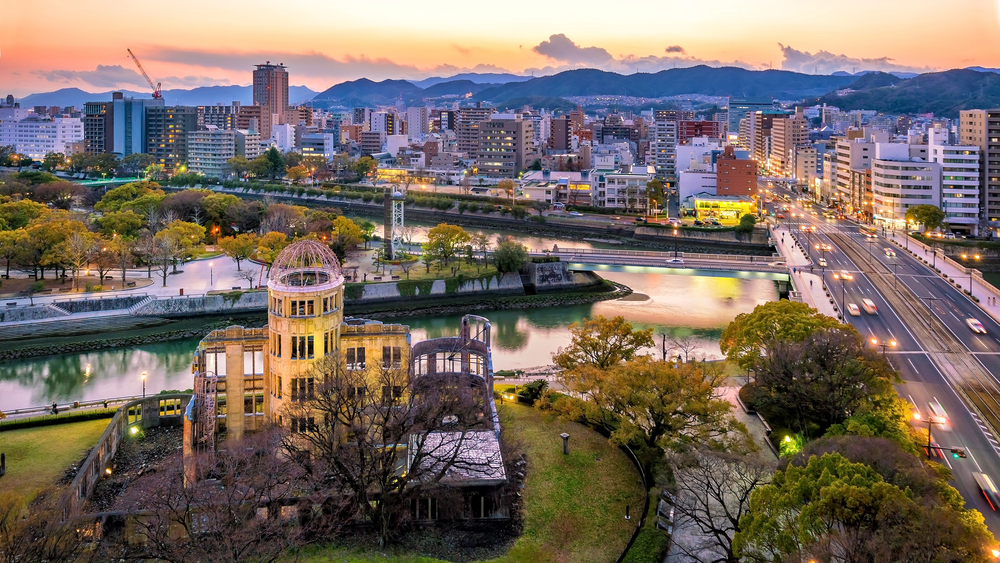
The wounds of Hiroshima and Nagasaki are not merely carved in stone; they remain in the hearts and testimony of the hibakusha, survivors. Pope Leo XIV spoke of “sentiments of respect and affection for the hibakusha survivors, whose testimony of loss and pain is a timely call to all of us to create a safer world and an environment of peace.” The cities themselves, their streets and homes, are “living reminders of the deep horrors that nuclear weapons have created.” This living memory is a call to vigilance and a spurning of complacency. As Masako Wado, assistant secretary general of Nihon Hidankyo, emphatically cautioned, “The risk of using nuclear weapons has never been higher than it is now.”
3. Abandoning the Illusion of Security
For decades, humanity has believed in the doctrine of mutually assured destruction, believing that fear itself would maintain peace. Pope Leo XIV contradicts this, citing his predecessor: “War is always a defeat for humanity.” He calls us to “reject the illusion of security based on mutually assured destruction.” This isn’t so much spiritual rhetoric; it’s a call to question the very basis of global security. As Pope Paul VI once said, peace based on nuclear deterrence is “a tragic illusion.”

4. The Global Ethic of Peace: Justice, Fraternity, and the Common Good
What does real security look like? The Pope’s response is refreshingly blunt: “We must create a global ethic based on justice, fraternity and the common good.” Such an ethic is not limited by borders or ideologies, but calls all persons of good will to create a world in which peace is not armed, but “unarmed and disarming.” The Catholic Church, through programs such as Pax Christi and the Catholic Nonviolence Initiative, has repeatedly espoused this vision, calling for a requirement to “disarm hearts our own, then others’ of ‘poison and resentment,’ the seeds of violence and war, so as to attain lasting military disarmament.”

5. Diplomacy of Faith and Interfaith Action
Religious institutions are not onlookers to this process. Cardinal Silvano Maria Tomasi, an experienced Vatican diplomat, recently described how faith groups can “contribute to the global architecture of disarmament and restraint” by promoting dialogue, prevention, and responsibility. His suggestions include “interfaith verification” programs and “faith-based early warning dialogue platforms,” which would introduce moral oversight and trust into arms control. As Cardinal Tomasi put it, “The Trinity explosion taught us what we are capable of destroying. The challenge before us today is to discover what we are capable of preserving and building.”

6. Success Stories and Current Challenges in Disarmament
Although the road to a world free of nuclear weapons is replete with failures, history also has flash moments of hope. The Non-Proliferation Treaty of Nuclear Weapons (NPT) achieved non-proliferation to most countries, and diplomatic pressure has caused nations such as South Korea and Taiwan to scrap covert nuclear programs. The Comprehensive Nuclear-Test-Ban Treaty (CTBT), although yet to enter into full force and effect, is a testament to the influence of international consensus and steady negotiation.

However, as the Pope and experts would caution us, the elusive ideal of total disarmament continues to haunt the horizon, calling for fresh international resolve and innovative diplomacy.

7. Coping with Nuclear Anxiety: Finding Peace Amid Uncertainty
It’s impossible to discount the psychological burden that nuclear threats impose, as the Doomsday Clock creeps ever closer to midnight. A recent survey revealed that more than 40% of young adults were depressed at the prospect of nuclear war in their lifetimes. For most, these fears can feed into “nuclear anxiety,” an abiding state of fear that interferes with normal life. Mental health professionals suggest interventions such as Exposure and Response Prevention therapy (ERP), which enables individuals to confront their fears without giving way to compulsive actions. As Dr. Patrick McGrath says, “The potential for nuclear war is a great illustration of something a person can’t do anything about. Whether or not we happen to have OCD, we all must live our lives with the understanding that things that are beyond our control, horrible things, may occur.

But this ambiguity doesn’t necessarily need to dominate our lives.” The message of the Pope is unmistakable: the memory of Hiroshima and Nagasaki is not a warning, but an appeal. “May this anniversary call the world to reaffirm its commitment to seeking peace that will finally last for our entire human family a peace unarmed and disarming.” For Catholics and for all peace workers, the call is to bring this ethic into all areas of life, confident that the process of peace starts in the heart, flows outward through community, and molds the world we pass on to future generations.”

