
An insightful quote from Brig. Gen. John Lubas starts us off: “These soldiers, without a doubt, prevented further casualties or wounded.” But as the smoke settles following the Fort Stewart shooting, an even deeper question hovers in the air: How safe are our military bases, really? And what can be done to safeguard those who serve, beyond simply running more drills or locking more doors?
1. The Repeating Pattern: Insider Threats Reveal Lethal Holes
The Fort Stewart attack is only the most recent in a disturbing trend. An Army sergeant allegedly fired shots at himself, injuring five before being overpowered by comrades, unarmed but brave. This was not an isolated incident. From Fort Hood to Pearl Harbor-Hickam, the roster of insider attacks lengthens, every time leaving the same chilling questions about base security.
Even with strict regulations prohibiting personal weapons on base, persistent individuals have been able to find their way in with guns, taking advantage of loopholes in procedure and inspection. In the words of veteran prosecutor Eric Carpenter, “All those rules aren’t going to keep somebody from doing what the guy did today.” The fact is, no rule is foolproof against insider attacks, and that means prevention has to be more than the physical kind.
2. Active-Shooter Drills: Beneficial, But No Panacea
The military has long used active-shooter and hostage-rescue exercises to train for the unimaginable. Such drills can minimize casualties at Fort Stewart; the swift action of troops probably saved lives, but they are only partially effective in true chaos. Shock and surprise of an actual assault may be too much even for the best-trained units. As events of late indicate, training can’t ensure absolute safety. Rather, it is one part of a much bigger equation.
3. The Mental Health Connection: Screening and Support as Prevention
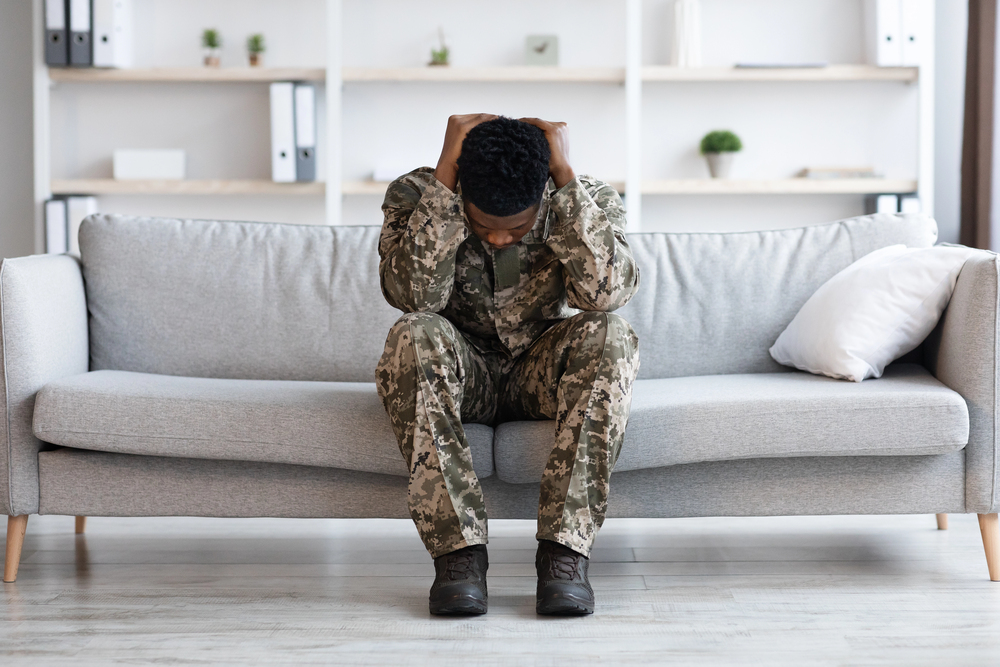
Most of the insider attacks have their origins in untreated mental health issues. Ivan Lopez, the 2014 Fort Hood shooter, had been undergoing treatment for depression, anxiety, and other psychiatric issues. At Pearl Harbor-Hickam, the assailant was in counseling and was reportedly unhappy with his commanders. However, as a recent study by the Defense Personnel and Security Research Center discovered, mass-scale psychological screening of all troops is problematic cost, time, and the potential for applicants to misrepresent themselves. Experts advise intensive screening targeted at the highest-risk groups, coupled with strong support systems. The lesson? Early treatment and continued support are essential, but need to be carefully delivered to prevent unintended effects.
4. True Resilience Building: Trauma-Informed Service Member Training
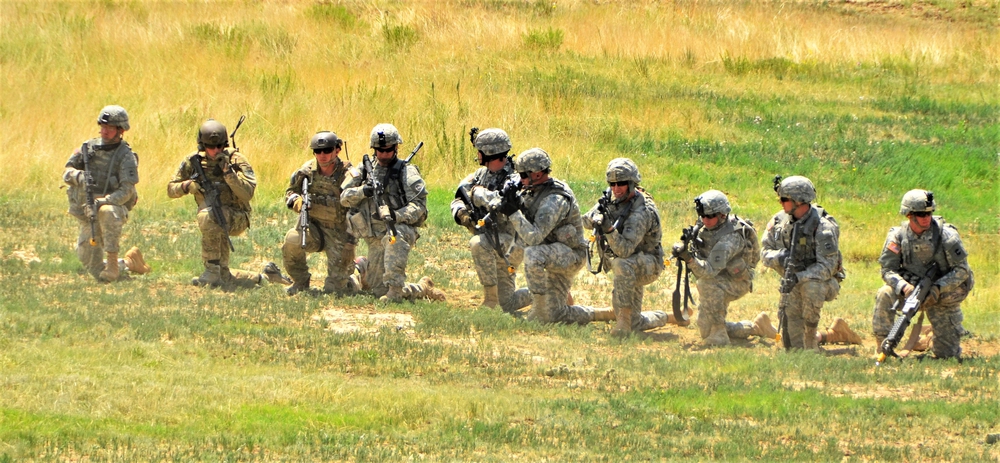
Resilience is not a buzzword; it’s a lifeline. The Department of Defense has made significant investments in trauma-informed resilience programs for all branches, from Comprehensive Soldier and Family Fitness used by the Army to Airmen Resilience Training used by the Air Force. These programs combine universal training, individual coaching, and master resilience trainers at the unit level. Studies indicate that assigned resilience trainer units have higher psychological preparedness and reduced mental health diagnosis rates. According to one report, “Optimism and adaptability, characteristics that MRT-delivered training fosters, are associated with improved outcomes.” Stressors must be measured and addressed on a regular basis, and commanders can identify issues before they become full-blown problems by doing so.
5. Peer Support: Recovering Together After Trauma
Trauma hits hard, and connection is important. Peer support groups provide a welcoming environment where service members and families can share, listen, and heal together. Although not a substitute for professional care, the groups promote trust, alleviate isolation, and assist participants in learning new coping skills. As one expert states, “Knowing that others are going through something similar” can be a healing salve. Military families also gain from specialized initiatives such as FOCUS, which provide resilience training and skill-building suited to their specific difficulties. Support is not only for the individual, it’s for the entire community.
6. Technology and Innovation: Smarter, Safer Bases
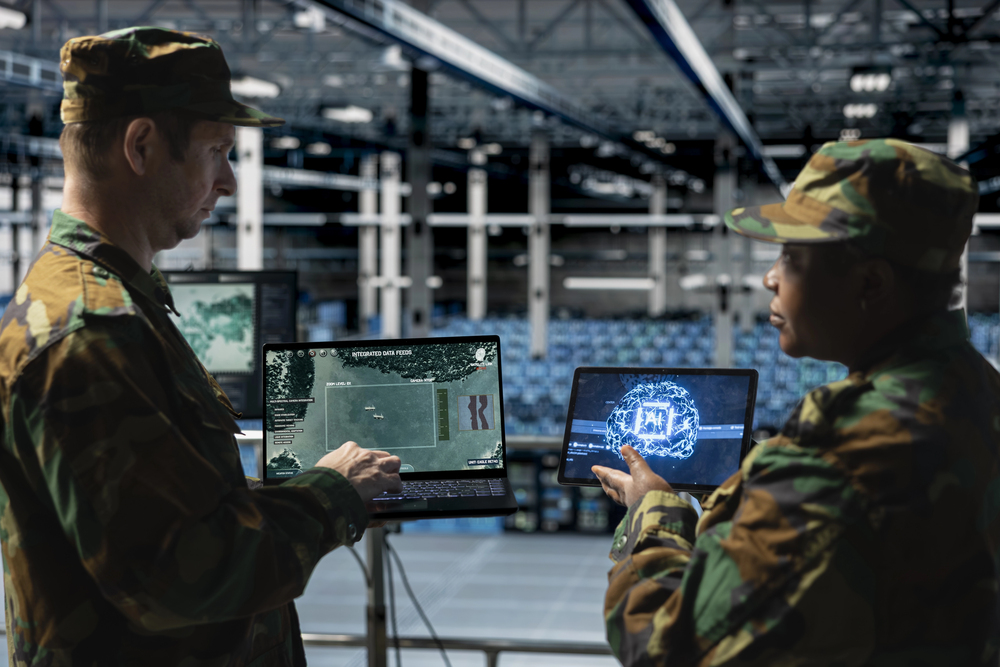
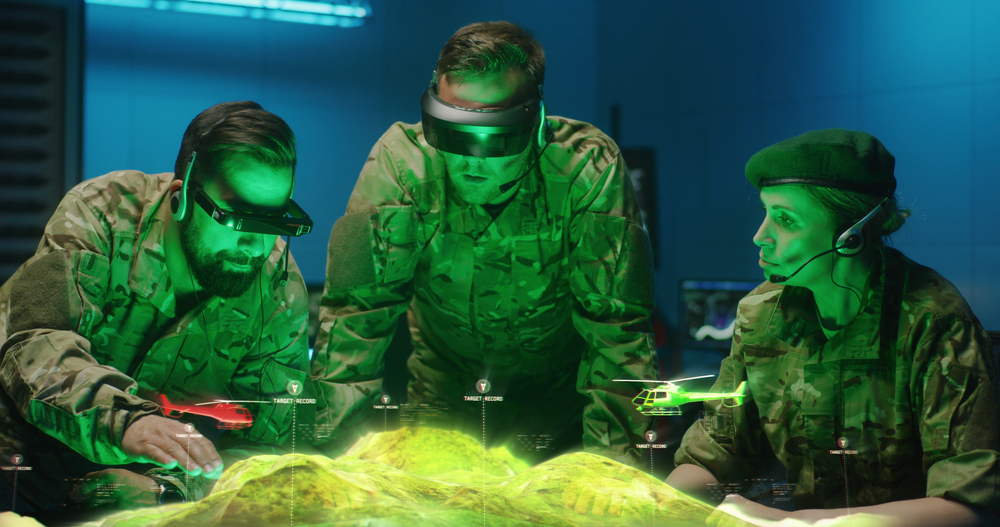
Security is not standing still. The Air Force and Army are adopting next-generation solutions, such as AI-driven threat detection, base defense integration, and intelligent sensors that detect danger before it does. Platforms such as Base Operations now provide a “street-level threat intelligence view,” drawing information from millions of incidents across the globe to deliver real-time risk analysis. As Base Operations CEO Cory Siskind describes it, “The system analyzes data from 200+ million incidents globally, converting raw intelligence into actionable security assessments in minutes, not days.” At Fort Carson, technologies such as driverless shuttles and weather apps fueled by AI are already having an impact, making both safety and daily life on base better. Contemporary security is about connecting people, processes, and technology and never accepting the status quo.
7. The Way Ahead: Multifaceted Solutions to a Wicked Problem
There is no silver bullet that will put an end to insider violence on bases. Rather, the solution exists in a series of layered strategies: more intelligent security systems, routine resilience training, selective mental health screening, and a culture of transparency and support. As Senior Civilian Executive for the Security Forces Enterprise, Ms. Heidi Scheppers said, “The fundamental mission of keeping our people, our property, and our capacity to perform the mission safe hasn’t changed.”. What has altered dramatically in recent years is the technology, tools, and approach to getting the job done.” The military’s drive for innovation, both technological and human endurance, gives us hope that, although perfection may be beyond our reach, progress is not.
For each violent act, there are numerous acts of courage, compassion, and strength of quiet character. The test is real, but so is the resolve to protect, heal, and build together.

