
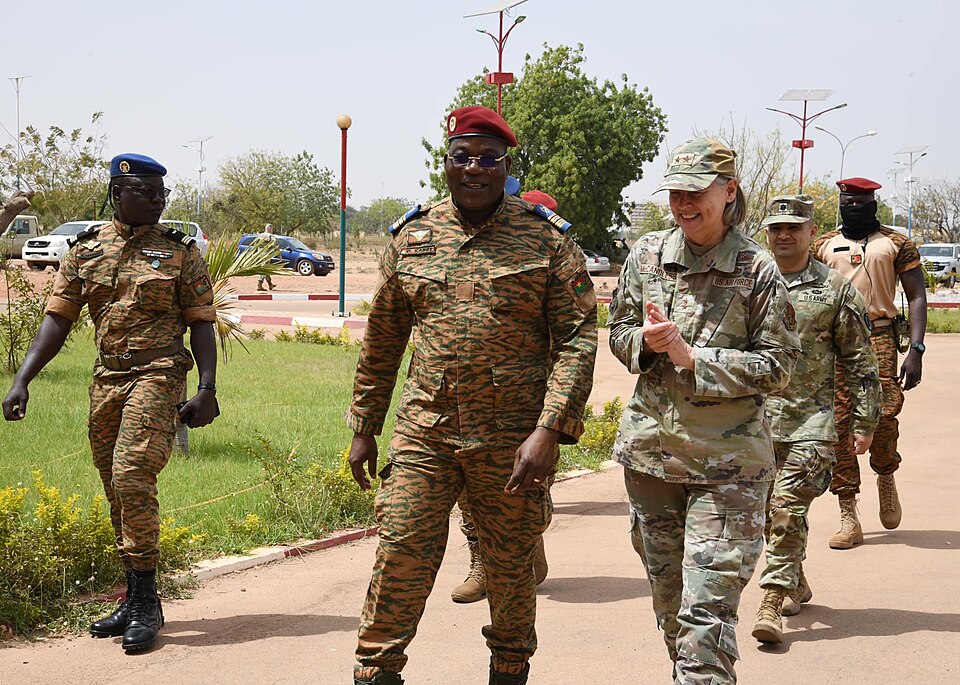
The image of uniformed soldiers marching through the streets of Washington, D.C., can evoke fear for many and rightfully so. Experts note that President Trump’s order to deploy the National Guard to combat overall crime, not an emergency, is a departure from over a century of precedent. For politically conscious citizens and historians as well, the action sends up red flags regarding the balance among public safety, constitutional conventions, and the psychological cost of a military presence in civilian culture.
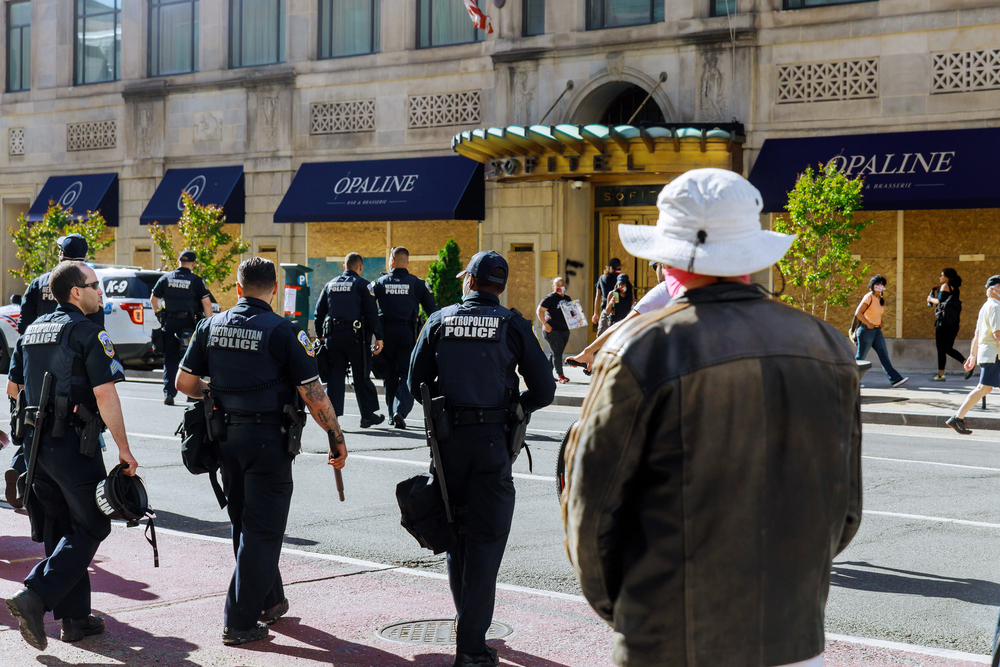
1. A Break with the “Emergency Only” Doctrine
Historically, the domestic role of the National Guard has been preserved for exceptional circumstances natural catastrophes, riots, or enforcement of civil rights. As Joseph Nunn of the Brennan Center described it, “This notion that invoking the military for civilian law enforcement as some kind of ‘break-glass-in-case-of-emergency’ type tool.” Sending troops for ordinary crime control, particularly amidst a decreasing crime rate in D.C., undermines that policy and threatens to condone military participation in day-to-day policing.
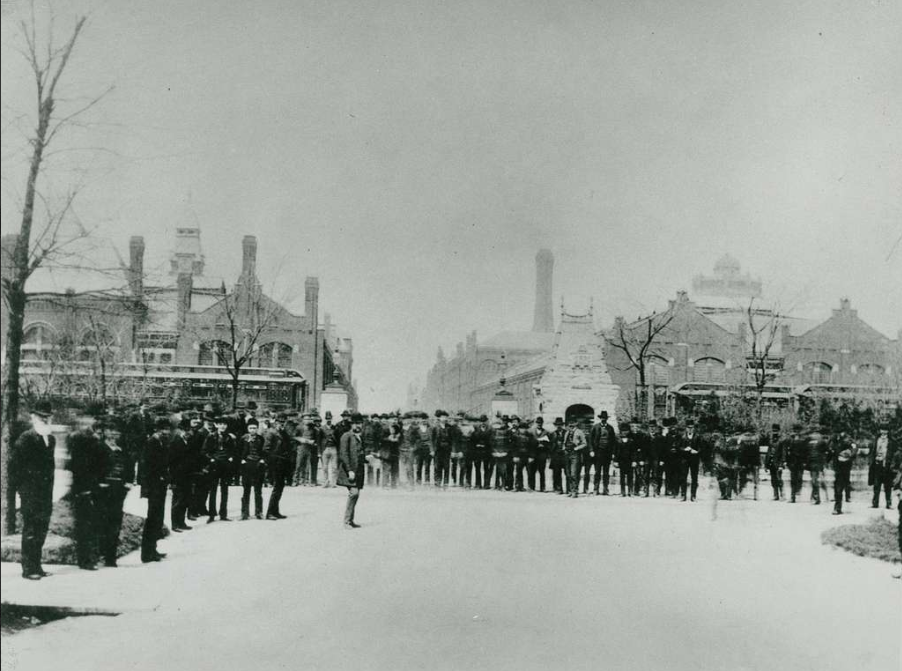
2. Overriding Local Authority An Uncommon Presidential Action
Presidents have rarely overridden governors to federalise the Guard since the Civil Rights period. The last similar case outside of enforcing civil rights is the 1894 Pullman Strike. Trump already set a precedent this past June by federalizing the Guard in California despite the objections of Governor Gavin Newsom. Now, in the nation’s capital where the Guard reports directly to the president he has done so without even involving local leaders.

3. The Posse Comitatus Act and Its Loopholes
The Posse Comitatus Act is meant to keep federal troops out of civilian law enforcement, a safeguard rooted in post-Reconstruction fears of military overreach. But the D.C. Guard’s unique status and the “Title 32” hybrid model create workarounds. Under Title 32, Guard troops remain under state (or presidential, in D.C.) control while performing federally funded missions sidestepping Posse Comitatus restrictions even when engaging in policing.
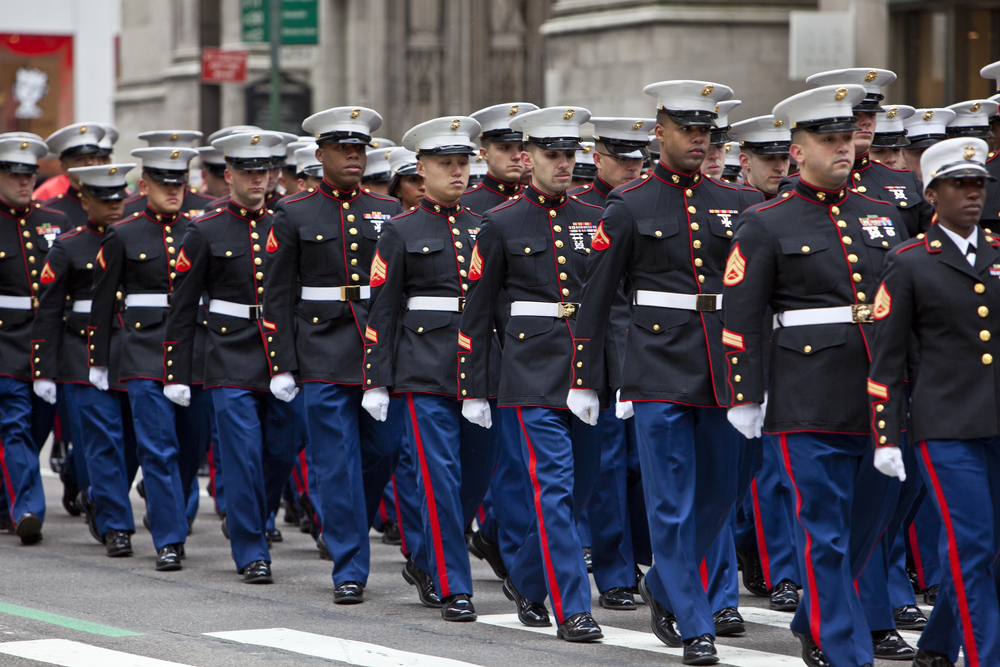
4. Military Training vs. Policing Skills
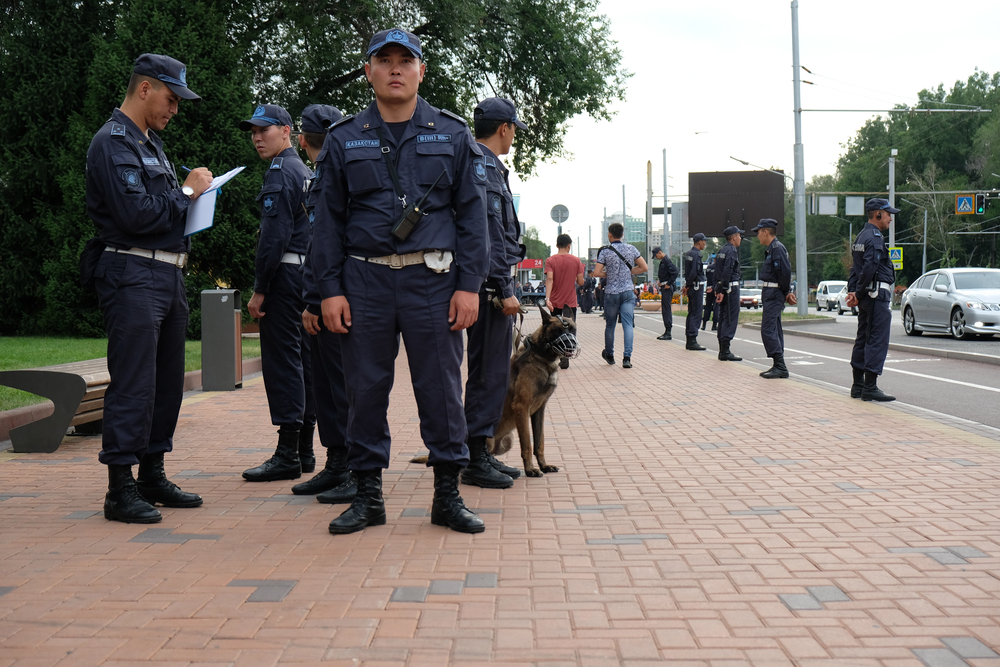
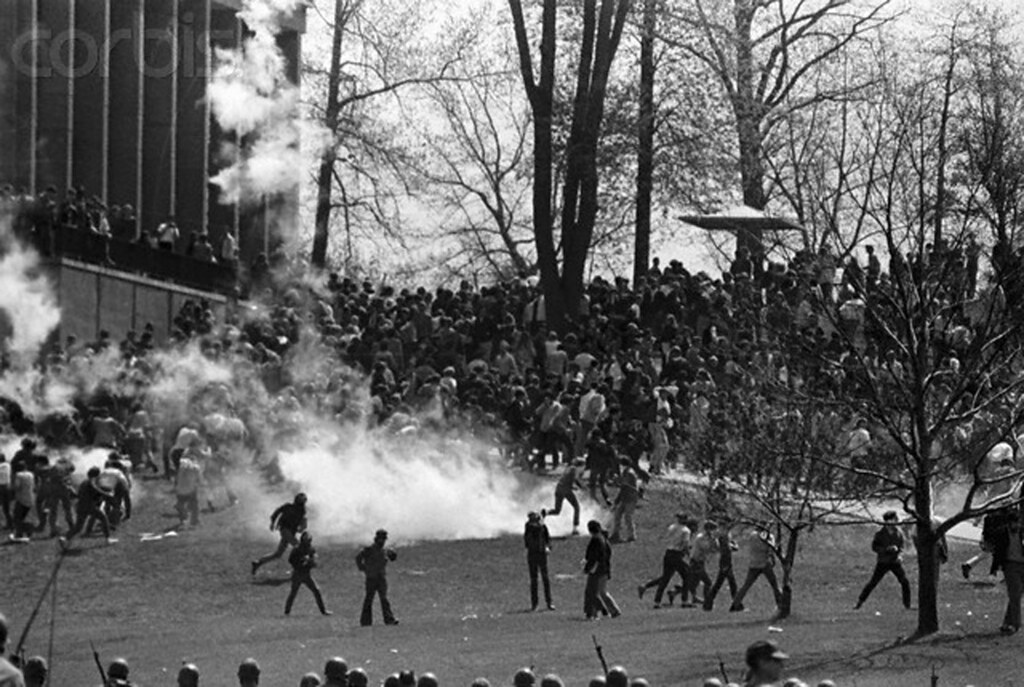
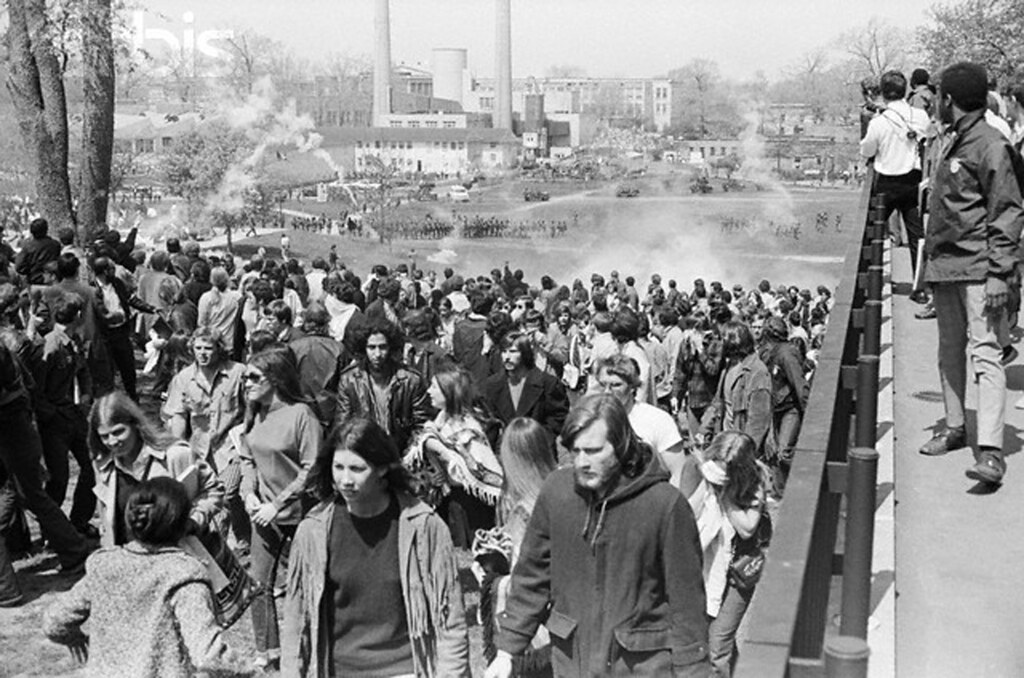
Mark Cancian, a retired colonel in the Marine Corps, cautions that “the military mind-set is wrong” for policing civilians. Police are taught to regard civilians as citizens; soldiers are taught to regard civilians as possible threats. Lacking the subtle, lengthier training that law enforcement officers must have, Guardsmen stand to inflame circumstances particularly if they’re armed. History provides a grim reminder: in 1970, Ohio National Guardsmen shot four students at Kent State University during a demonstration.
5. Psychological Effect on Communities
Having troops around can change the mood of a neighborhood in one night. In D.C.’s Columbia Heights, vendors claim that customers have “just disappeared,” especially those in immigrant communities. “We need more humanity on that part of the government,” states fruit vendor Ana Lemus. The fear of immigration enforcement and the sight of soldiers armed to the teeth can undermine trust and instill long-term fear in communities.
6. The Constitutional Twilight Zone of Cross-Border Deployments
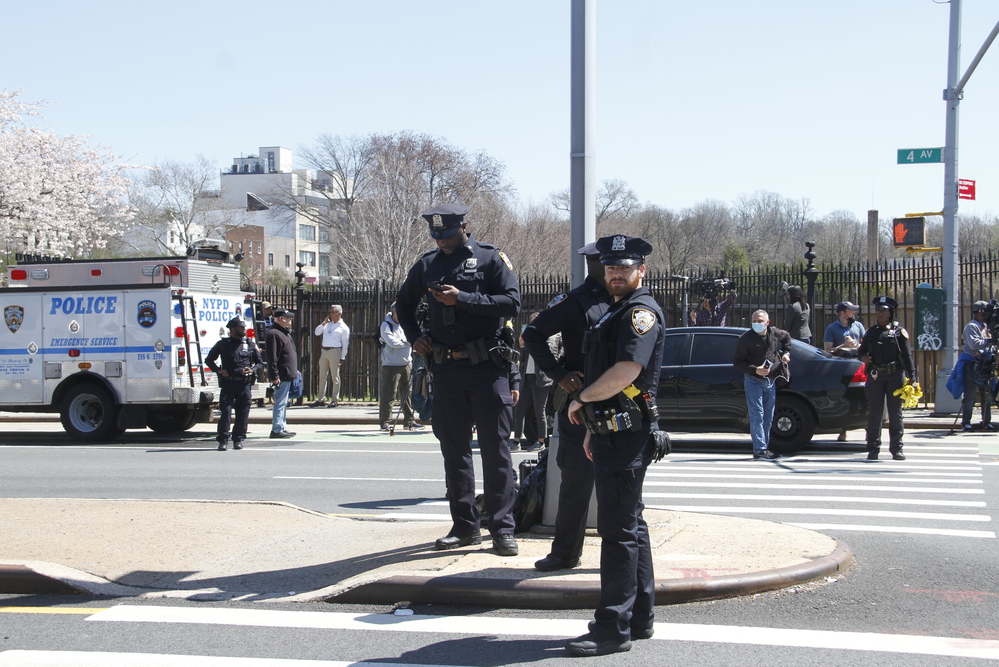
Legal analysts caution that Title 32 would allow Guard units to be deployed from one state into another without permission, something prohibited if the host jurisdiction were a state. In 2020, out-of-state guard soldiers in D.C. were coordinated through the D.C. Guard’s chain of command, essentially putting them under the control of the president without activating Posse Comitatus protections.
7. Civil Rights and Labour History Lessons
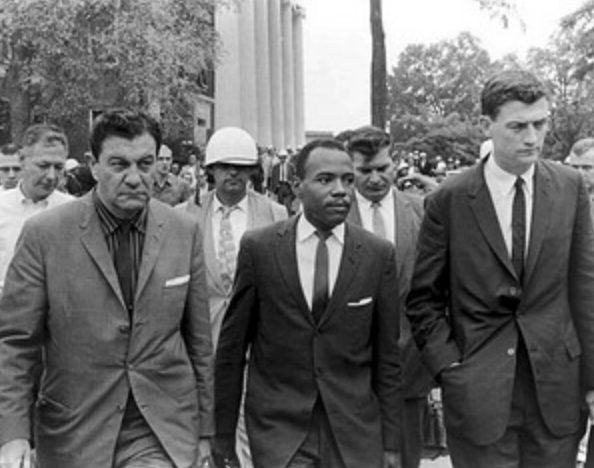
Presidents have overridden local authority in the past for the purpose of advancing civil rights: Eisenhower at Little Rock (1957), Kennedy in Mississippi (1962),and Johnson at Selma (1965). Those deployments were constitutional rights protection, not the expansion of executive police power. Invoking the same power for normal crime control reverses that history.
8. Kent State’s Emotional Legacy
Roseann “Chic” Canfora, a survivor of the Kent State shootings, directly connects inciting rhetoric to violent actions. She remembers political leaders’ words in 1970, conditioning Guardsmen to regard students as adversaries. “We should all learn the lessons from that,” she say,s not least among them, the peril of carrying armed military into civilian protest or policing situations.
9. Why This Moment Feels Different
Trump’s deployment in D.C. is not merely about crime rates; it’s about remaking civil-military norms. As Dartmouth’s John Carey explains, these gestures can “bait” local authorities and heighten tensions, providing a pretext for further repression. Bringing together loopholes in the law, political showmanship, and deployed force, this is a critical moment in constitutional governance.
The strands that wind throughout history, beginning with the Founders’ distrust of standing armies and extending to the horror of Kent State, provide a sharp throughline: military power in domestic society should be exceptional, contained, and necessary due to exceptional need. When that baseline begins to break down, so can the public’s feelings of security, confidence, and democratic stability.

