
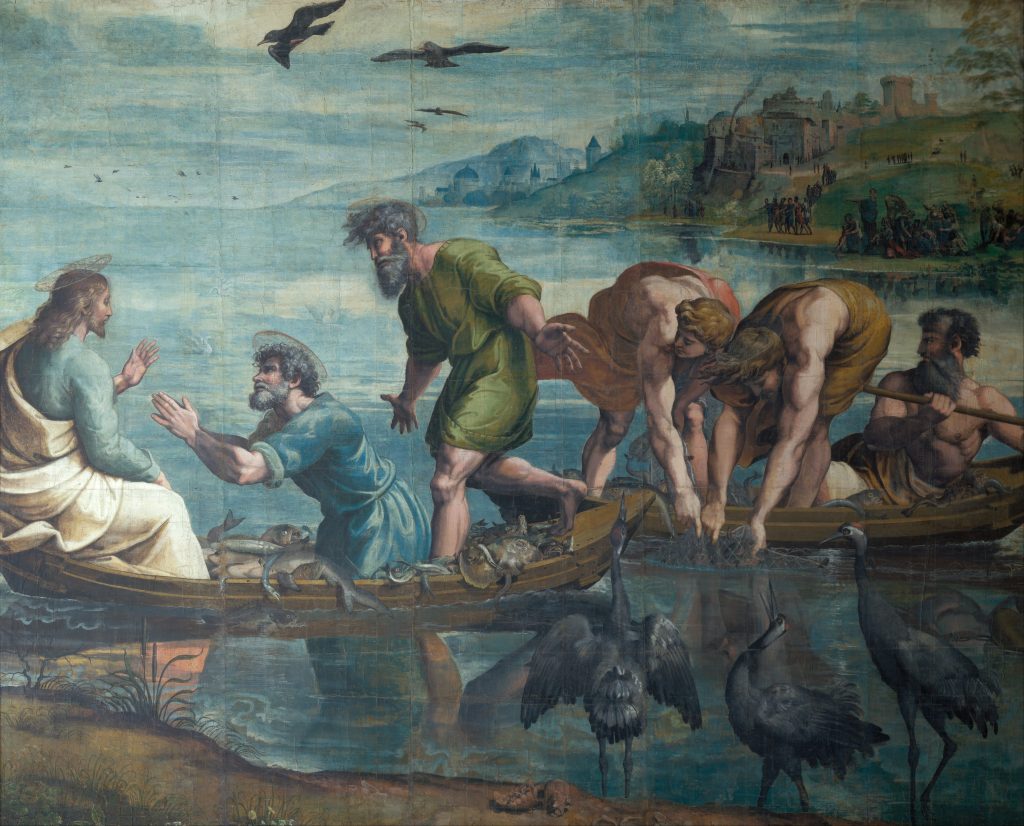
Fish-kill events happen today at the same lake location where two thousand years ago the biblical Miracle of Loaves and Fishes and the Miraculous Catch of Fish, as presumably it occurred, took place, scientists state in a new report. For centuries, these myths have been held dear as miracles of wonder, but science is now giving them a new spin one which does not demean them but provides yet another twist of mystery.
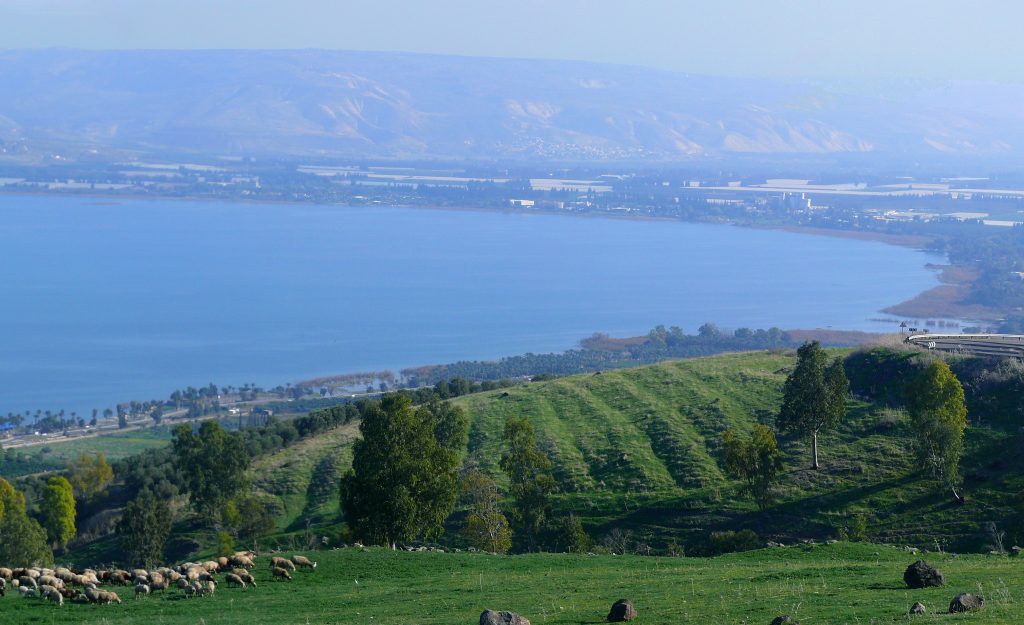
The Sea of Galilee, Lake Kinneret, has been the backdrop to some of the most unforgettable scenes in Christian scripture. To Christians, these are miracles; to environmental scientists, they are signs of natural processes working quietly behind the scenes to build toward a narrative. Their statistics tell of an interesting convergence where religion and limnology intersect and the scientific and the divine have the same shore.
It’s not disproving miracles it’s showing how nature’s rhythms could have created stories that still reach millions today. Take a look at seven stunning facts that connect old beliefs and science.
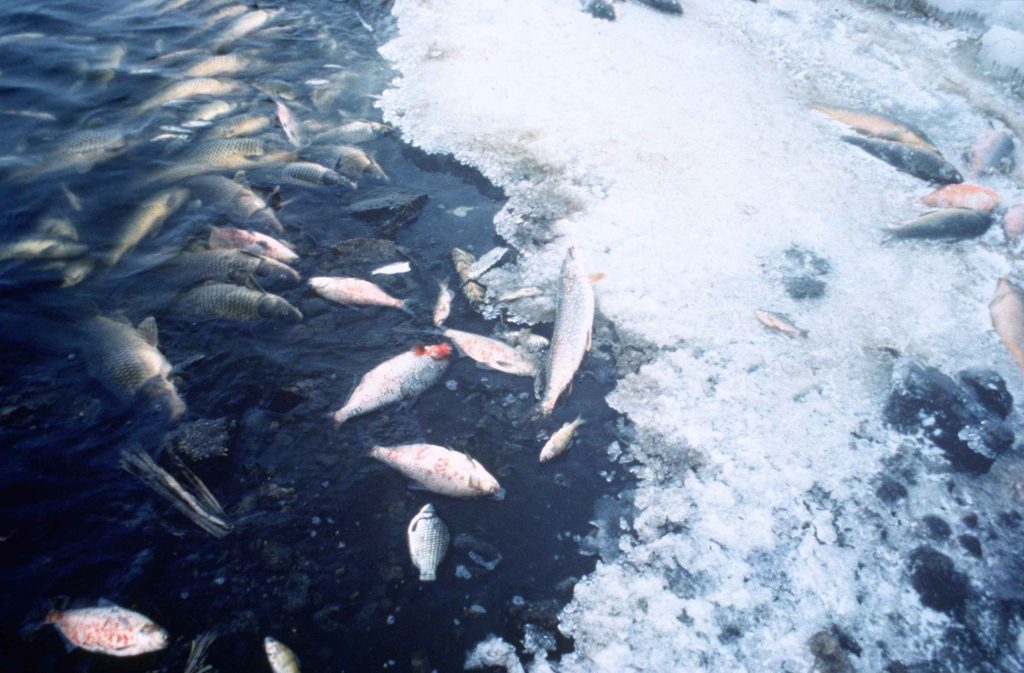
1. The Mystifying Event of Fish Kills
Lake Kinneret’s aquatic environment occasionally produces dramatic displays known as fish kills, where sudden oxygen drops suffocate thousands of fish. Scientific recordings of such events have occurred in recent decades, one such event being in 2012, when observers saw fish struggling on the surface before dying in great numbers. Events such as these are rare but, when they do happen, they leave a bounty of easily harvested fish, strikingly reminiscent of the biblical fish hauls.
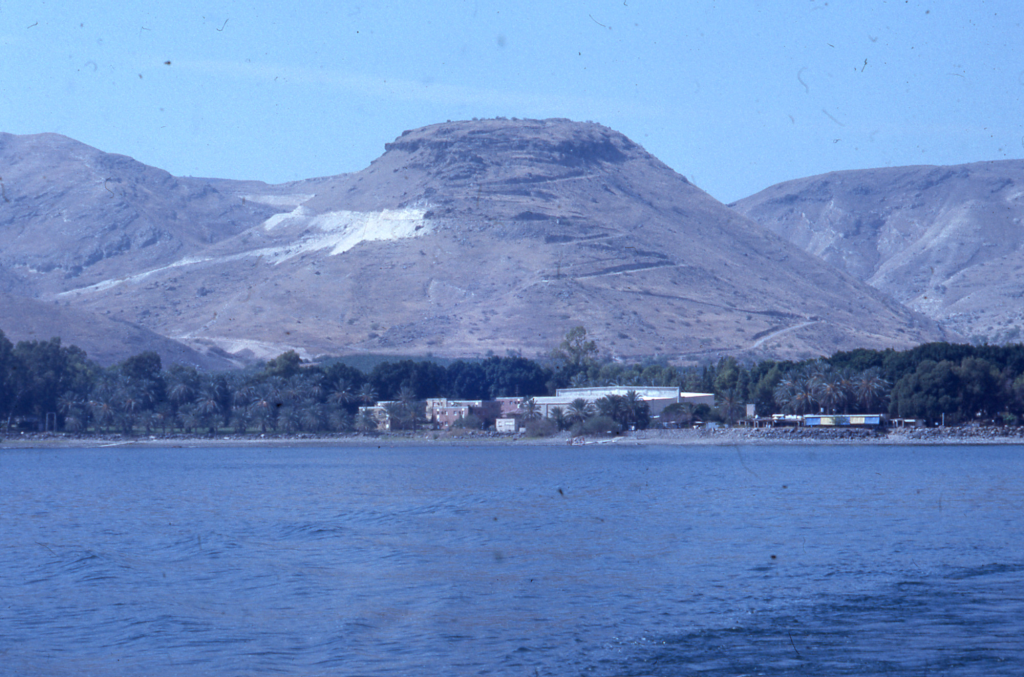
2. Wind-Driven Internal Waves
Studies by various research teams found that strong westerly winds are capable of stirring up the lake layers, forcing oxygen-depleted, cold water to the surface. The upwelling isolates fish with no means of escape, leading to mass death. The process is subtle but powerful, and, as recent modeling demonstrates, it replicates the geographic and seasonal precision in the Gospel accounts.
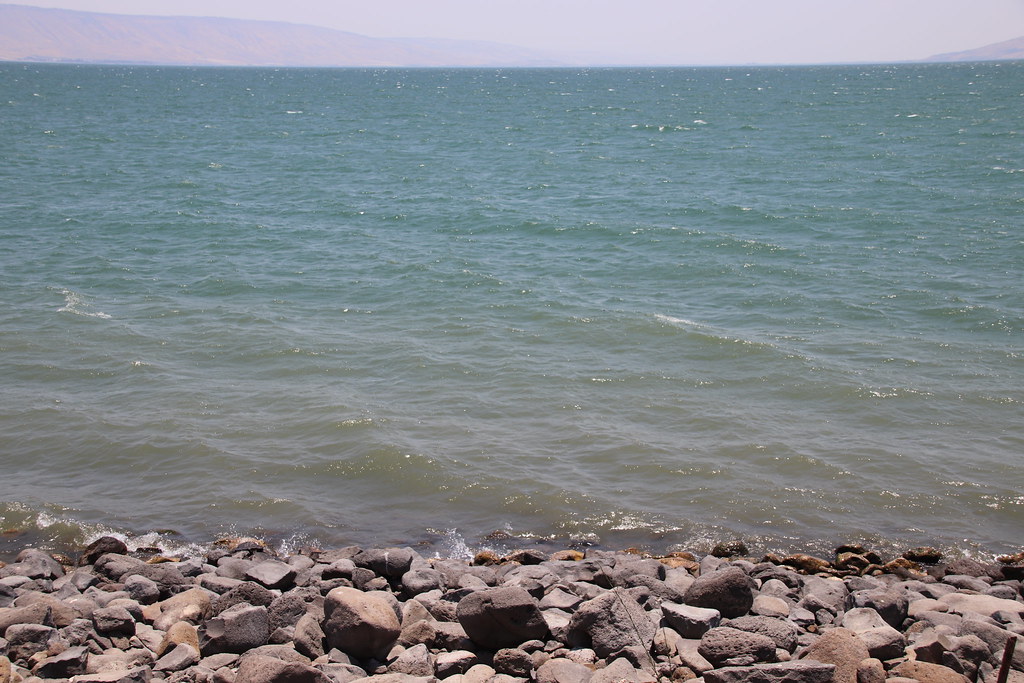
3. The Stratified Structure of the Lake
Lake Kinneret is self-stratifying, meaning that it is divided into a warm, oxygen-rich top layer and a cold, oxygen-poor bottom layer. In late spring and early summer, these two layers are most likely to become mixed. When they do, oxygen levels plummet across depths, setting the scene for fish kills. This just happens to coincide with when the biblical miracles supposedly occurred, suggesting a seasonal link between science and scripture.
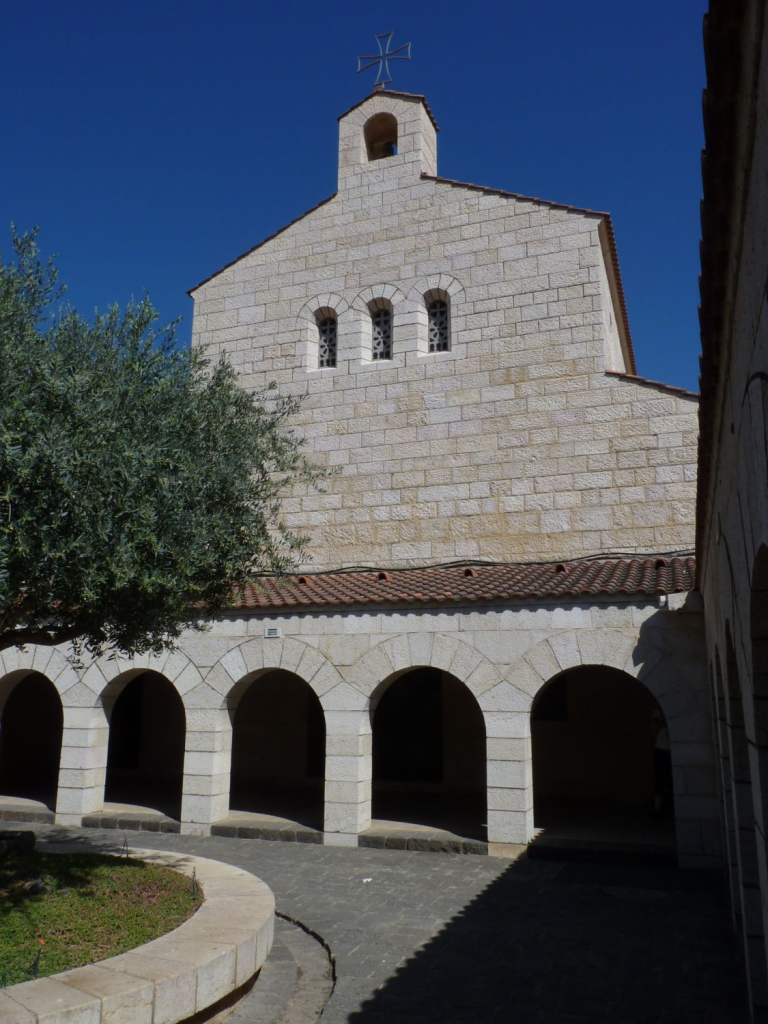
4. Tabgha: The Geographic Sweet Spot
The Miracle of the Loaves and Fishes and the Miraculous Catch are similarly situated in tradition close to Tabgha on the north shore of the lake. Modern fish kills have actually been observed in precisely this place, and it is a natural venue for abundant numbers. There is a church there today in remembrance of them, linking physical geography to religious history.
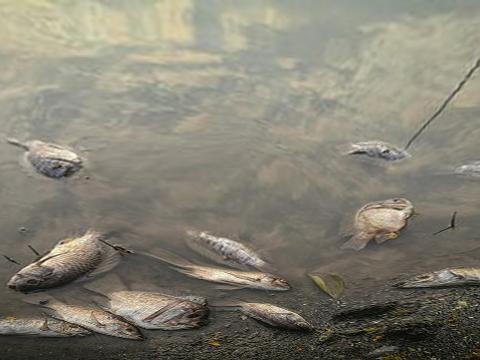
5. Echoes in Other Waters
Synoptic fish-kill events have been reported elsewhere, for example, Lake Erie, the Neuse River Estuary in North Carolina, and Hamilton Harbor in Canada. These findings show that the phenomenon is not unique in Galilee it’s a widespread ecological phenomenon. Such findings make the contention even more compelling that eyewitnesses from the past may have witnessed nature’s drama and accounted for it through the religious explanation.

6. Faith and Science in Dialogue
There are some religious individuals who worry miracles get drained by the explanations given by science, but scholars in the majority hold the contrary. As theologian Rupert Sheldrake argues, “Helping people see the land as sacred again is one of the major roles of religion.” Seeing natural processes can enhance an appreciation for the divine, showing how routine events may have extra special meaning.
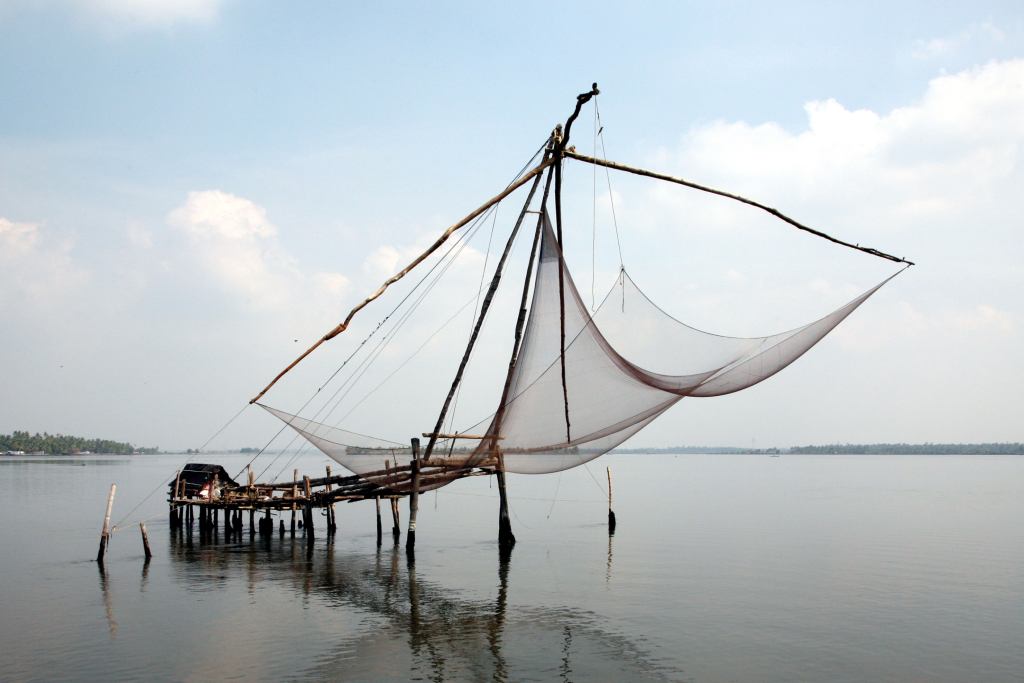
7. A Story That Still Inspires
Whether caused by divine or natural causes, the picture of bursting nets remains vivid. The synthesis of ecological insight and theological imagery challenges believers and unbelievers to interpret these accounts not as mutually exclusive truths, but as multidimensional histories where nature and theology converge.
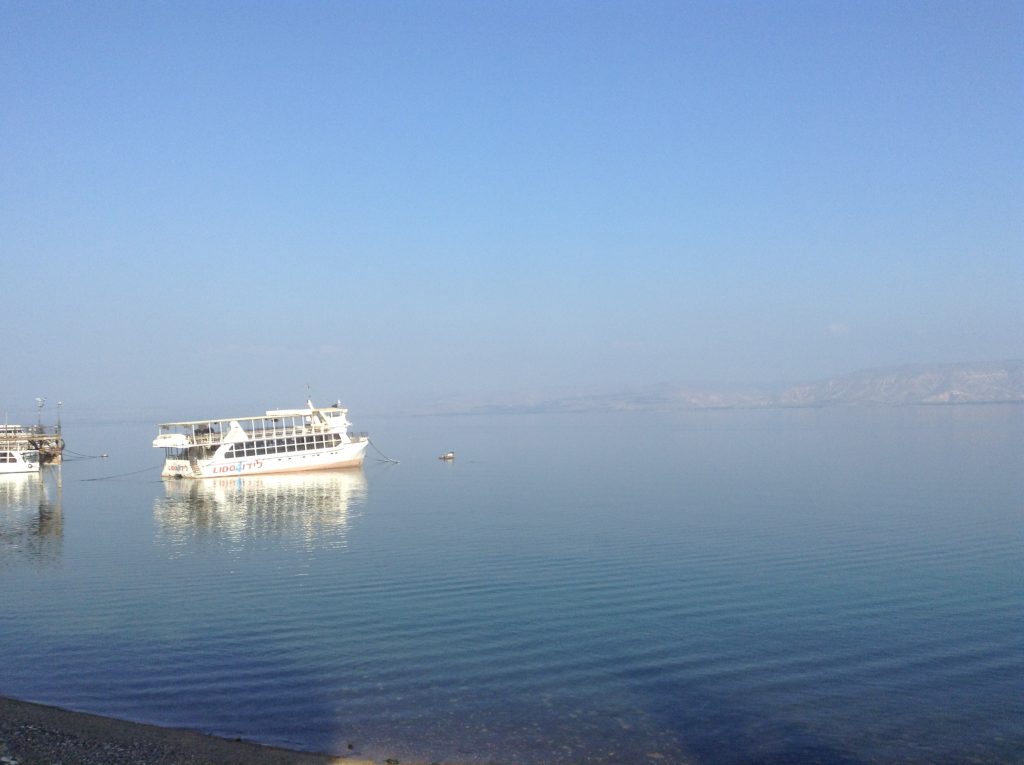
The biology of Lake Kinneret’s fish kills doesn’t diminish the awe inspired by the biblical accounts; it heightens it. In describing how cycles of season and wind and water might cause periods of abundance, scientists give us a place of connection between ancient testimony and modern understanding. There, the spiritual and the scientific tell the same tale, reminding us that meaning many times lies in the place of intersection between what we can count and what we hold in our hearts.

