
You probably think your cat’s behavior seems relatively obvious from the sofa. A belly up means that you should rub there, while a tail flick means that your furry friend’s ready for playtime. At least, in theory. The truth is that many pet owners misinterpret a lot of their cat’s most common behaviors, sometimes for the worse. Vet manuals and welfare guides have a lot more to say about a cat’s everyday habits than you might realize.
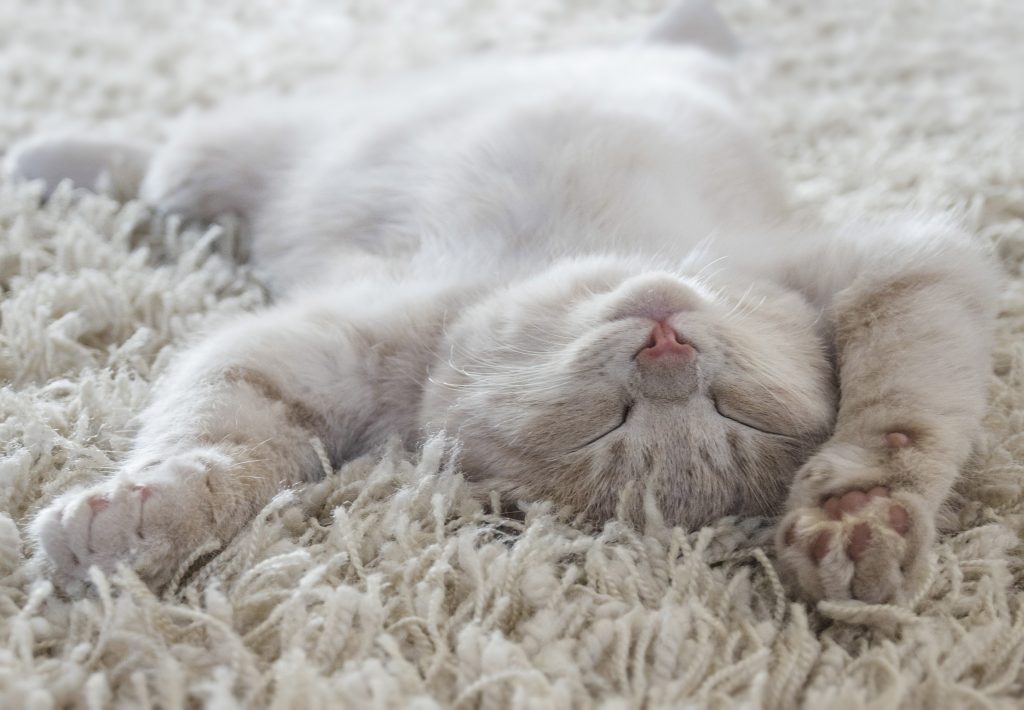
1. Belly flops
It’s so easy to think that a cat rolling on its back is asking for you to pet its tummy, especially since it’s so on display. After all, that’s what dogs do. But behavior guides from Cats Protection and PetsCare make it clear that a cat’s abdomen is one of their least-protected areas. Many cats will keep their claws ready to protect themselves, even when they look relaxed. You should think of a cat’s rolling pose as more of a defensive stance than an invitation to start touching.
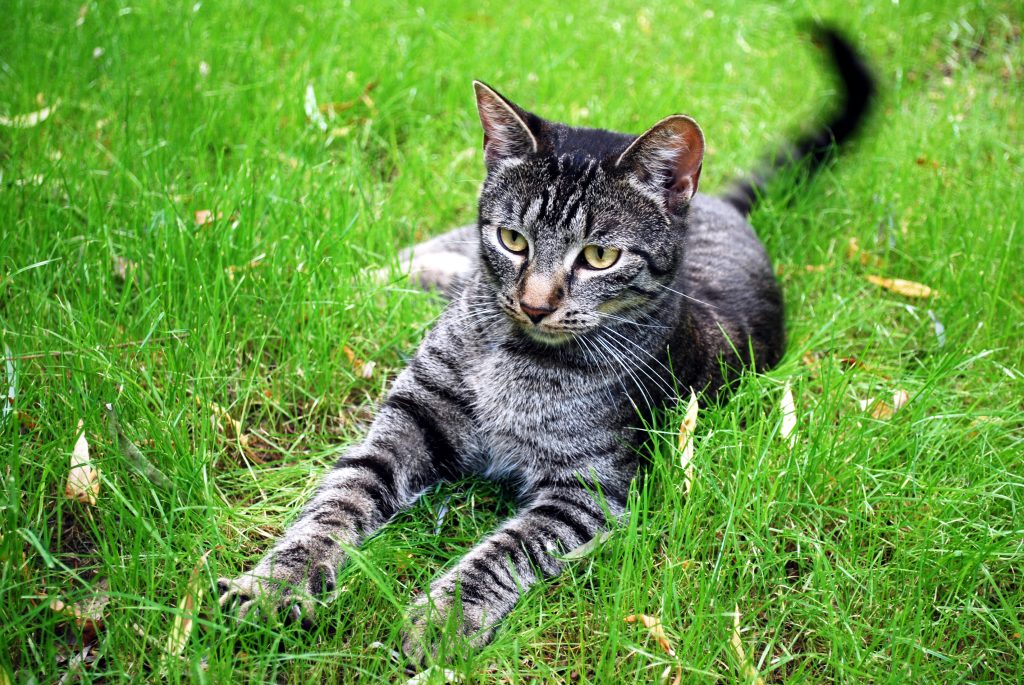
2. Tail-tip whipping
You may notice that your cat starts twitching its tail while it’s sitting on your lap. It’s purring away, so surely that tail whip is a sign of it being happy? But whatever you do, don’t keep your hand moving. The Arizona Humane Society says that twitching and waving tails are signs of irritation. It may also be overstimulation. Whatever the reason, a cat isn’t a dog, and a twitching tail could mean that they’re annoyed, rather than excited.
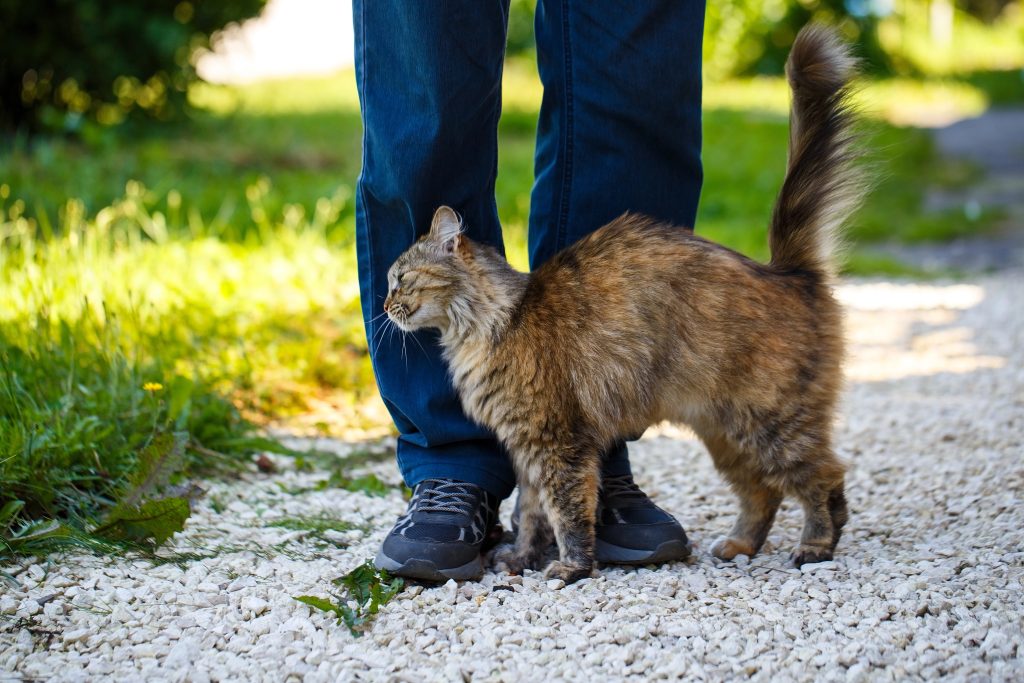
3. Head bumps
Practically every cat owner has had to deal with their cat bumping their head straight onto their ankle or hand. The cat then rubs along it once and leaves. While most cat owners think it’s their cat asking for a quick snack, feline behaviorist Pam Johnson-Bennett claims there’s something else going on. Such behavior is known as “bunting.” It’s a form of social scent-marking, as cats have glands on their cheeks and forehead that rub pheromones. So no, your cat isn’t hungry. It’s simply marking you to tell you that you’re its property.
4. Doorway blocking
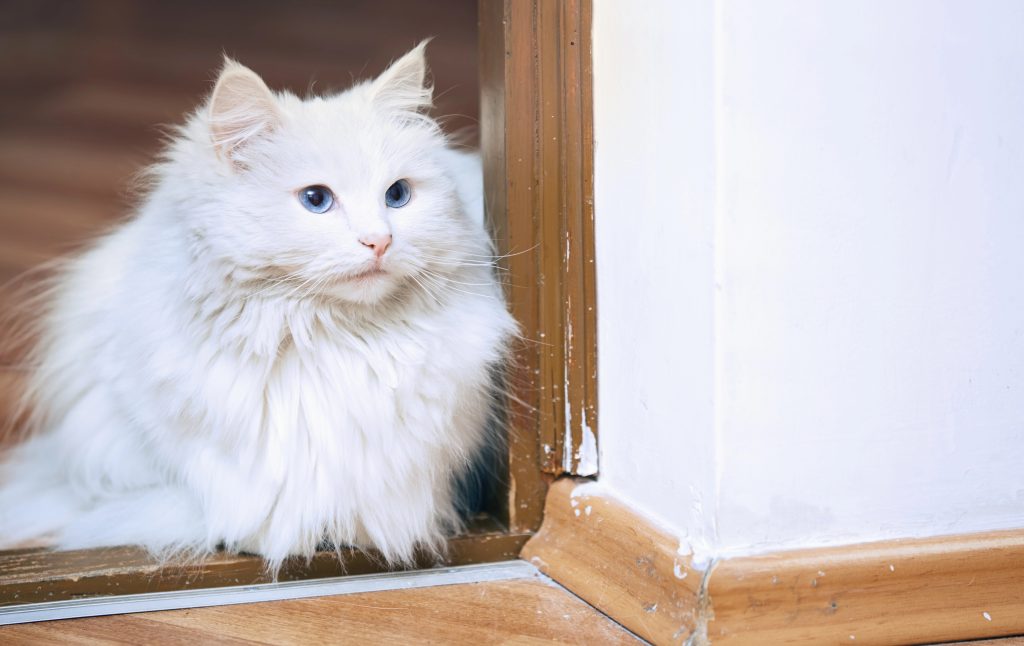
Quite a lot of cats like to sit right in the doorway or at the top of the stairs. They’ll stretch out, and it’s normally in the exact line that you’re about to walk through, which makes it seem like they’re deliberately blocking you. They’re not. Cats tend to sit in boundary markers because these are useful places for them to keep an eye on the rest of the room. Really, they’re simply trying to keep you safe and not actually trying to get in your way.
5. Sudden grooming
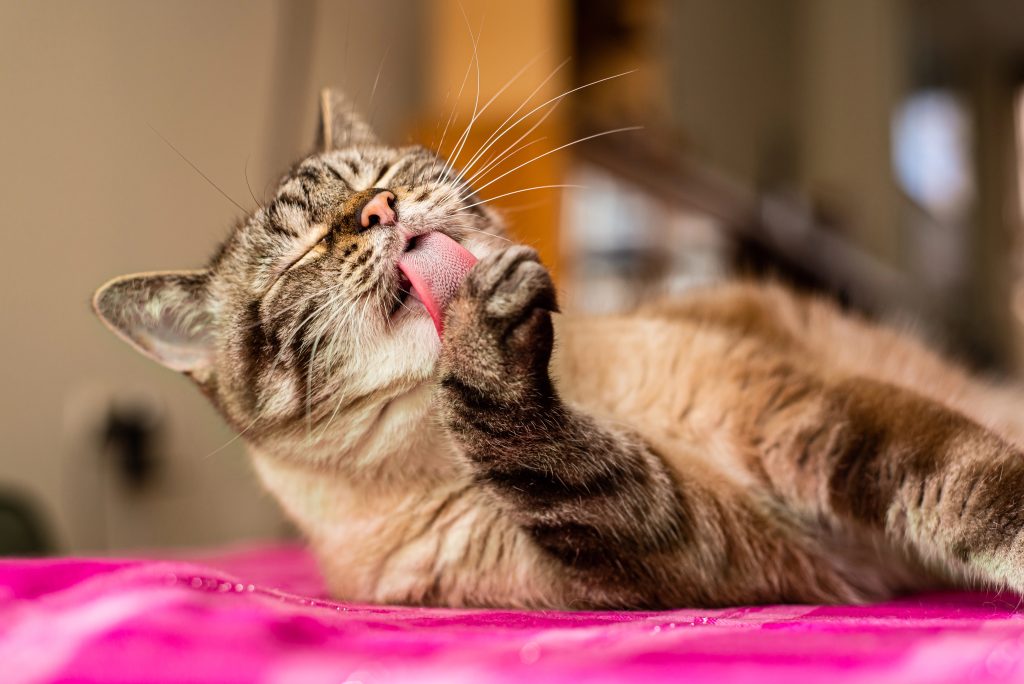
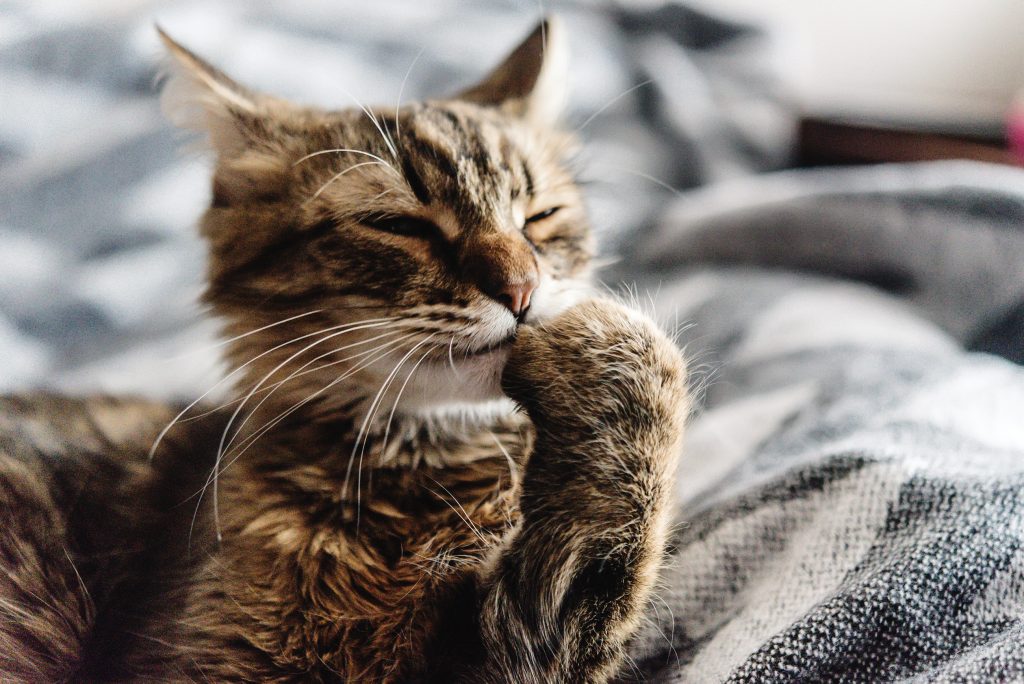
A cat that randomly begins to groom itself isn’t necessarily trying to make itself clean. Pay attention to when they start doing it. You’ll probably notice that it starts licking itself after it misses a jump or hears a sudden noise, and it’s something that Johnson-Bennett refers to as “displacement grooming.” Essentially, your cat feels embarrassed, and it’s trying to seem relaxed. Take it as the cat version of trying to move on from an awkward conversation.
6. Hiding when guests are over
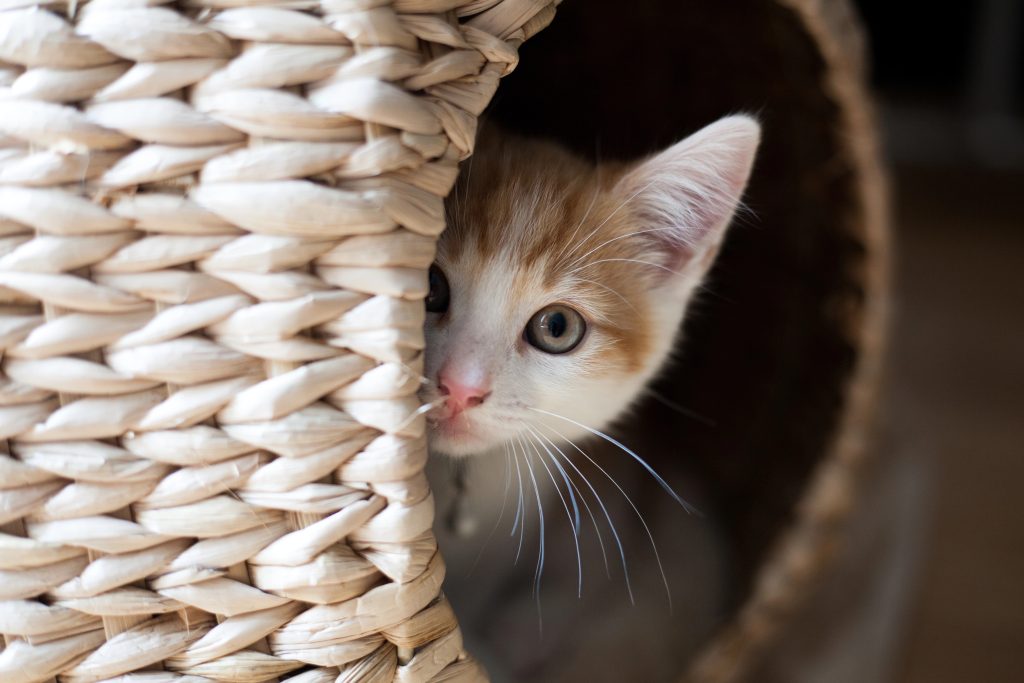
The majority of cats won’t stick around as soon as the front door opens and someone new walks in. They’ll slip out of sight, usually staying under the bed or in the closet, until things calm down. However, that’s not a sign of rudeness. Cat behaviorists like Dr. Hannah Hart say that such behavior is a normal way for cats to deal with being overwhelmed by new sights or smells.
7. Loud meows at night
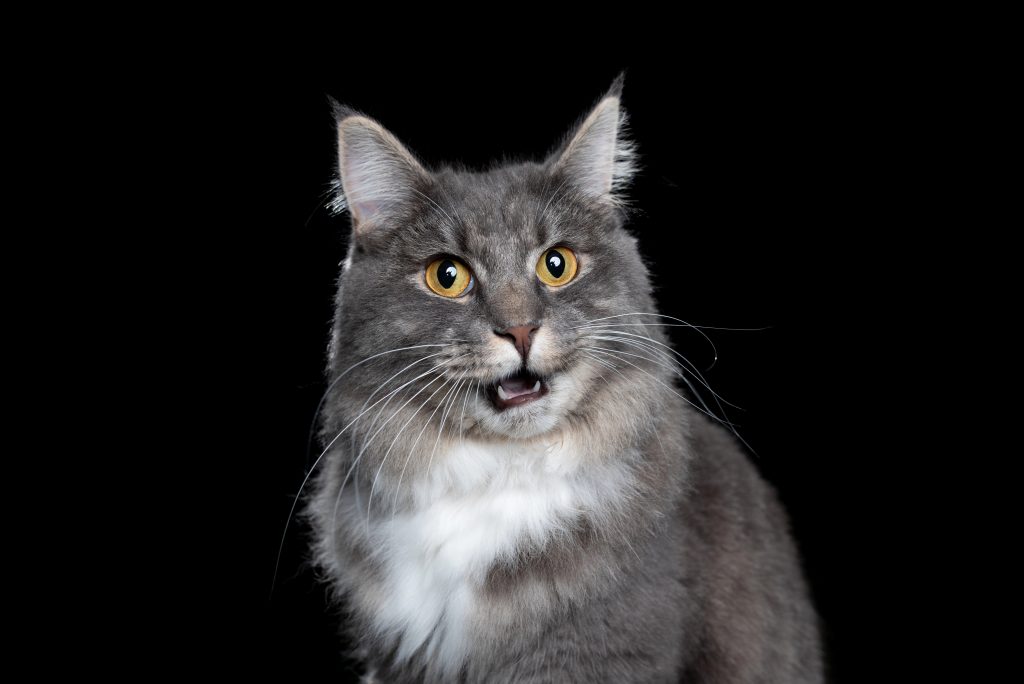
Yes, a cat meowing at night can be annoying, especially when you mistakenly believe that your feline’s only doing it because it’s hungry. Yet experts, including Dr. Sarah Ellis, have confirmed that late-night vocalizing is sometimes connected to a cat feeling confused. It may also be due to age-related cognitive issues, perhaps even loneliness, rather than straight-up hunger. Each of your cat’s meows means something entirely different.
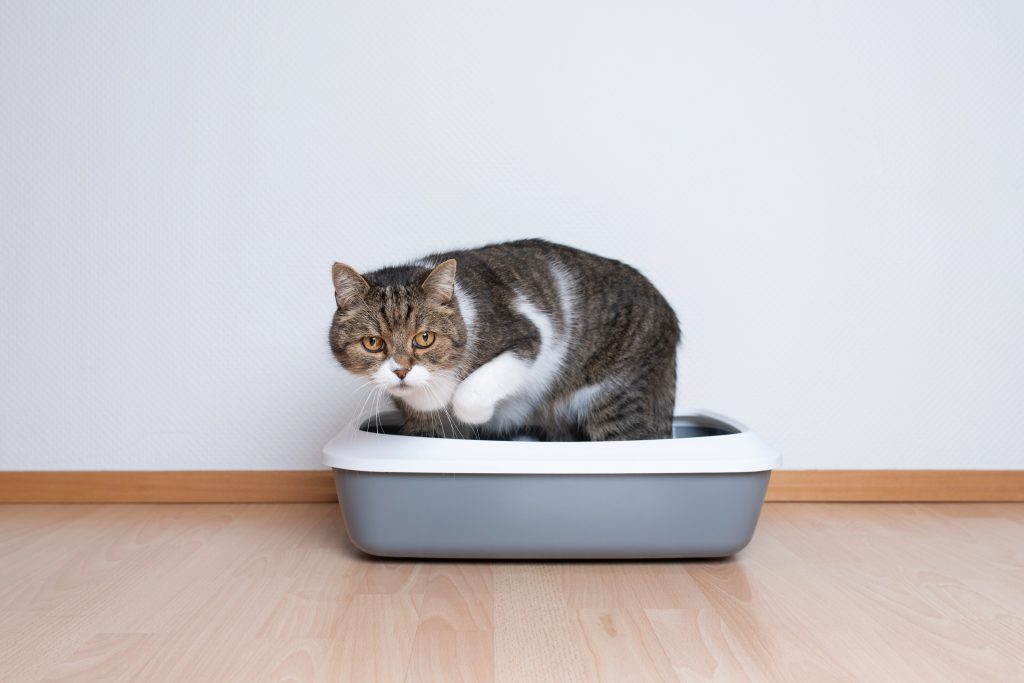
8. Sitting in the litter box after use
A cat sometimes hangs around the litter box, long after it’s finished, and its owners may assume that it’s relaxing. They’ll probably just shrug it off. After all, the cat surely just enjoys the spot. Unfortunately, veterinarians like Meaghan Thomas suggest that a cat lingering in the litter box and making noises may be suffering from health issues, such as urinary strain or discomfort. You may want to speak to a vet about this. A cat should want to leave the area quickly after using the litter box, not hang around.
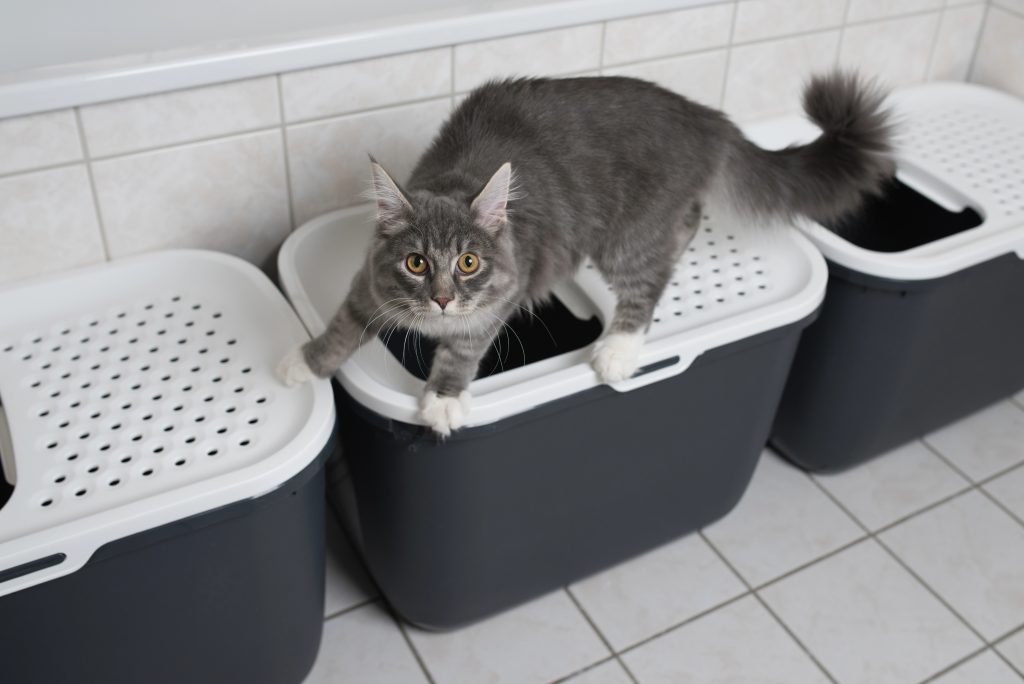
9. Litter box zoomies
That’s not all for the litter box. Yes, it’s funny seeing your cat bolt out of the litter box after using it, and you might think it’s just a classic case of your cat being high-energy. But not always. Sudden sprints like this are your cat’s way of using up some of its excess energy, and it may also be part of your furry friend’s wild streak. Cats are at their most vulnerable when they’re using the litter box, so they’re easy prey for any predators. They’ll rush to eliminate that vulnerability as soon as they can. The instinct to do so is part of their DNA.
Cats rely on rubbing and grooming, as well as other behavioral habits, to manage their relationship with those who live with them. To humans, a lot of these behaviors seem like nothing. But your cat is actually telling you a lot through these tiny signals, every second of the day.

