
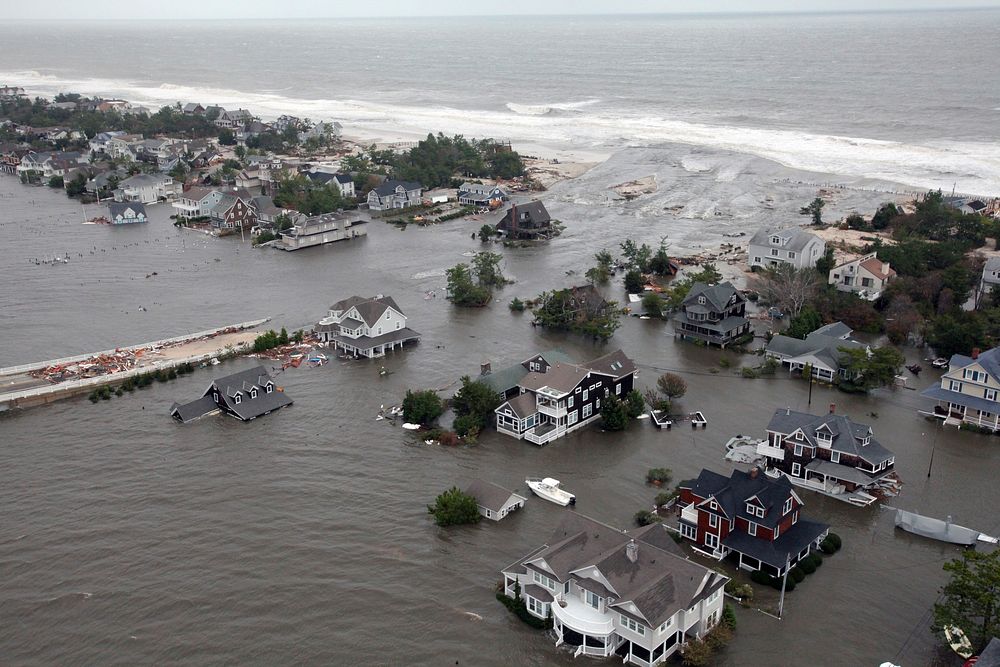
It sounds like the plot of a disaster movie, but the numbers are real: **more than 5,500 hazardous sites along US coasts are at risk of significant flooding by 2100**-and nearly 3,800 of them could be vulnerable as early as 2050. These aren’t just empty lots.
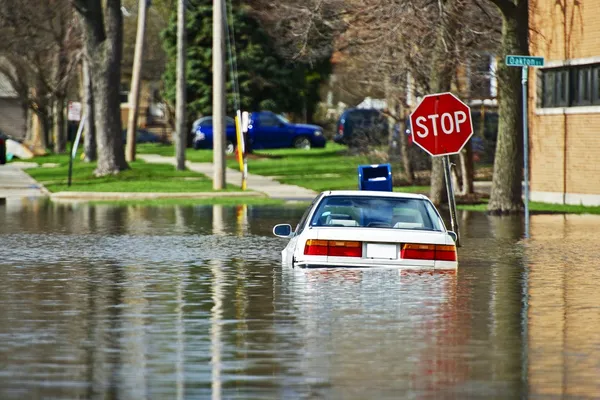
They include fossil fuel ports, power plants, refineries, sewage treatment facilities, and other industrial sites that store or handle hazardous materials. The latest peer-reviewed research warns that when rising seas meet toxic infrastructure, the result could be a public health crisis-one that will hit some communities much harder than others.
1. Extent of the Threat
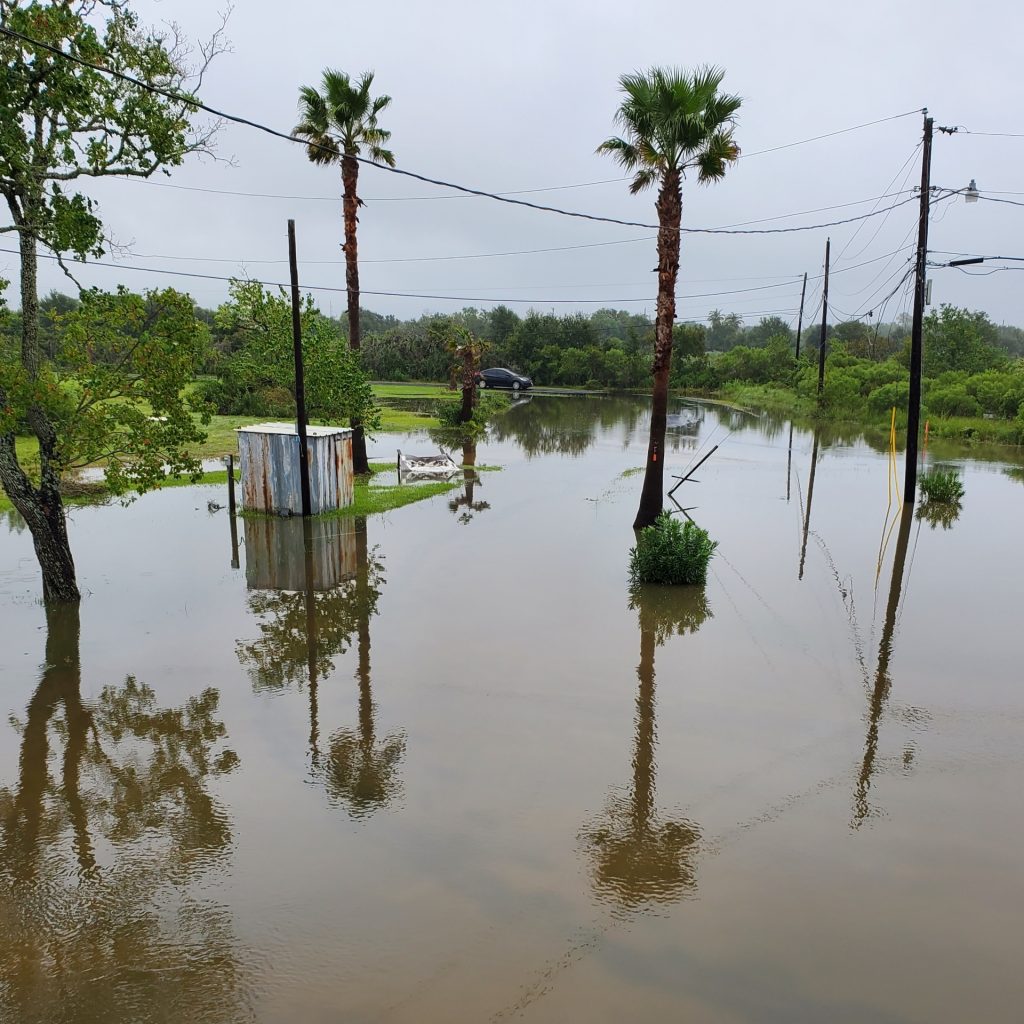
The study, published in *Nature Communications* and funded by coastal flood, analyzed over 47,600 coastal facilities in 23 states and Puerto Rico. Under a high-emissions scenario, **11% of those sites are projected to be at risk of a 1-in-100-year flood by 2100**. The danger is concentrated: Louisiana, Florida, New Jersey, Texas, California, New York and Massachusetts account for nearly 80 percent of the projected at-risk sites. Even under moderate emissions cuts, just about 300 fewer sites would be spared by century’s end.

2. Why Marginalized Communities Are in the Crosshairs
Findings indicated that neighborhoods around these threatened sites have higher percentages of renters, poor households, Hispanic populations, older adults, those without vehicles, and those who are linguistically isolated. Many communities today are still fighting industrial pollution daily due to decades of redlining, exclusionary zoning, and discriminatory land-use policies. “These projected dangers are falling disproportionately on poorer communities and communities that have faced discrimination and therefore often lack the resources to prepare for, retreat, or recover from exposure to toxic floodwaters,” said Dr. Lara Cushing of UCLA’s Fielding School of Public Health.
3. Health Risks When Toxic Sites Flood
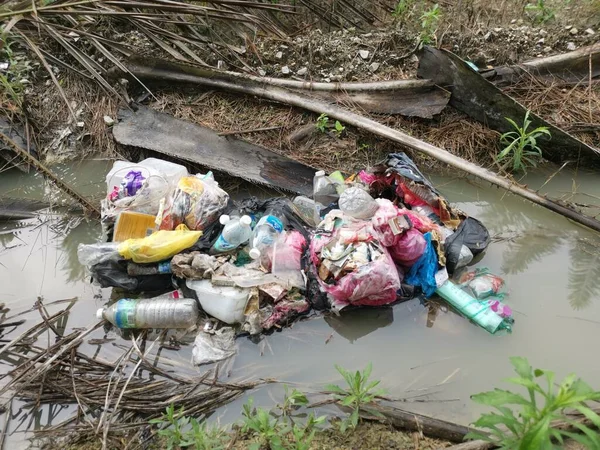
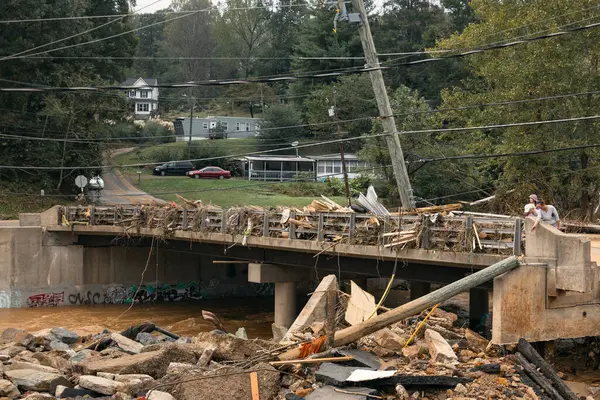
Floodwaters around industrial animal farms or sewage plants can be contaminated with bacteria like E. coli that can cause severe gastrointestinal illness. Exposure to heavy metals and other industrial chemicals from refineries and power plants leads to rashes, respiratory distress, headaches, and fatigue. Long-term exposure can result in cancers, organ damage, and reproductive harm. Past disasters such as Hurricanes Katrina, Harvey, and Florence have showcased just how quickly floodwaters can mobilize toxic substances into homes, soil, and waterways.
4. Lessons from Past Disasters
Hurricane Harvey flooded 13 Superfund sites in Houston, creating an estimated **4.6 million pounds of excess chemical emissions** from industrial facilities in 2017. In North Carolina, Hurricane Florence overflowed coal ash ponds and hog waste lagoons into neighboring communities, many of which were low-income and predominantly Black. The incidents are emblematic of what researchers term “natural-technological” or “natech” disasters, in which extreme weather intersects with hazardous infrastructure.
5. Building Community Resilience
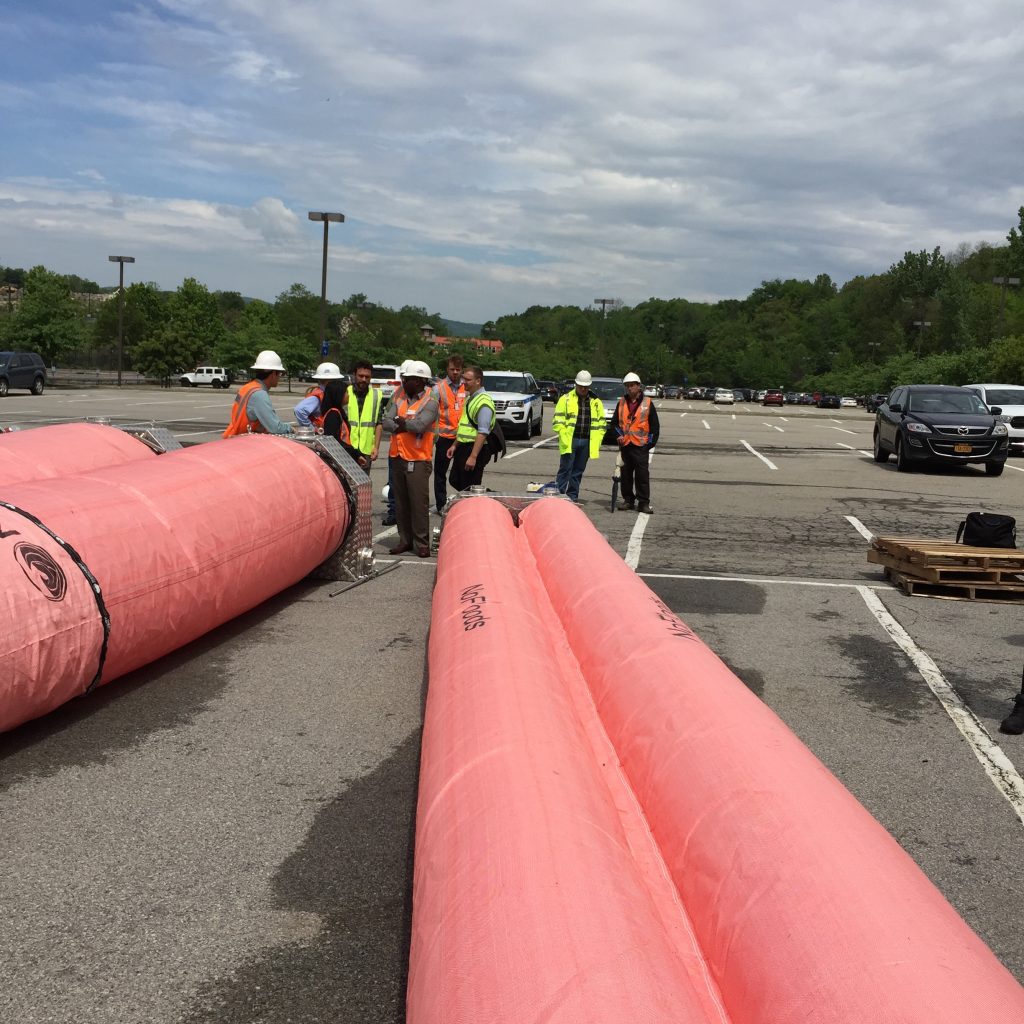
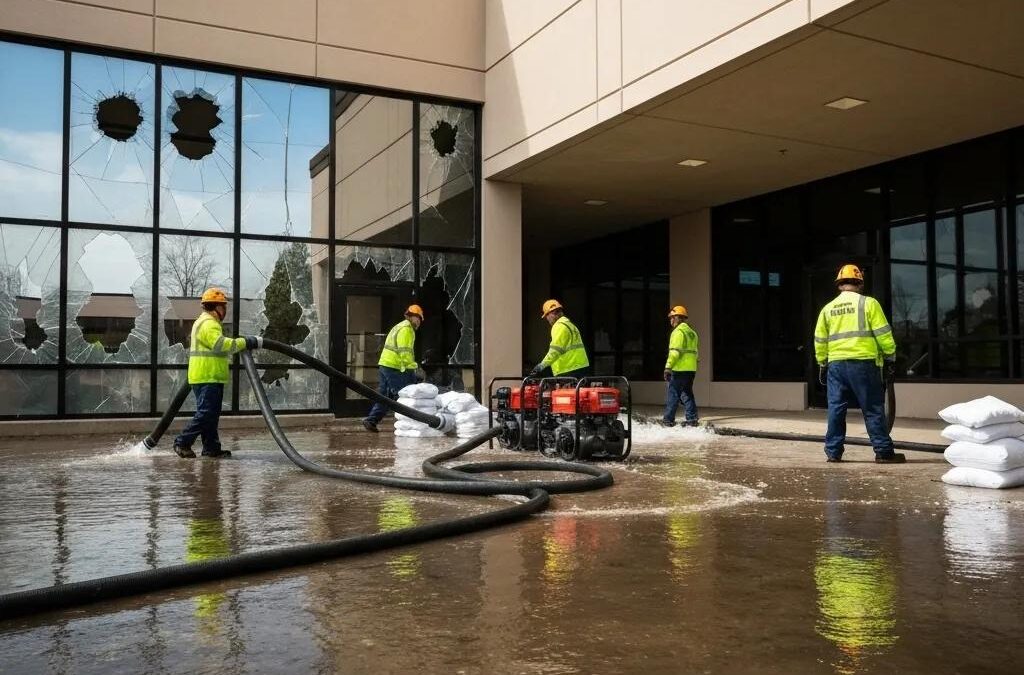
According to experts, resilience planning is proactive and equitable. Strategies have included the elevation of utility systems, reinforcement or re-siting of those vulnerable facilities, investment in gray infrastructure such as seawalls and pumps, and green infrastructure like wetlands and vegetated buffers. The Ohio Creek Watershed Project, an exemplary project in Norfolk, Virginia, would integrate floodwalls, raised roads, rain gardens, and wetland expansion to protect its residents.
6. Gaps in Policy and Regulation
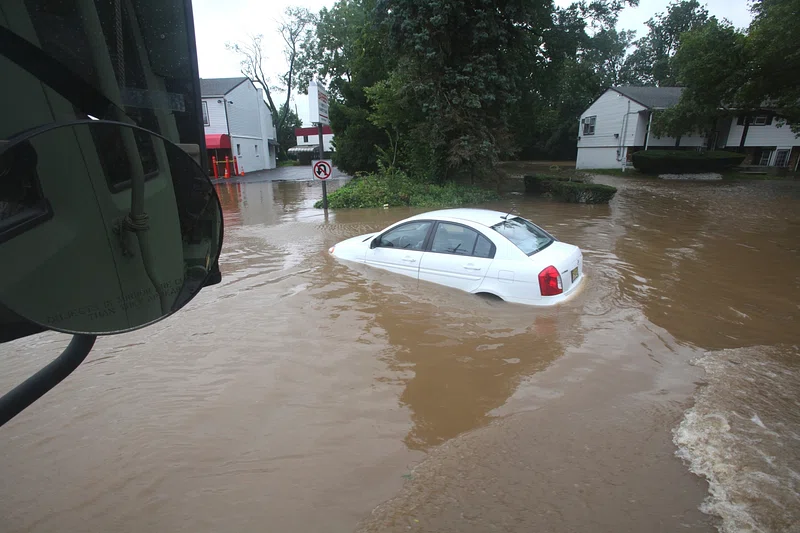
Currently, neither the Occupational Safety and Administration nor the Environmental Protection Agency requires industrial facilities to take into account the danger of extreme weather or flooding when designing their plans for preventing the worst kinds of pollution. Very few states consider flood risk when permitting hazardous facilities. Researchers and advocates call for increased oversight, climate risk assessments, and public access to hazard data.
7. A Focus on Environmental Justice
Resilience investments must be equitably directed toward communities overburdened by pollution and climate risk. That will mean pouring federal and state dollars into the most disadvantaged neighborhoods, engaging residents as meaningful participants in the decision-making process, and protecting truly affordable housing from repeated flood damage. “There are potential solutions, if policymakers are ready to move forward,” said Dr. Rachel Morello-Frosch of UC Berkeley.

8. Cutting Emissions to Slow the Clock
Much of the near-term flood risk is already locked in due to past emissions, but sharp cuts to greenhouse gas pollution can limit the scale of the threat later this century. Without decisive action, the mix of rising seas and toxic infrastructure could create a cascade of public health emergencies that would last for generations. The warning is loud and clear: protecting coastal communities against toxic floodwaters will require urgent and concerted actions in the form of climate mitigation, upgrading infrastructure, and environmental justice at the core of every plan.

