
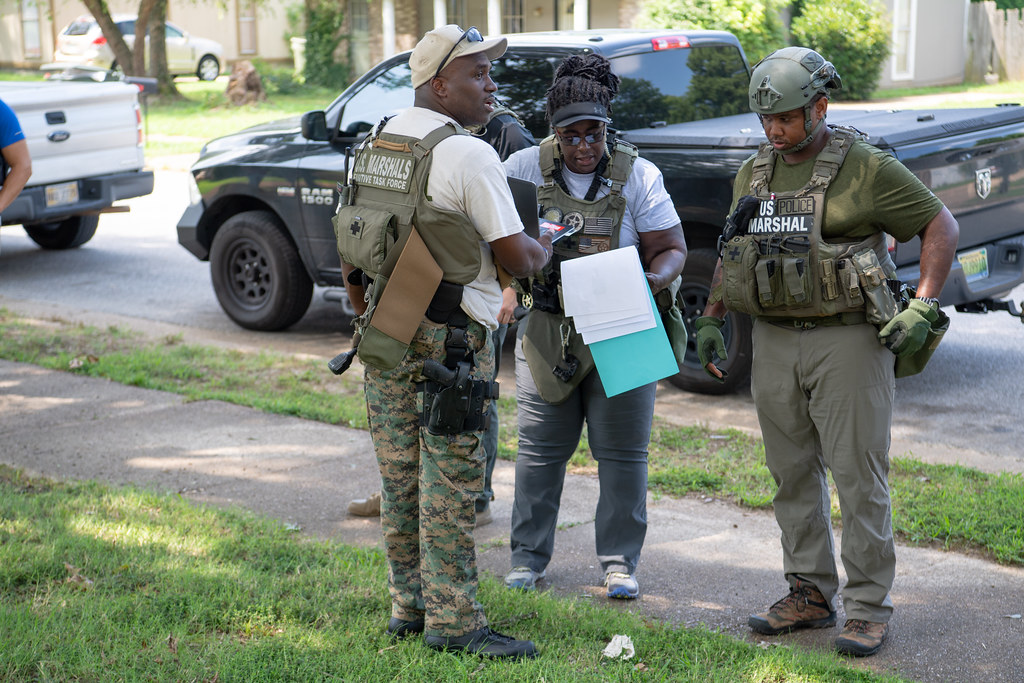
It began with the sight of pickup trucks marked “Border Patrol” rolling daily down Summer Avenue-a jarring new normal in Memphis. For many residents, especially in minority neighborhoods, the Trump-ordered Memphis Safe Task Force has brought not only thousands of arrests but a profound shift in daily life-one now rippling through courts, jails, schools, and community trust.

1. Arrest Numbers Surge Beyond System Capacity
The multi-agency task force, comprising federal, state and local officers and National Guard troops, has arrested over 2,800 people so far and issued more than 28,000 traffic citations since late September. Arrests continue to be tabulated, and officials project the number will reach between 3,500 and 5,000. Shelby County Mayor Lee Harris said, “This places Shelby County in extreme financial peril,” citing the added cost of more public defenders, prosecutors, and jail staff.

2. Jail Overcrowding Conditions Worsen
The Shelby County Jail was built for 2,400 inmates and averaged 3,195 detainees in September. In mid-November, the jail shipped out 250 overflow inmates to other facilities, a jump from the 80 a year ago. Intake areas have seen detainees sleeping in chairs, according to jail officials who sought $1.5 million in emergency funding this month for food, clothing, bedding and linens. The jail, where 65 detainees have died since 2019, has long been marred by safety concerns that advocates say have been exacerbated by staffing shortages and decaying infrastructure.
3. Court Backlogs and Strained Resources
Criminal court dockets are swelling, delaying bail hearings and prolonging detention. Saturday and night court sessions are being weighed, even clinics for misdemeanor warrant surrenders. “If there’s no basis to think they’re a danger to the community or a flight risk, and they’re in there just because they can’t afford their bail, we can take a second look,” said District Attorney Steve Mulroy.
4. Minority Communities Report Fear, Lifestyle Changes
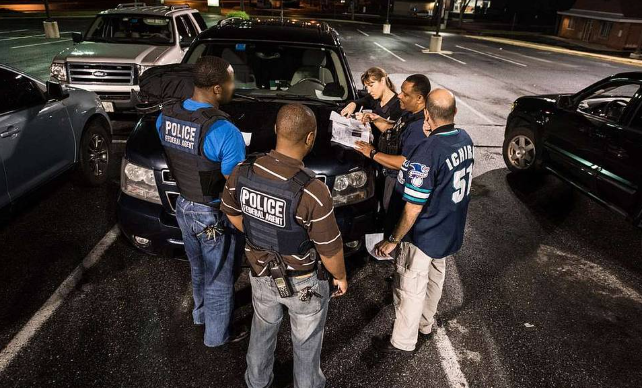
In majority-Black Memphis and Latino neighborhoods, residents describe avoiding work, church and restaurants to lessen the risk of being stopped. Immigration-related arrests account for at least 319 cases and there have been reports that ICE agents have accompanied local officers on routine stops. “Memphis is in this state of reality now where people are disappearing,” said school board member Amber Huett-Garcia.

5. Impact on Schools and Youth
Educators say Hispanic students are arriving at school fearful-or not coming at all. Attendance in some classrooms has dropped 25 percent, as kids struggle to focus on math and other lessons as their families face detentions. There are calls for “safe buffer zones” and more busing to safeguard students’ commutes to and from school. No ICE activity has been reported at campuses, but the anxiety is palpable.
6. Arrest Patterns Raise Questions
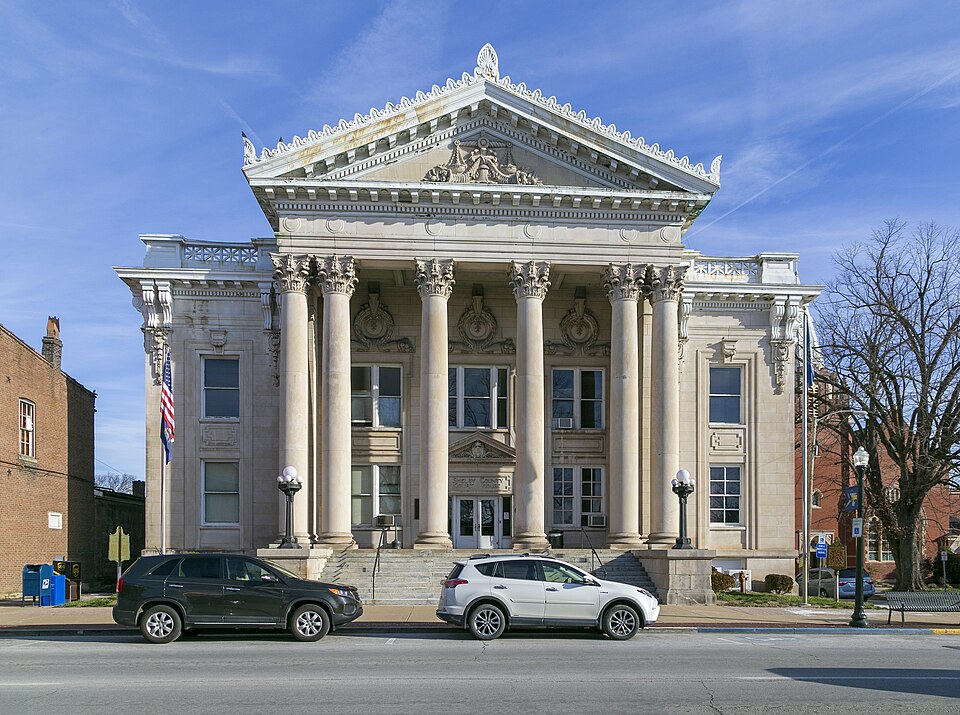
Records from the Shelby County General Sessions Court show multiple arrests for traffic offenses and drug-related charges, even as the task force says it has a focus on violent crime. Clerk Tami Sawyer said, “This is supposed to be a ‘Make Memphis Safe Task Force,’ and really what it is, is a ‘Make Memphis Drive the Speed Limit Task Force.’” Felony and misdemeanor arrests are roughly even at this point, while over 1,000 arrests have been made on outstanding warrants.

7. Bail Reform as a Pressure Valve
Proponents believe that reform could help alleviate overcrowding without sacrificing public safety. In Shelby County, long booking times and excessively high bails needlessly keep many behind bars. Recent state laws have eliminated the mandate to consider a defendant’s ability to pay-a move critics argue exacerbates the crisis. Costly bail, according to research from the Prison Policy Initiative, is linked to increased recidivism and mass incarceration.

8. Eras of Political and Public Anxiety
Management The prevalence of policing amplifies community strain. Mental health experts encourage people to limit the amount of disturbing news they are exposed to, discuss healthy topics, and take breaks from heated discussions. As expressed by Dr. Michelle Riba, “While it is very important to be aware of what is happening in our country and the world, you also need to tend to yourself and to your mental health.”

In less than two years, the rapid expansion of the Memphis Safe Task Force has transformed what began as a plan to combat crime into a test of how a city balances enforcement with fairness, safety, and trust. From the courthouse to the classroom, downstream impacts are shaping this city’s future-and the urgency to address them mounts with each new arrest.

