
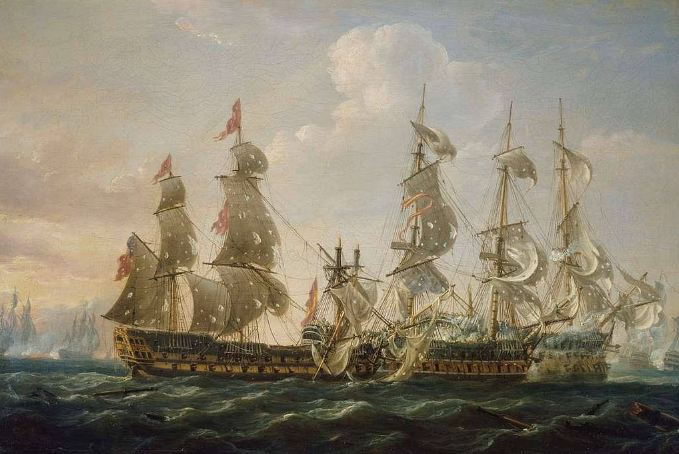
Few shipwrecks have inspired intrigue, ambition and dispute quite like the San José – the 18th‑century Spanish galleon sometimes labeled the “holy grail of shipwrecks.” Today, more than three hundred years after it disappeared beneath the Caribbean waves, the first artifacts have been raised from its resting place – offering a rare glimpse into a moment in history shaped by war, empire and the perilous lure of wealth.
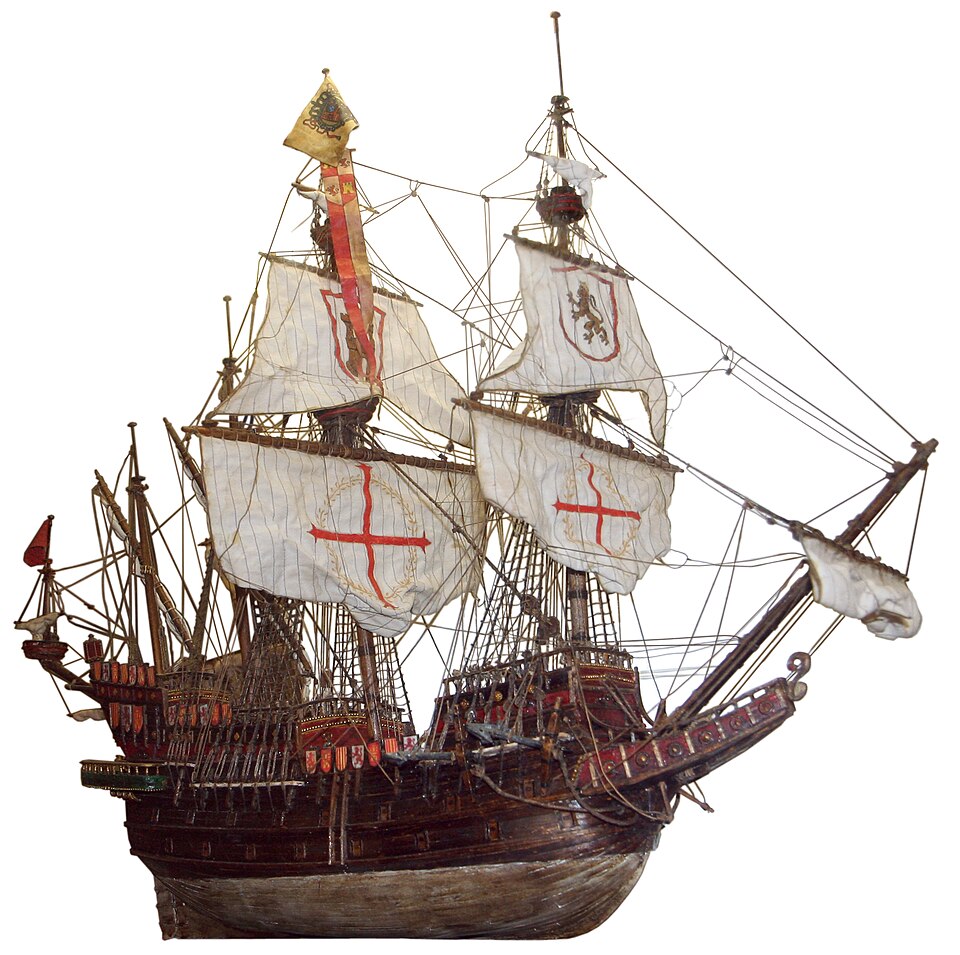
1. A Galleon at the Heart of Empire
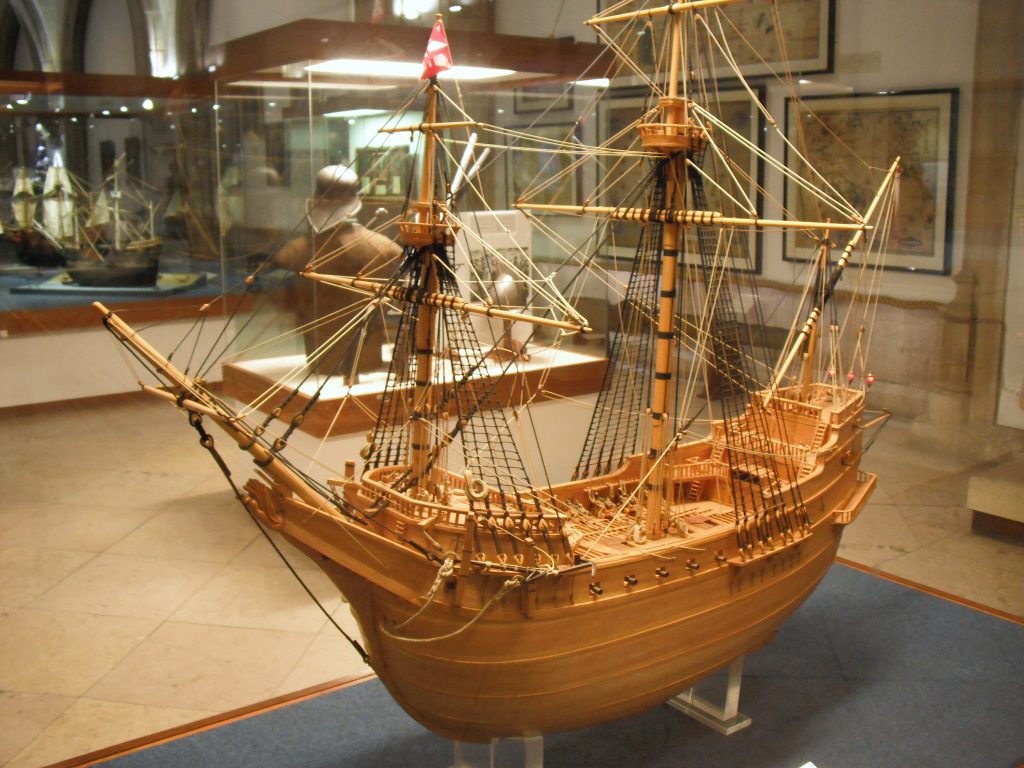
Launched in 1698 from San Sebastián in the Basque Country, the San José was a 64‑gun, three‑masted vessel built for both commerce and combat. In June 1708, during the War of the Spanish Succession, it sailed as part of the Flota de Tierra Firme, packed with gold, silver, emeralds, and fine goods from Spain’s colonies. Off Isla de Barú near Cartagena, British warships closed in. After an hour of fierce engagement, an explosion most likely in the powder magazines ripped through the hull. Within minutes, the ship sank, taking with it nearly 600 lives and treasures valued today at up to $20 billion.
2. The First Glimpse of the Past
The ownership of the cargo is in dispute in courts from Bogotá to The Hague. For its part, Colombia says the wreck is part of its cultural heritage and therefore it has sovereign rights over it. US salvage firm Sea Search Armada-known earlier as Glocca Morra-says it found the ship in the early 1980s and wants $10 billion-half the estimated value of the treasure. Spain says it owns the galleon under the UN Convention on the Law of the Sea because it was a military ship. The Qhara Qhara and other local Bolivian groups say the gold and silver were mined with forced labor from their ancestors at mines including Potosí. That makes the treasure part of their “common and shared heritage.”
3. A Legal Maelstrom
The Science Behind the Salvage The mission is framed as research, not treasure hunting; laboratory analysis investigates the composition of the artifacts, their manufacturing origins, and the technologies of production in the early 18th century. Investigators are also analyzing whether the sinking could have been caused by damage to the hull rather than by an explosion alone. In a first stage, the project mapped the archaeological context of the wreck and the debris field; now, in a second phase, the retrieval of the artifacts is under way, along with adapting them for preservation out of the marine environment.
4. Deep‑Sea Challenges
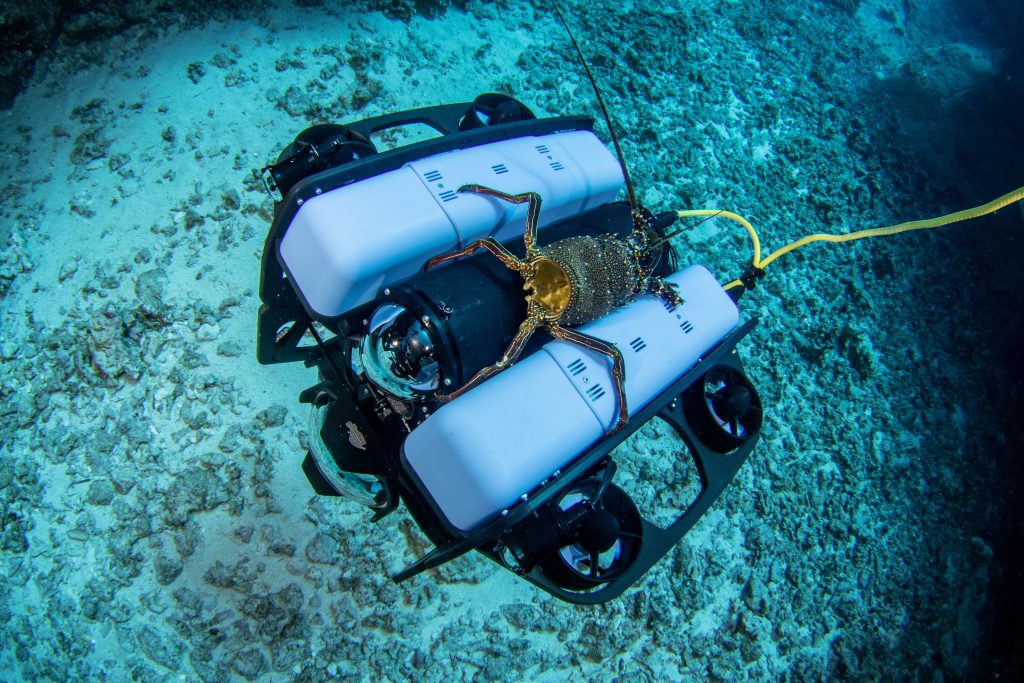
By contrast, recovering the remains of a ship from warm tropical waters is a task riddled with special challenges. The San José rests in corrosive, biologically active waters unlike the Mary Rose, which had been salvaged in cold coastal waters off the coast of southern England. Currents, sediment type, and marine organisms complicate preservation. Researchers are building underwater robots designed to photograph, map and carefully lift items without destabilizing the wreck. “This is a huge challenge and it is not a project that has a lot of precedents,” said Ann Coats, a maritime heritage expert. “In a way, we are pioneers.”
5. Echoes of the Treasure Fleets
The San José formed part of Spain’s extended colonial treasure fleet that carried precious metals across the seas from the Americas to Europe. Much of the silver was likely from the mines of Potosí, where Indigenous and African laborers worked under brutal conditions. These fleets were highly coveted prizes for rival powers, and their cargoes linked continents in a web of trade, politics, and conflict. Thus, the galleon’s macuquina coins, crudely struck from hand‑cut planchets, bear the mark of that global network.
6. Preservation Technologies Today
Advances in marine archaeology have allowed high‑resolution 3D mapping and photogrammetry of wreck sites-even where physical artifacts continue to deteriorate-creating digital archives. Protective coatings, sacrificial anodes, and treatments with polyethylene glycol help metals and wood resist the corrosive properties of saltwater. In situ preservation-leaving the artifacts on the seabed under controlled conditions-remains for many archaeologists a preferred method, in that it preserves the context which gives meaning to each find.
7. A Graveyard Beneath the Waves
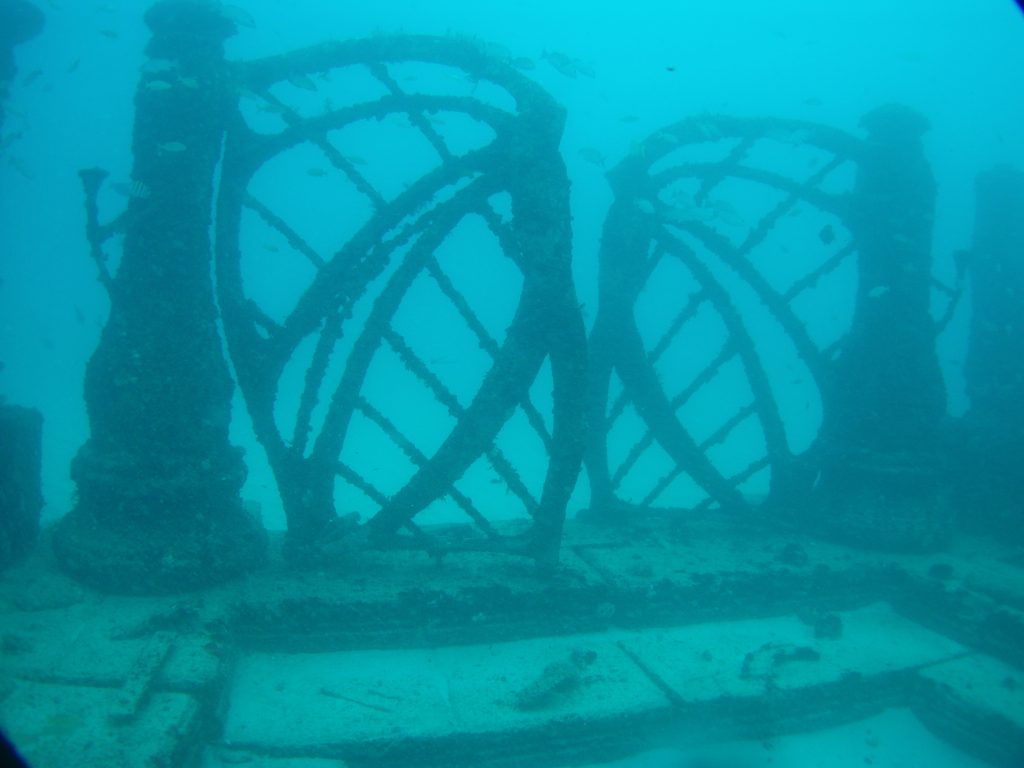
For historians and archaeologists, the San José is less a treasure trove than it is a marine grave. “The treasure of the San José must remain at the bottom of the sea, along with the human remains of the 600 crew members who died there,” said Colombian maritime archaeologist Juan Guillermo Martín. Preserving site integrity means weighing public fascination against the ethical imperative to give respect to those who perished.
8. The Larger Implications
The story of the San José serves to underline just how murky international maritime law is and how tense the relationship between cultural heritage and commercial exploitation can be. It also serves to remind one of the fragility of underwater sites facing climate change, ocean acidification, and human interference. “If you just go down and take lots of artefacts and bring them to the surface, you just have a pile of stuff,” warned marine archaeologist Rodrigo Pacheco Ruiz. “There’s no story to tell.”
The cannon, coins, and porcelain cup now in Colombian hands are more than mere relics-they’re keys to a complex narrative of empire, conflict, and human endeavour. Each artefact provides a tangible connection to the San José’s final voyage, that moment when the aspirations of nations and the fates of individuals converged into one fateful night on the Caribbean Sea.

