

How can travelers stay safe when nature’s plans collide with holiday ones? Millions will be preparing to journey for Thanksgiving, and on cue, a serious multi‑state winter storm system is ready to challenge both road and air travel across the northern U.S. – bringing heavy snow, strong winds and hazardous conditions.

1. Storm Path and Timing
Forecasters are tracking a series of winter storms that’ll sweep from the northern Rockies into the Great Lakes, impacting states including Minnesota, North Dakota, Wisconsin, Michigan, and New York. The first wave begins Monday in the Dakotas before sweeping eastward through Wednesday. Meanwhile, lake‑effect snow will persist into Friday in some areas. According to AccuWeather’s Paul Pastelok, “Storms, snow, gusty winds and fog would cause flight delays and cancellations during some of the busiest travel days of the year.”
2. Snowfall Totals and Wind Threats
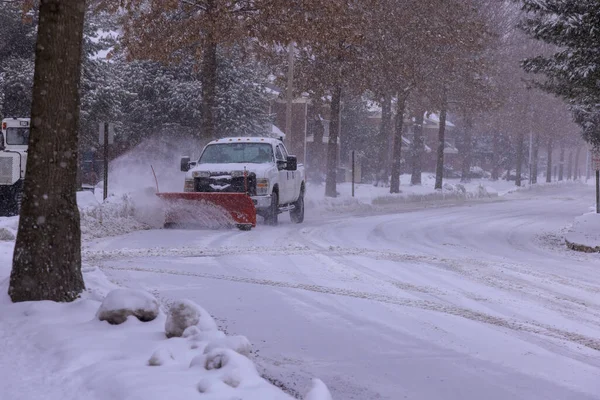
Accumulations in the Upper Peninsula of Michigan could reach over 12 inches between Tuesday and Thursday, with wind up to 45 mph. As many as 6–12 inches could fall along Lake Superior’s shoreline in northern Wisconsin, with over a foot possible in Iron County. Up to 9 inches is expected in Minnesota. Far eastern parts of North Dakota can expect at least 4 inches. Lake‑effect snow in western and upstate New York might exceed 7 inches; localized bands could yield over a foot. Wind might reach 35–45 mph, with whiteout conditions and falling tree branches possible.
3. Hazards Abroad and Government Travel Warnings
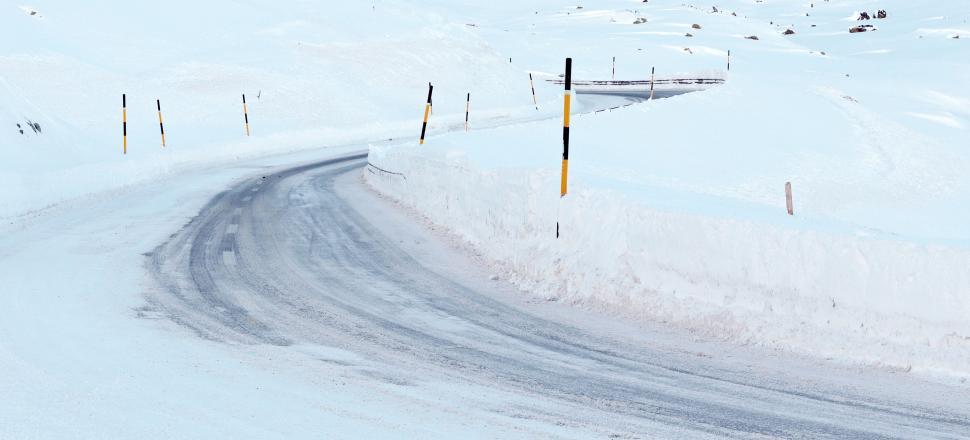
The National Weather Service warns that travel may be “very difficult to impossible” across several regions due to slick roads, along with reduced visibility and drifting snow. Winter Storm Watches indicate conditions are favorable for an impactful event within 12–48 hours. AccuWeather meteorologist Reneé Duff explained, “Those traveling on Thanksgiving Day around the Great Lakes region may need to contend with typical lake‑effect snow showers that can lead to reduced visibility and slippery travel.”

4. Psychological Impact and Staying Grounded
Severe weather forecasts frequently heighten travel anxiety, especially during high‑stakes holiday periods. Climate‑related stress can manifest as fatigue, irritability, and feelings of helplessness. Experts advise on grounding techniques that include mindfulness, limiting exposure to distressing news, and a focus on controllable actions. Building psychological resilience through optimism and cognitive reframing offers a method for travelers to approach disruptions with solution-oriented thinking, therefore lessening emotional strain.

5. Winter Preparedness for Drivers
Those who must drive should have vehicles equipped with a comprehensive winter car emergency kit, to include the following: blankets; mittens; ice scraper; flashlight; first-aid supplies; traction aids, such as sand or cat litter; folding shovel; tire chains; high-energy snacks. The gas tank should be kept at least half full. Do not use cruise control in wintry conditions, and increase your following distance to 8-10 seconds. Let someone know your travel plans before you leave, and stay with your vehicle if you get stranded.
6. Air Travel Strategies
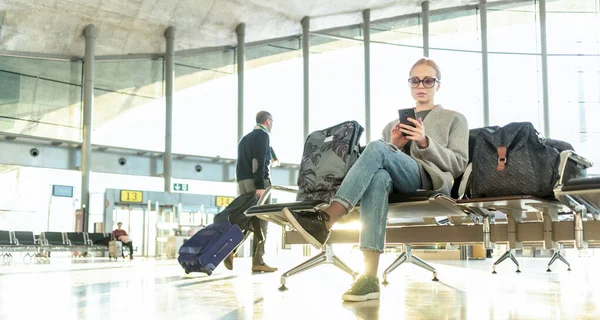
With expected delays at main hubs, including Minneapolis, Chicago, and New York, passengers can prepare for such by downloading airline apps, enabling notifications, and proactively rebooking when cancellations occur. According to Pastelok, “Consider leaving earlier and taking an earlier flight as a precaution. Or look into convenient train options that could have less impact from the weather and road traffic.”
7. Coping after the Storm
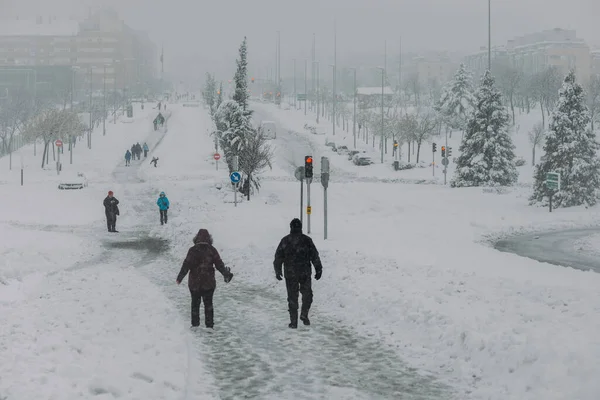
Recovery for those affected may come from continued routine activities, positive events such as volunteering, and reducing exposure to repeated media information about the storm. Other emotional symptoms that may linger include anxiety and sleep problems; support from friends and family or mental health professionals is indicated. Minimizing remaining stress and helping one’s sense of control comes from understanding that there are things beyond human control.

8. Localized New York Impacts
Heavy lake-effect snow, with gusts to 45 mph will hit western and north-central New York from Tuesday night through Saturday morning. Winter storm watches have been issued for Erie, Oswego, Jefferson, and Lewis counties. Some persistent bands could produce over an inch of snow per hour that may lead to very hazardous travel with possible isolated power outages.

As Thanksgiving approaches, staying informed via trusted weather updates, preparing for contingencies, and building resilience will be important in helping travelers face both the physical and emotional challenges of this winter storm system.

